
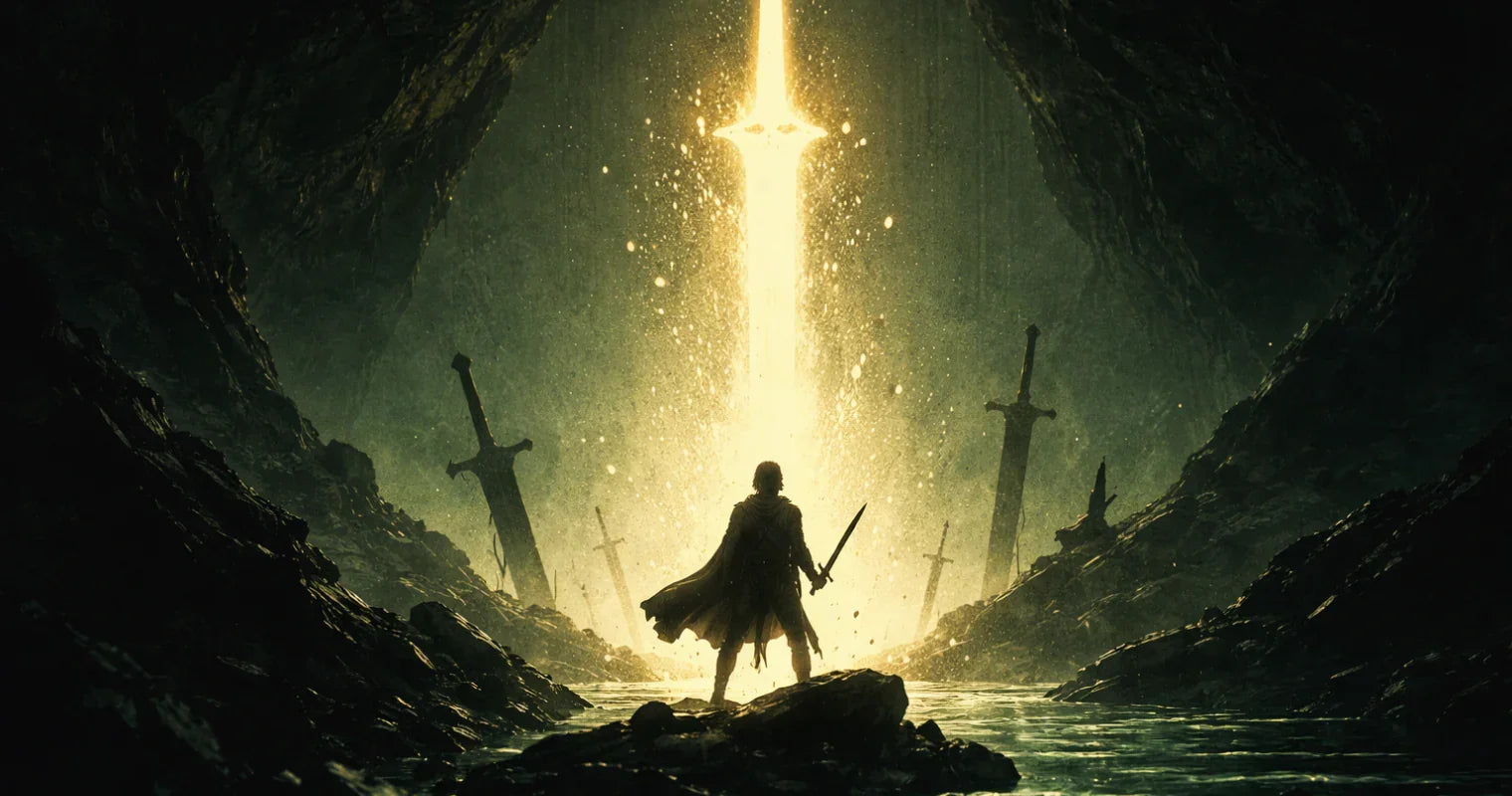
D&D Character Guides: Build Strong PCs with Clarity
Updated on: February 25, 2026
Creating a memorable Dungeons and Dragons character takes more than just rolling dice and picking a class. Whether you're a seasoned player or stepping into the fantasy realm for the first time, a solid character guide helps you build someone truly unique. In this post, we'll walk you through the essential steps to craft a compelling character that'll make your table laugh, gasp, and cheer. From personality traits to mechanical optimization, you'll discover everything you need to bring your creation to life.
- How to Build Your Perfect Dungeons and Dragons Character
- Understanding Your Character's Foundation
- Mechanical Optimization and Stat Distribution
- Bringing Personality and Backstory Together
- Common Questions Answered
How to Build Your Perfect Dungeons and Dragons Character

Building a Dungeons and Dragons character is one of the most exciting parts of the game. Whether you're creating a noble paladin, a cunning rogue, or a mysterious sorcerer, the process requires thought and creativity. Let's break this down into manageable steps that'll make the whole experience enjoyable and rewarding.
Step 1: Choose Your Race and Class Combination
Your race and class form the foundation of who your character is. The race determines your heritage, cultural background, and racial traits, while your class defines your role in the party. Don't just pick what seems powerful on paper. Think about what storytelling opportunities excite you. A human fighter might feel generic at first, but what if they're a retired soldier haunted by past conflicts? That backstory changes everything.
Step 2: Determine Your Ability Scores
Ability scores affect everything your character does. You've got Strength, Dexterity, Constitution, Intelligence, Wisdom, and Charisma to distribute. Most players use either the standard array or roll randomly. If you're optimizing, prioritize the abilities that matter most for your class. A wizard needs Intelligence, while a rogue values Dexterity. But remember, a low score in an unexpected place can create fantastic roleplay moments and make your character feel real.
Step 3: Select Skills and Proficiencies
Skills show what your character is genuinely good at. You might have proficiency in Stealth, Perception, or Arcana depending on your background and class. This is where mechanics meet personality. If your character grew up in the streets, they probably have Sleight of Hand. If they're scholarly, maybe they've got Investigation. These choices give you clear moments to shine during gameplay.

Step 4: Pick Your Equipment and Fighting Style
What does your character carry? A longsword and shield tell a different story than a quarterstaff or a crossbow. Your equipment reflects your background and available resources. A wealthy noble might carry finely crafted weapons, while a commoner uses whatever they could afford. This detail matters more than you might think because it opens up roleplay opportunities and makes combat descriptions richer.
Step 5: Create a Compelling Backstory
This is where your character truly comes alive. Why did they become an adventurer? What do they want? What scares them? The best character guides emphasize that your backstory doesn't need to be a novel. Even a few sentences about your motivation, a meaningful relationship, and a personal goal will give your Dungeon Master hooks to work with and make decisions feel personal rather than random.

Understanding Your Character's Foundation
Before diving deeper into mechanics, let's talk about the emotional core of your character. What drives them? Understanding this makes every decision at the table feel intentional rather than accidental. Your character might be seeking redemption, protecting loved ones, or discovering ancient secrets. Whatever it is, keep that motivation accessible to yourself as you play.
Your alignment also shapes how your character approaches the world. Are they lawful good, chaotic neutral, or something in between? Alignment gets debated at tables everywhere, but it's simply a shorthand for your character's moral and ethical tendencies. Think of it as a starting point rather than a rigid cage. A lawful good character might bend the rules to save innocents, and that internal tension creates fantastic roleplay.
Consider your character's relationships with other party members. Do they trust the group immediately, or are they skeptical? Are they the leader type, a loyal follower, or an independent wildcard? These dynamics create the drama and camaraderie that makes tabletop gaming memorable. The best campaigns happen when characters have reasons to care about what happens to each other.
Mechanical Optimization and Stat Distribution
While storytelling is crucial, your character also needs to function mechanically. If you're playing a spellcaster, you'll want decent spell save statistics. Melee characters benefit from high Dexterity or Strength. But here's the thing: optimization doesn't mean cookie-cutter. You can be effective and unique.
Look at your class's features and spell list if applicable. Some abilities synergize beautifully with specific ability scores and equipment choices. A rogue with high Dexterity and Charisma becomes terrifying because they hit frequently and talk their way out of trouble. A cleric with good Wisdom and Constitution becomes both an incredible healer and a durable frontline presence.
Don't forget about multiclassing if your campaign allows it. Combining classes opens incredible creative possibilities and mechanical benefits. A fighter with a few levels in wizard becomes a magical warrior. A bard with rogue levels becomes a skill monkey and social manipulator. Just make sure your combinations make sense for your character's story.
Bringing Personality and Backstory Together
The magic happens when mechanics and personality merge. Your character's statistics shouldn't contradict their backstory. If your character is supposed to be wise and perceptive, they shouldn't have a terrible Wisdom score. These elements need to work together to create someone believable and engaging.
Think about personality quirks and mannerisms. Maybe your character has a nervous laugh, speaks with an accent, or fidgets with a family heirloom. These small details help your Dungeon Master and fellow players visualize and remember your character. They also give you hooks for roleplay during downtime and social scenes.
Consider your character's fears and flaws. Nobody wants to play someone who's perfect at everything. Flaws create vulnerability and give the Dungeon Master opportunities to challenge you in meaningful ways. A brave warrior might have a crippling fear of water. A genius wizard might be terrible with social interaction. These contradictions make characters compelling.
When you're playing, stay true to what you've created while remaining flexible. Your character will grow and change throughout the campaign. Maybe they'll overcome that fear of water. Perhaps they'll develop unexpected friendships or romantic connections. The journey is what makes the character arc satisfying.
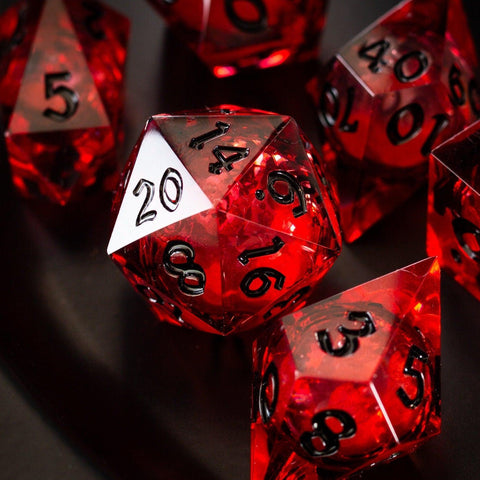
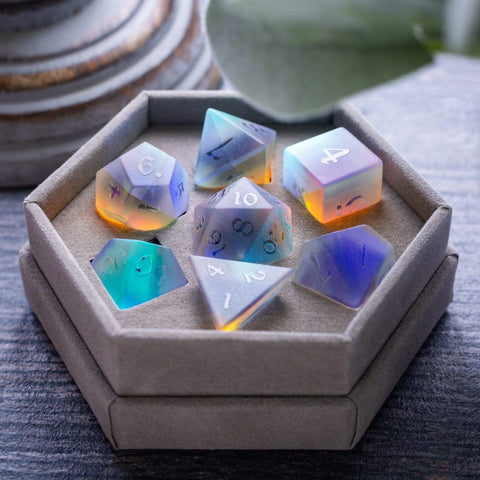
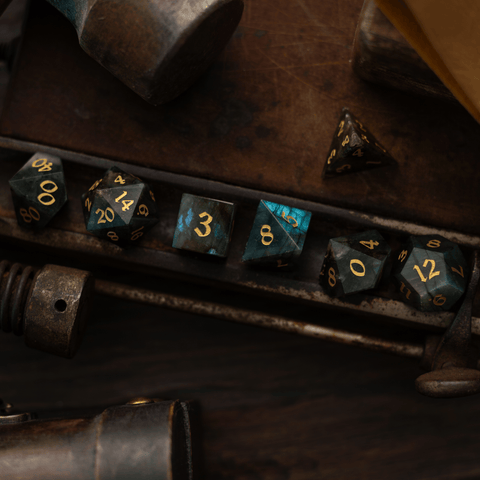
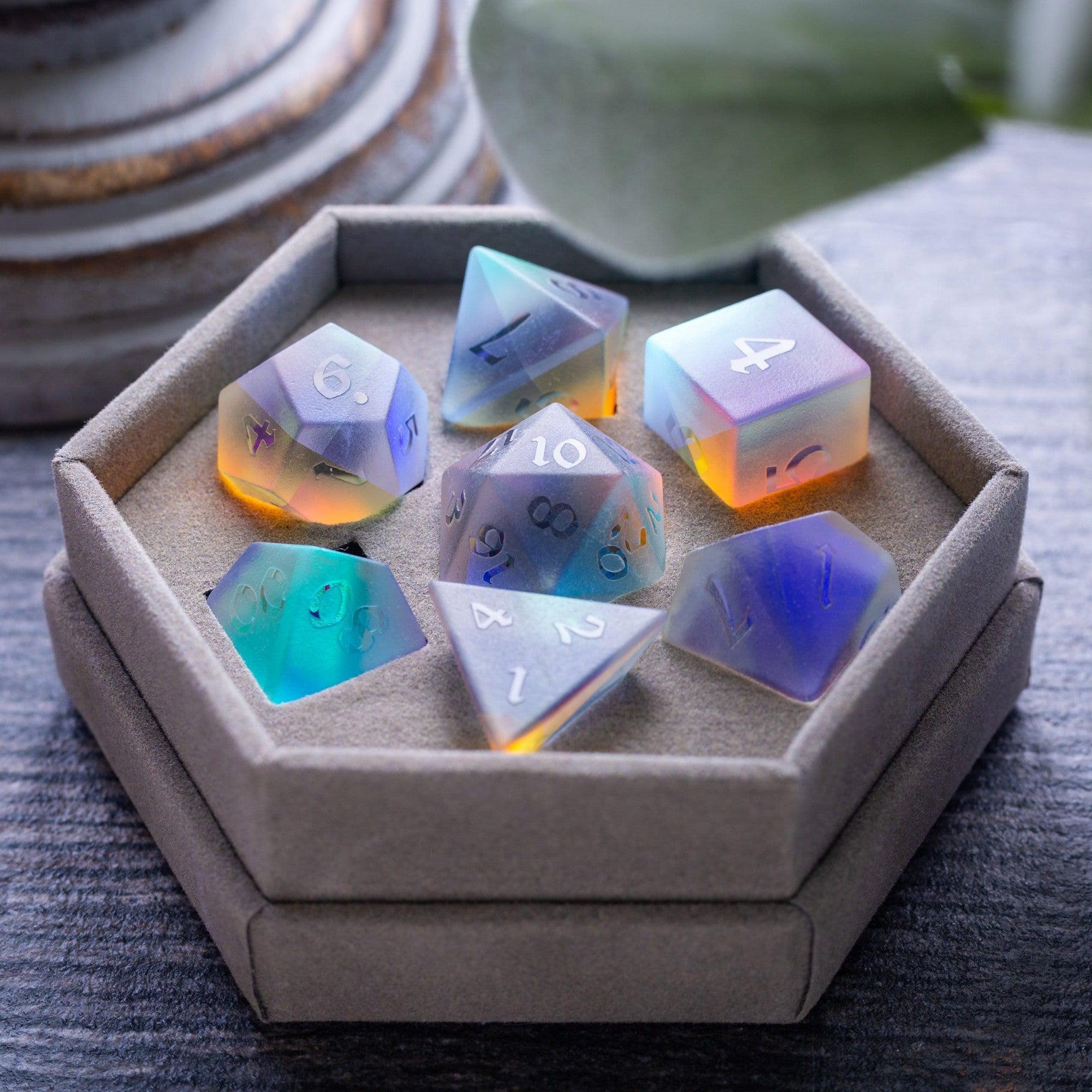
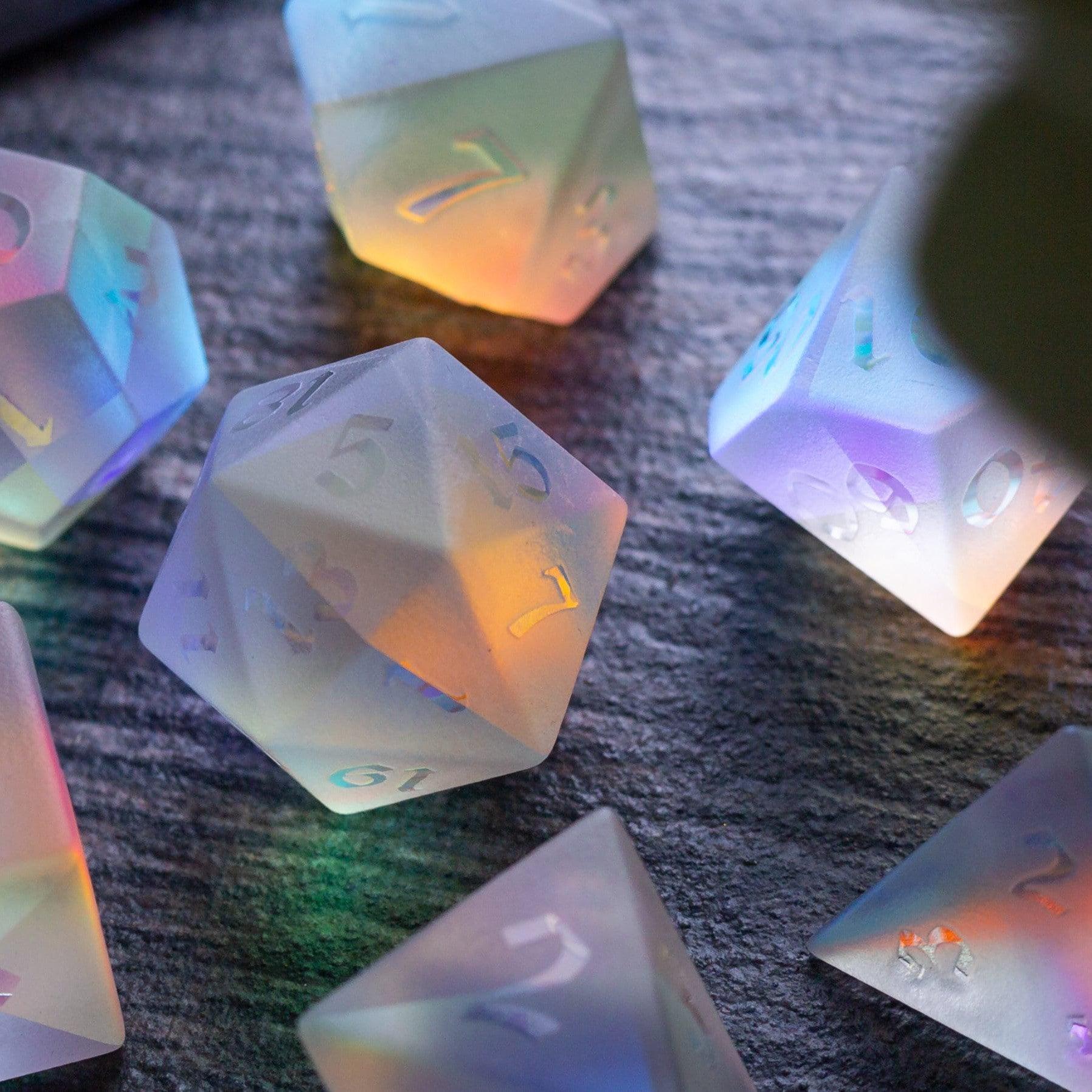
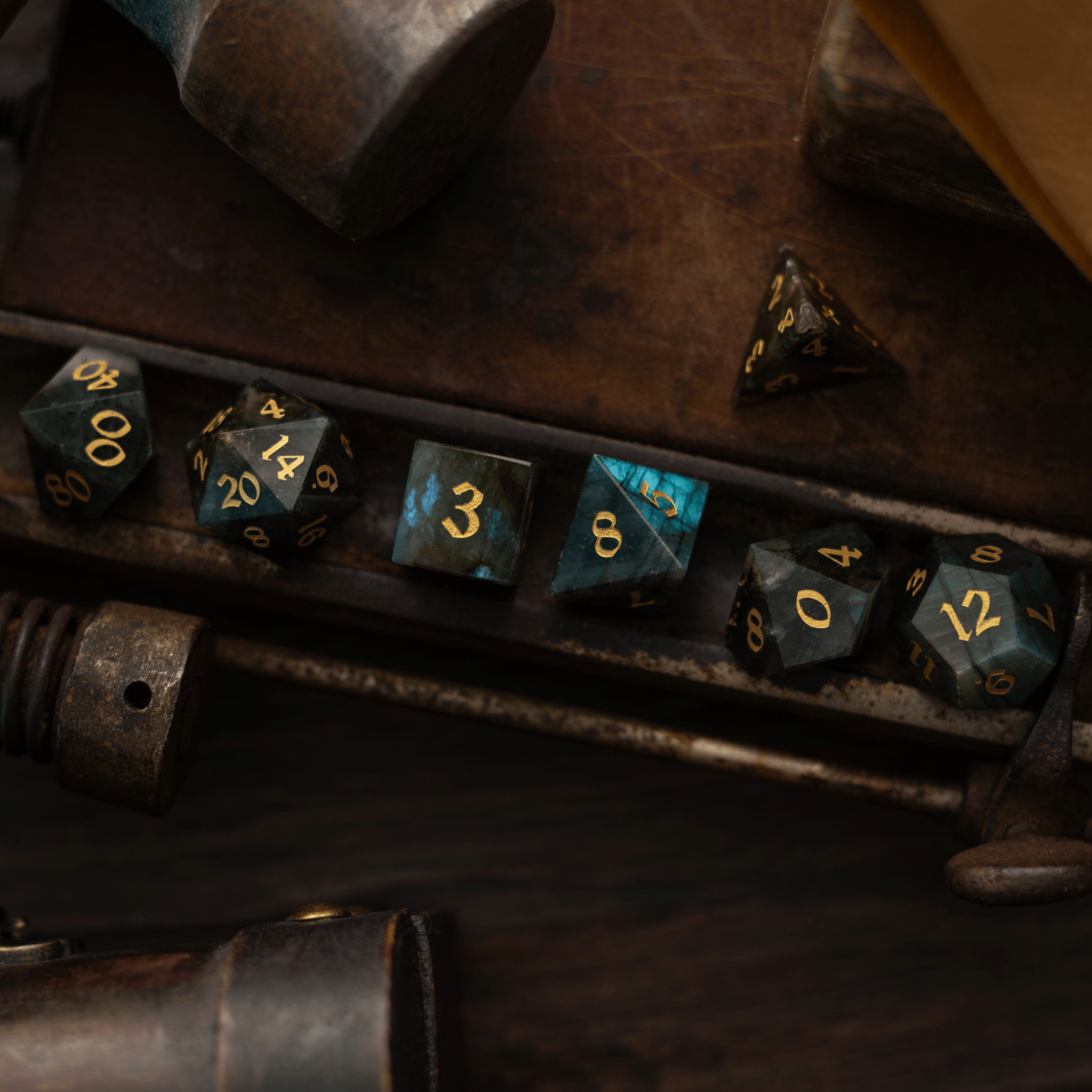
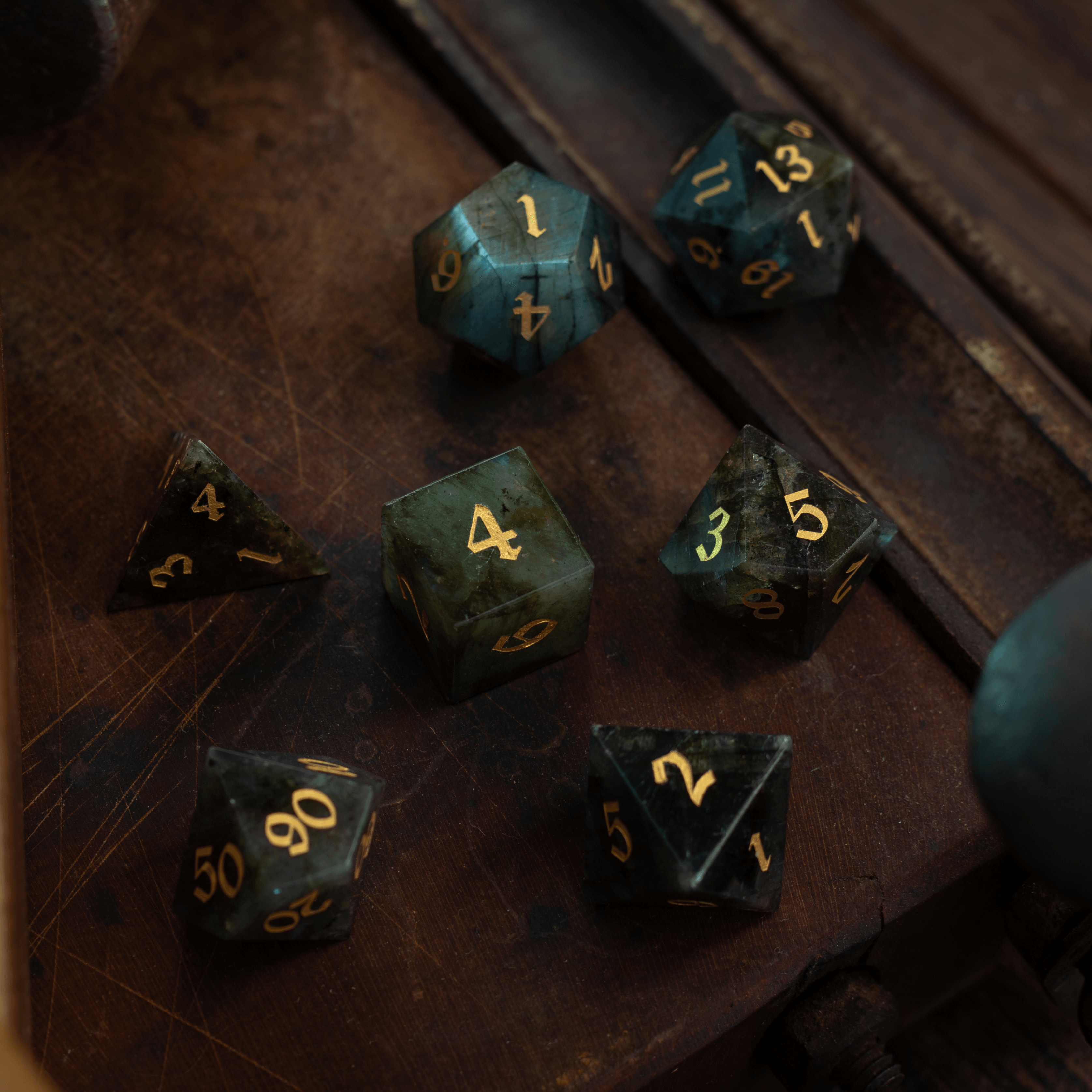
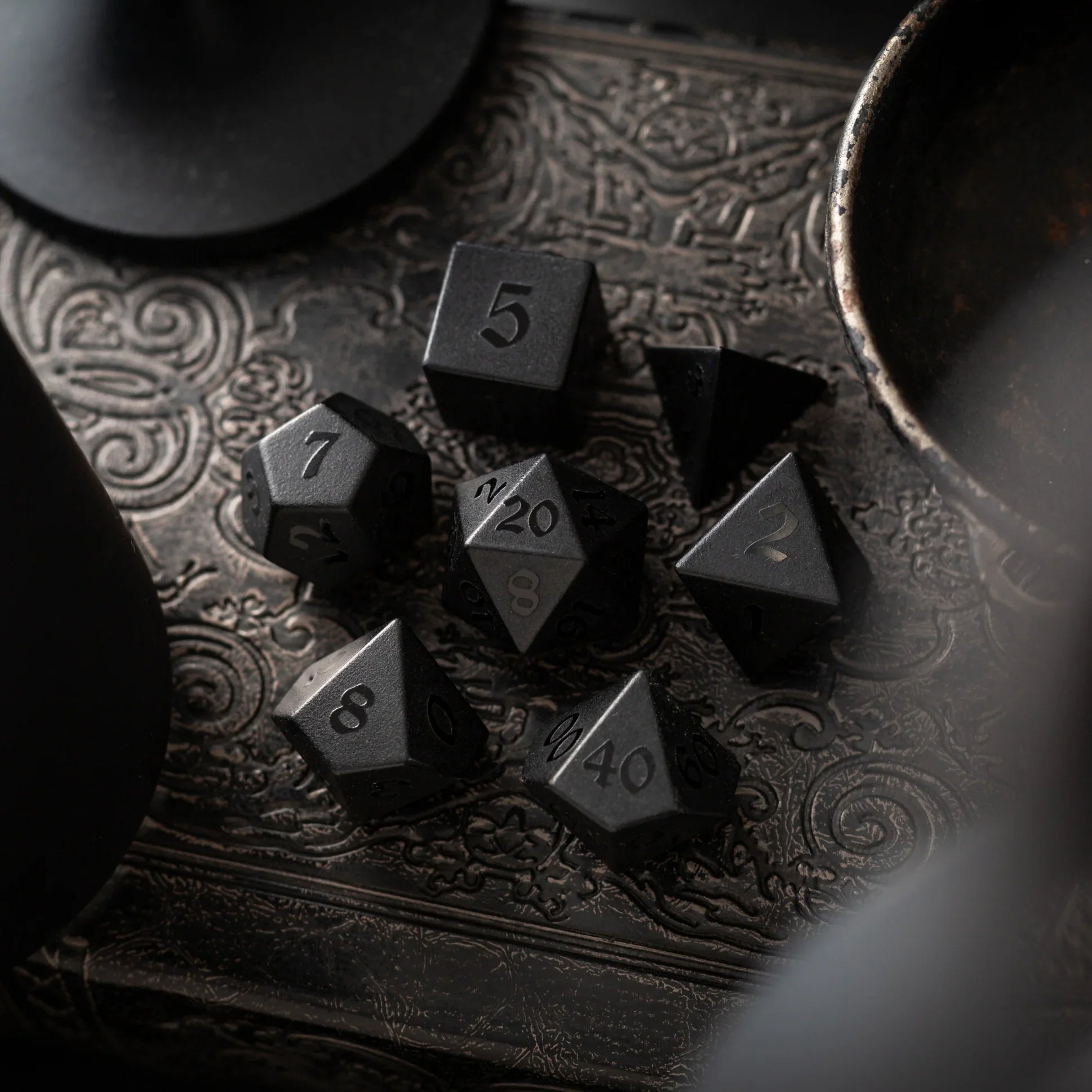
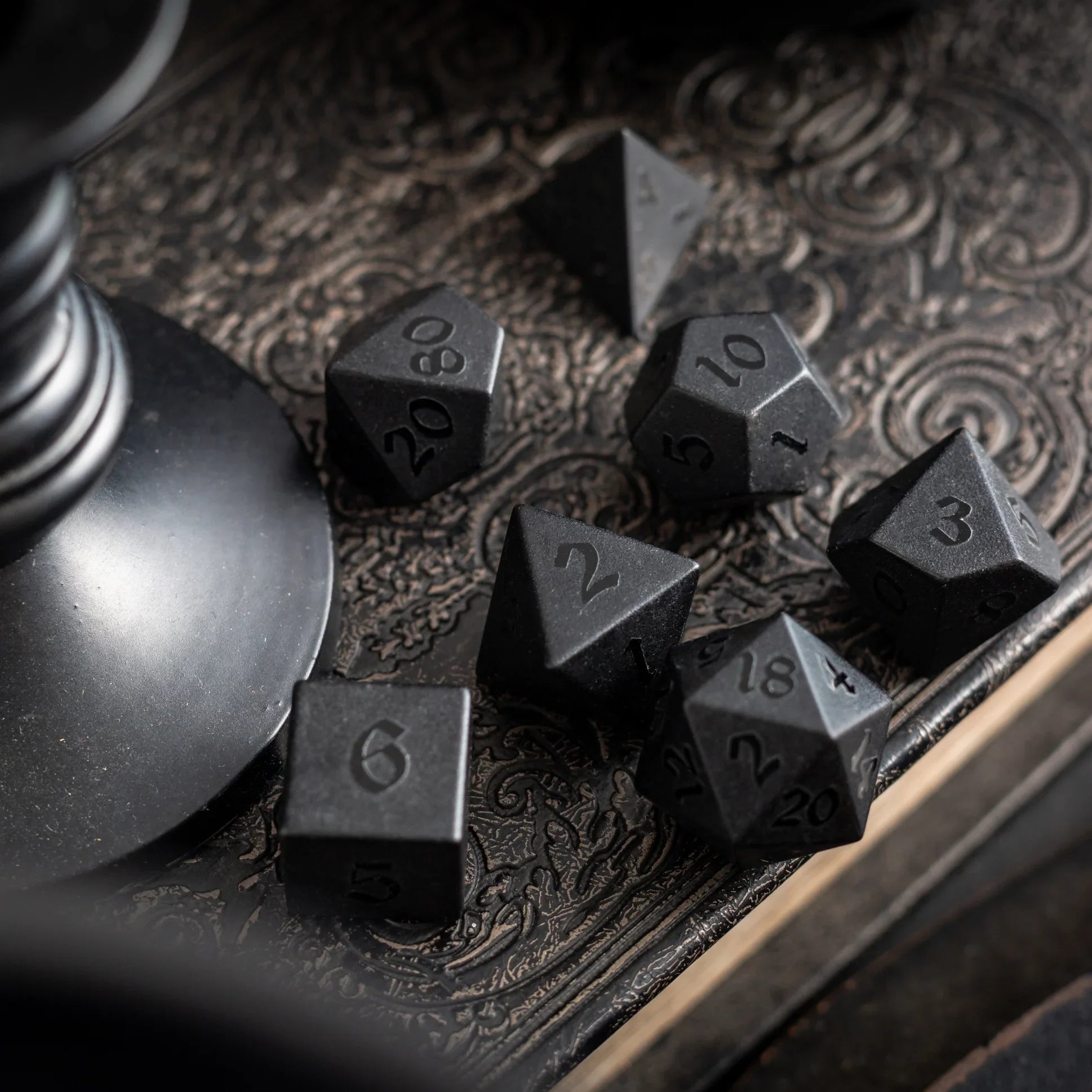
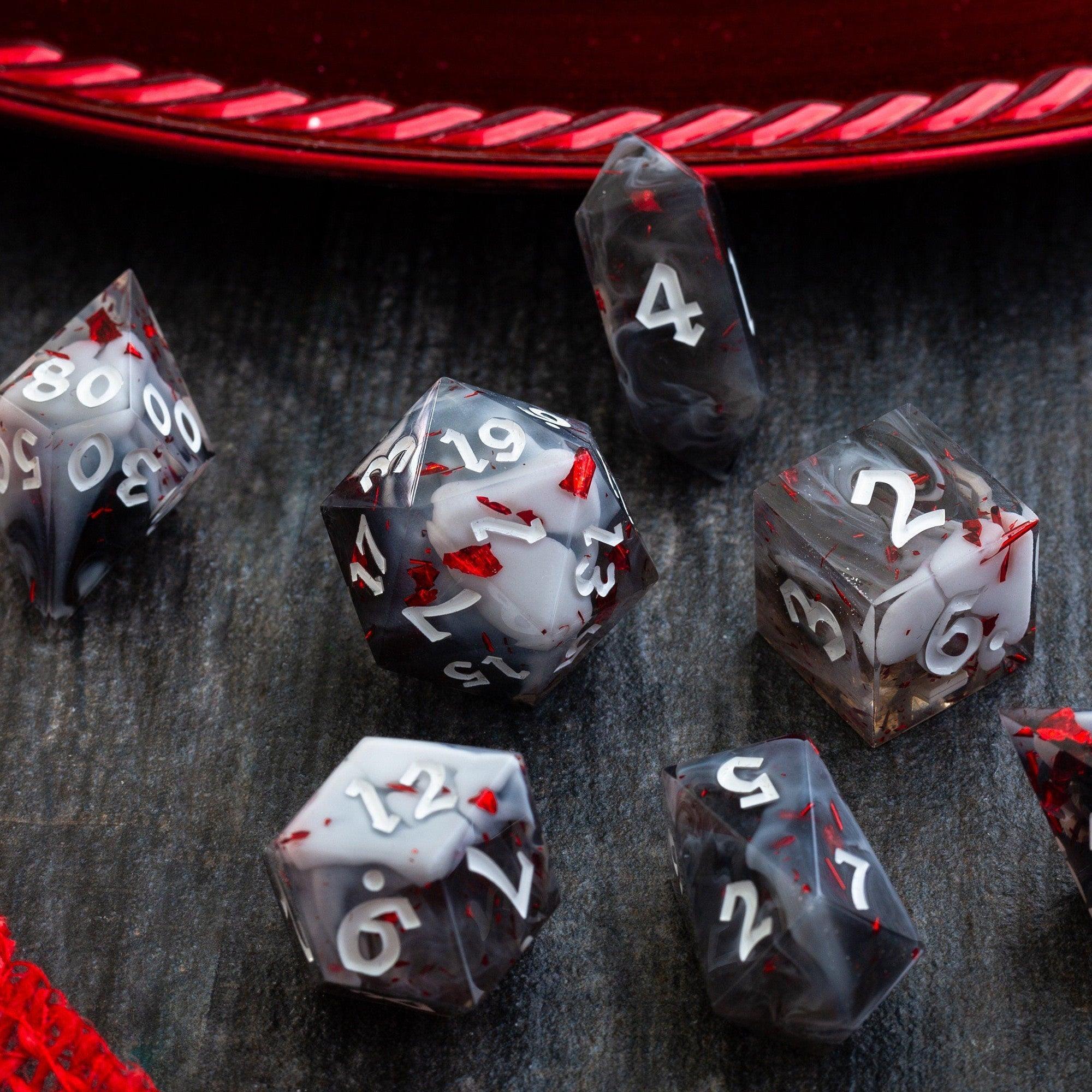
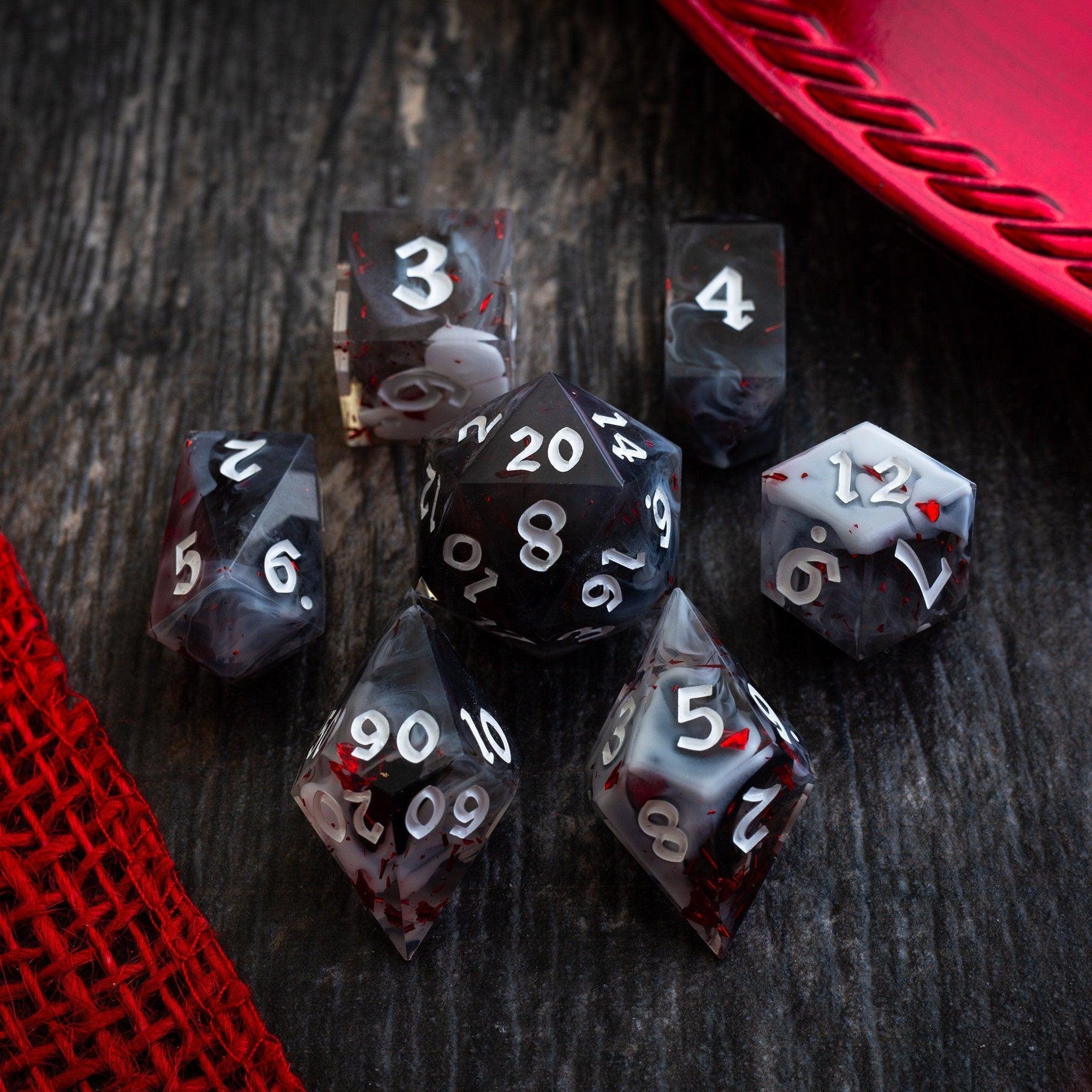
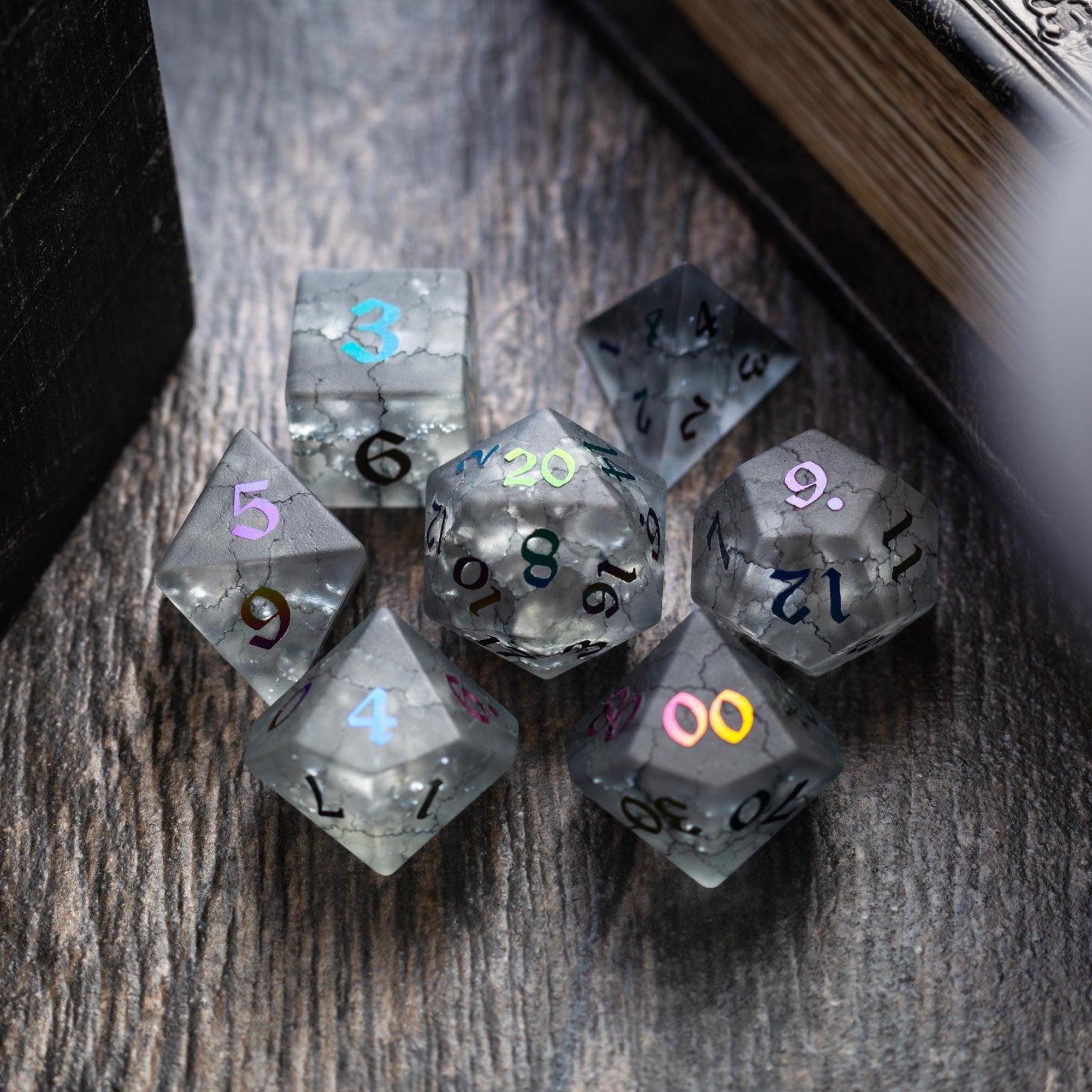
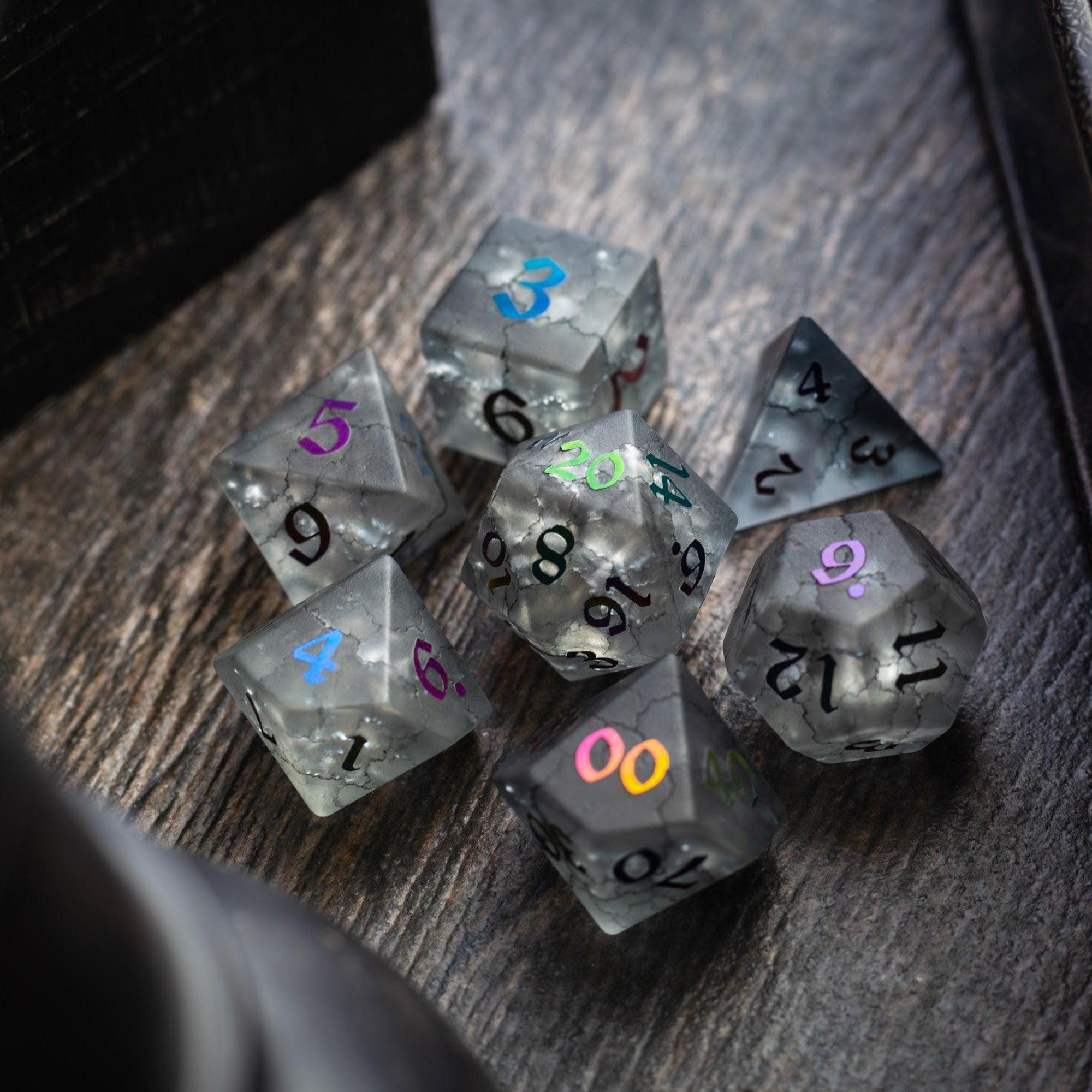
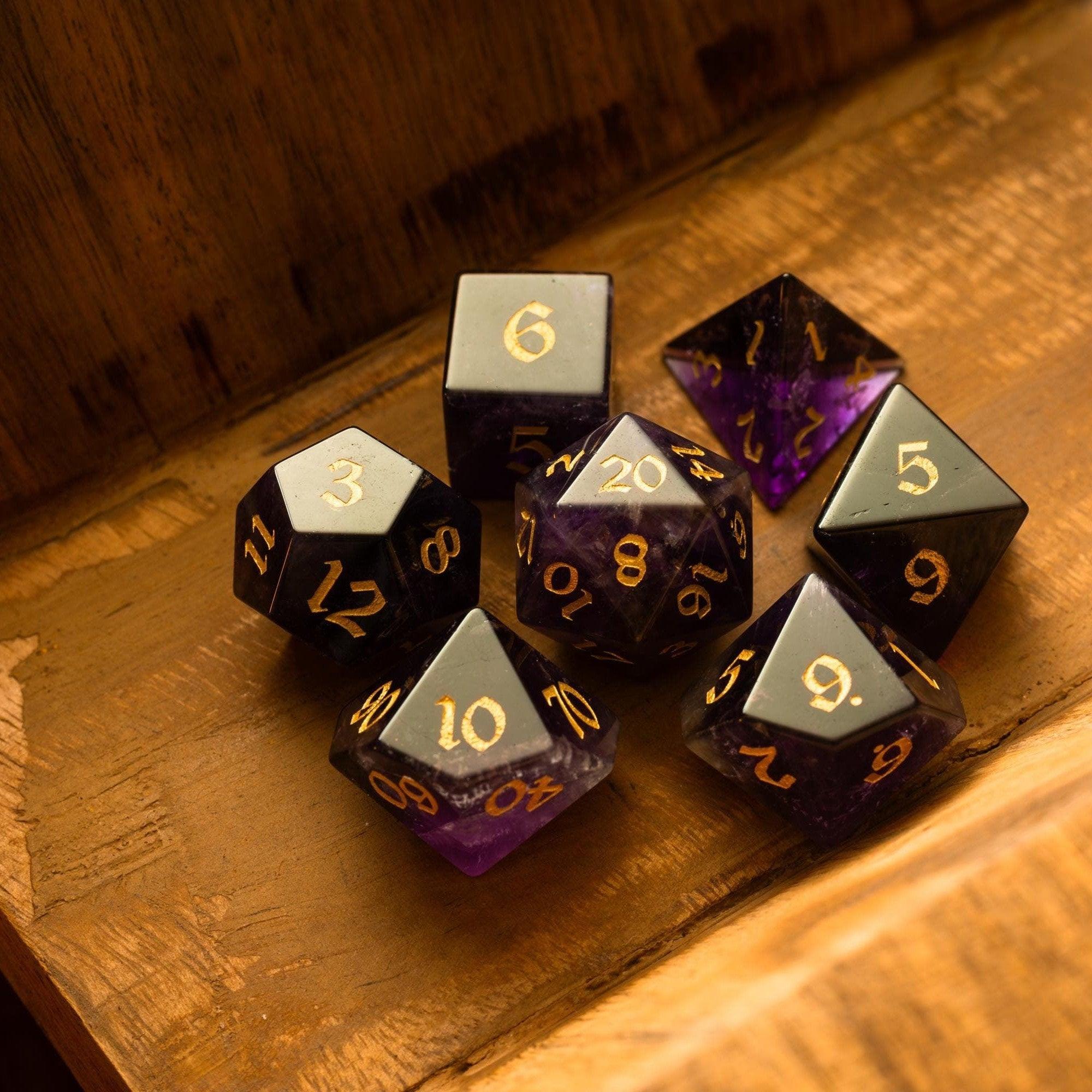
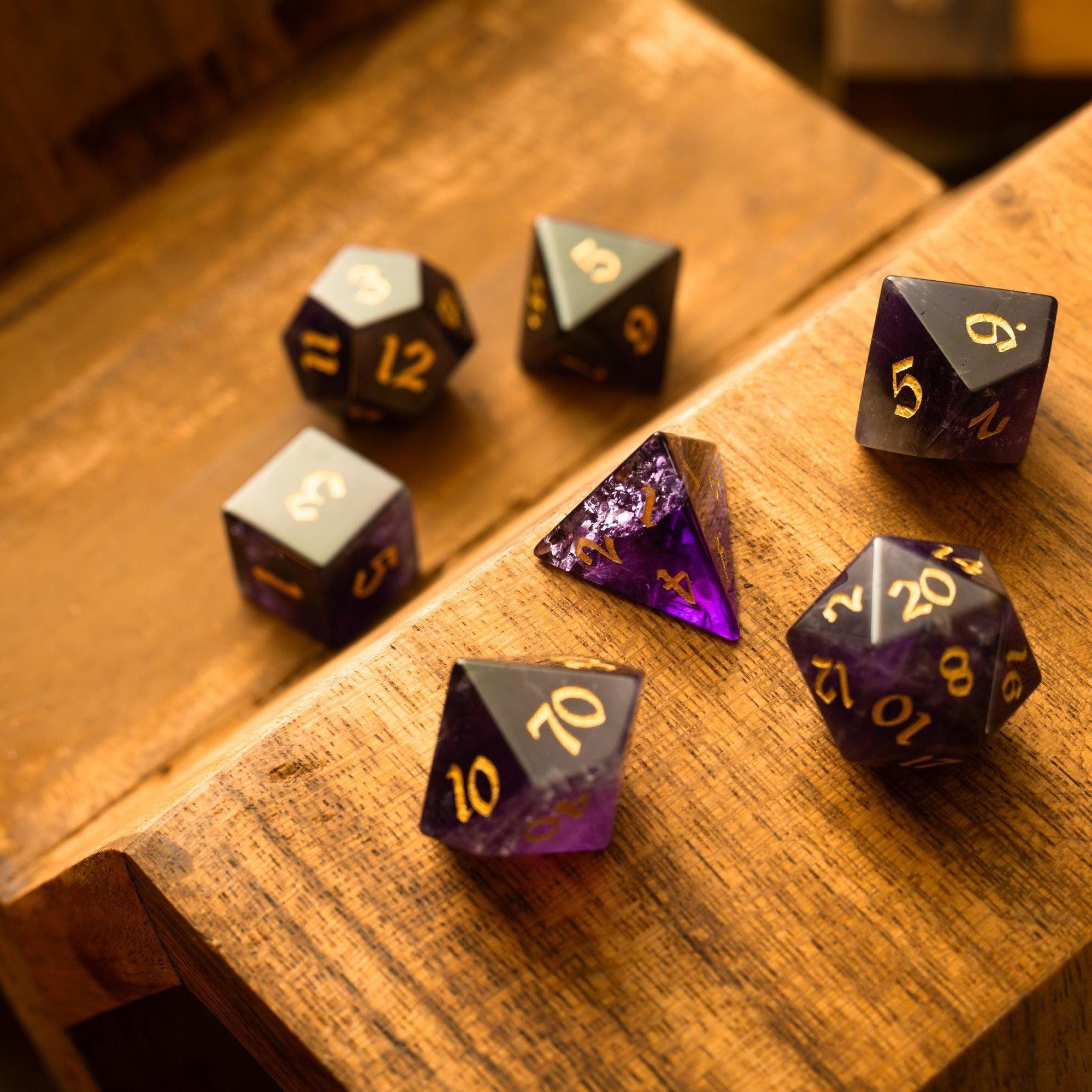
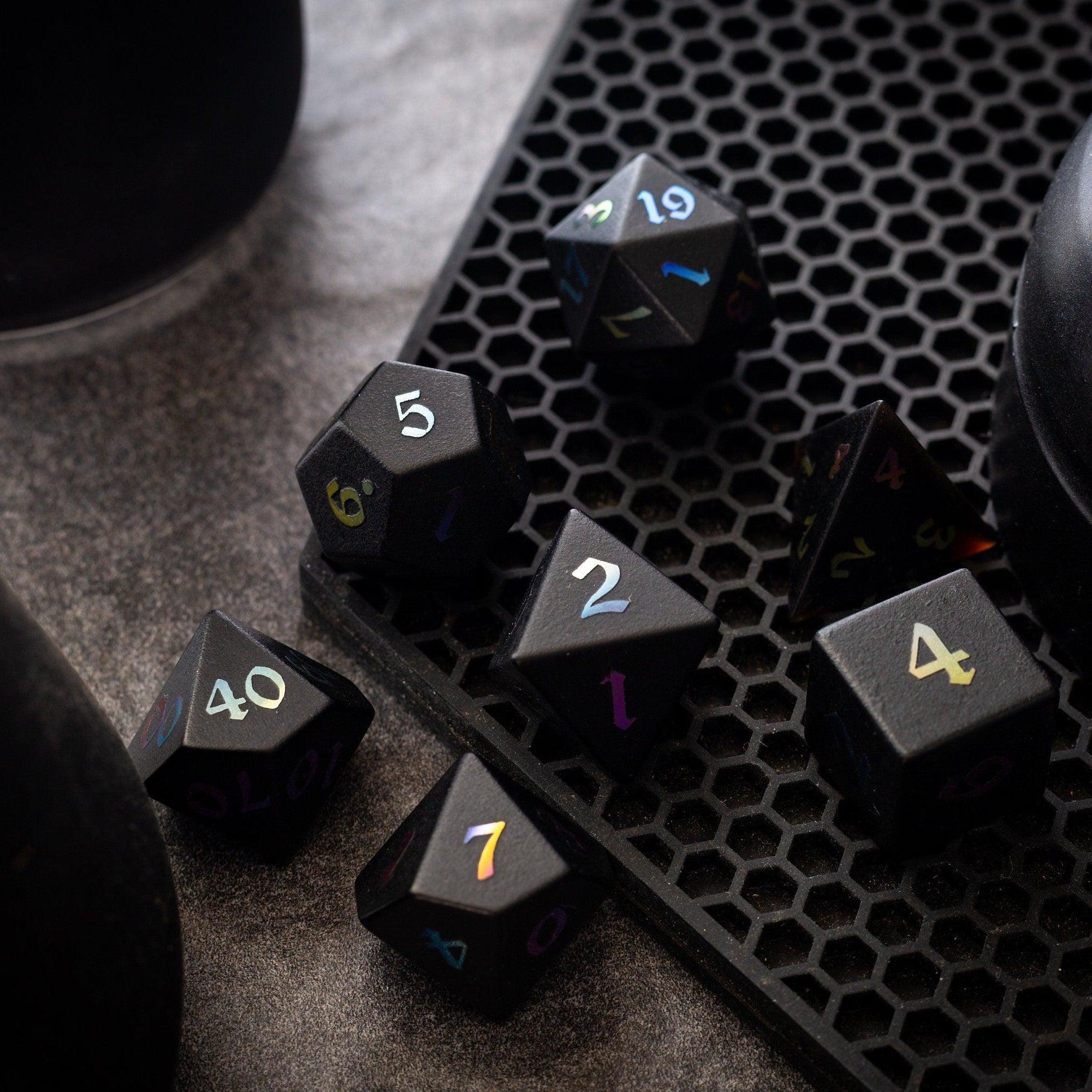
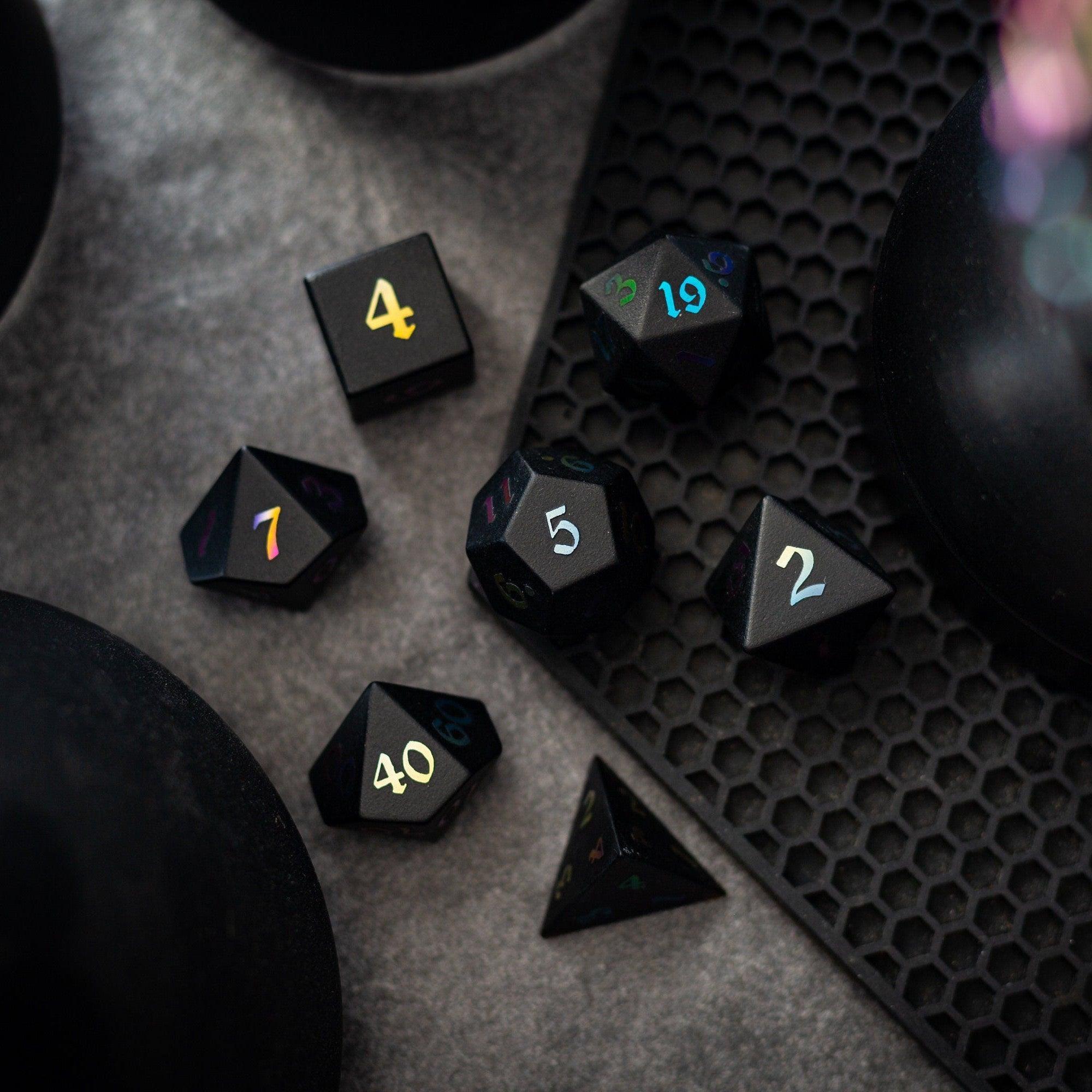
If you want to enhance your gaming experience, consider investing in quality dice. Many players find that beautiful, gemstone dice sets add a tactile pleasure to the game that complements great character roleplay. When you roll the dice for a crucial moment, having something tangible and beautiful in your hands creates a more immersive experience.
Common Questions Answered
What's the Best Class for Beginners?
This depends on your preferred playstyle, but fighters and clerics are traditionally beginner-friendly. Fighters have straightforward mechanics—attack with weapons, gain more attacks as you level up. Clerics heal allies and deal decent damage, giving you multiple ways to contribute. Both feel impactful without overwhelming complexity. That said, if you love the idea of magic, a wizard or sorcerer can be fantastic if your Dungeon Master is patient while you learn spell mechanics.
How Detailed Should My Backstory Be?
Your backstory should give your Dungeon Master material to work with without being so detailed that it overshadows the actual campaign. A paragraph or two is usually perfect. Include who you were before adventuring, why you left home, and what you hope to achieve. Avoid backstories that require the Dungeon Master to plan entire story arcs around your character's revenge quest unless you've discussed that specifically. The best backstories leave room for the campaign to surprise you.
Can I Change My Character Mid-Campaign?
Absolutely. If your character genuinely isn't working for you, talk to your Dungeon Master about adjusting them. Maybe you can retrain some abilities or change how you roleplay them. If that doesn't help, many tables allow you to retire your character and introduce a new one. Good Dungeon Masters understand that finding your character's voice sometimes takes a few sessions. The goal is everyone having fun, not sticking rigidly to initial choices if they're not working.
Should I Prioritize Optimization or Roleplay?
Both matter, but roleplay usually wins at the table. An optimized character who's boring to watch isn't as fun as a flawed but interesting character. That said, a character who constantly fails at their job can be frustrating. Aim for functional characters with personality. You don't need to be the damage dealer if that doesn't match your vision. A character who's good at what they're supposed to do, with interesting quirks and motivations, hits that sweet spot perfectly.
Remember, when you sit down at the table with your character, you're collaborating in a group story. Your choices matter, your character's voice matters, and the fun you all have together is what matters most. With these character guides principles in mind, you're ready to create someone unforgettable.
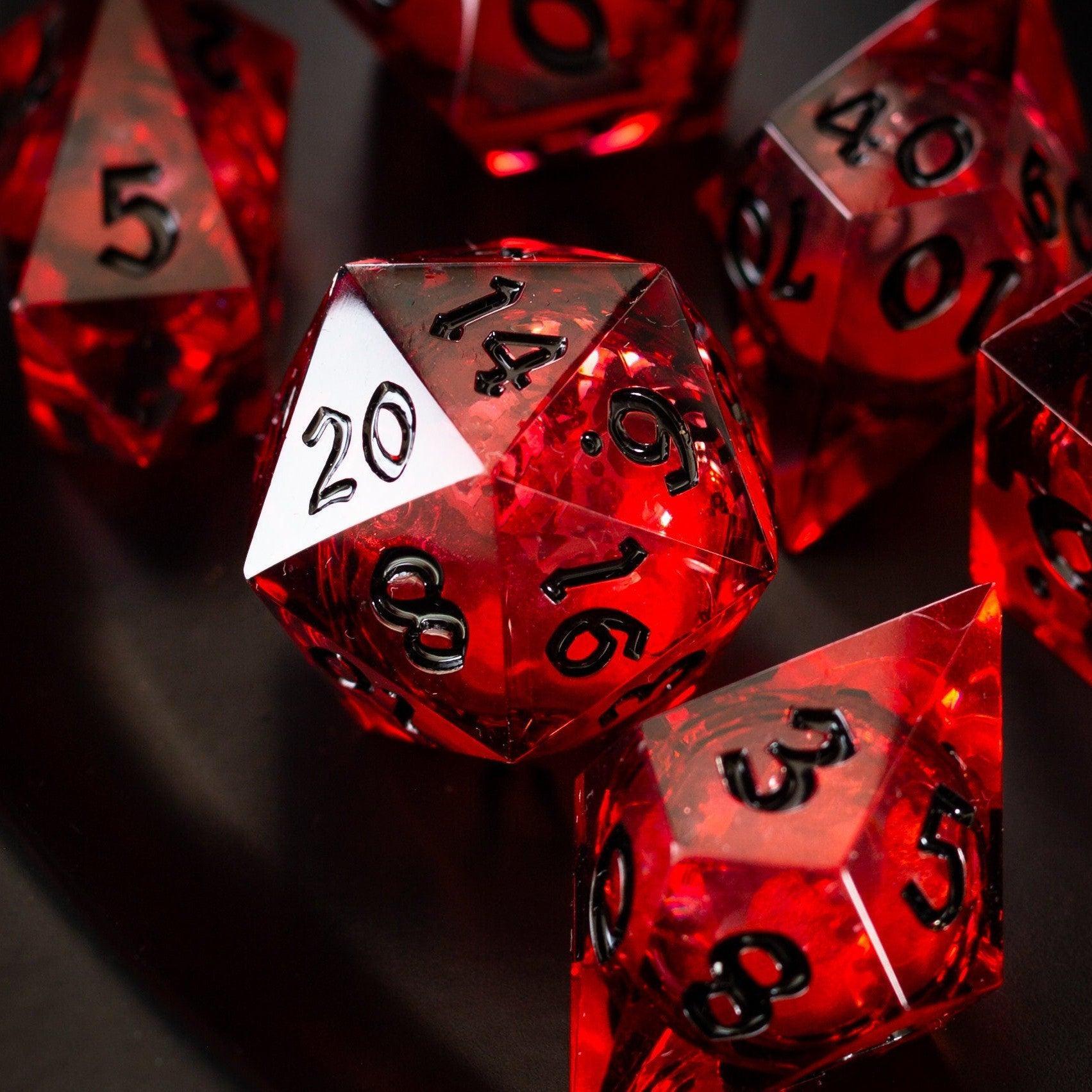
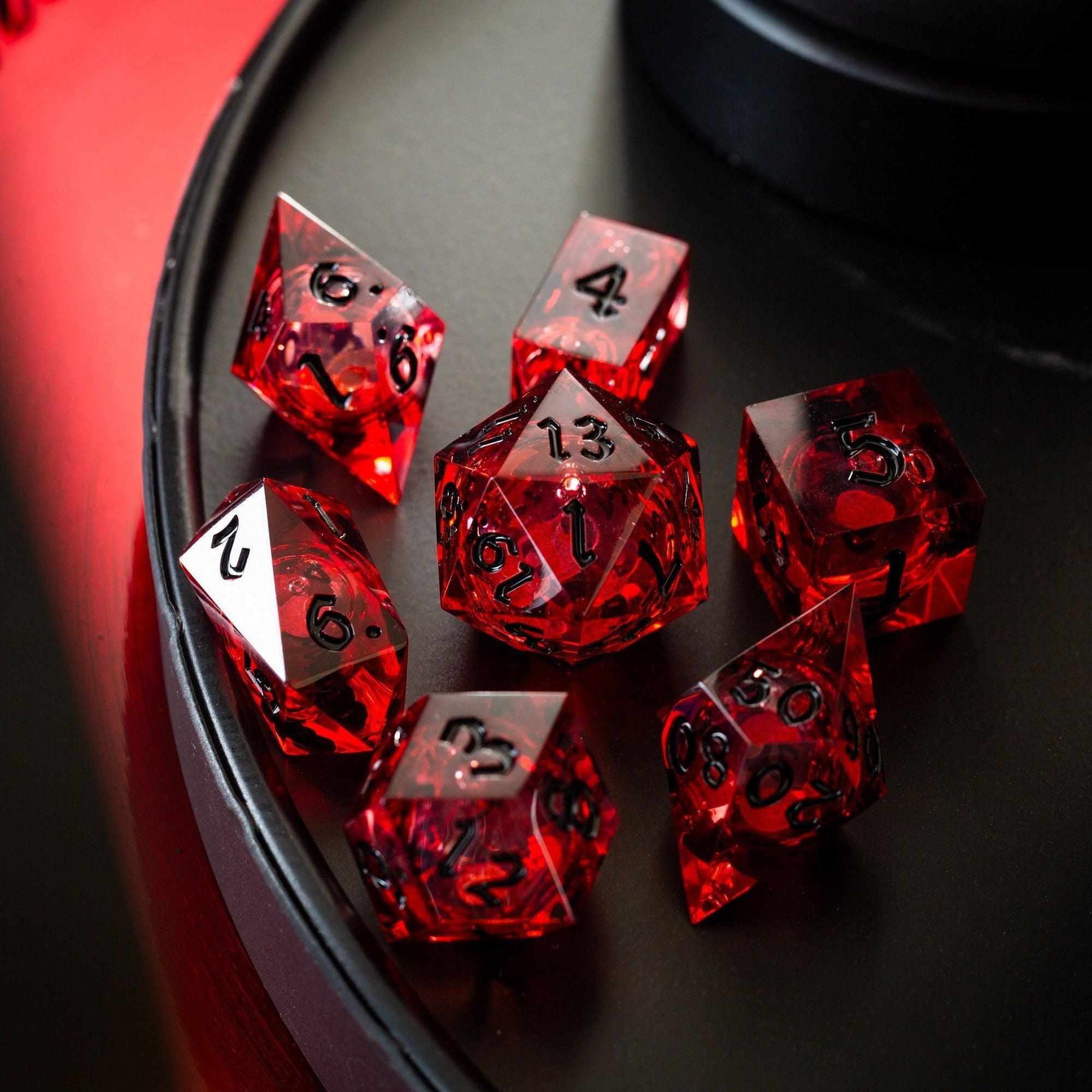
For those looking to enhance their gaming sessions, explore gemstone dice collections that bring beauty and quality to every roll. Whether you're rolling for initiative or making a crucial saving throw, the right dice set can elevate your entire experience. And if you're seeking premium handcrafted options, handmade resin dice sets offer stunning visual appeal alongside reliable performance.
Now get out there and start creating. Your next favorite character is waiting to be born.

Leave a comment
This site is protected by hCaptcha and the hCaptcha Privacy Policy and Terms of Service apply.