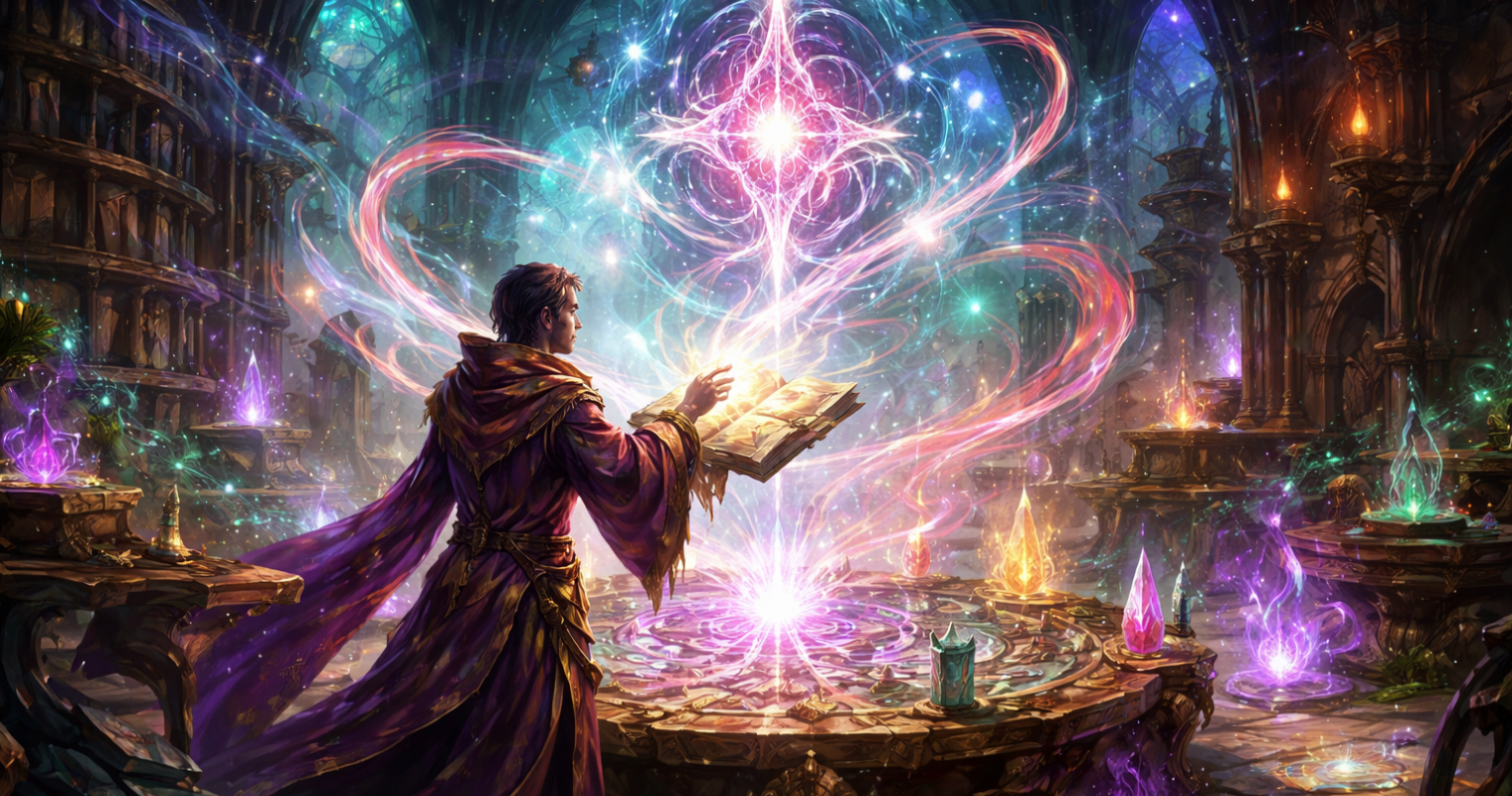
How to Create Custom RPG Spells: A Practical Guide for Balanced Magic

Creating your own magic is one of the most rewarding parts of tabletop roleplaying games. Whether you're a player dreaming up a signature spell for your wizard or a Dungeon Master building a unique magical tradition, custom spell design can make a campaign feel truly personal.
The best homebrew spells do more than deal damage. They tell stories, reveal character personality, and create memorable moments that players talk about long after the adventure ends.
The challenge is creating custom magic spells that feel exciting without disrupting game balance. In this guide, you'll learn practical spell design principles that work across many fantasy RPG systems, helping you create flavorful and balanced magic for your table.
Why Create Homebrew Spells?
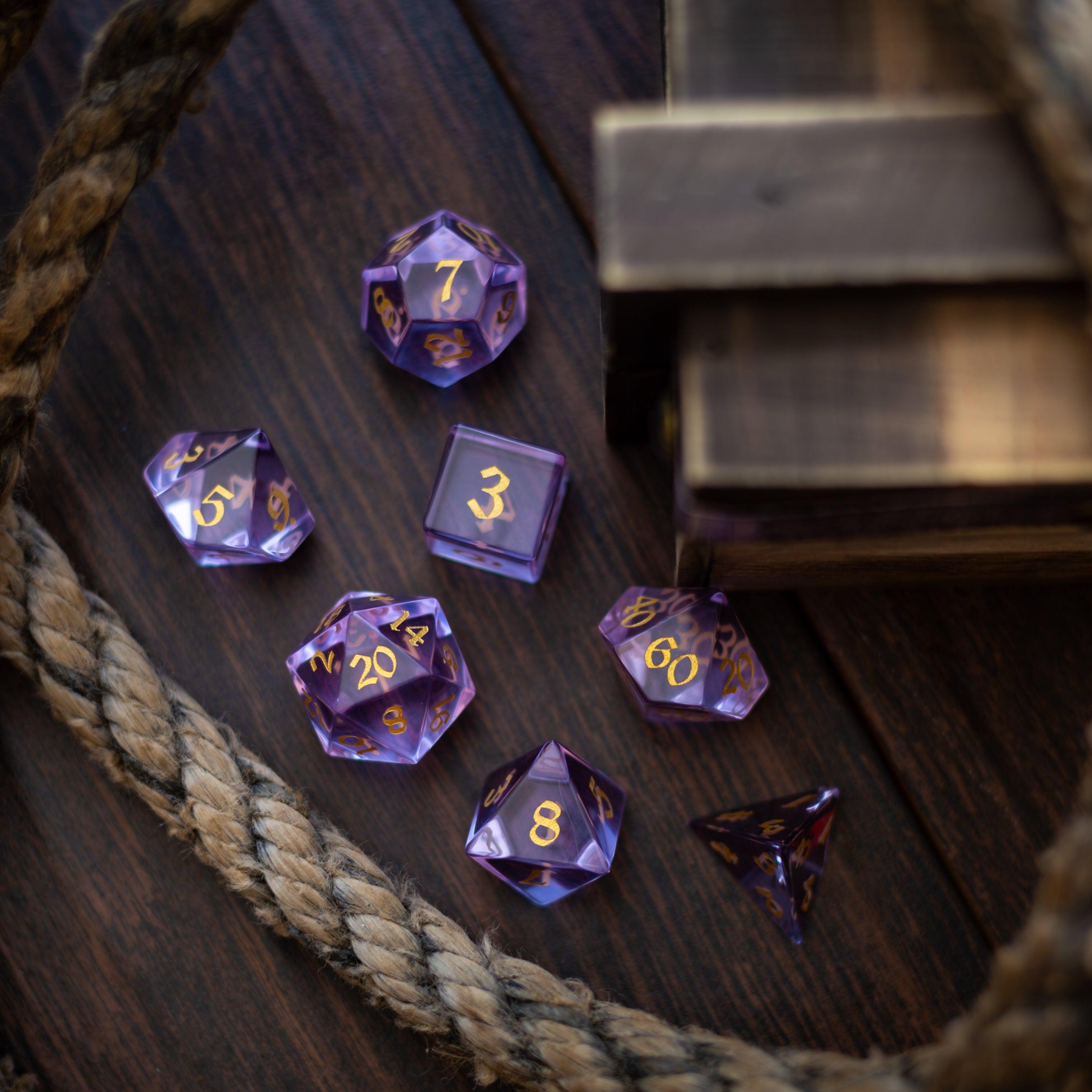
Many players eventually reach a point where existing spells no longer capture the exact magical identity they imagine for their character. That's where homebrew magic becomes valuable.
Creating original spells allows you to:
- Customize your character's magical style
- Expand worldbuilding opportunities
- Create unique magical traditions
- Support storytelling goals
- Introduce memorable campaign moments
- Explore new fantasy spell ideas
For Dungeon Masters, custom spells can help distinguish magical cultures, ancient civilizations, secret orders, or forgotten schools of magic within the world.
A shadow mage's spellbook should feel different from that of a celestial scholar or elemental researcher. Custom spell design helps create those distinctions.
Start With a Clear Spell Concept
One of the most common mistakes in D&D spell creation is focusing on mechanics before concept.
Before considering damage numbers or durations, ask yourself:
What Is the Theme?
Examples include:
-
Shadow manipulation
-
Frost magic
-
Dreamwalking
-
Crystal magic
-
Celestial energy
-
Nature spirits
What Is the Purpose?
Determine the spell's role:
-
Damage
-
Defense
-
Utility
-
Support
-
Battlefield control
What Does It Look Like?
Strong visual identity makes a spell memorable.
Instead of saying:
"A spell that blinds enemies."
Try:
"Living shadows burst from the caster's hands and wrap around a target's eyes."
The mechanics may be identical, but the second version creates a stronger image in players' minds.
Understanding Spell Balance
Balance is the foundation of every successful spell design guide.
A spell does not need to be powerful to be exciting. In many cases, creative utility is more memorable than raw damage.
Consider Damage Expectations
When designing offensive spells, compare them to existing spells of similar level.
Ask:
-
Does the damage feel reasonable?
-
Is the area of effect too large?
-
Does it also apply additional conditions?
If a spell deals heavy damage and causes multiple status effects, it may be too strong.
Evaluate Utility Value
Utility spells can become overpowered if they solve too many problems at once.
Good utility spells usually:
-
Address a specific challenge
-
Have clear limitations
-
Encourage creative thinking
Think About Resource Costs
Magic should require meaningful investment.
Possible costs include:
-
Spell slots
-
Limited uses
-
Material components
-
Concentration requirements
-
Long casting times
Costs help keep powerful effects under control.
Watch Action Economy
A spell that performs several actions simultaneously may become far stronger than intended.
For example, a spell that:
-
Deals damage
-
Knocks enemies prone
-
Creates difficult terrain
might be doing too much for a single action.
Consider Scaling
Many tabletop RPG magic systems allow spells to become stronger as characters advance.
Ask:
-
Does the spell remain useful later?
-
Does scaling become excessive?
-
Will higher-level versions overshadow other options?
Balanced growth is often better than dramatic power increases.
Spell Design Planning Table
Before writing mechanics, organize your ideas.
| Spell Element | Example | Design Purpose |
|---|---|---|
| Theme | Shadow magic | Character identity |
| Level | 3rd-level | Power balance |
| Effect | Temporary blindness | Tactical utility |
| Limitation | Short duration | Prevent abuse |
| Flavor | Living shadows | Narrative impact |
This simple framework helps keep homebrew spells focused and manageable.
Building Different Types of Spells
Different categories of magic require different design priorities.
Offensive Spells
Damage-focused spells are often the easiest to design.
Focus on:
-
Clear damage type
-
Appropriate range
-
Reasonable damage output
-
Distinct flavor
Examples include:
-
Arcane explosions
-
Elemental blasts
-
Necrotic bolts
-
Psychic assaults
Avoid stacking excessive effects onto damage spells.
Utility Spells
Utility magic often creates the most memorable gameplay moments.
Examples include:
-
Revealing hidden passages
-
Communicating across distances
-
Manipulating objects
-
Gathering information
These spells encourage creativity and problem-solving.
Defensive Spells
Protection magic helps characters survive dangerous encounters.
Common defensive effects include:
-
Temporary shields
-
Damage resistance
-
Evasion boosts
-
Protective barriers
Defensive spells should feel valuable without making characters impossible to defeat.
Support Spells
Support magic improves teamwork and encourages cooperation.
Examples include:
-
Accuracy bonuses
-
Healing effects
-
Movement enhancements
-
Morale boosts
Strong support spells often create more engaging gameplay than pure damage abilities.
Common Homebrew Spell Mistakes
Even experienced designers occasionally fall into these traps.
Too Much Damage
Many custom spells begin as attempts to outperform existing options.
Instead:
-
Focus on unique effects
-
Add interesting tactical choices
-
Create strong visual themes
Too Many Effects
A spell should usually excel at one thing.
Avoid combining:
-
High damage
-
Multiple status effects
-
Battlefield control
-
Strong utility
all in a single spell.
No Meaningful Drawbacks
Interesting limitations often make spells more memorable.
Examples include:
-
Short range
-
Concentration requirements
-
Rare components
-
Situational usefulness
Copying Existing Spells Too Closely
Inspiration is fine.
Direct duplication with slightly higher numbers is not.
Try changing:
-
Theme
-
Delivery method
-
Target type
-
Narrative role
This creates originality while preserving balance.
Playtesting Custom Magic
No spell is perfect on the first draft.
Playtesting is one of the most important parts of any D&D homebrew guide.
Test During Real Encounters
Observe:
-
Damage output
-
Player enjoyment
-
Frequency of use
-
Encounter impact
Gather Feedback
Ask players:
-
Did the spell feel useful?
-
Was it fun?
-
Did it feel fair?
-
Was it confusing?
Player feedback often reveals issues designers miss.
Adjust Gradually
Avoid major changes after every session.
Small adjustments help identify what actually improves balance.
Refine Mechanics
After multiple tests, tweak:
-
Range
-
Duration
-
Damage
-
Resource costs
-
Conditions
Many excellent homebrew spells go through several revisions before reaching their final form.
Integrating Custom Spells Into Campaigns
The best custom spells D&D campaigns feature are connected to the world itself.
Consider introducing spells through:
Ancient Spellbooks
Characters discover forgotten magical knowledge hidden within ruins.
Lost Traditions
A nearly extinct magical school preserves unique techniques.
Character Research
Players develop original spells through study and experimentation.
Magical Organizations
Guilds, academies, and secret societies can guard exclusive magical secrets.
These methods make spell acquisition feel meaningful rather than arbitrary.
Making Spells Memorable
The most beloved spells are rarely remembered because of damage numbers.
They're remembered because of identity.
Give your spells:
-
Distinct visuals
-
Strong themes
-
Unique names
-
Story connections
-
Character relevance
A signature spell can become part of a character's legacy.
When players hear the spell's name, they should immediately picture the character who created it.
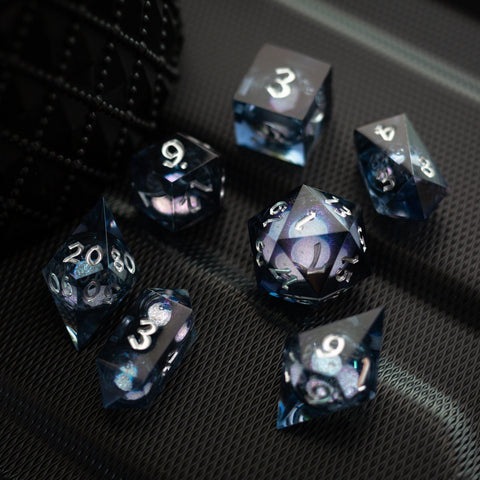
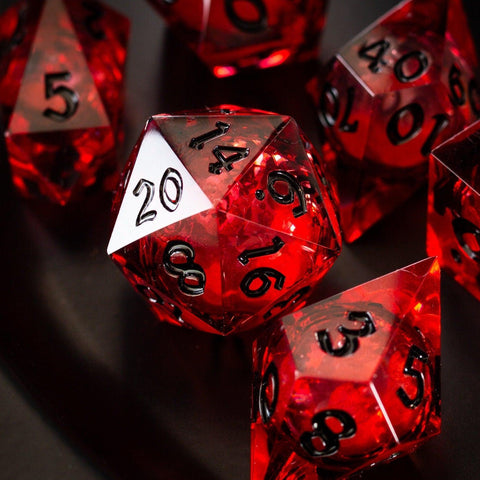
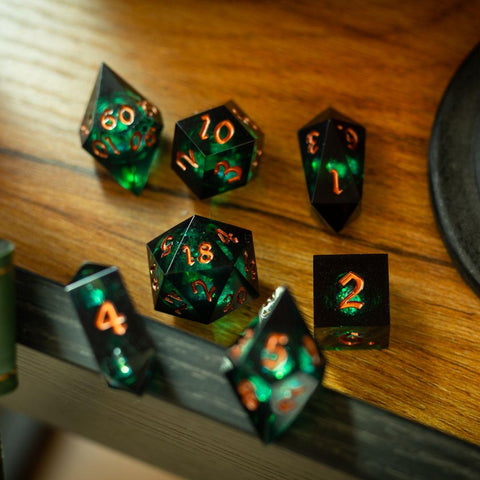
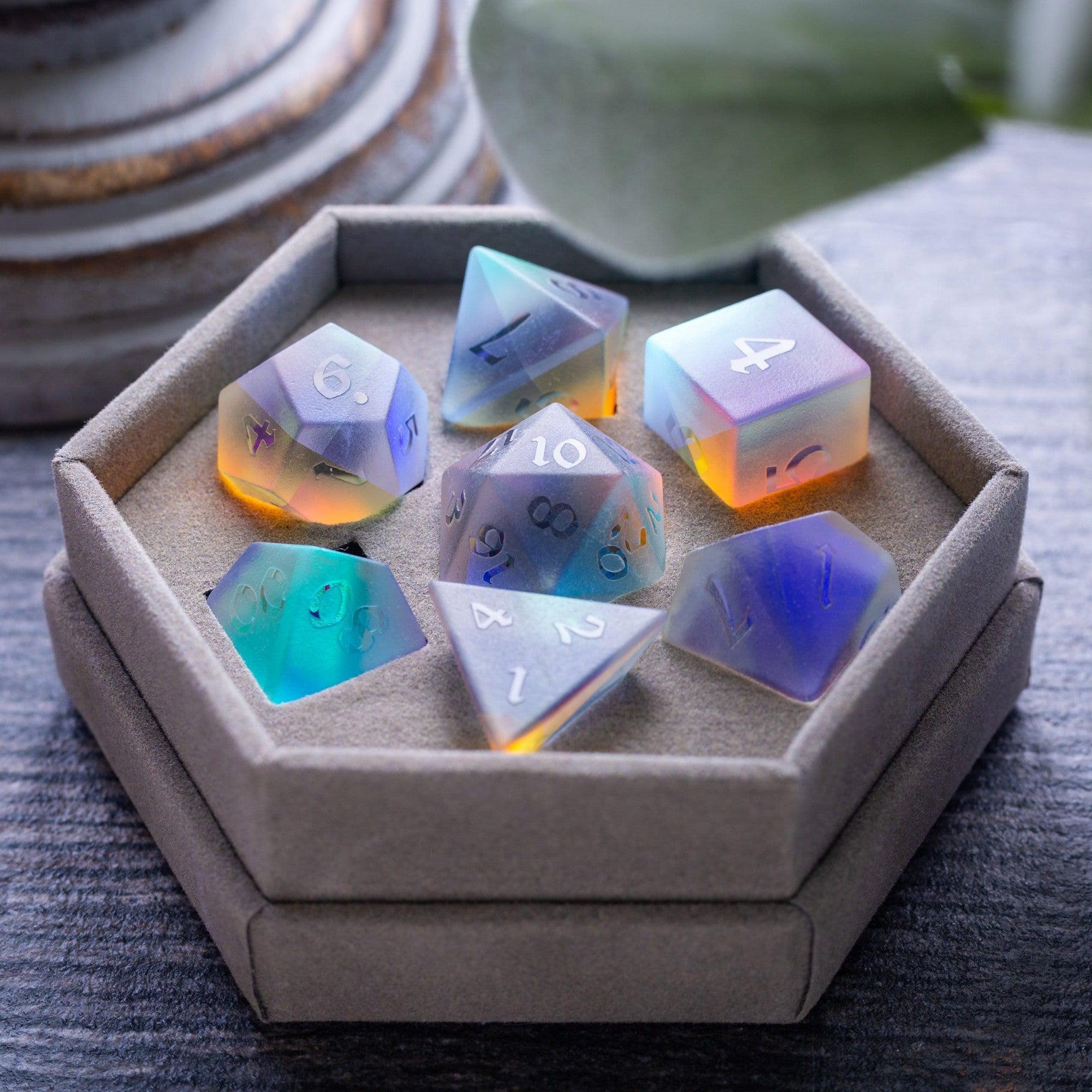
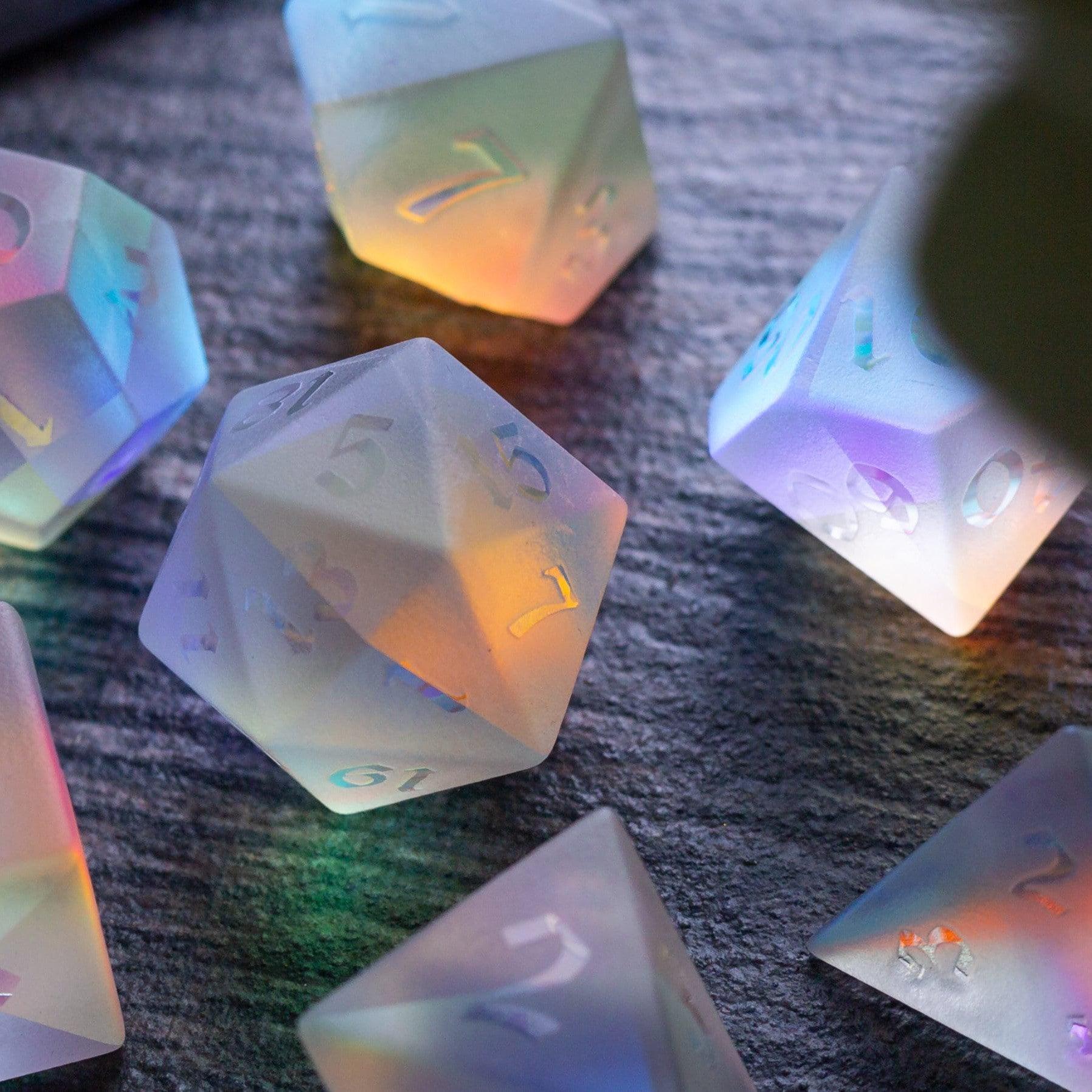
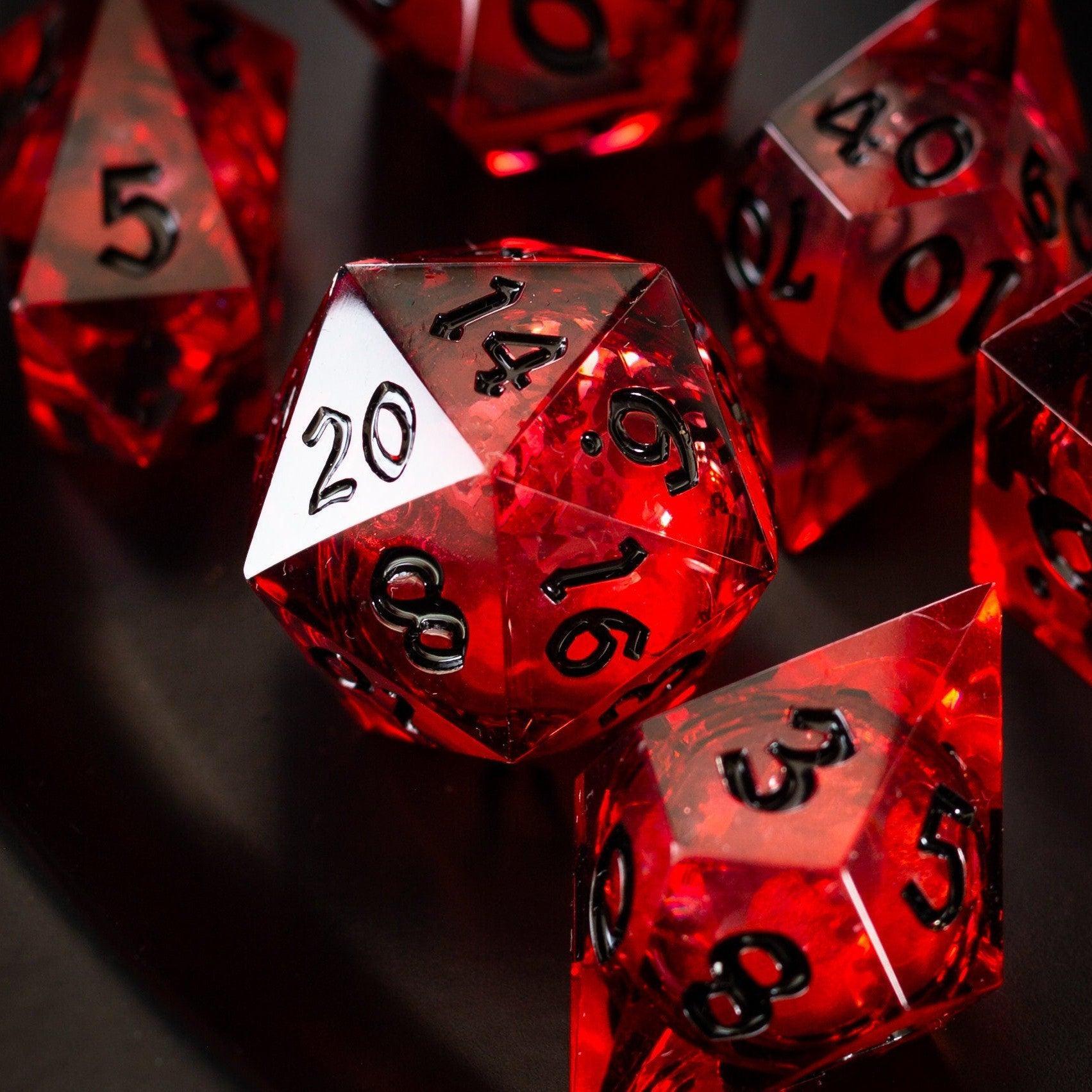
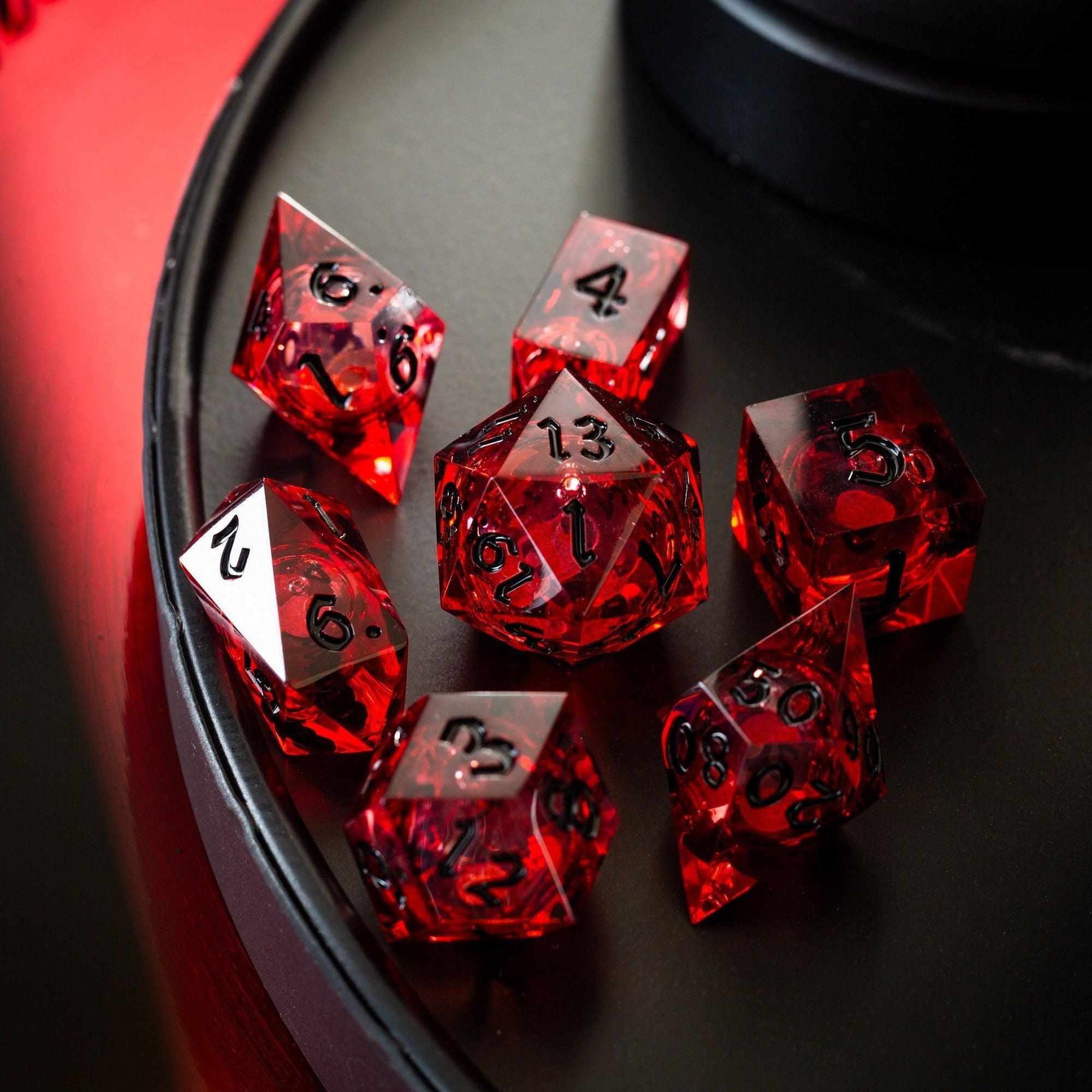
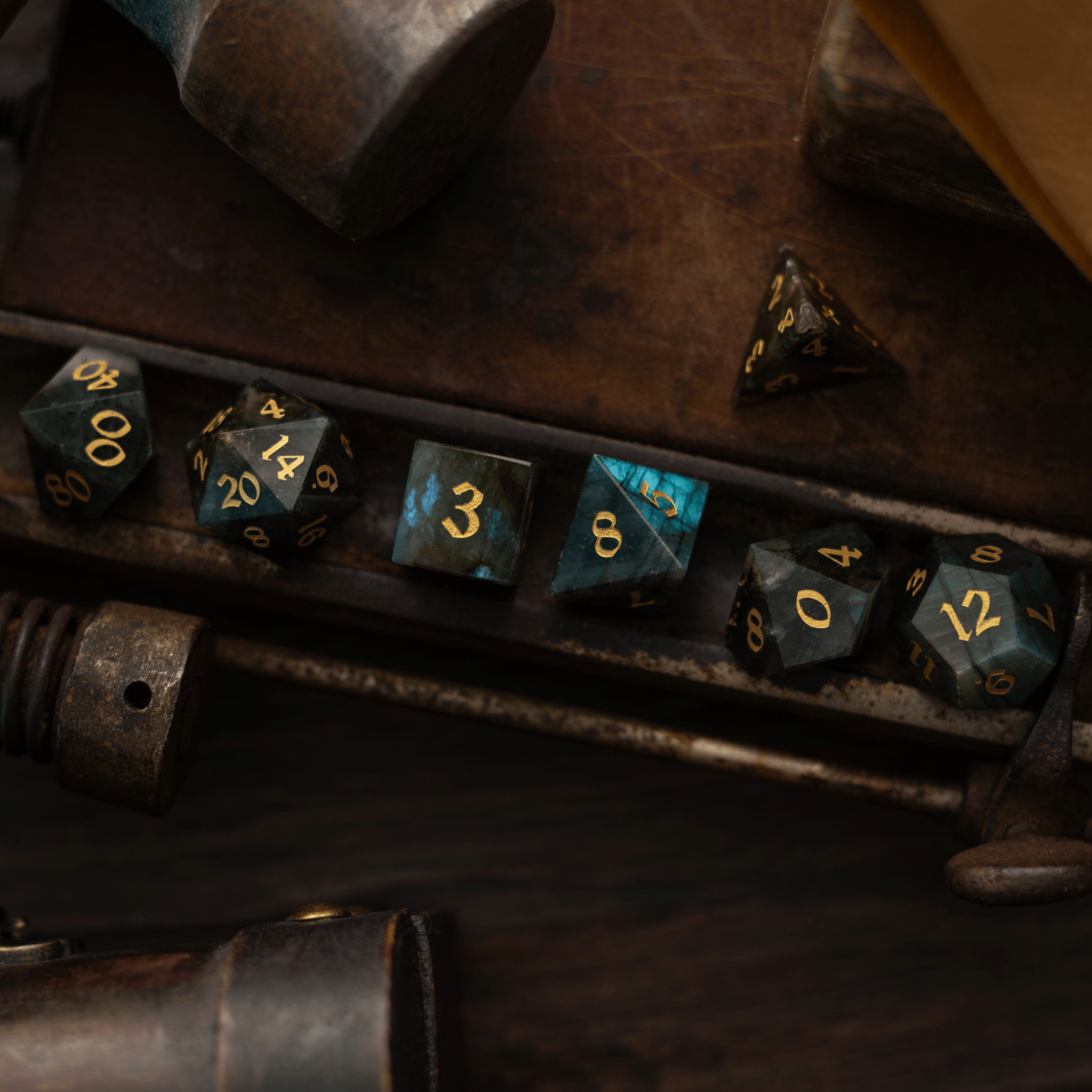
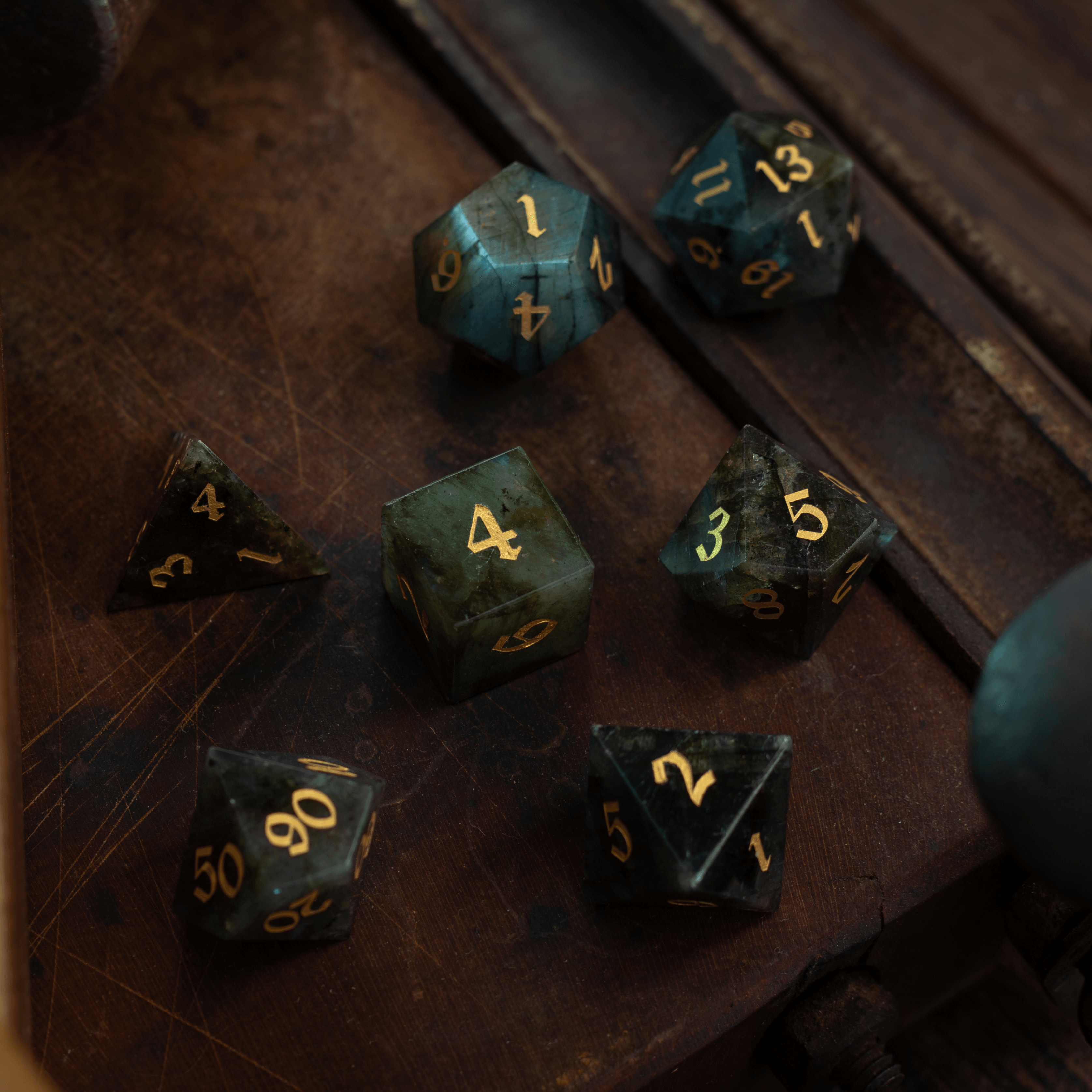
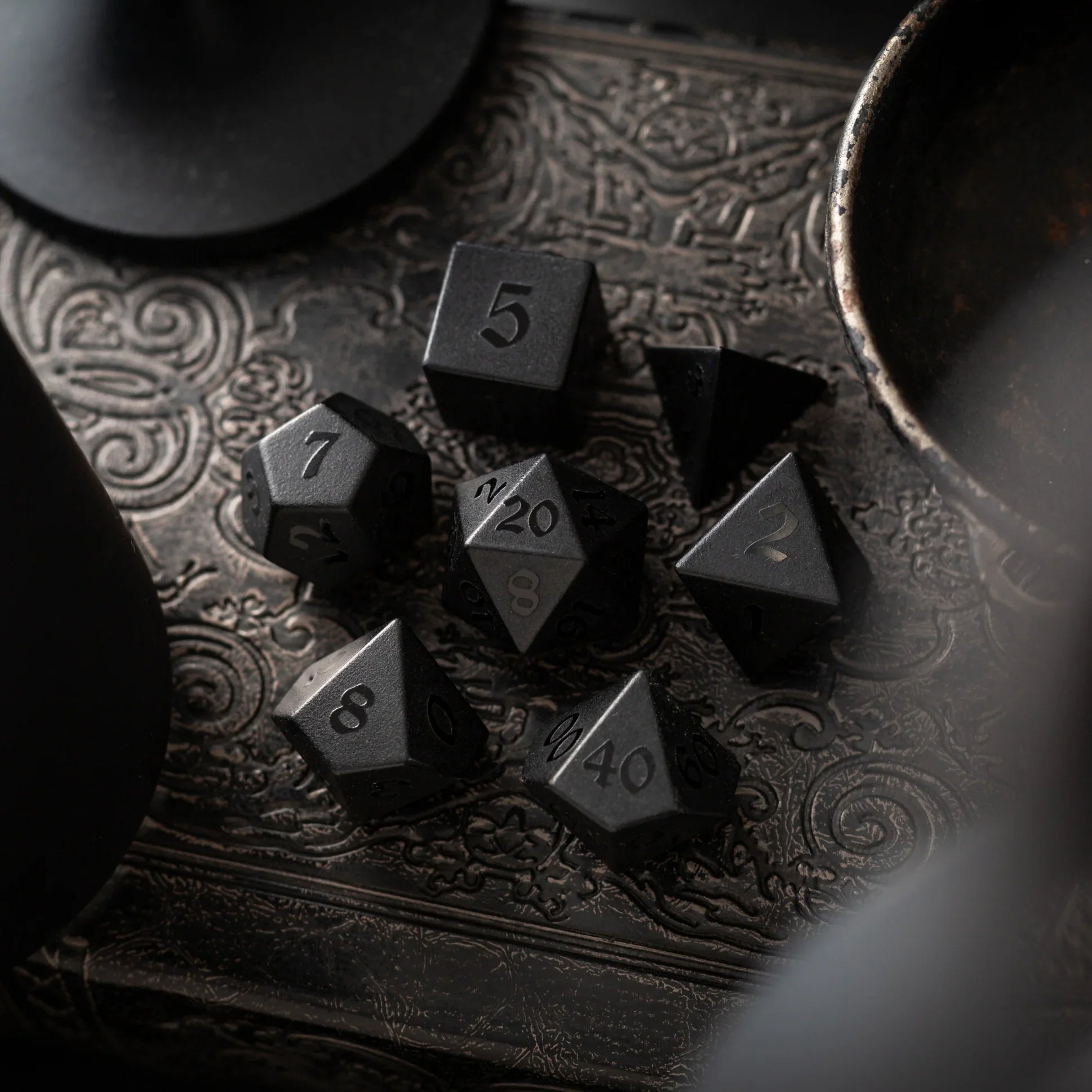
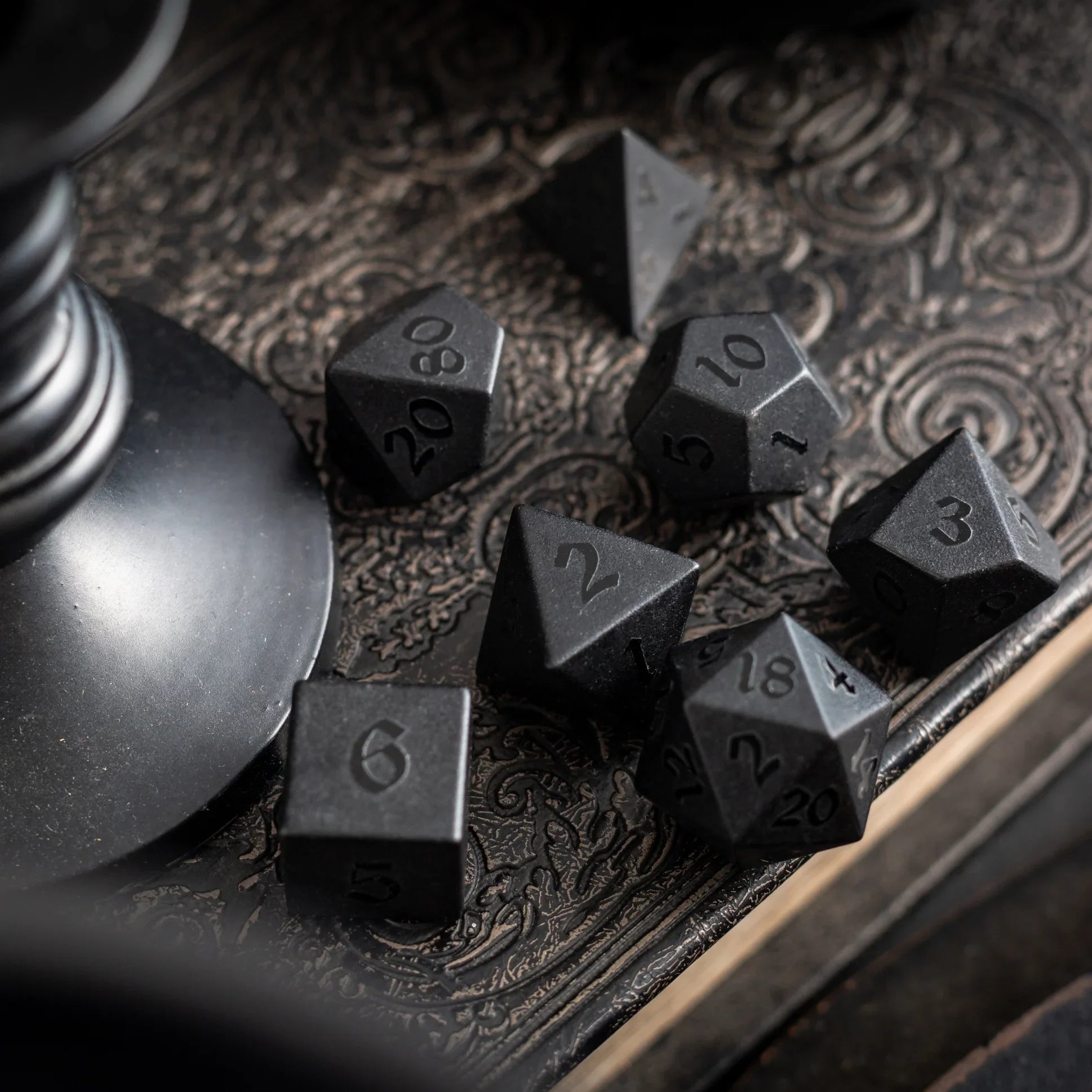
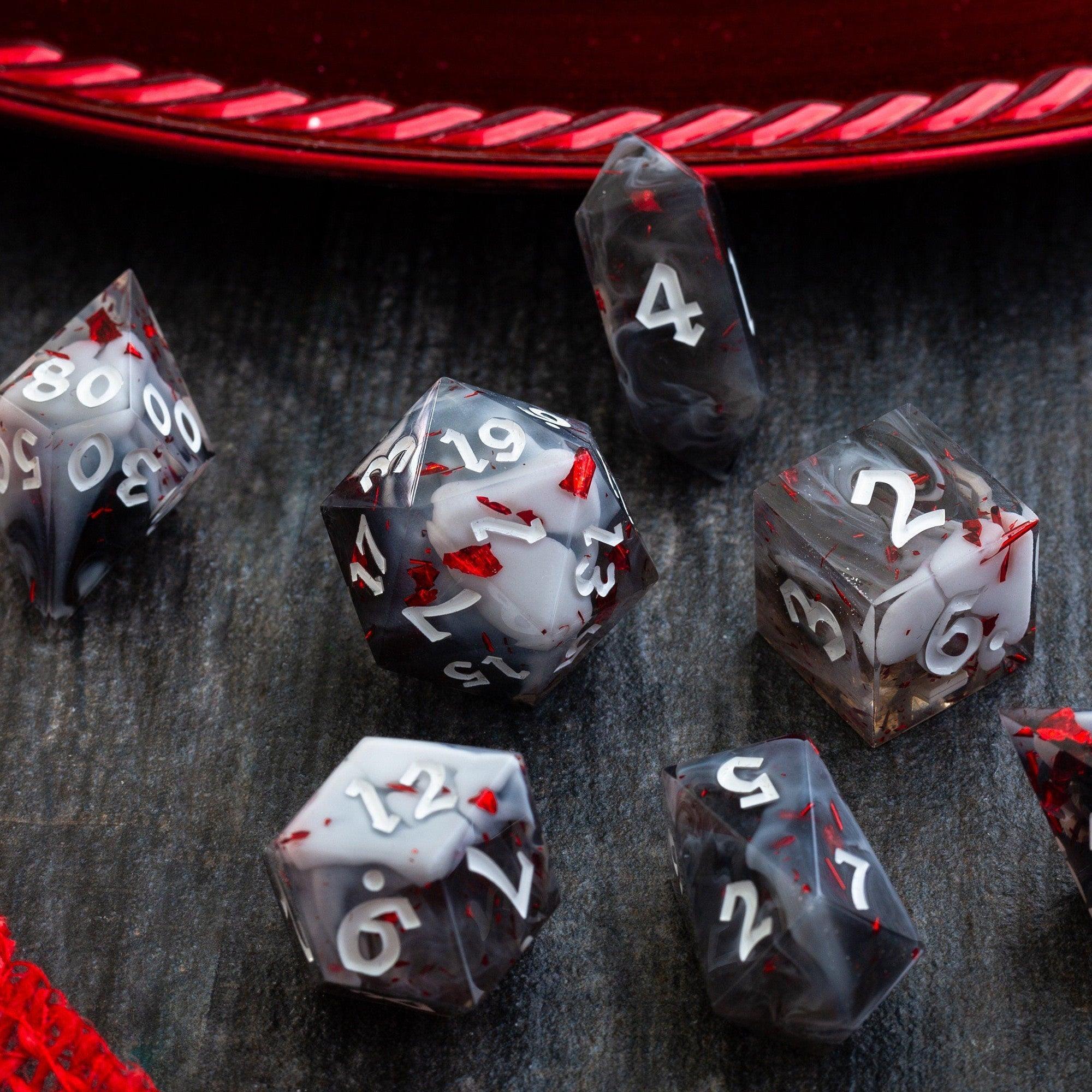
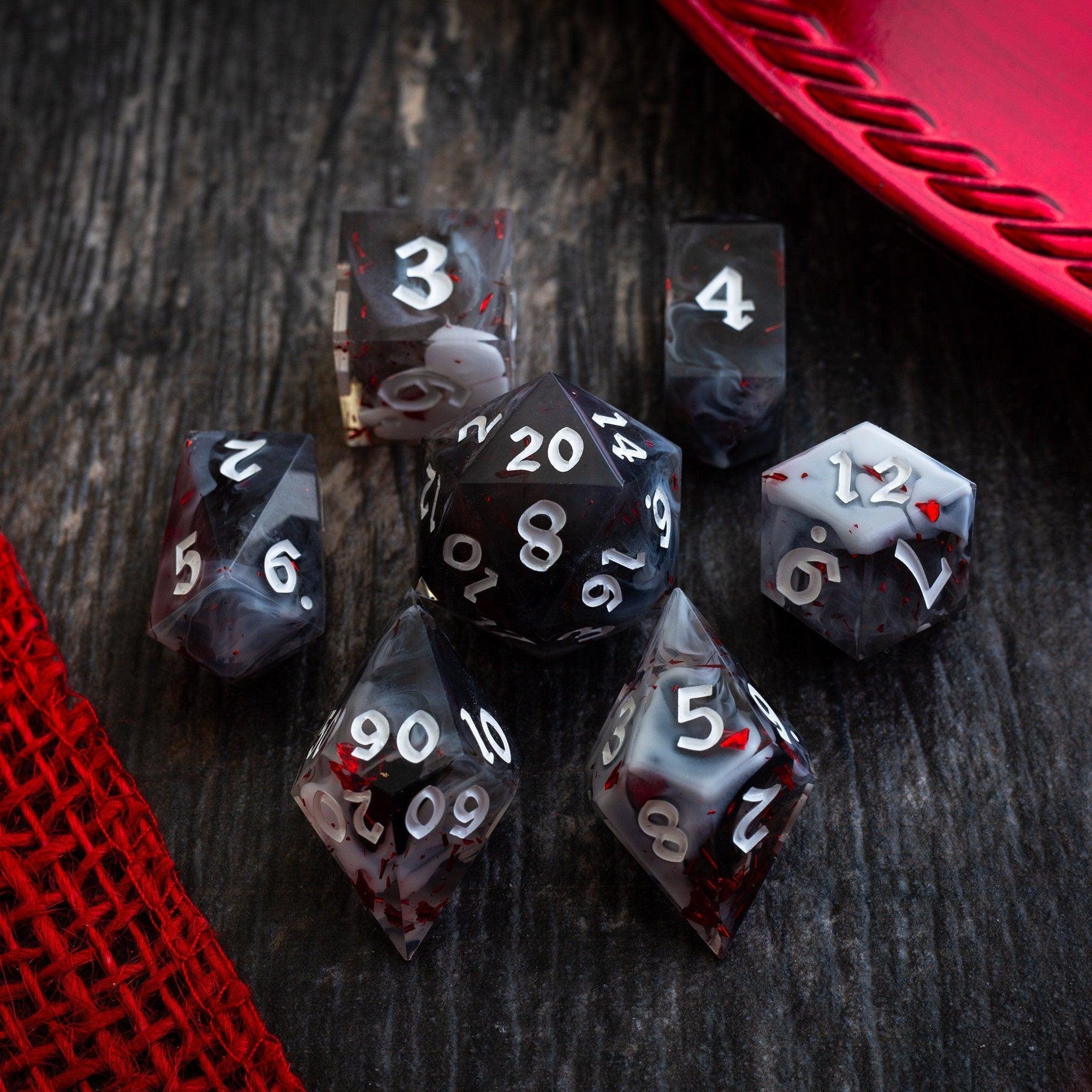
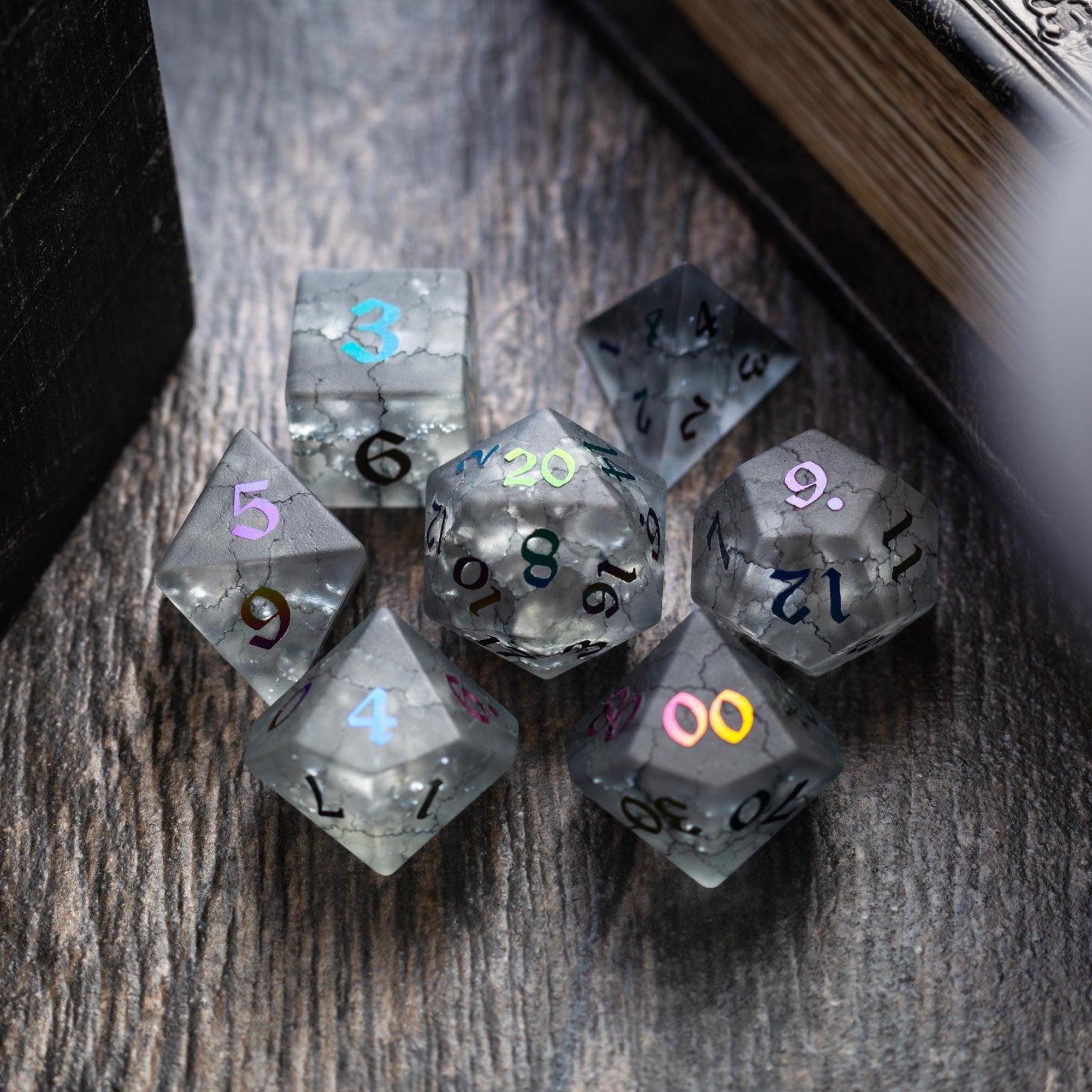
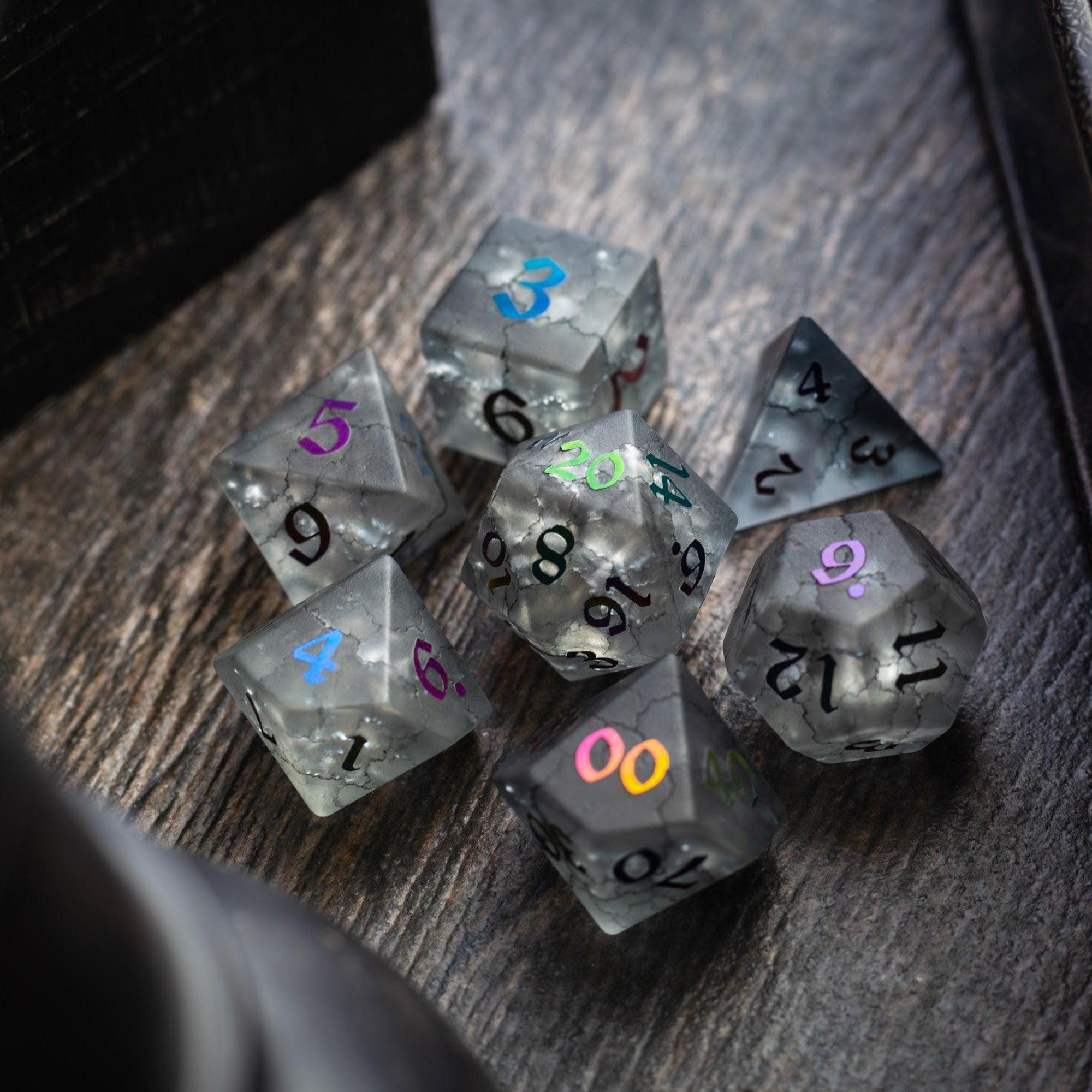
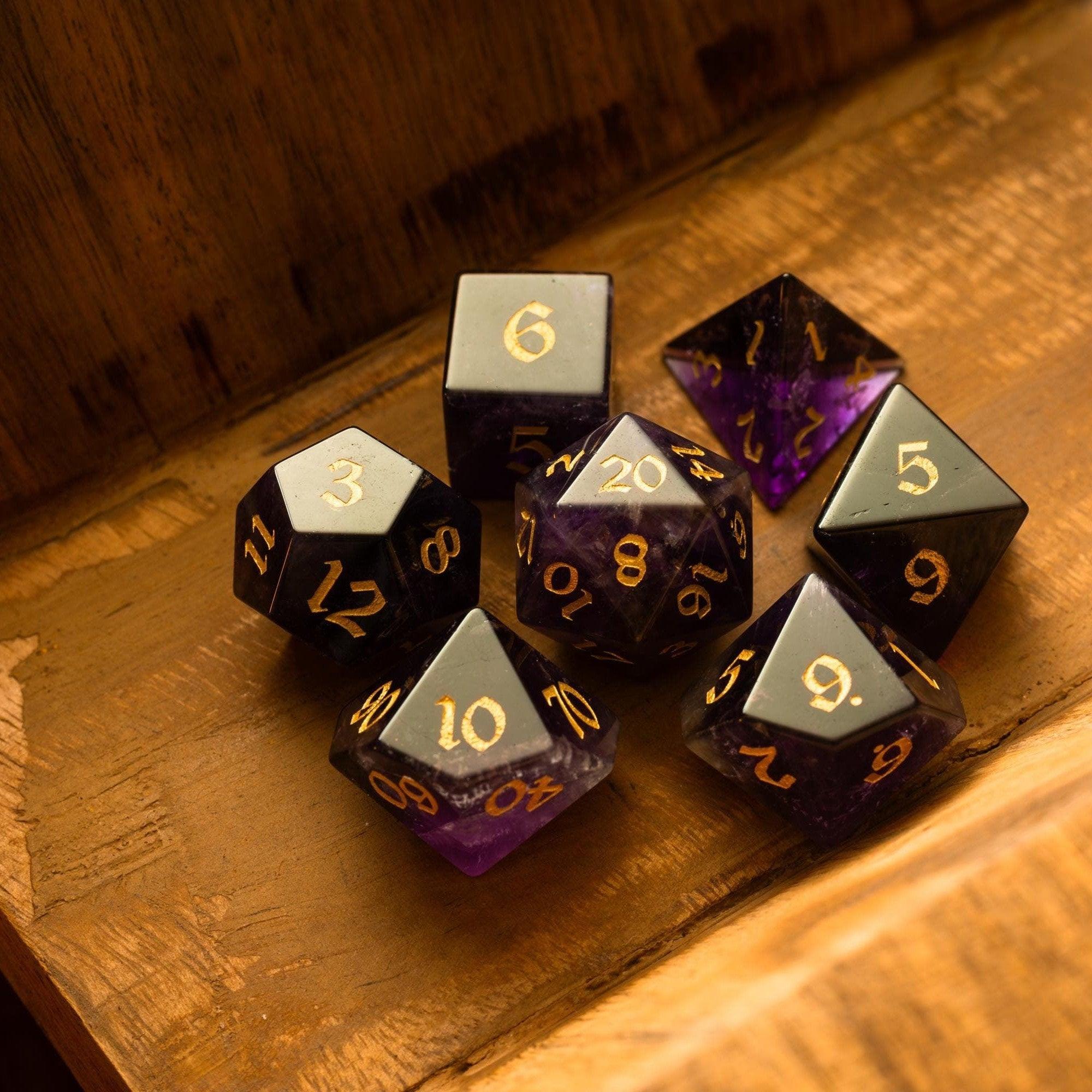
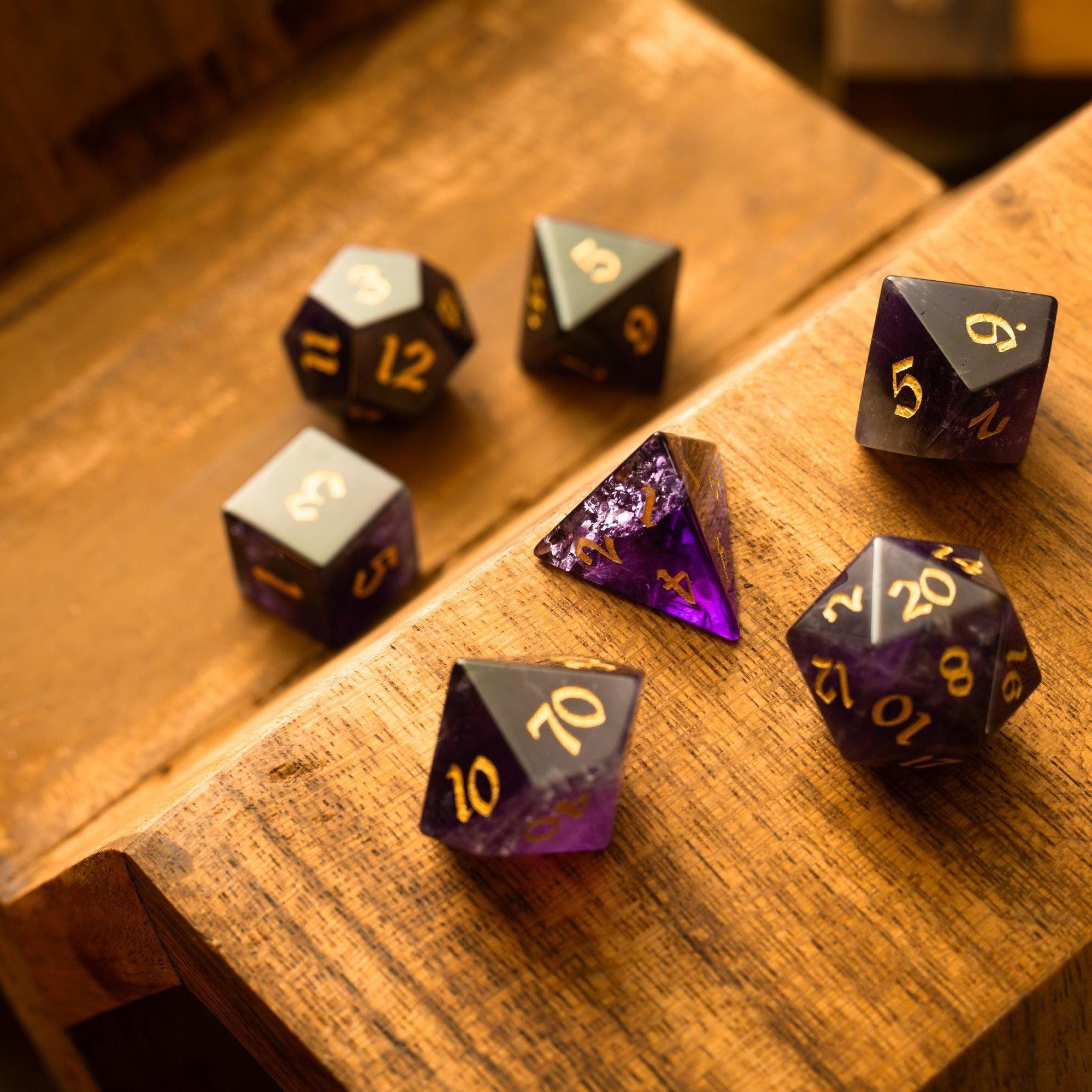
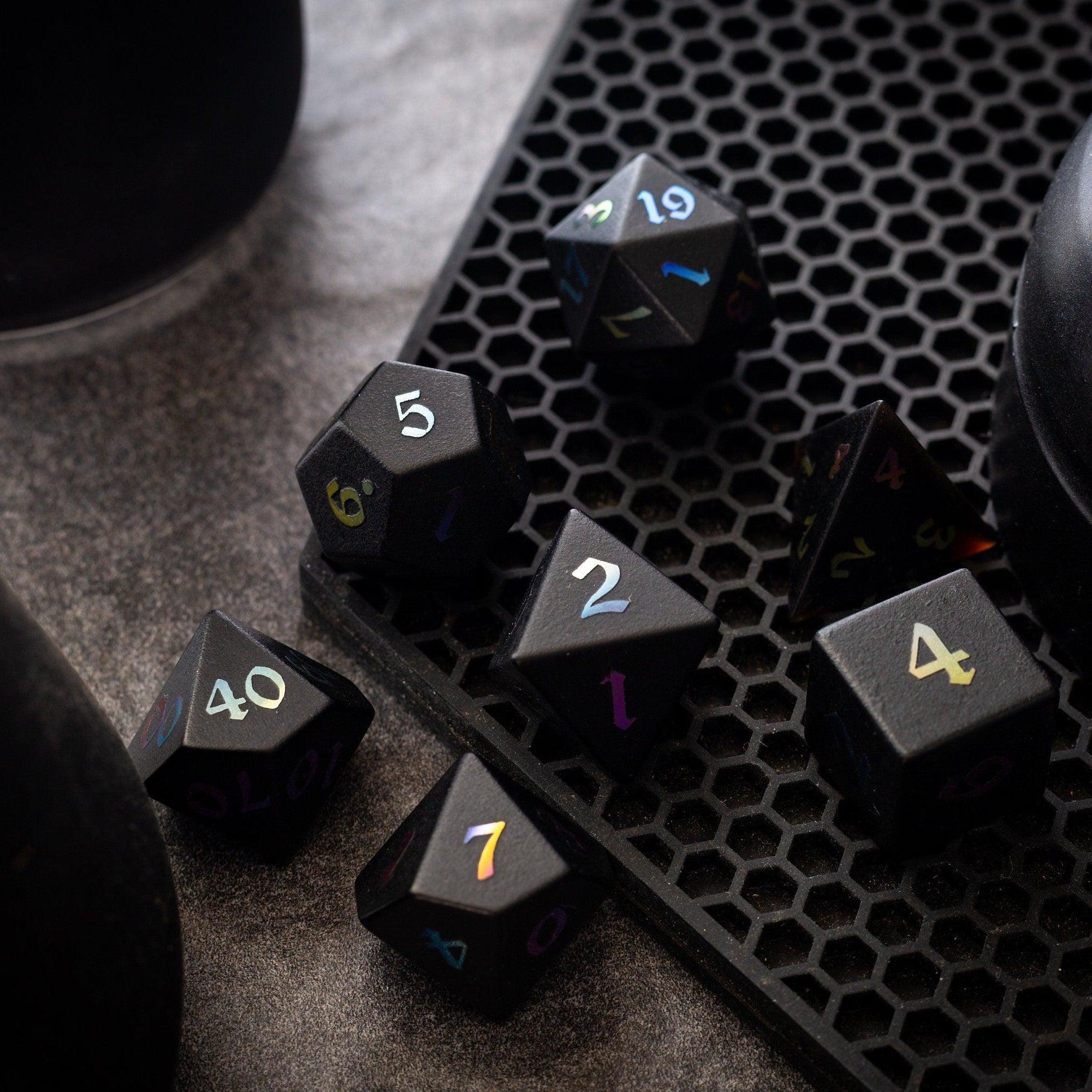
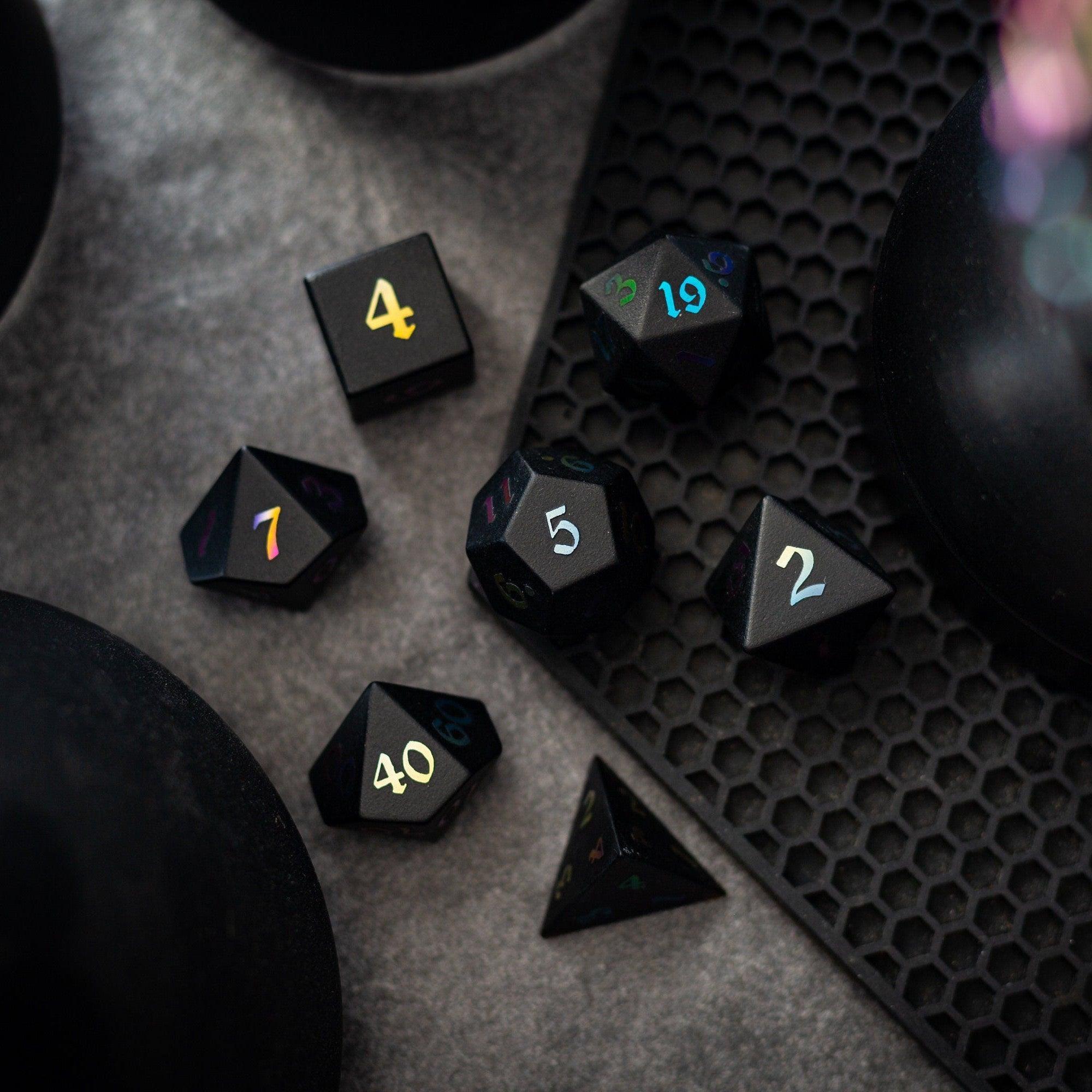
For spellcasting-focused characters, thematic accessories can reinforce that identity at the table. Many players enjoy using gemstone dice for scholarly wizards, liquid core dice for powerful arcane casters, or sharp-edge resin dice that match a custom magical tradition. These small details help bring unique spellcasting concepts to life and add atmosphere during important magical moments.
Conclusion
Creating homebrew magic is one of the most satisfying parts of tabletop RPG design. Whether you're building a new spell for a character or expanding an entire RPG magic system, the goal should never be raw power.
The best custom magic spells enhance storytelling, encourage creative problem-solving, and create memorable experiences for everyone at the table.
Start with a strong concept, keep balance in mind, test your ideas carefully, and focus on flavor as much as mechanics. With a thoughtful approach to D&D spell creation, you'll craft spells that feel unique, fair, and unforgettable parts of your campaign world.

Leave a comment
This site is protected by hCaptcha and the hCaptcha Privacy Policy and Terms of Service apply.