

Crafting Immersive Campaigns in Fantasy Tabletop Gaming
Updated on: 2026-01-30
If you're looking to dive into the world of role-playing adventures, fantasy tabletop gaming offers an incredible escape where imagination meets strategy. Whether you're a complete beginner or returning to the hobby, this guide walks you through everything you need to start your journey. From understanding core concepts to gathering essential gear, you'll discover why millions of players worldwide are captivated by this timeless pastime.
- What is Fantasy Tabletop Gaming?
- Why You Should Start Playing Today
- Essential Gear to Get Started
- Finding Your Gaming Community
- Your First Gaming Session
- Frequently Asked Questions
What is Fantasy Tabletop Gaming?

Fantasy tabletop gaming is a collaborative storytelling experience where players gather around a table to embark on epic adventures together. One person, known as the Game Master or Dungeon Master, acts as the storyteller and referee, while others play as characters in that world. It's not about competing to win, but rather about cooperatively creating a narrative that unfolds based on dice rolls, creative decisions, and character interactions.
The beauty of this hobby lies in its simplicity and depth. You don't need expensive equipment or a high-end computer—just your imagination, some dice, character sheets, and a rulebook. Games like Dungeons & Dragons have become cultural phenomena, but countless other systems exist, each offering unique mechanics and settings to explore.
Unlike video games where the story is predetermined, tabletop adventures are unpredictable. Your character might befriend a dragon instead of fighting it, or accidentally offend a tavern keeper and create an enemy. Every session is genuinely new, shaped by player choices and lucky—or unlucky—dice rolls.
Why You Should Start Playing Today
There's never been a better time to join the community of fantasy tabletop gamers. This hobby offers numerous benefits beyond entertainment. It strengthens friendships, improves creativity, develops problem-solving skills, and provides a judgment-free space for self-expression. Players often report that gaming sessions are among their favorite social activities.
Playing these games encourages collaborative thinking. You'll work with teammates to overcome challenges, strategize together, and celebrate victories as a group. The social aspect is genuinely therapeutic—it's a phone-free environment where people connect meaningfully.
Additionally, fantasy tabletop gaming develops critical thinking. You'll make split-second decisions, consider consequences, and adapt strategies on the fly. Your character might have a backstory involving loss and redemption, allowing you to explore emotions safely. Many players discover aspects of their personalities through their characters that they hadn't recognized before.
Essential Gear to Get Started
Starting your journey doesn't require a massive investment. Here's what you genuinely need:
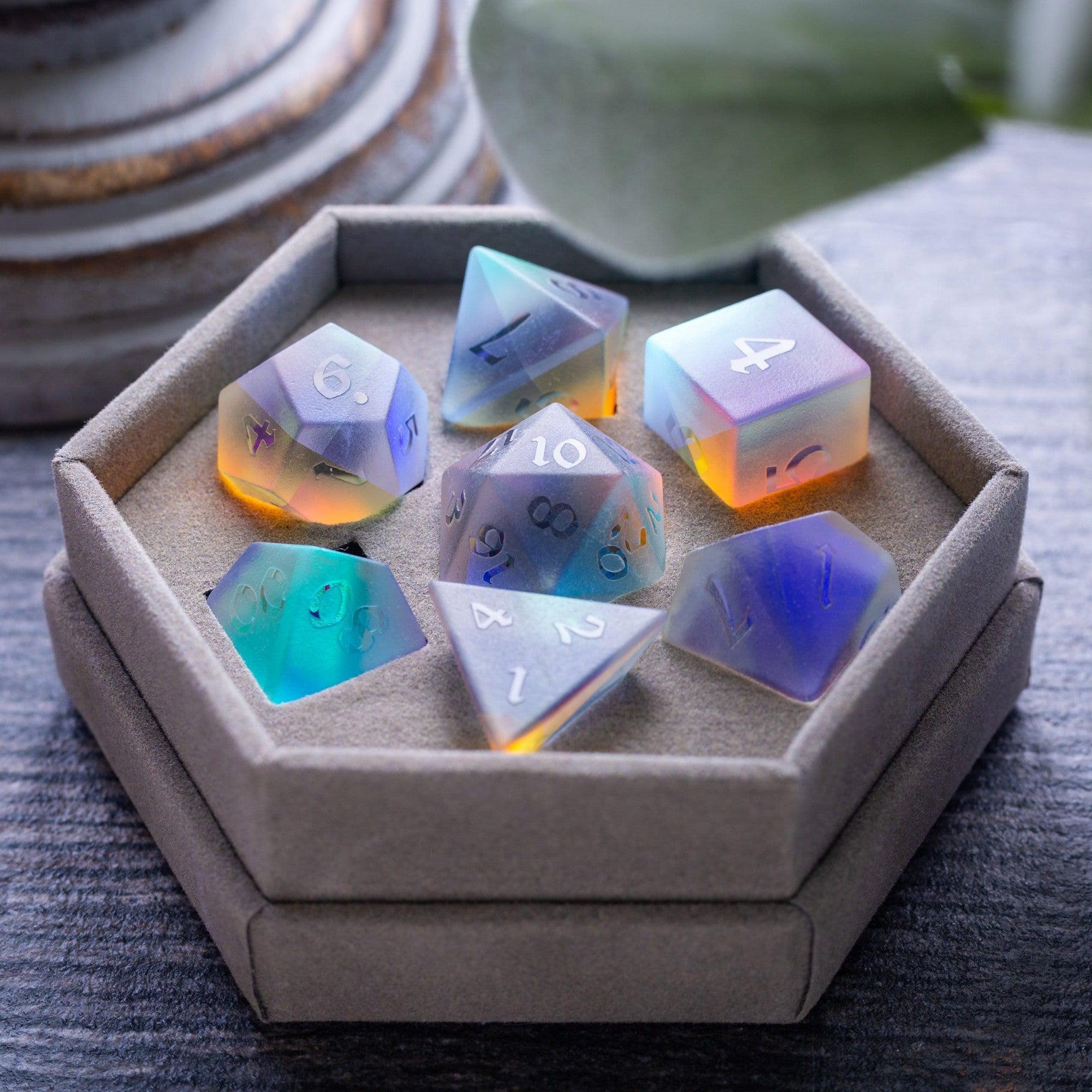
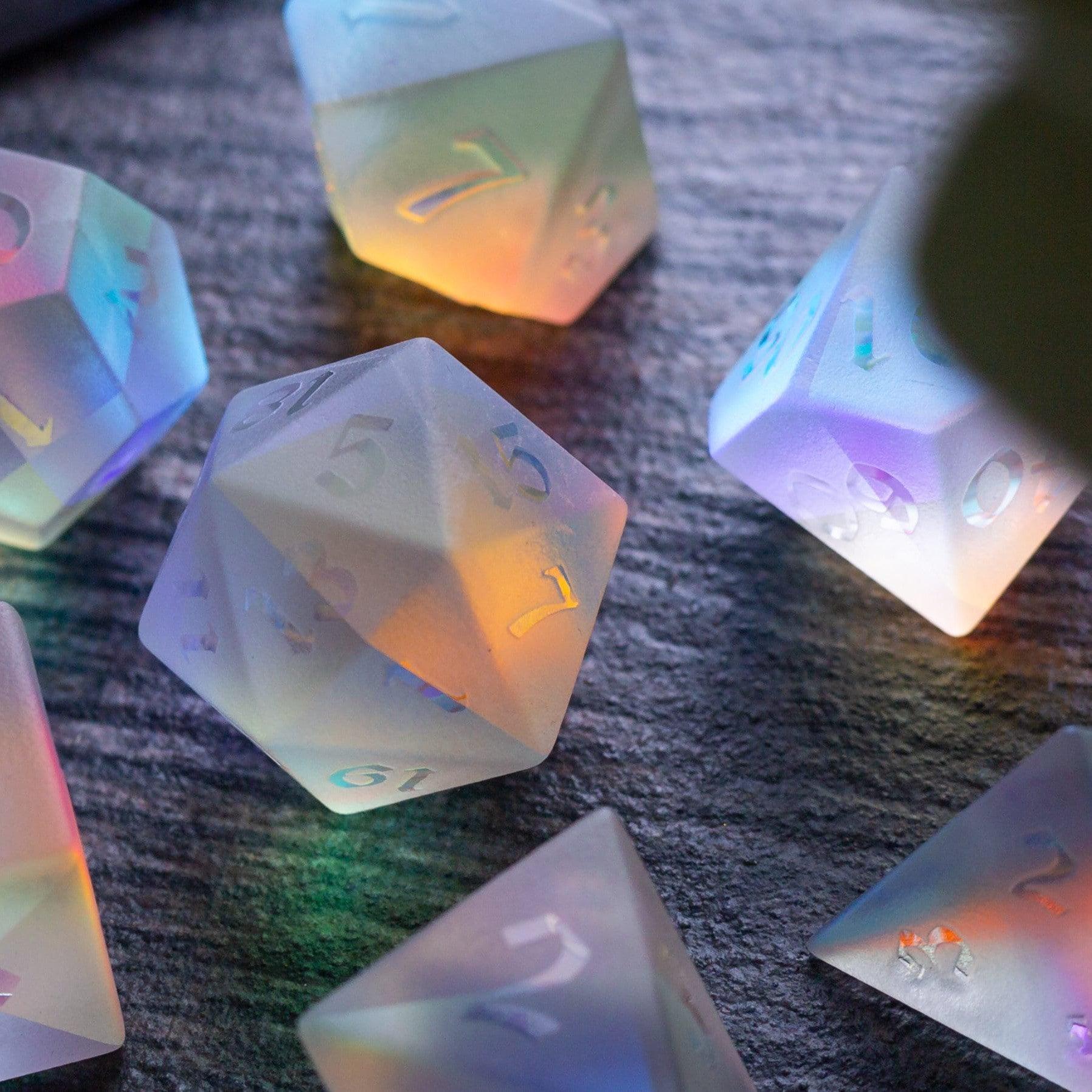
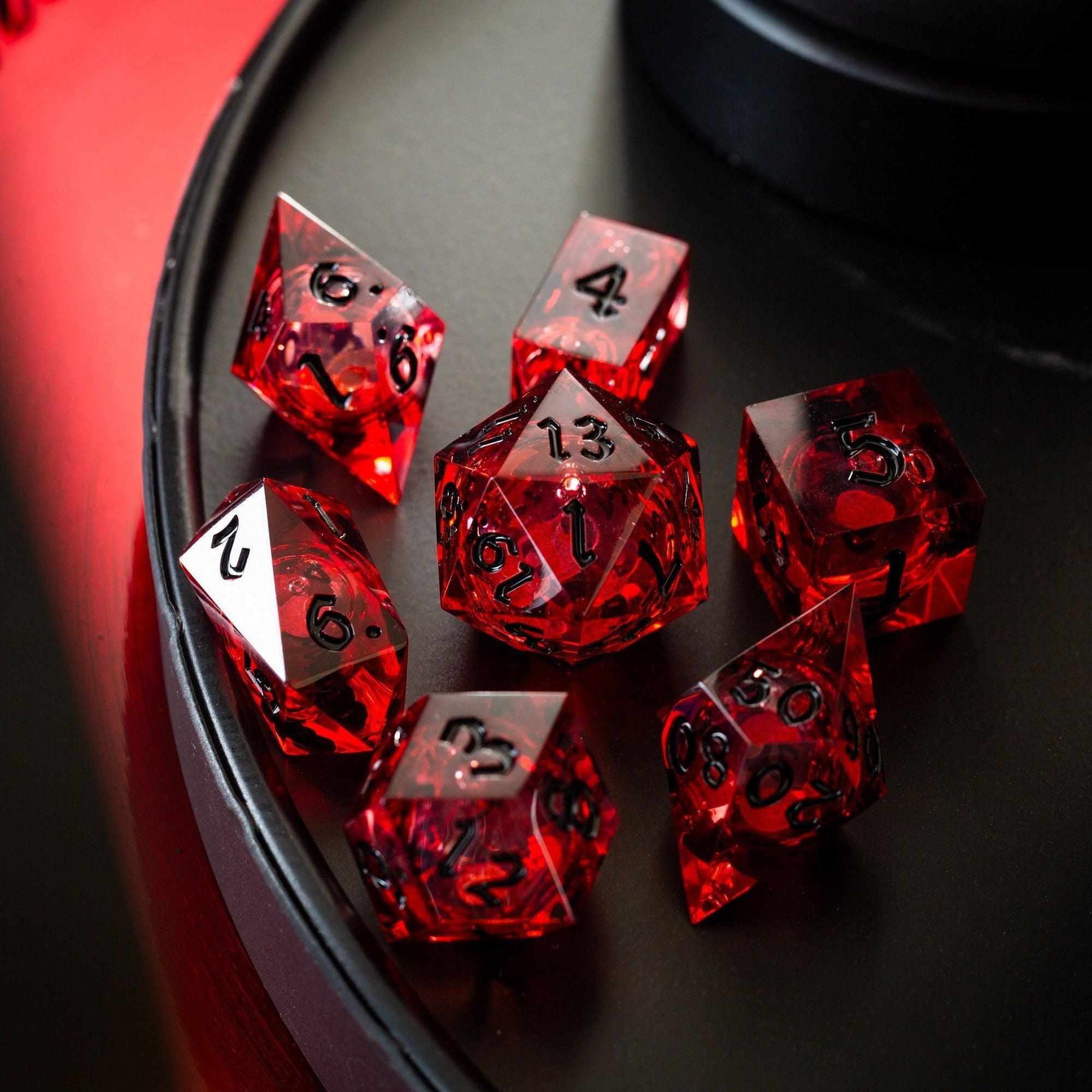
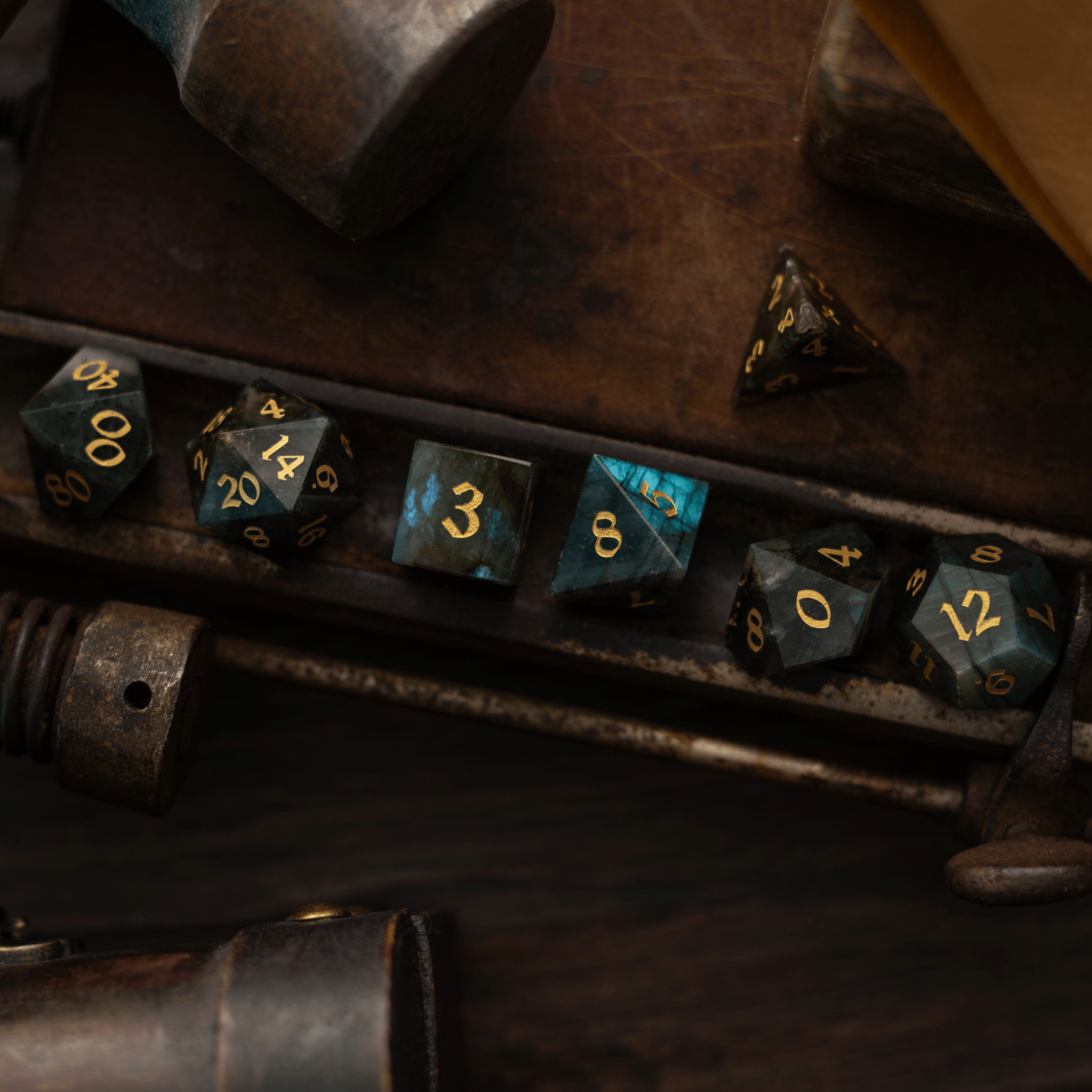
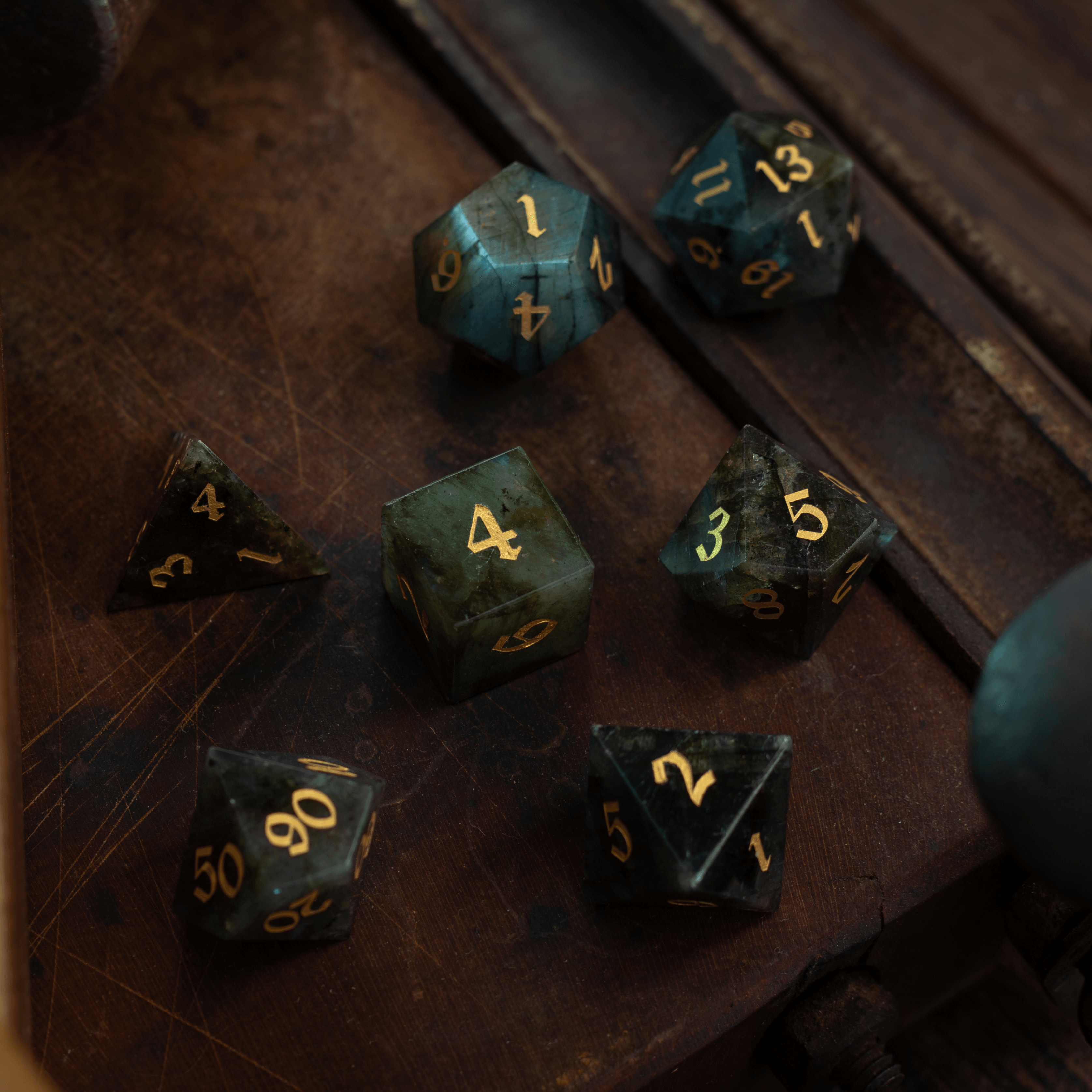
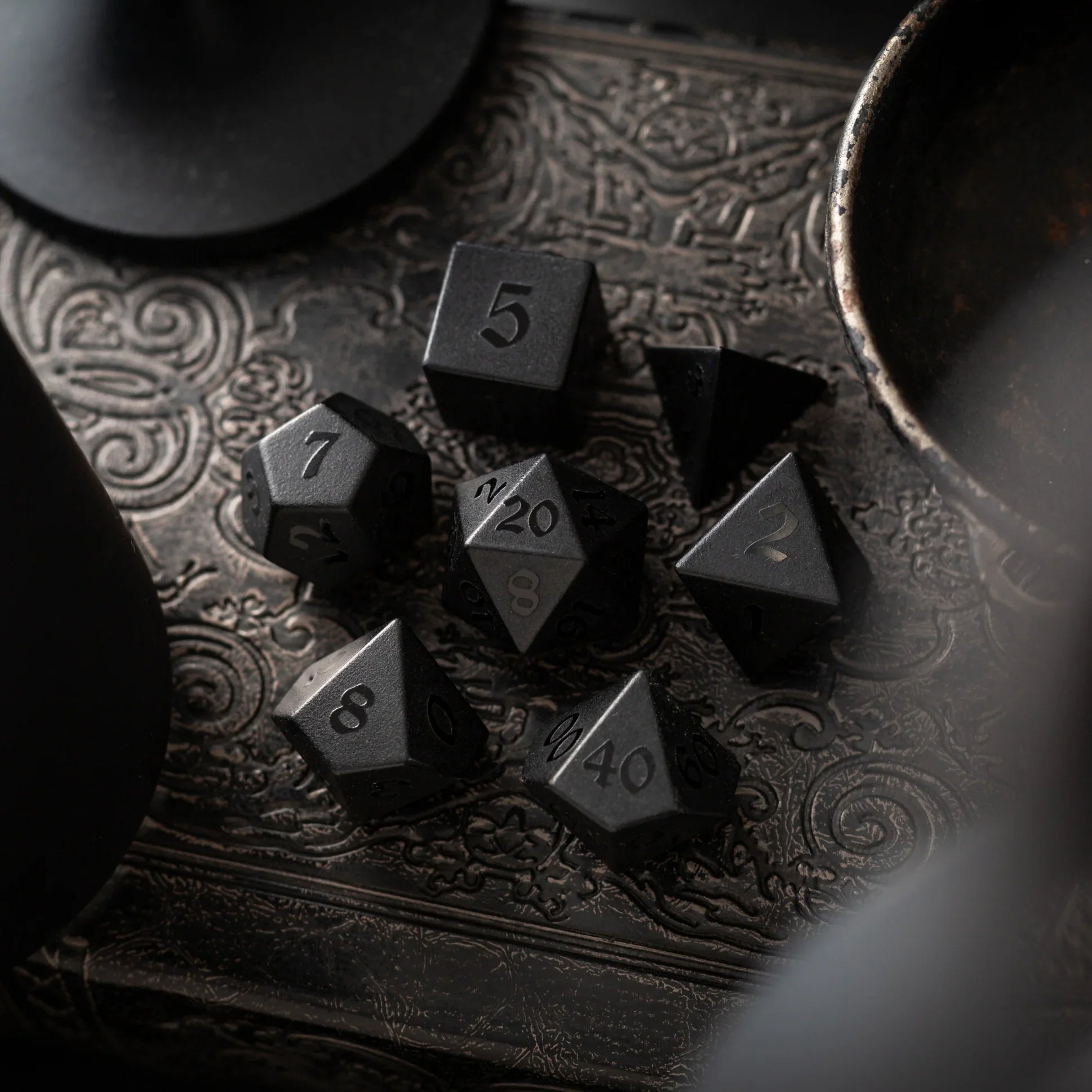
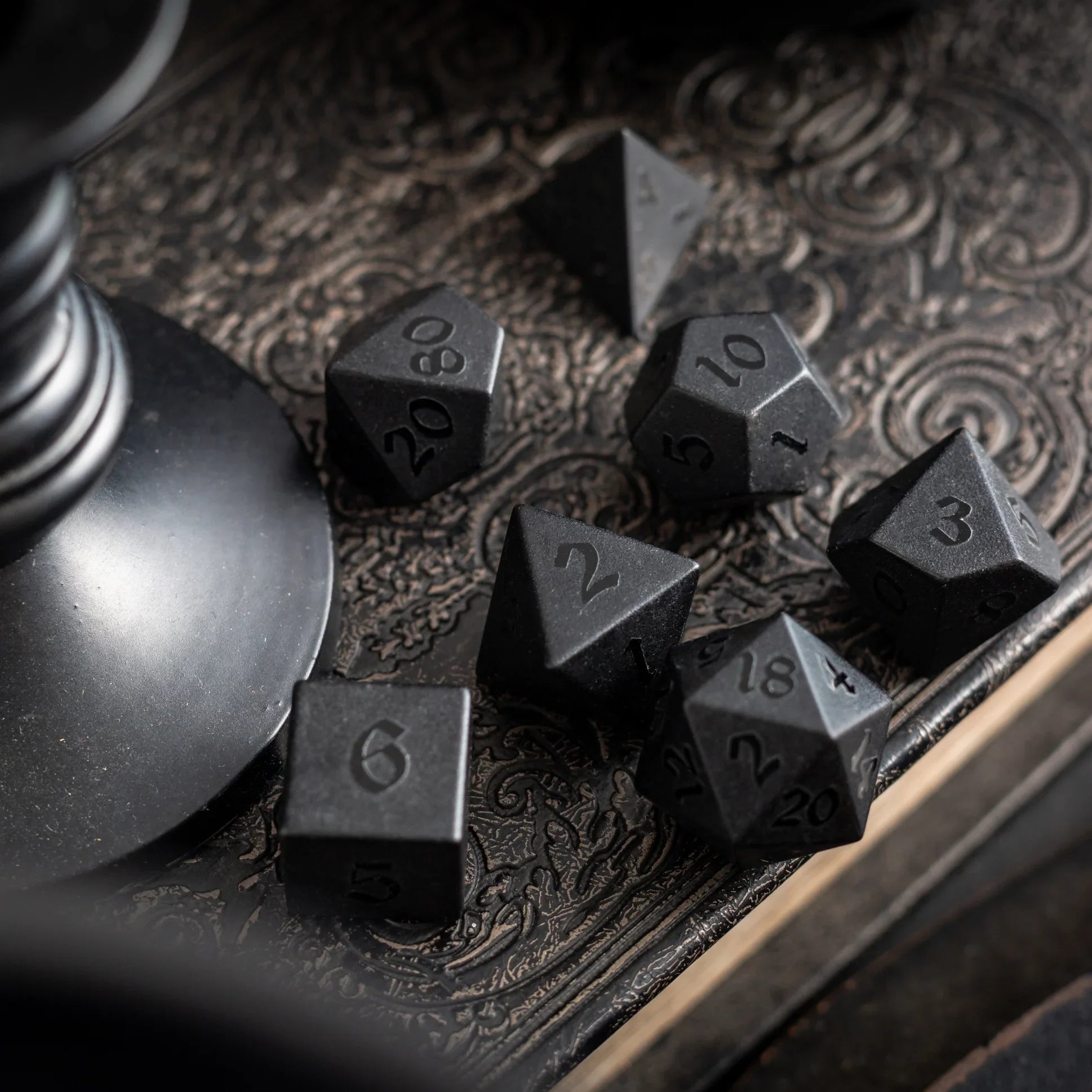
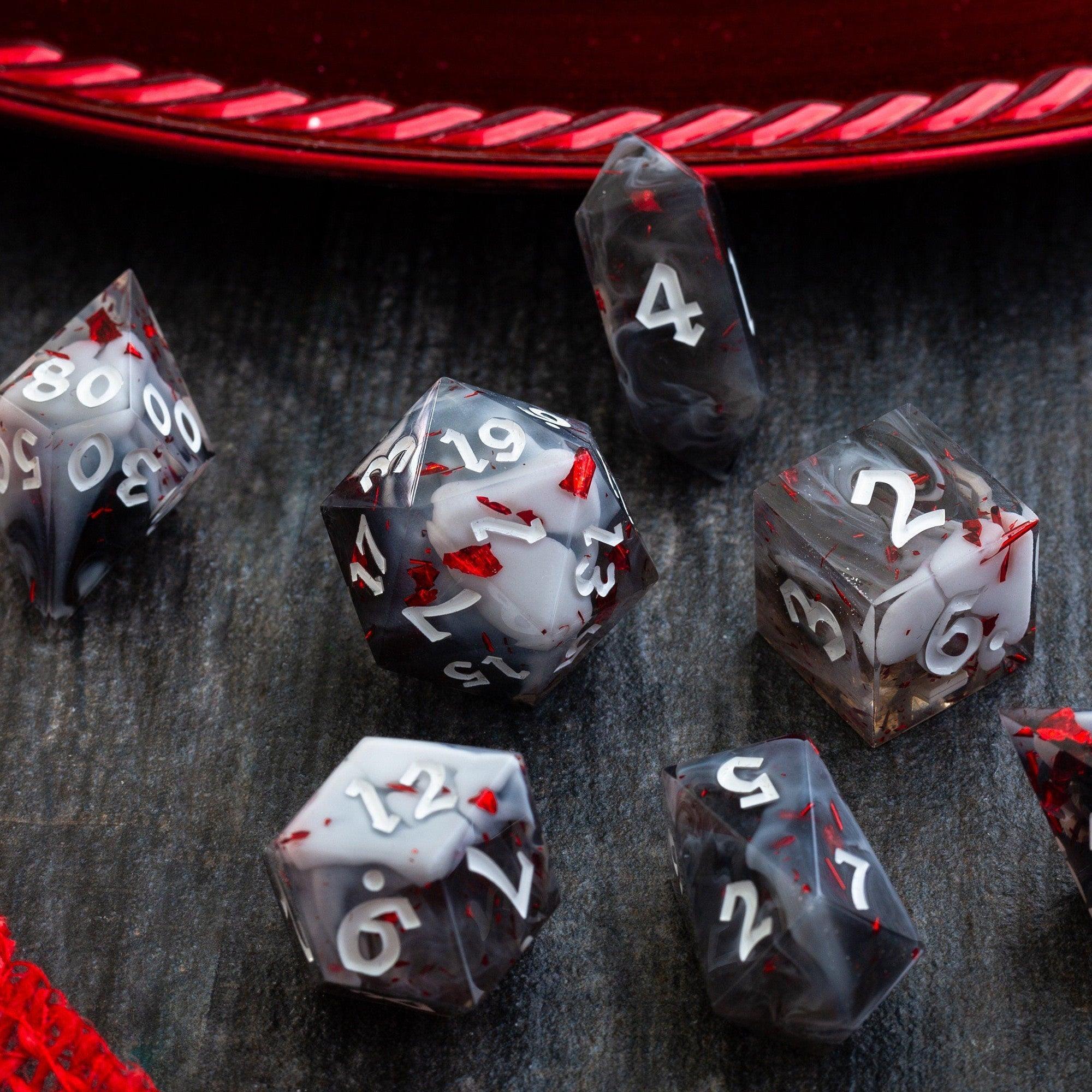
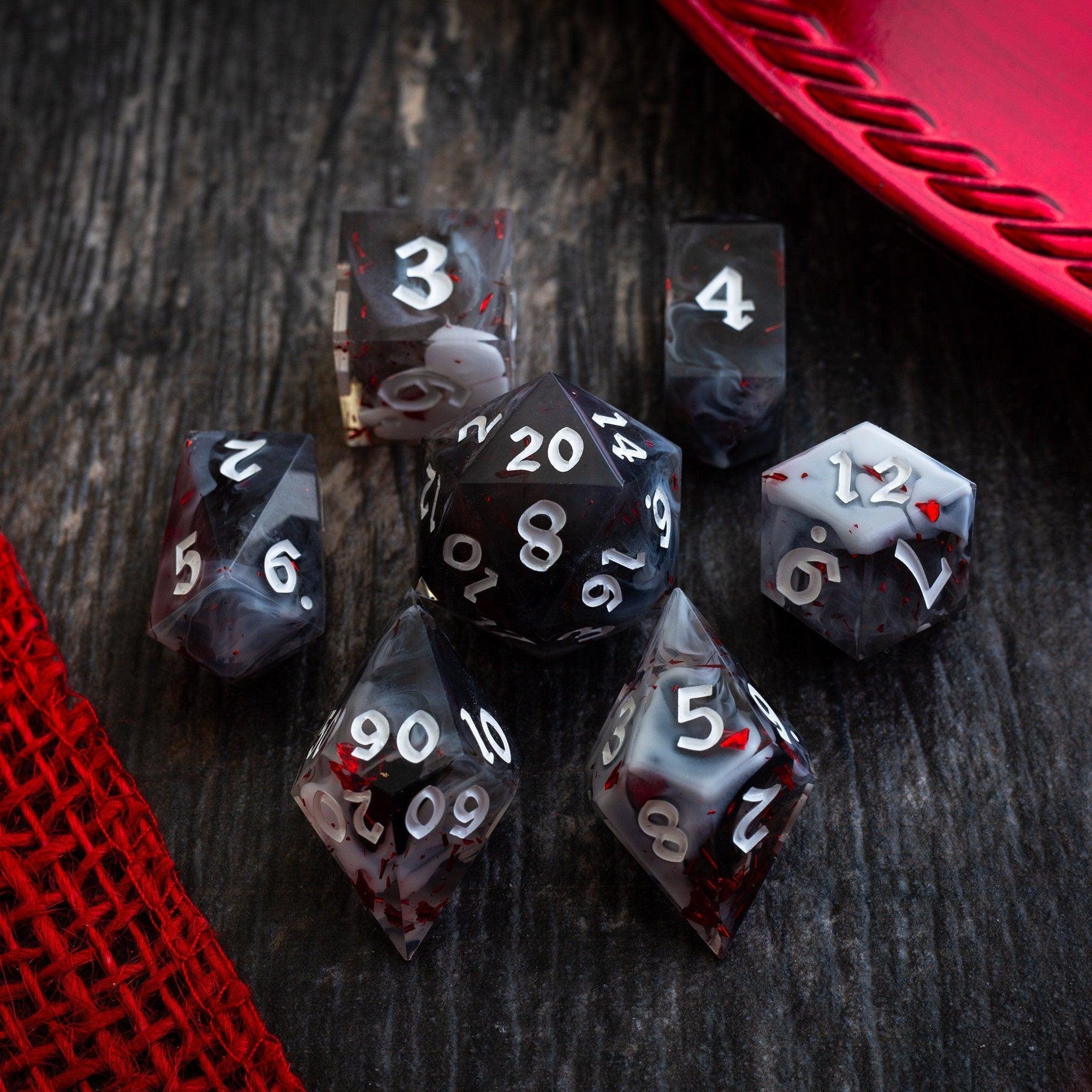
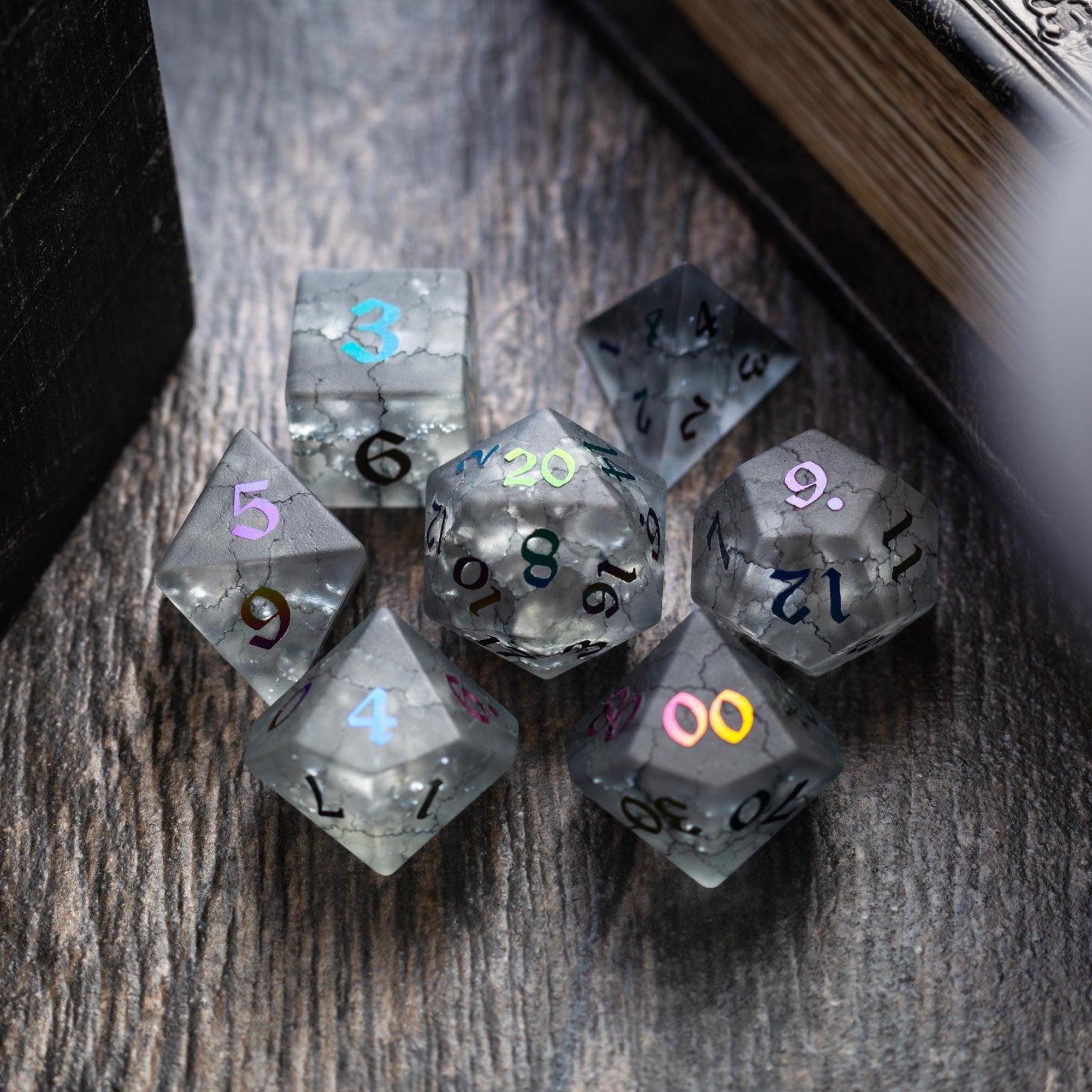
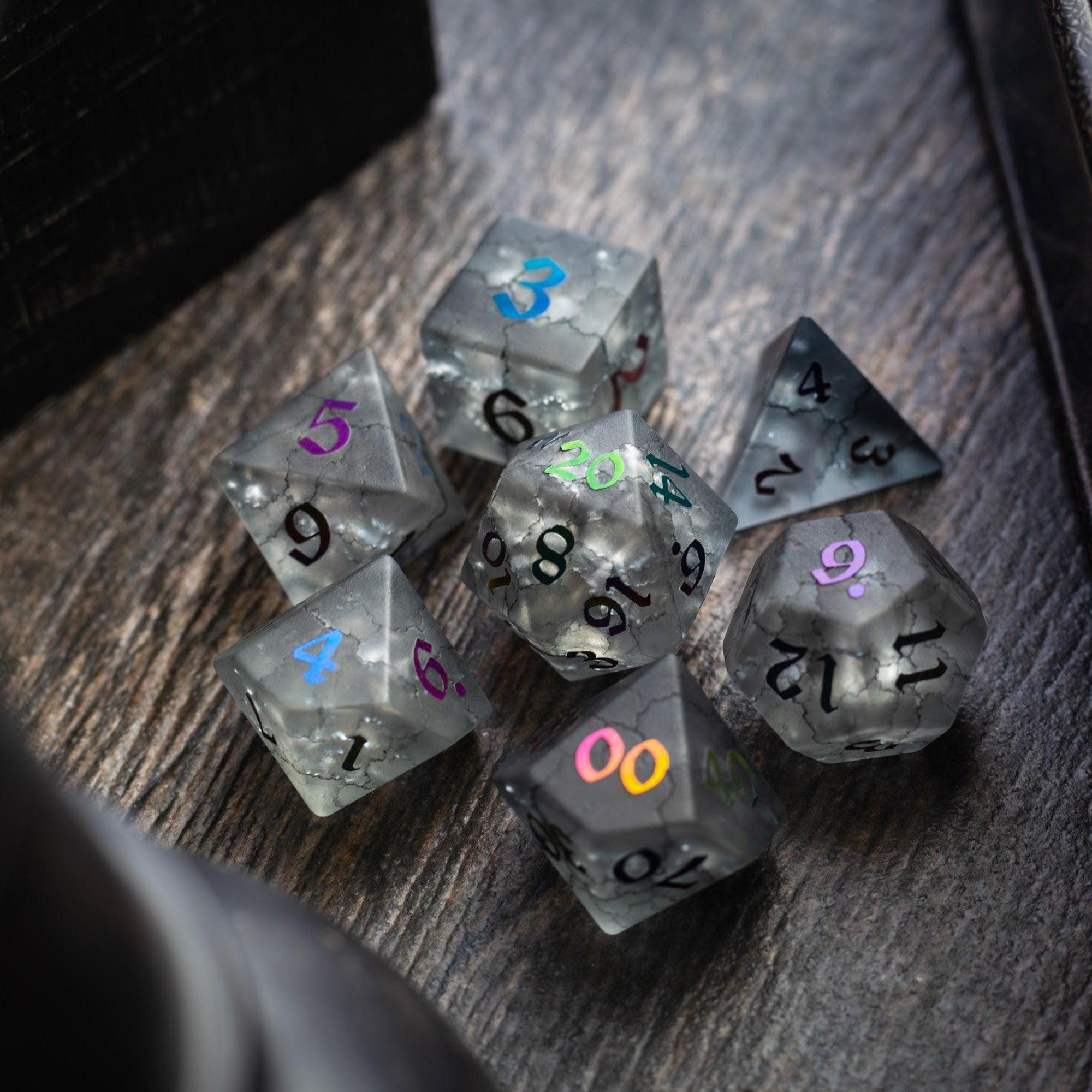
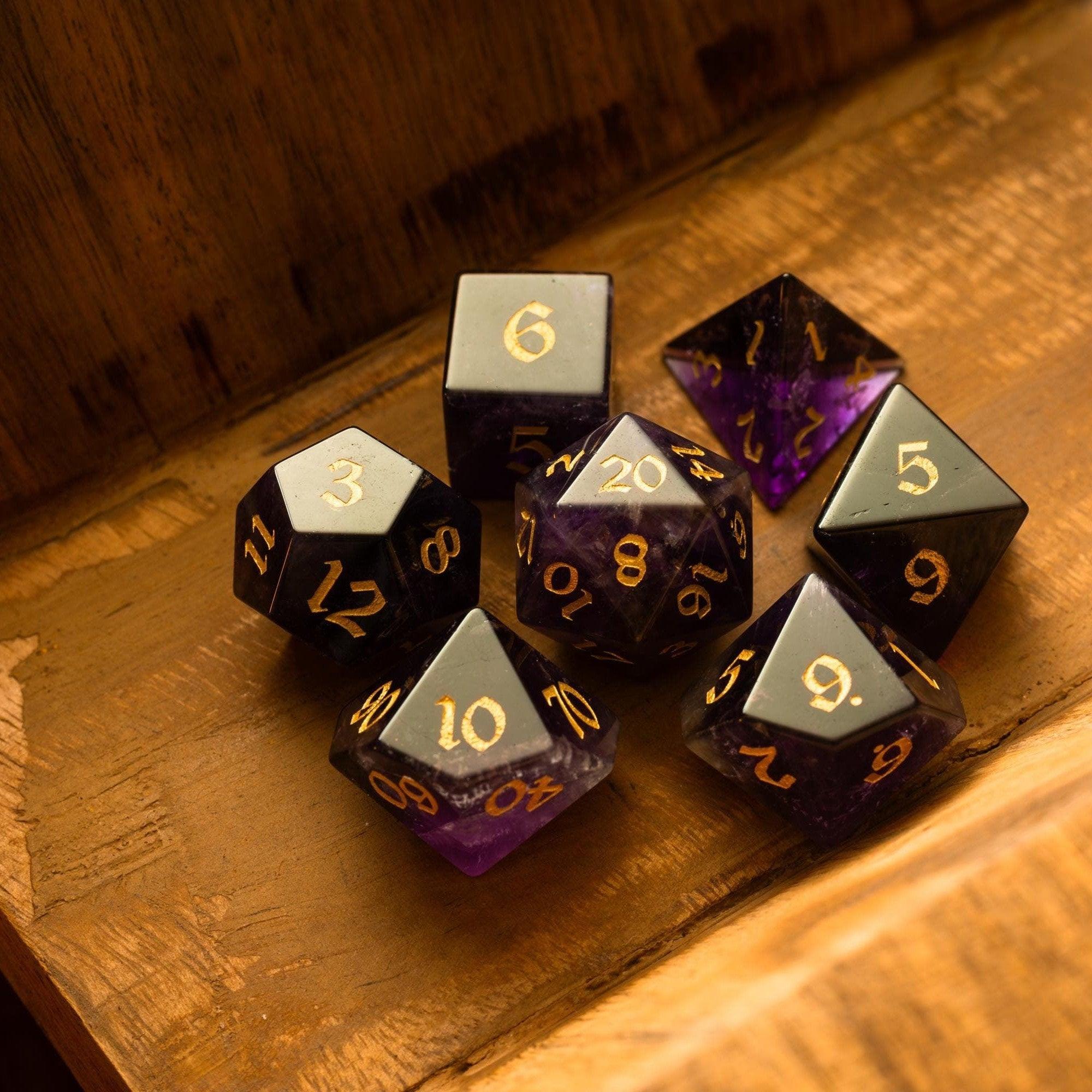
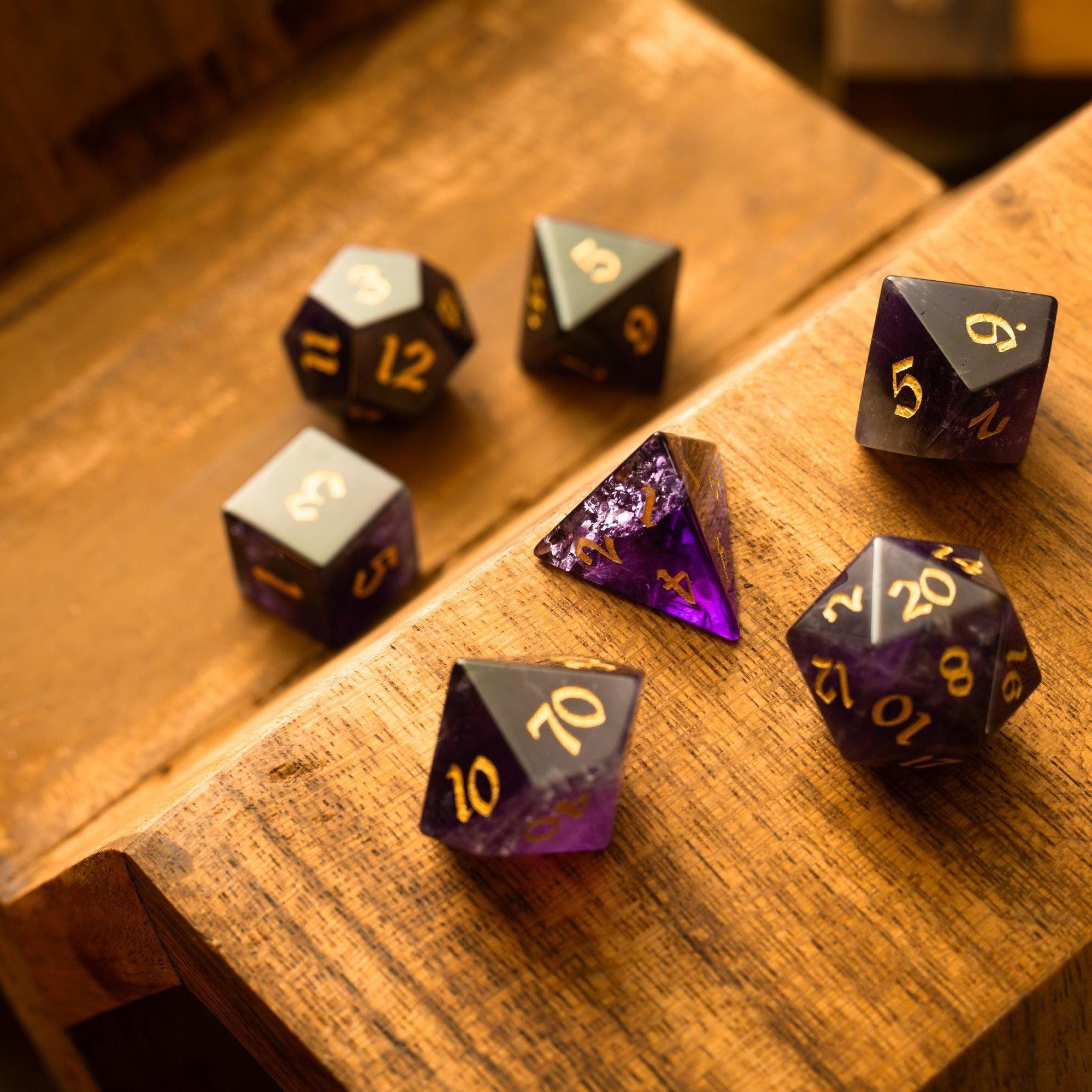
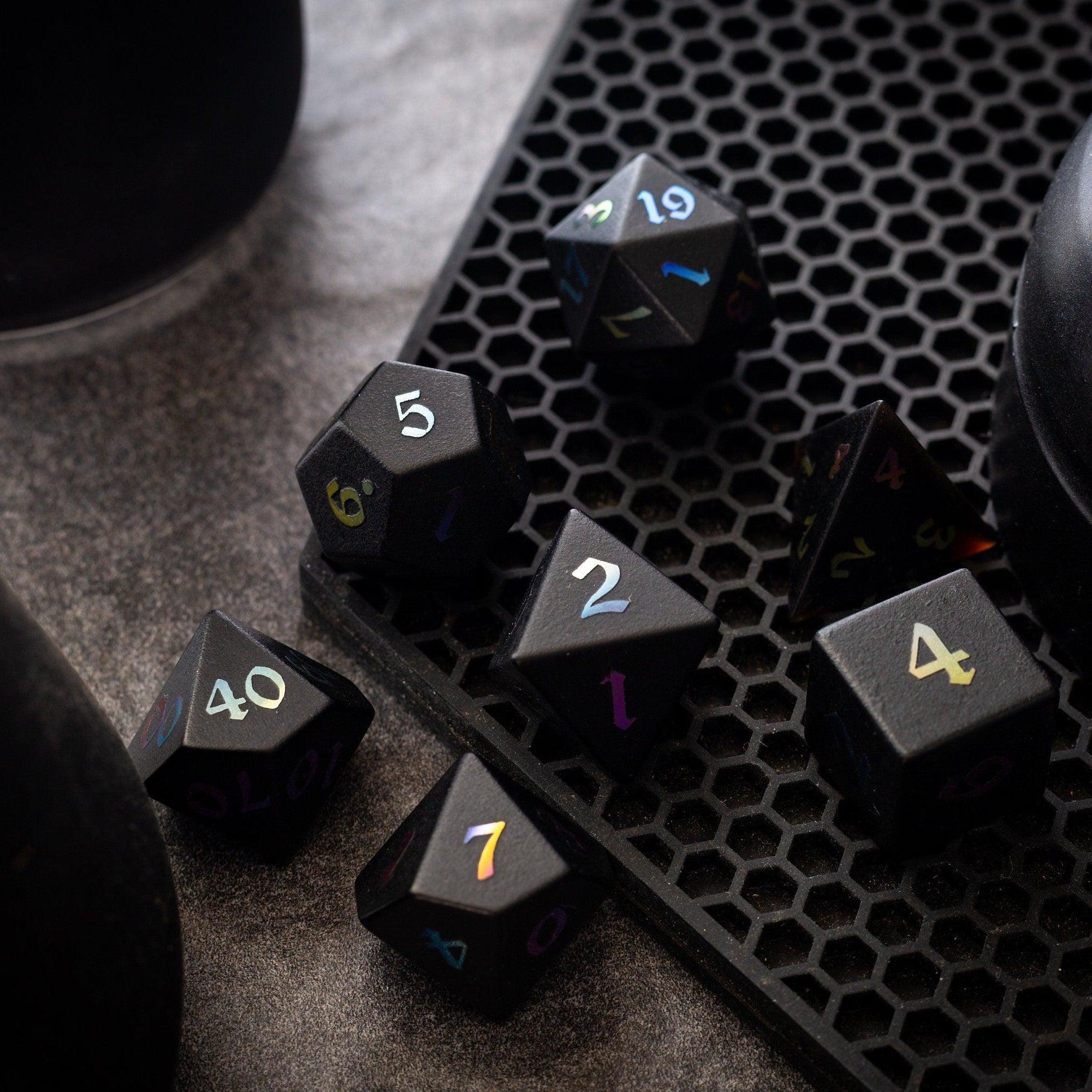
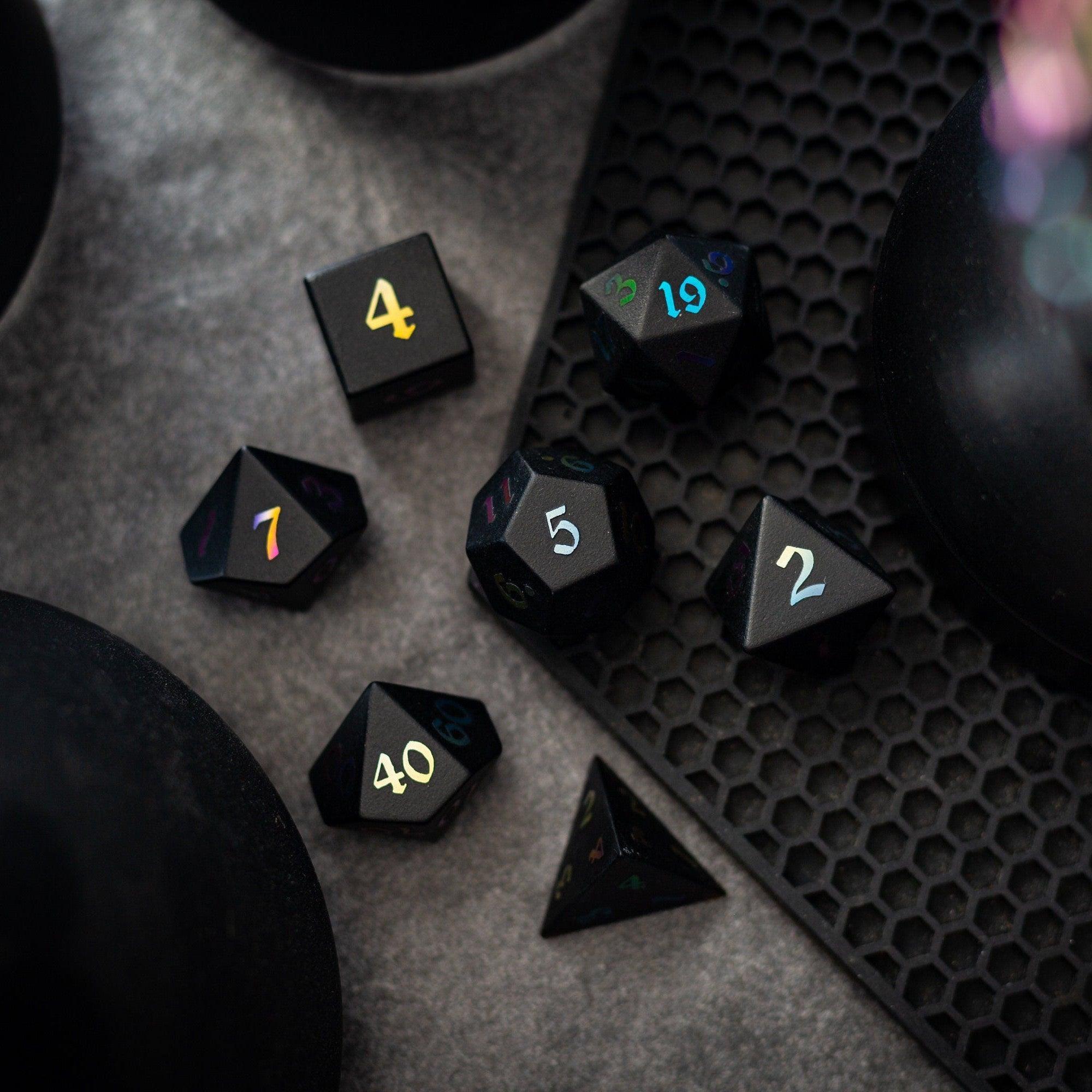
- Dice: A polyhedral dice set (typically seven dice) is essential. These aren't ordinary cubes—they include d4, d6, d8, d10, d12, and d20. Quality dice enhance your experience. Consider exploring gemstone dice collections for beautiful, durable options that feel amazing to roll.
- Character Sheet: This document tracks your character's abilities, health, equipment, and progress. Most games provide printable sheets or digital alternatives.
- Rulebook: Your game system's core rulebook explains mechanics and how to resolve actions. Starter sets include simplified versions perfect for beginners.
- Notebook: Jot down character details, plot developments, and memorable moments. Many players keep campaign journals they treasure for years.
- Miniatures and Grid: Optional but helpful for combat. Some groups use tokens or figurines on gridded battle maps. Others rely purely on imagination and theater of the mind.
For an enhanced sensory experience, many players invest in specialty dice sets. Whether you choose dwarf-cut green glass gemstone dice or handcrafted resin options, quality dice become treasured keepsakes from your adventures.
Finding Your Gaming Community
One of the biggest questions beginners ask is, "Where do I find people to play with?" You're not alone in wondering this. The good news: the community is welcoming and actively recruiting.
Local game shops often host organized play events and community games. Many run beginner-friendly sessions specifically designed for newcomers. Libraries sometimes sponsor gaming clubs. Online platforms connect players worldwide if you prefer virtual sessions via video call. Discord servers, Reddit communities, and dedicated websites like Meetup help connect enthusiasts.
Don't hesitate to start your own group. Many successful gaming circles began with friends casually trying the hobby. You don't need a professional Game Master—someone experienced can learn to run games, and online resources provide pre-written adventures perfect for beginners.
When joining a group, communicate your experience level honestly. Experienced players enjoy helping newcomers learn, and most groups are patient with questions. The fantasy tabletop gaming community thrives on inclusivity.

Your First Gaming Session
Your first session is thrilling but might feel overwhelming. Here's what to expect:
Character Creation: You'll develop your character before playing. This involves choosing a race, class, and background, then calculating statistics. It's less mathematical than it sounds—the rulebook guides you through it. Your character might be a brave warrior, cunning rogue, wise cleric, or clever wizard.
The Opening Scene: Your Game Master sets the scene. You're in a tavern, meeting companions. You're exploring a dungeon, searching for treasure. The GM describes what you see, hear, and smell. Then they ask, "What do you do?"
Taking Your Turn: You describe your character's actions. "I approach the mysterious hooded figure." The GM tells you what happens next. If success is uncertain, you roll dice. A high roll succeeds; a low roll fails—often in entertaining ways.
The Story Unfolds: Through multiple turns and sessions, a narrative emerges. You'll face challenges, make allies, discover secrets, and create memories.
Your first session might feel slow. You're learning rules, understanding mechanics, and getting comfortable. That's completely normal. By session three or four, everything clicks, and you'll be fully immersed.
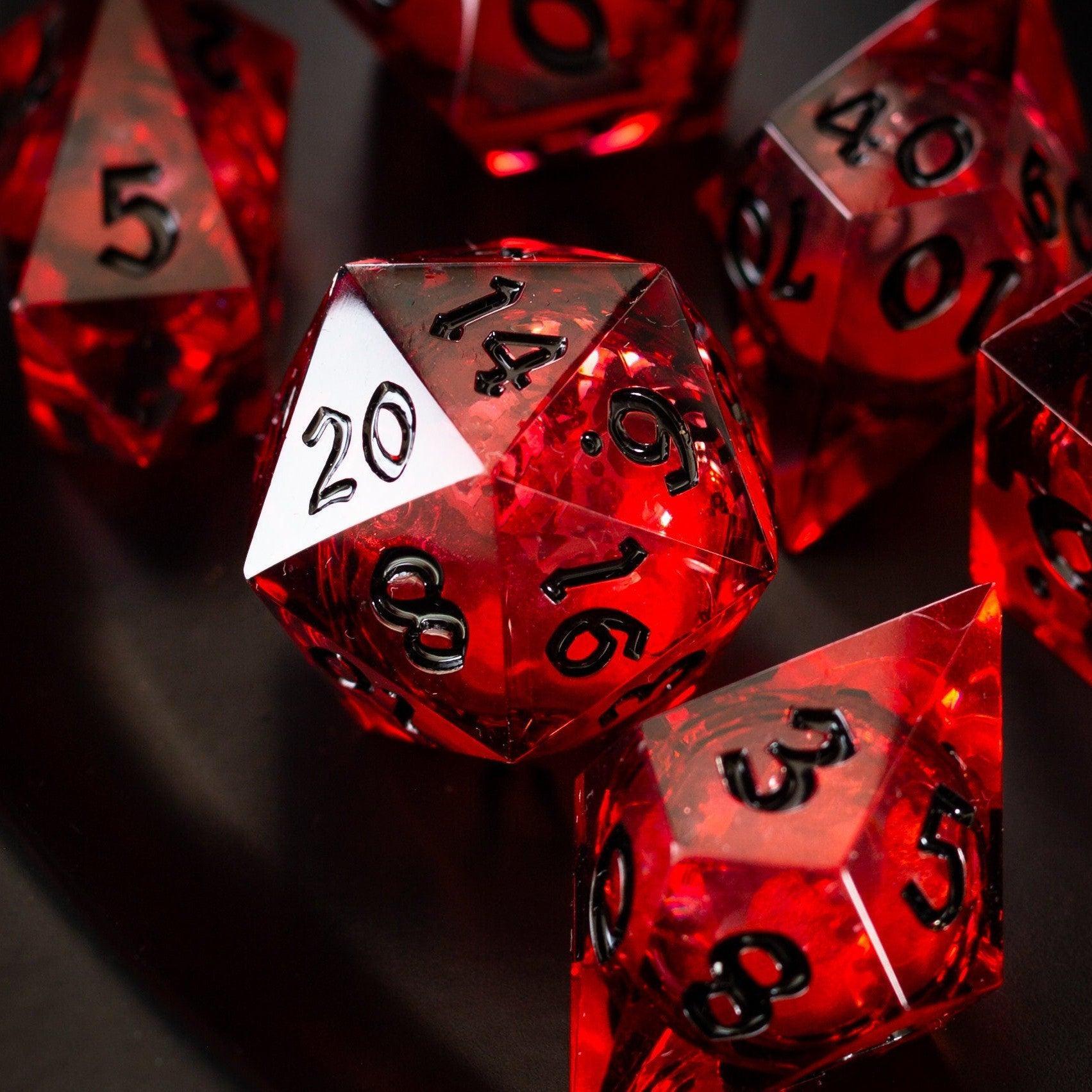
If you want to enhance your setup, explore premium resin dice collections or liquid core dice options that make rolling genuinely exciting.
Frequently Asked Questions
Do I need to be creative or imaginative to enjoy fantasy tabletop gaming?
Not necessarily. While imagination helps, games guide you with mechanics and prompts. Your character sheet suggests personality traits. The Game Master describes situations vividly. You don't need to be a novelist—simply respond naturally to scenarios. Over time, many players find their creativity flourishes through regular play.
Is fantasy tabletop gaming expensive to start?
You can begin for under fifty dollars. A starter set includes a rulebook, basic dice, character sheets, and an introductory adventure. Many groups share resources. Dice quality matters for enjoyment, so investing in a nice set eventually makes sense, but basic dice work perfectly fine initially. Think of it as cheaper than many hobbies.
How long does a typical gaming session last?
Most sessions run two to four hours. Some groups meet weekly, others monthly. Campaign lengths vary—some stories conclude in five sessions, others continue for years. You control your commitment level. Casual players game occasionally; dedicated players might gather every week. Choose what fits your schedule.
Can I play if I've never read the books or watched the movies?
Absolutely. Most games are self-contained experiences. You don't need background knowledge. Whether you've encountered fantasy settings elsewhere doesn't matter. New players jump in all the time without prior experience, and experienced players from other hobbies often discover this hobby fresh.
What if I'm nervous about roleplaying in front of others?
This anxiety is common and valid. Start by describing actions rather than acting them out: "My character asks the guard for directions" rather than performing an accent. Most groups prioritize fun over theatrical performance. As you get comfortable, you naturally become more expressive. No one will judge you for being quiet or reserved.
Can I play solo or online?
Yes to both. Solo fantasy tabletop gaming uses special rules and randomization tables. Online platforms like Roll20 or Foundry Virtual Tabletop let you play with distant friends through video calls. Many players prefer online play for scheduling flexibility, while others cherish in-person gatherings.
Your journey into this hobby awaits. Whether you're drawn by adventure, social connection, creative expression, or pure escapism, fantasy tabletop gaming welcomes you. Start with a simple character concept, find willing friends, and roll those dice. Within minutes, you'll understand why millions of players consider gaming time sacred. Welcome to a hobby that changes lives and creates friendships lasting decades.

Leave a comment
This site is protected by hCaptcha and the hCaptcha Privacy Policy and Terms of Service apply.