

Collectible Items for Tabletop RPGs A Practical Guide
Updated on: 2025-12-09

Shopping for collectible items for tabletop role playing games can feel thrilling and a little overwhelming. There’s a sea of shimmering dice, rare materials, display-worthy accessories, and clever storage solutions. The good news: you don’t need a massive budget or a huge shelf to start a meaningful collection. What you do need is a plan—one that blends style, functionality, and longevity so your pieces look great, roll well, and last for years.
In this friendly guide, we’ll walk through what actually matters when you’re choosing premium dice and accessories. We’ll talk materials, readability, care, and how to match your gear to your character or campaign vibe. You’ll also find quick tips from seasoned players, a relatable story from the table, and answers to the questions people ask most. Think of it as your no-stress roadmap to building a collection you’ll be proud to bring to every session.
Collectible items for tabletop role playing games: what to look for
Before adding a new treasure to your kit, start with purpose. Are you buying a set for regular play, a display piece, a gift, or a limited-edition keepsake? Your answer guides the best materials and finishes to choose.
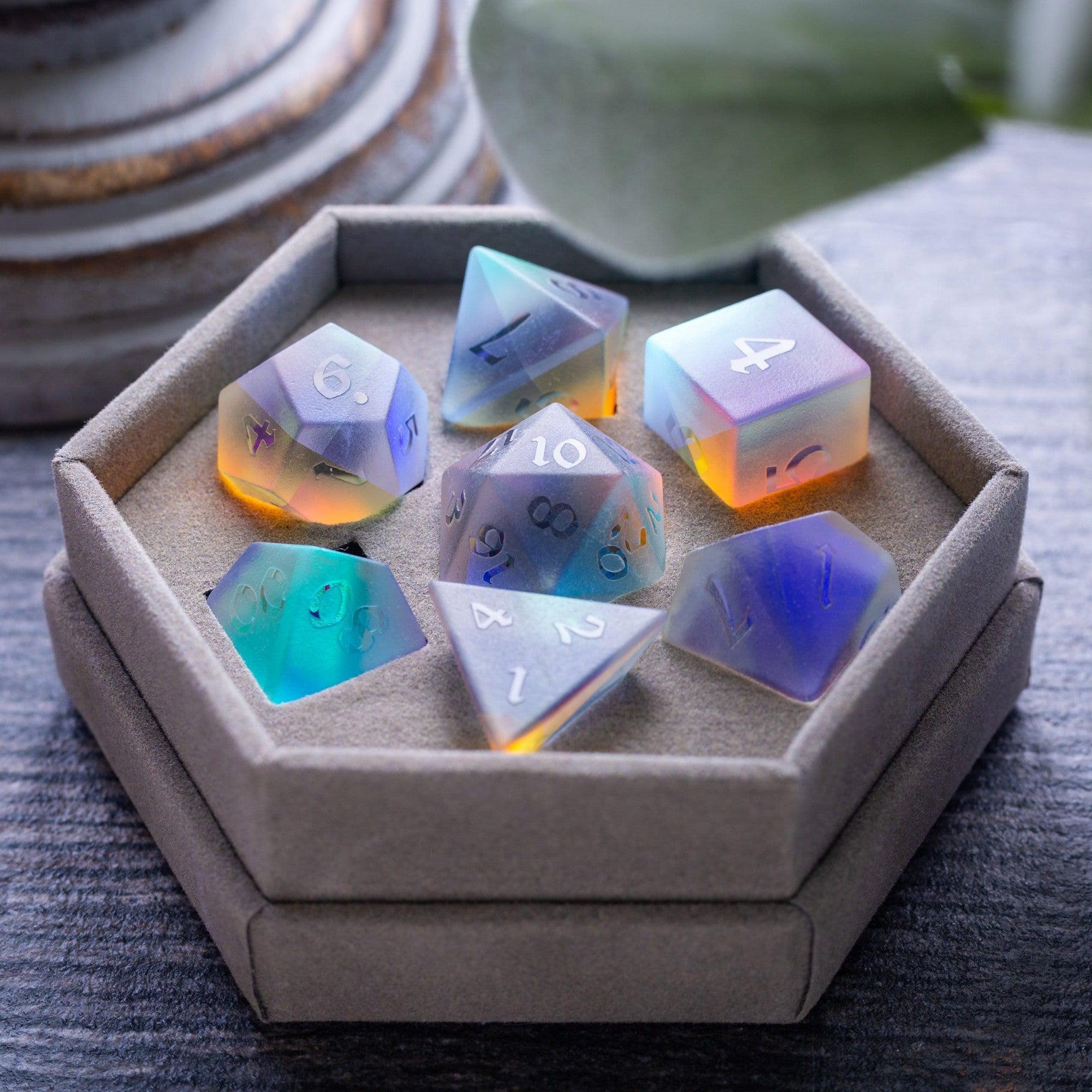
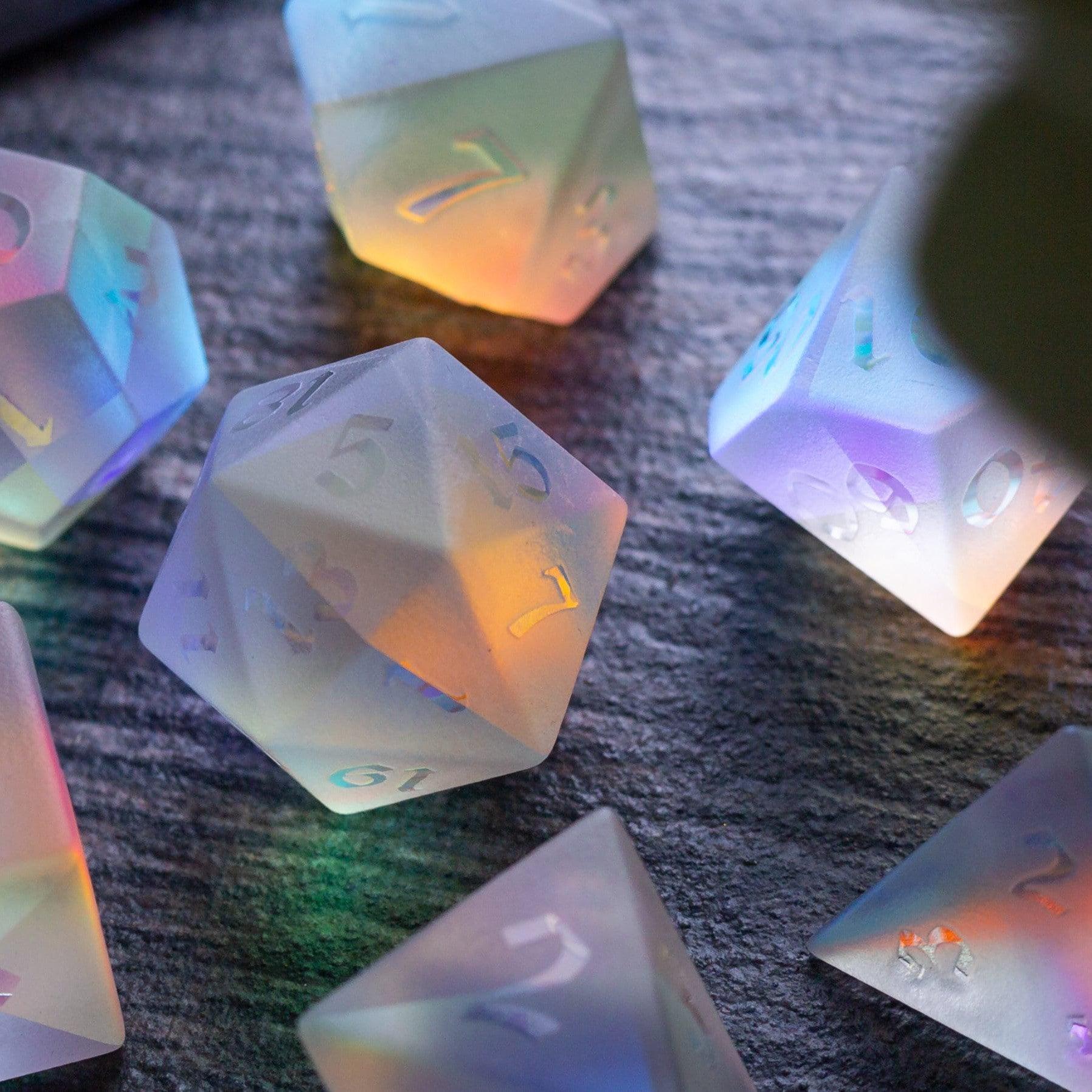
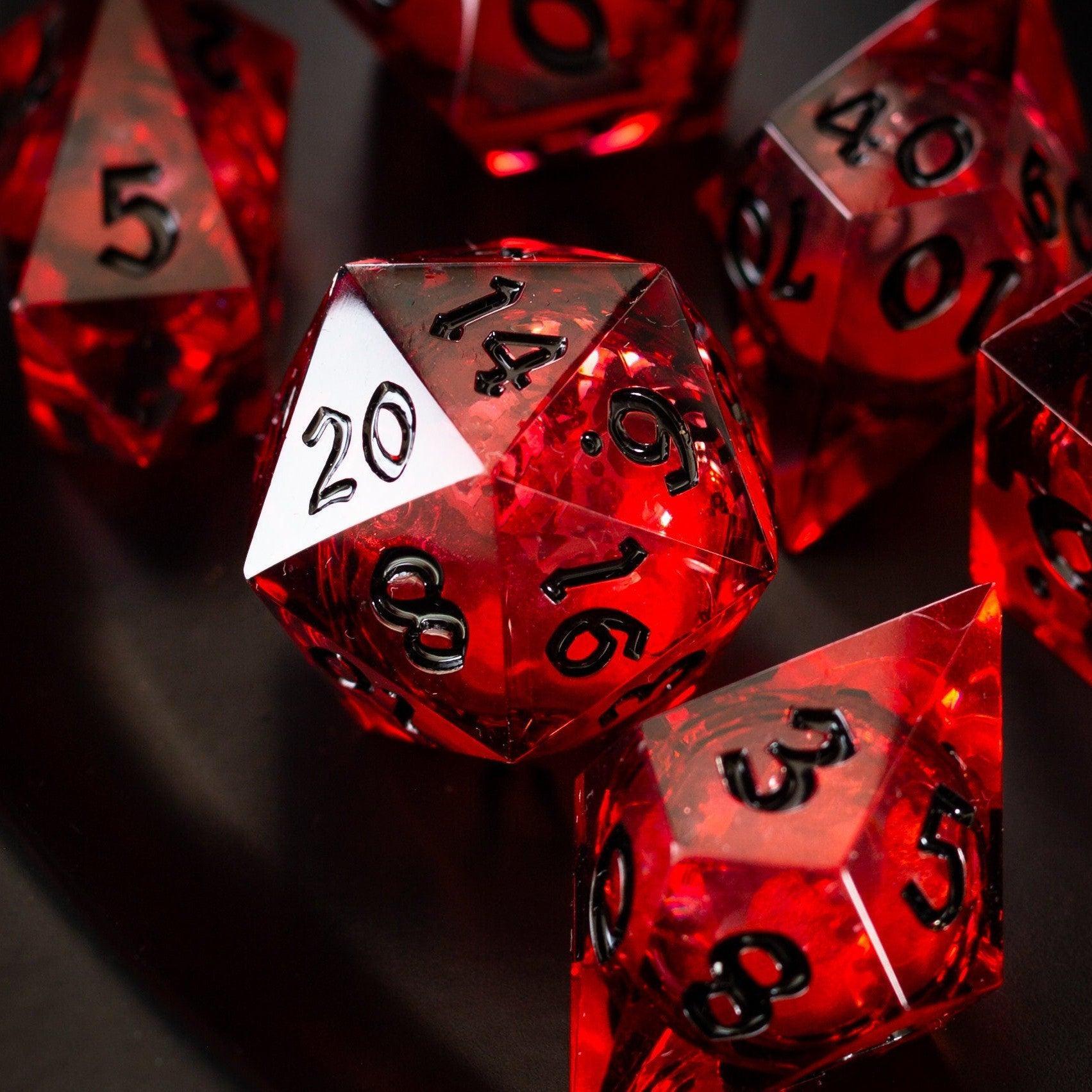
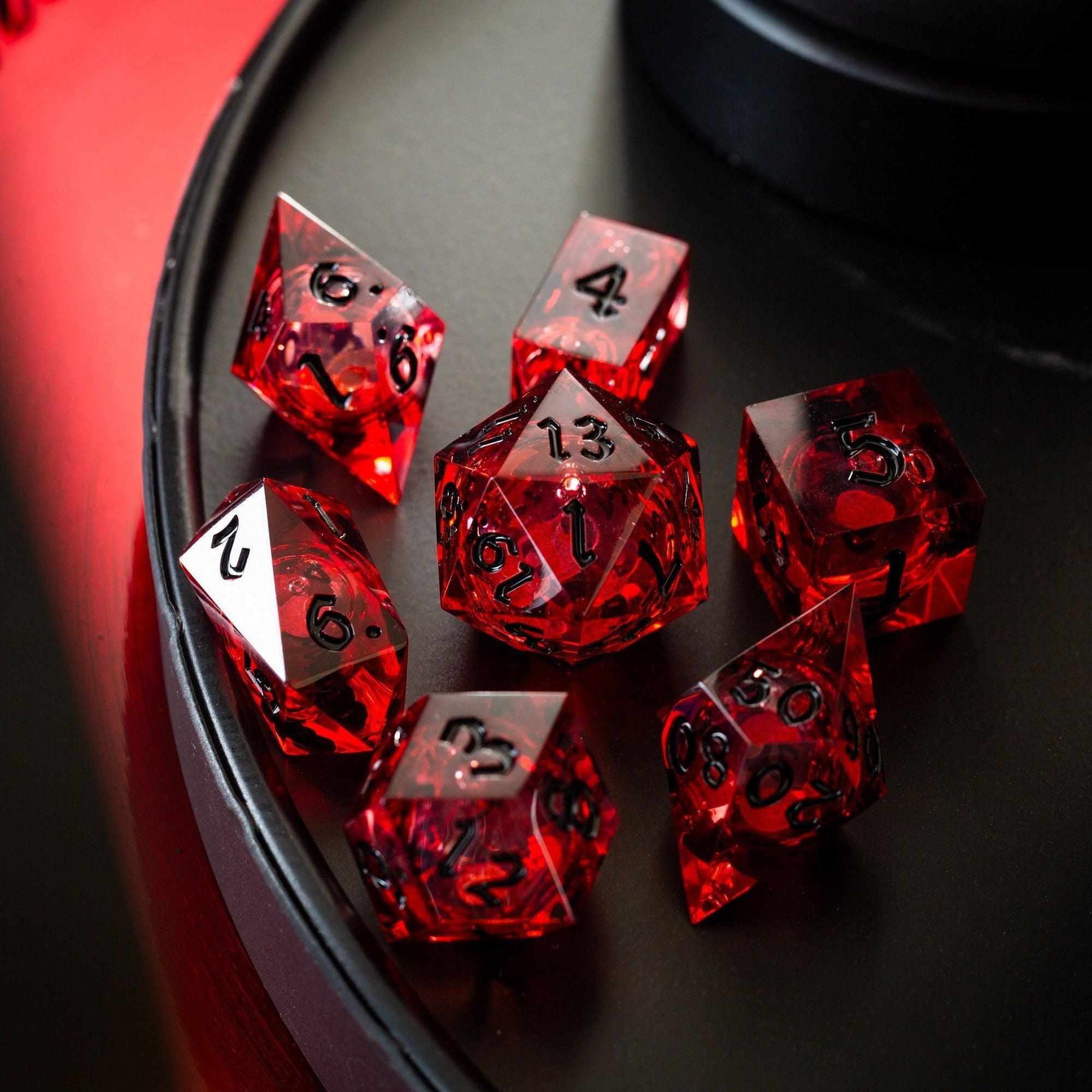
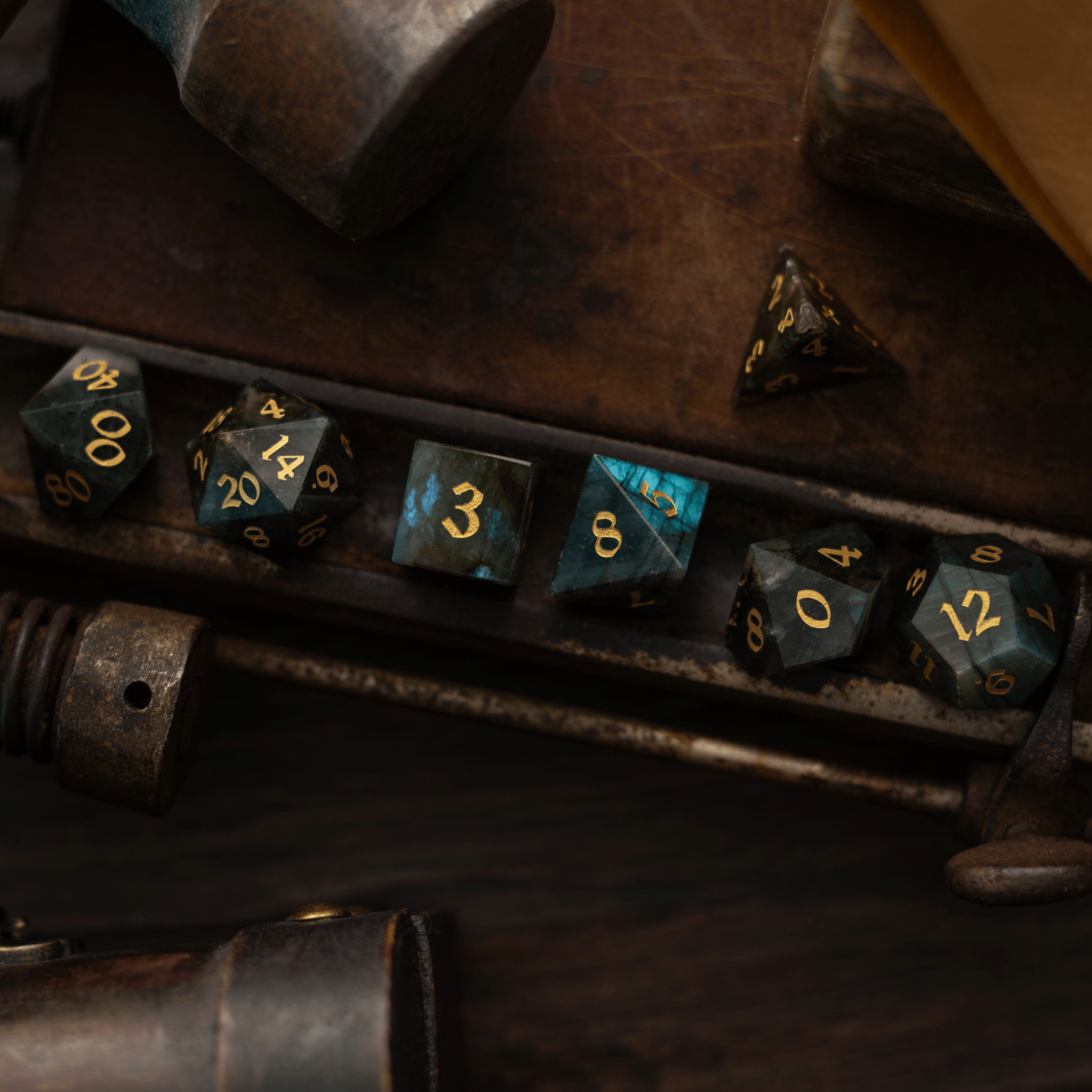
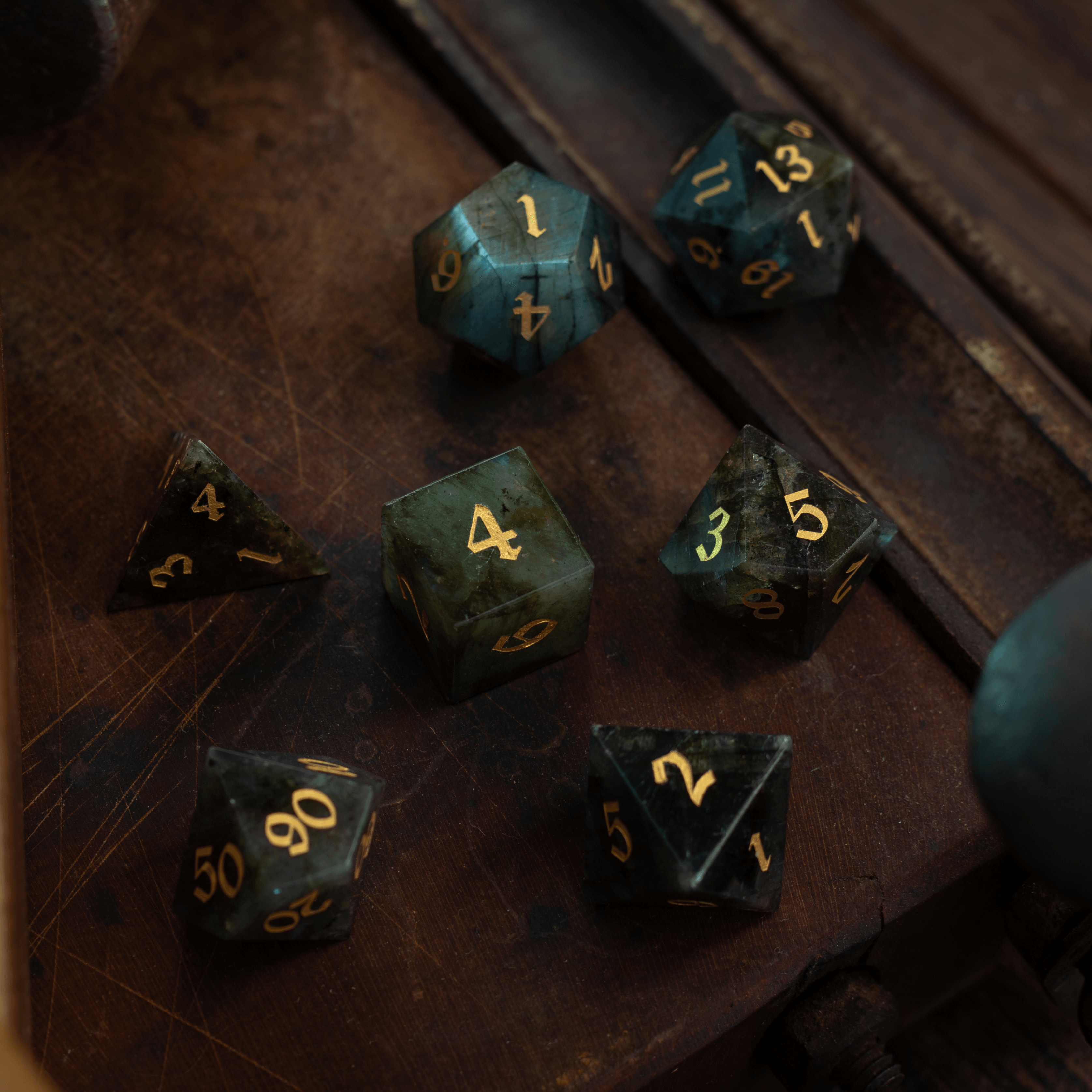
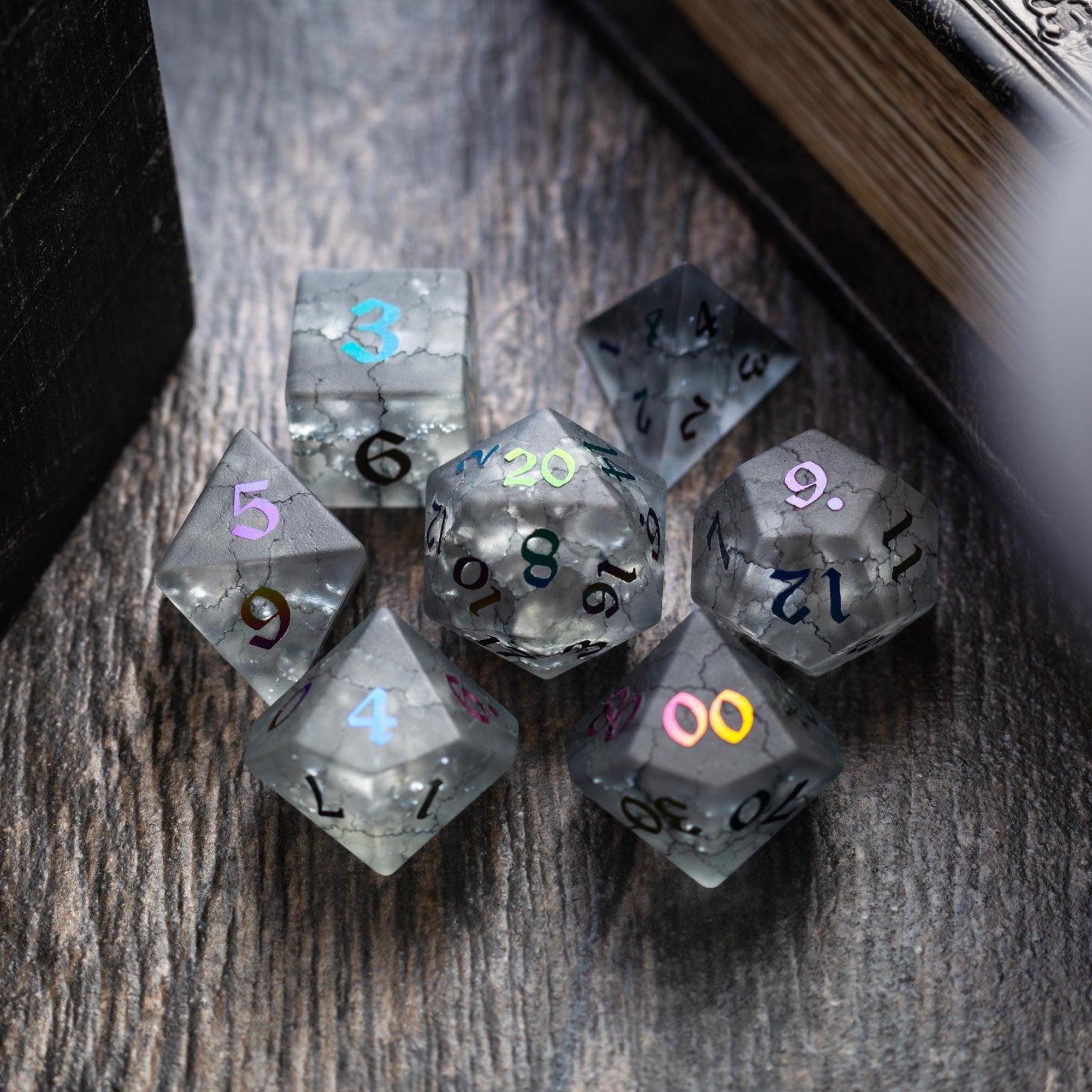
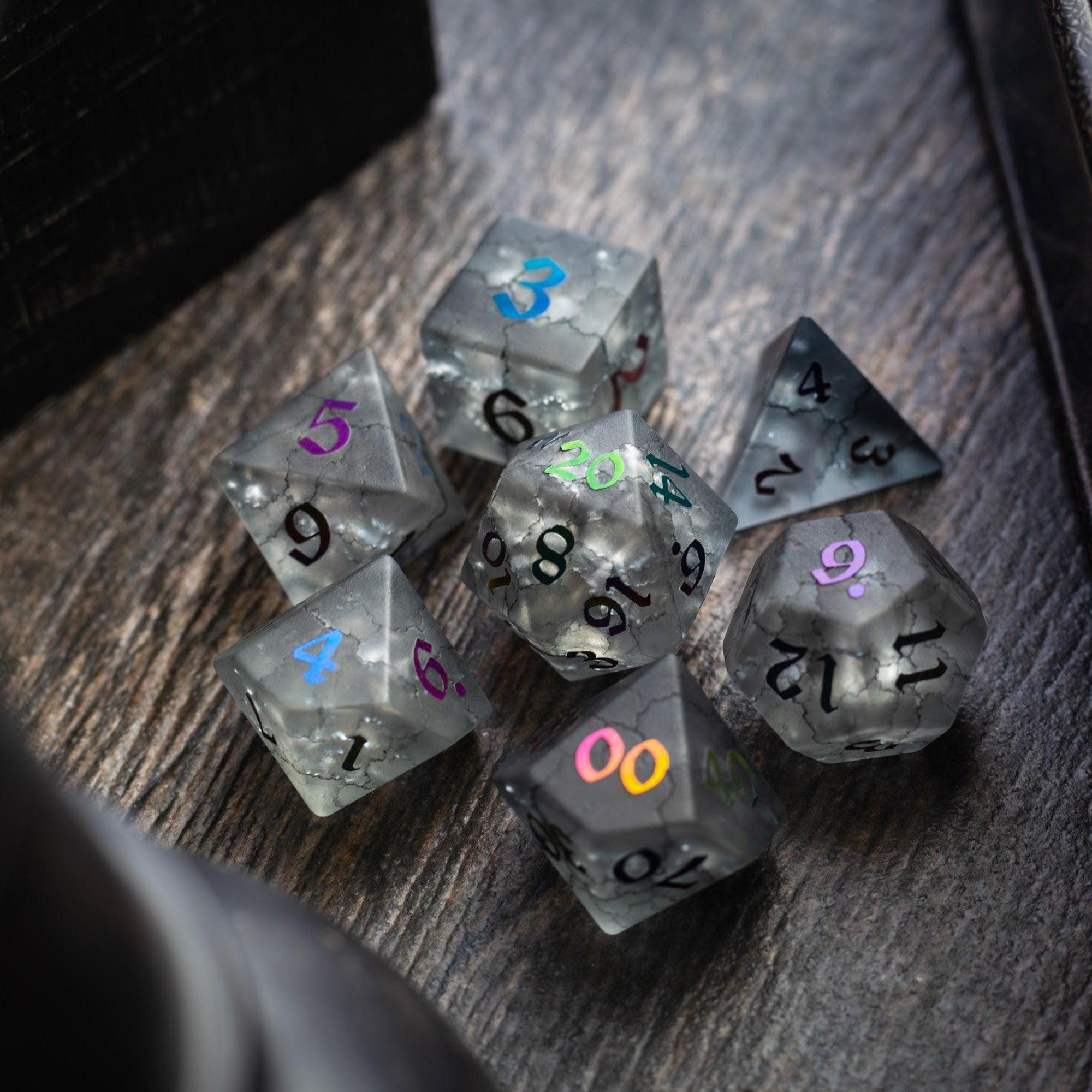
Materials set the tone. Resin offers vivid color blends, sharp edges, and playful inclusions at approachable prices. Glass and stone feel luxurious, with depth and sparkle that photographs never fully capture. If you’ve dreamed of luminous, swirling cores, a liquid core set brings motion to the table and doubles as a conversation starter. For players who love natural textures and weight in hand, explore gemstone dice—they look stunning and roll with satisfying heft on a padded surface.
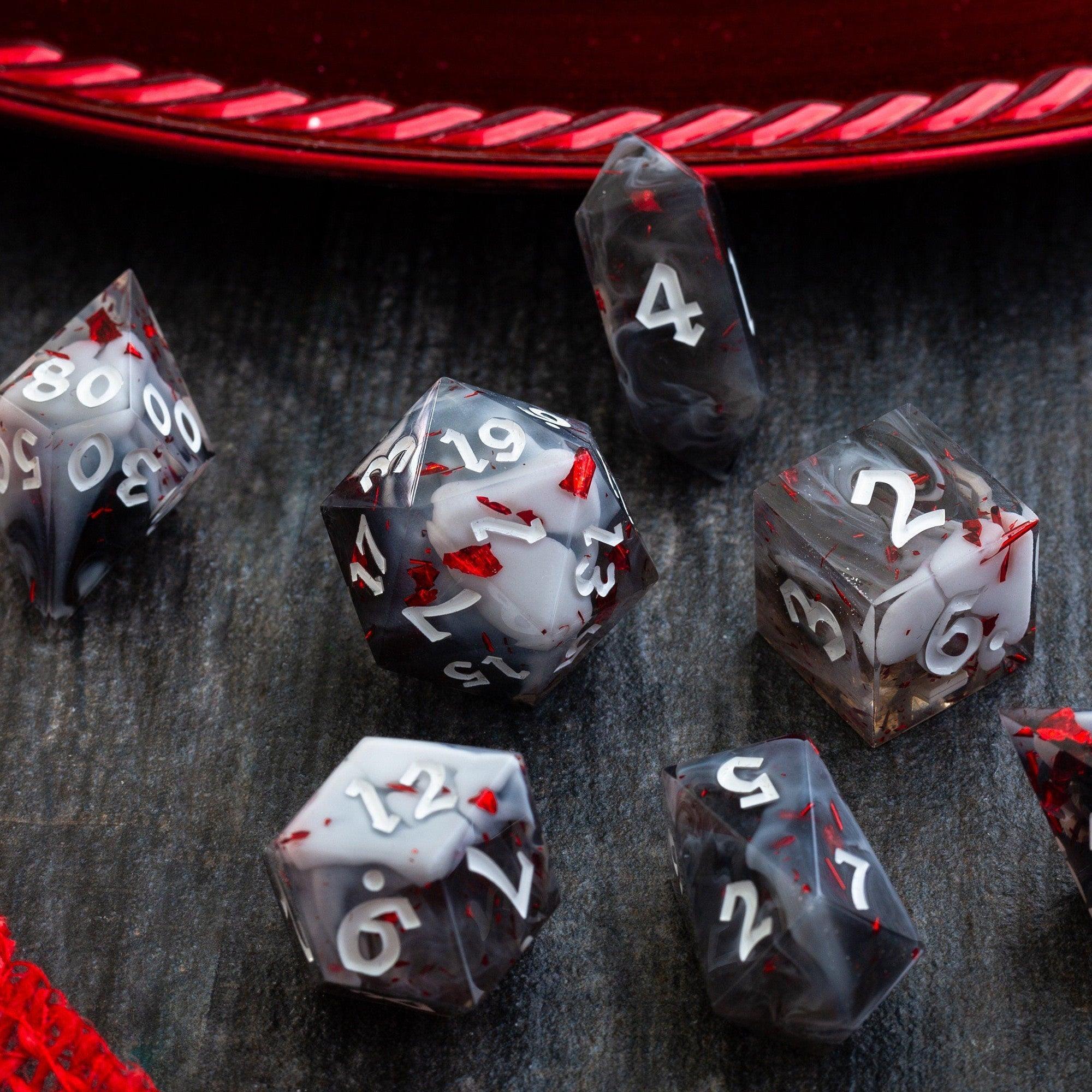
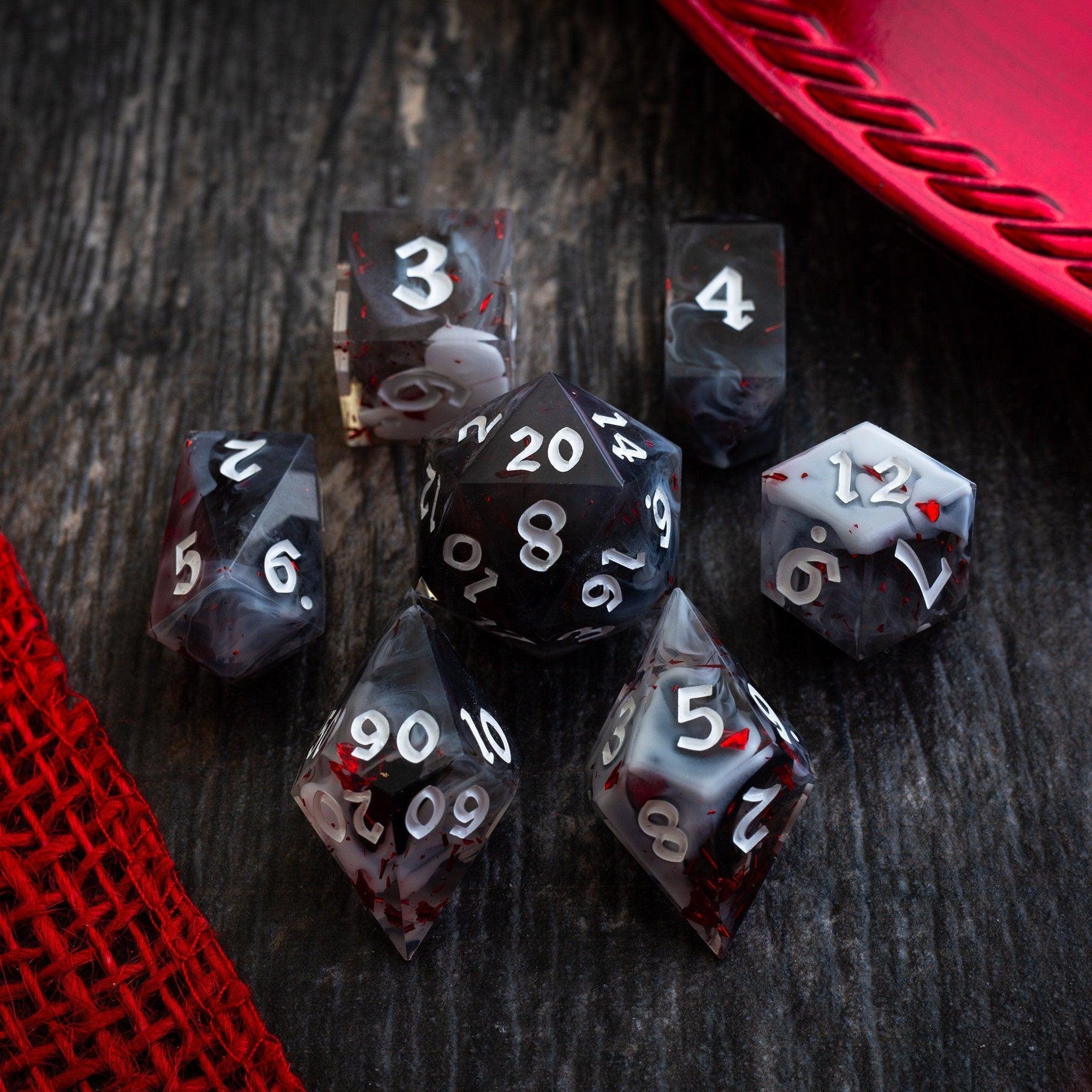
Readability matters more than many buyers expect. Contrast between face and numbers is key, especially in low light. If a die looks gorgeous but you’re squinting to read a 7 from across the table, it can slow the game. Look for clean inking, crisp edges, and high-contrast palettes. Sets with metallic or white numbering usually pop well against darker bodies.
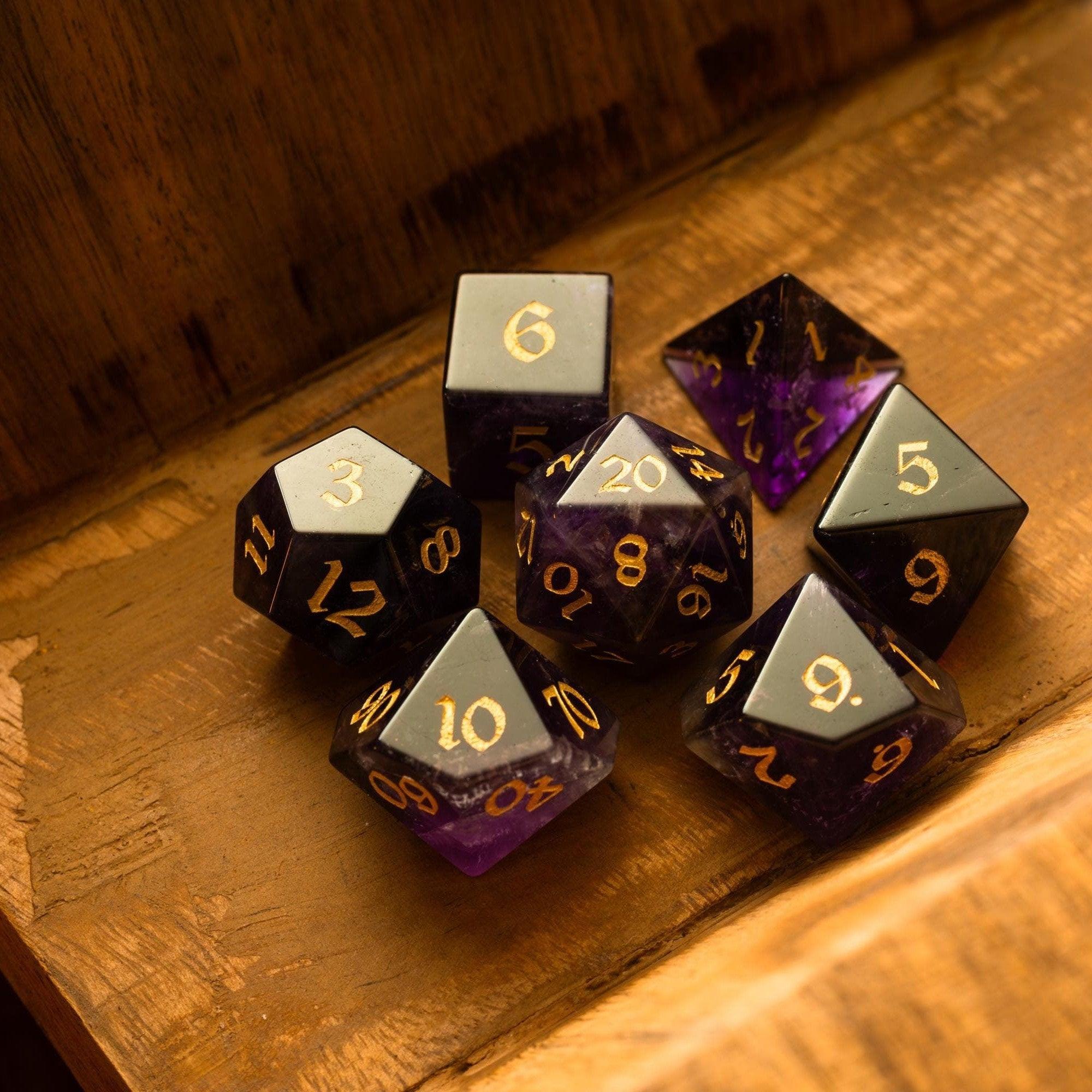
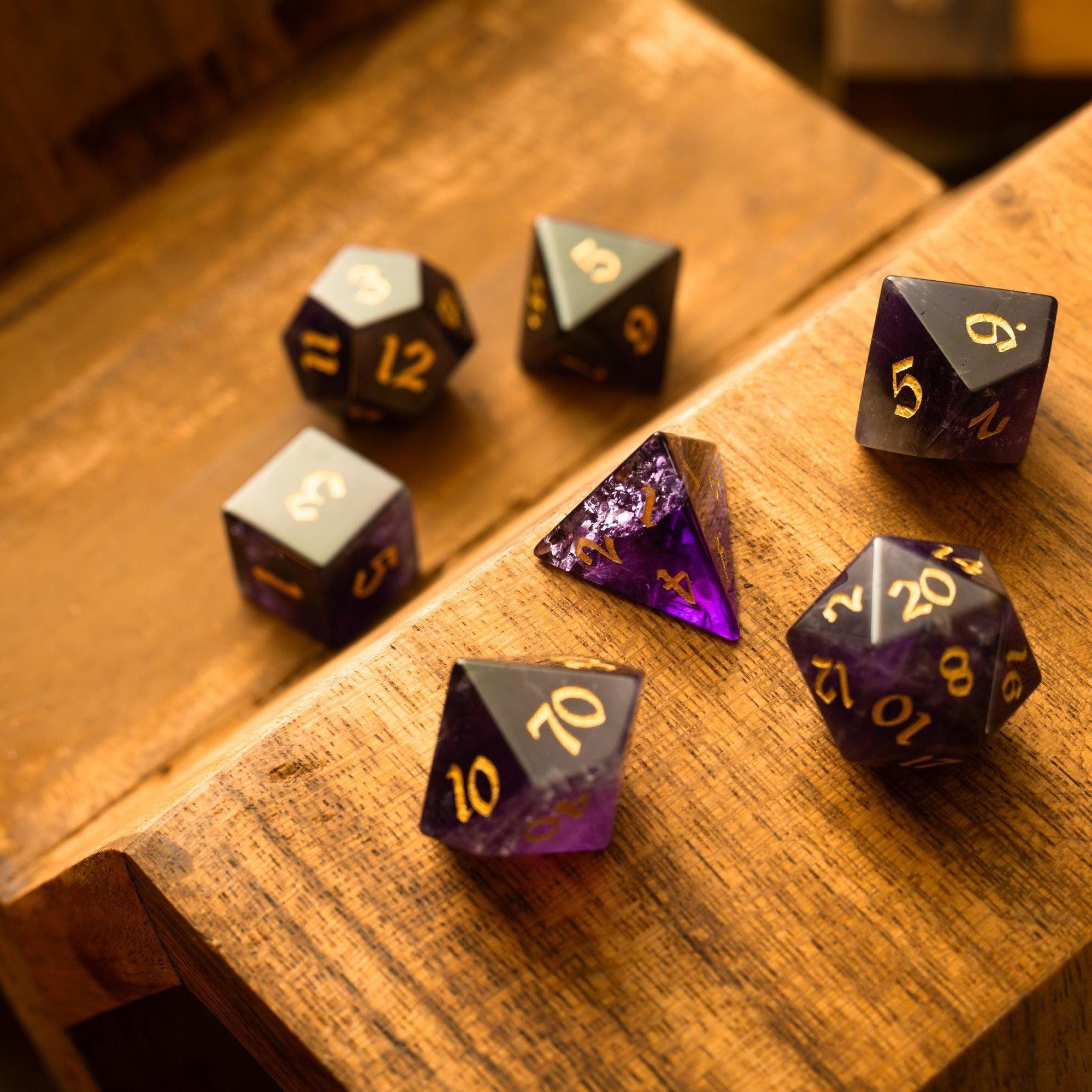
Craftsmanship shows up in polish and symmetry. Facet alignment, smooth edges, and consistent sizing aren’t just for aesthetics—they influence how pleasant the dice feel and how fair they roll. Hand-finished sets can have charming variations, while precision-cut pieces tend to be very consistent set to set. If you adore faceted looks, an amethyst set blends artisanal beauty with table presence.
Function should steer accessory choices. Consider dice trays and towers that protect both the table and your dice. Soft, padded rolling areas help preserve glass and stone. If you roll often in tight spaces, towers keep things contained and add a little showmanship. Storage boxes with lined interiors prevent scuffs and make your collection feel curated, not cluttered.
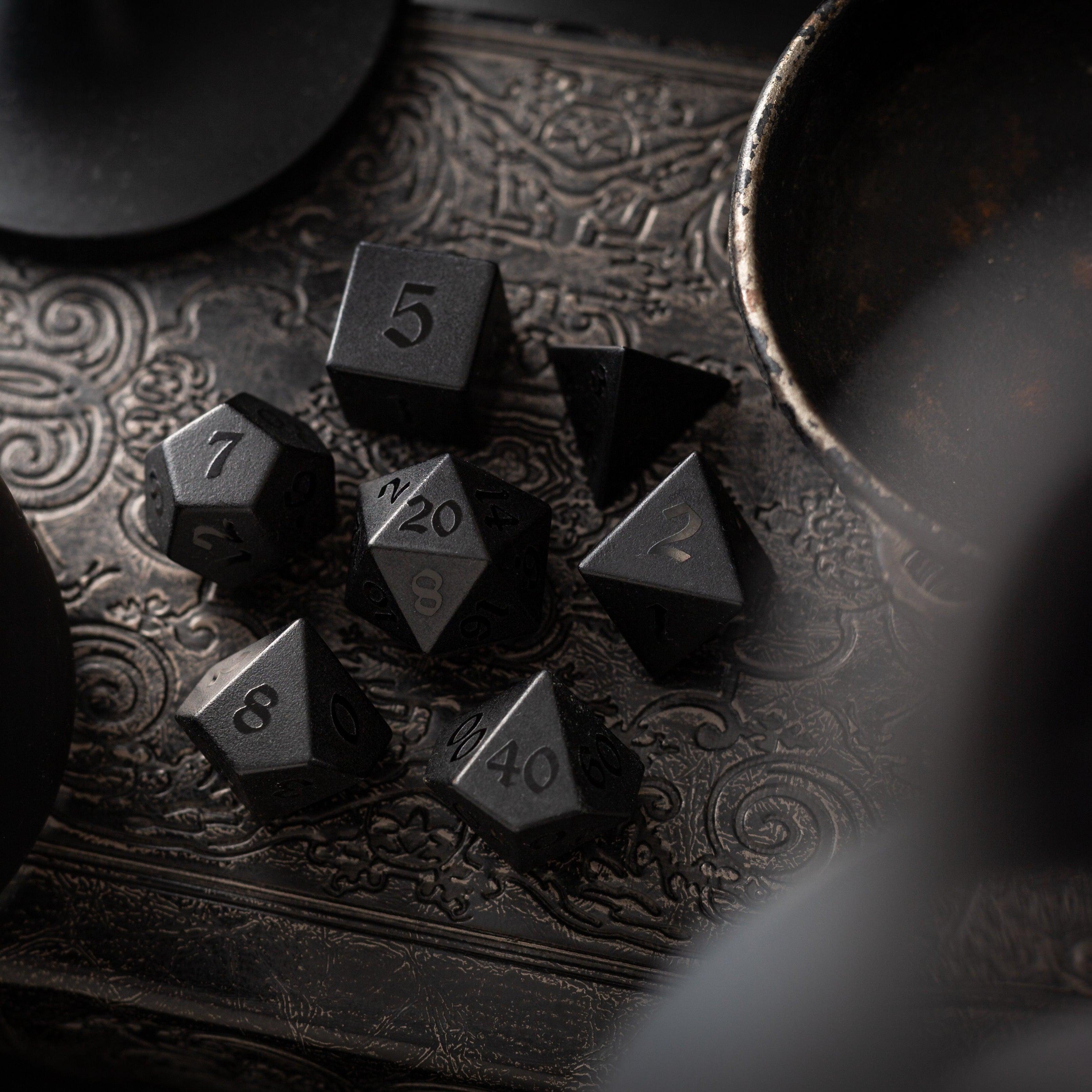
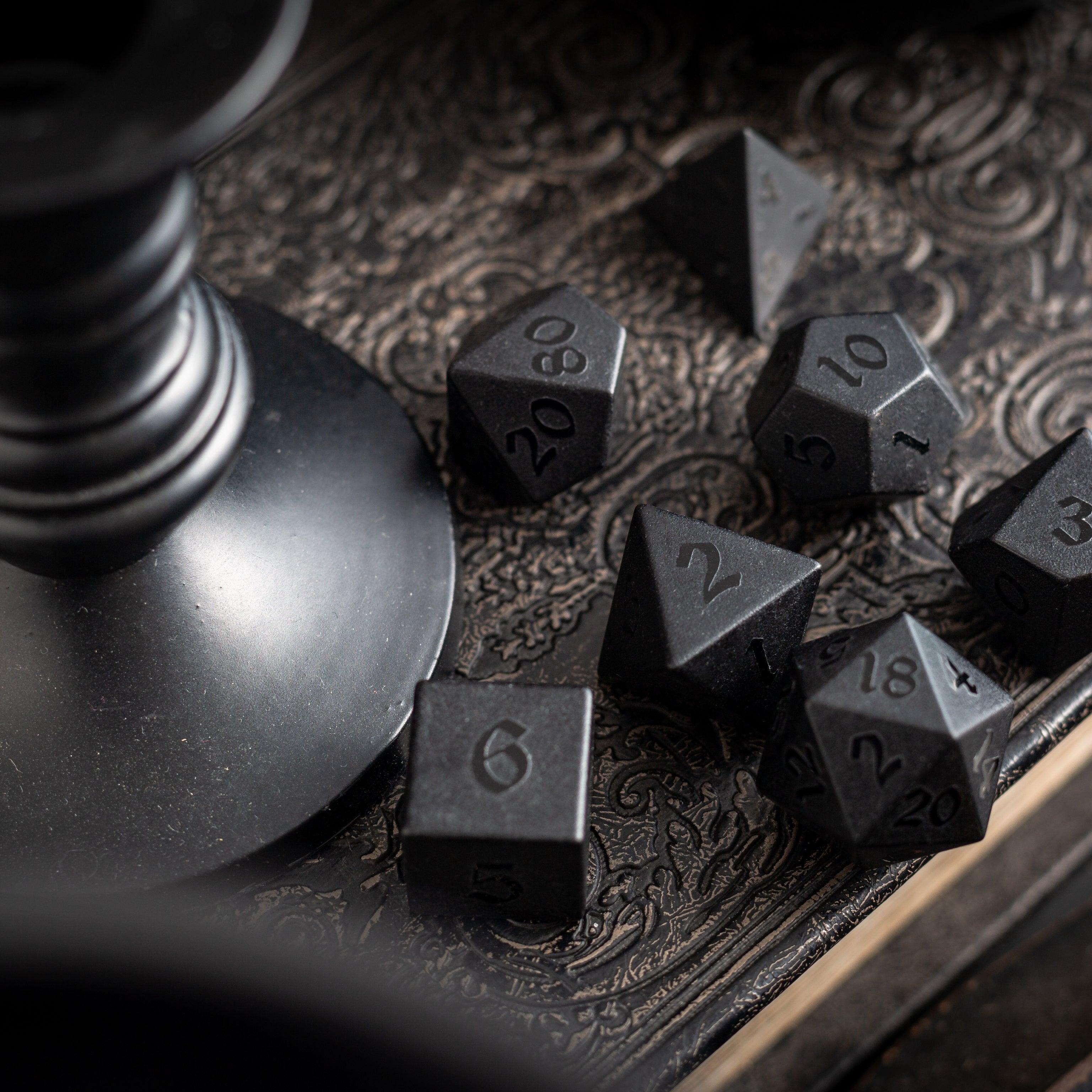
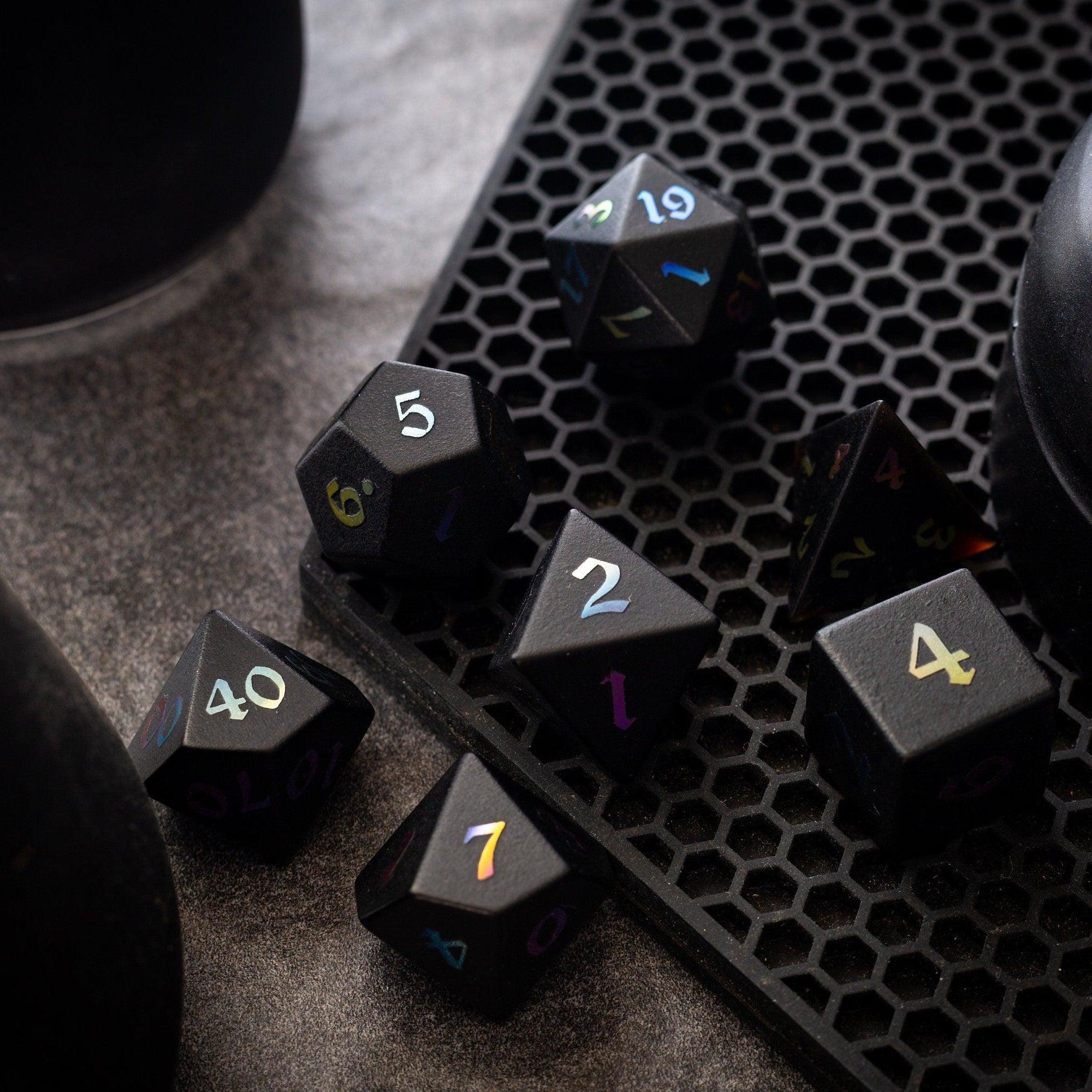
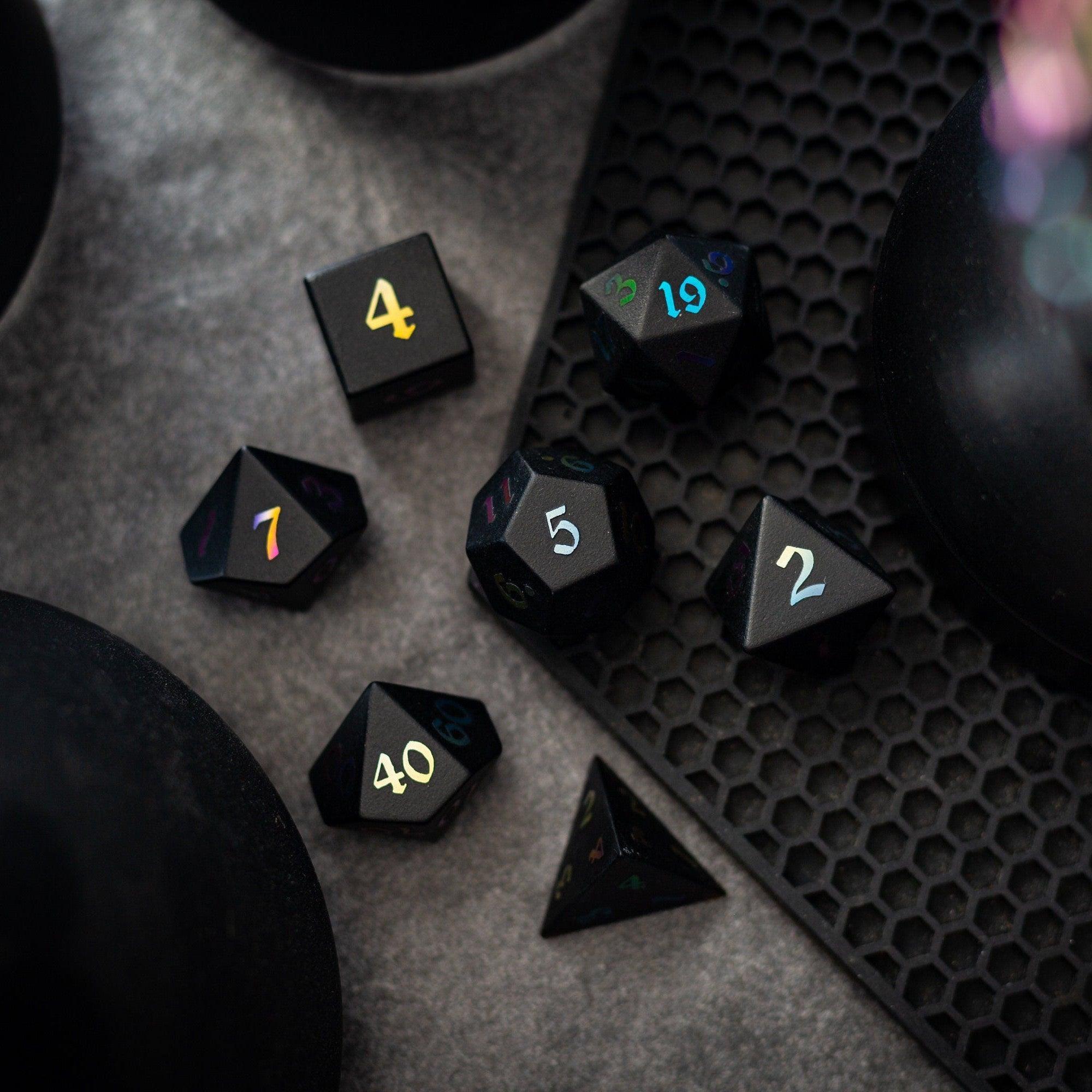
Finally, think theme. Do you want gear that mirrors your character’s origin or your campaign’s aesthetic? A forest druid might lean toward earthy greens and organic inclusions. A star-faring sorcerer could pick nebula swirls or prismatic layers. If you prefer sleek, moody vibes, obsidian-toned sets or dark glass look incredible under warm lighting. As your collection grows, these themes tell your story and make choosing a “session set” each week a joy.
Did You Know?
- Gemstone dice are best rolled on padded surfaces to minimize micro-abrasions.
- Liquid core designs create mesmerizing motion; the core settles quickly for play.
- High-contrast numbering improves speed of play and reduces eye strain.
- Sharp-edge resin captures detail beautifully but prefers a tray over hard tables.
- Consistent polishing helps maintain fair, satisfying rolls over time.
- Dedicated storage prevents dice from bumping and scuffing each other.
Expert Tips
- Set a “per arc” budget. One hero piece per campaign keeps collecting intentional.
- Match weight to use. Resin is great for travel; stone and glass shine at home tables with trays.
- Prioritize legibility. If you can read it at arm’s length, it’s a win.
- Protect premium sets. Use lined cases and roll on felt or leather.
- Test contrast under warm and cool lights; game rooms vary.
- Curate by theme. Pick colors and textures that echo your character or world.
- Start with one showstopper and one workhorse set; rotate for mood and mission.

Personal Anecdote
In one long-running campaign, I played a tempest-flavored wizard who loved the drama. I brought a prismatic set for everyday rolls and saved a heavier, stormy-themed set for big moments—boss fights and pivotal saves. The ritual of switching sets before an important scene actually helped me focus, and the table loved the vibe.
Mid-season, I added a shimmering core set for spell casting checks. Every time the light shifted in the die, it felt like the magic was alive in my hands. The rolls didn’t become “luckier,” but the experience became more memorable. That taught me to see collecting not as hoarding, but as crafting little rituals that make game night feel special.
Summary & Takeaways
Choose with intent: know whether you’re buying for daily use, display, or theme. Focus on materials and readability first, then craftsmanship and storage. Protect premium sets with padded trays and lined cases, and curate around your character’s story for extra immersion. If you want a piece with motion and sparkle, a liquid core set is a standout pick; for natural elegance, browse gemstone dice. And if you roll in tight spaces, consider dice towers for control and flair.
Most of all, build slowly and joyfully. A small, thoughtful selection will outshine a random pile every time.
Q&A
How do I choose between resin, metal, and stone?
Think about feel, care, and where you play. Resin is light, durable, and often the most budget-friendly; it’s perfect for travel and casual games. Metal brings weight and presence but can dent soft wood, so use a tray. Stone and glass feel premium and photograph beautifully; they prefer padded surfaces and gentle handling. If you want a single set to do it all, pick high-contrast resin with crisp edges. For a hero piece, stone or glass looks museum-worthy—especially when paired with a lined case and a soft rolling mat.
How do I care for gemstone dice?
Roll on felt, leather, or neoprene to protect the polish. Store each set in a lined box or pouch so pieces don’t rub against each other. Wipe fingerprints with a soft, dry cloth; avoid harsh cleaners. If you’re building a themed display, arrange the dice so faces aren’t touching directly. When you want a striking natural look, an amethyst set pairs beautifully with dark trays and neutral backdrops, and consistent care will keep it sparkling for years.
Are premium dice balanced?
Quality sets are designed for fair, everyday play. Balance can vary a bit across materials and finishes, especially with inclusions or handcrafting, but reputable makers strive for consistent geometry and polish. If you’re concerned, roll on a flat, padded surface and rotate which die you use for key checks. Remember that readability and consistency often matter more than perfect lab-level balance at the table. For a reliable daily driver with flair, try a precision resin set; then add a showpiece like a liquid core set for dramatic moments, or explore the broader range in the gemstone dice lineup.


Leave a comment
This site is protected by hCaptcha and the hCaptcha Privacy Policy and Terms of Service apply.