

Collectible Gaming Dice Guide for Balanced Rolls and Feel
Updated on: 2026-01-05
Ready to elevate every roll and showcase your style at the table? This guide shows you how to choose, care for, and display premium dice sets that stand out for quality, craft, and long-term value. If you are considering collectible gaming dice, you will learn how to protect their finish, preserve balance, and keep your collection looking pristine. We also share real-world use cases, quick tips from seasoned players, and easy steps to start or grow your collection with confidence. Finish with a quick FAQ so you can shop smarter and roll with assurance.

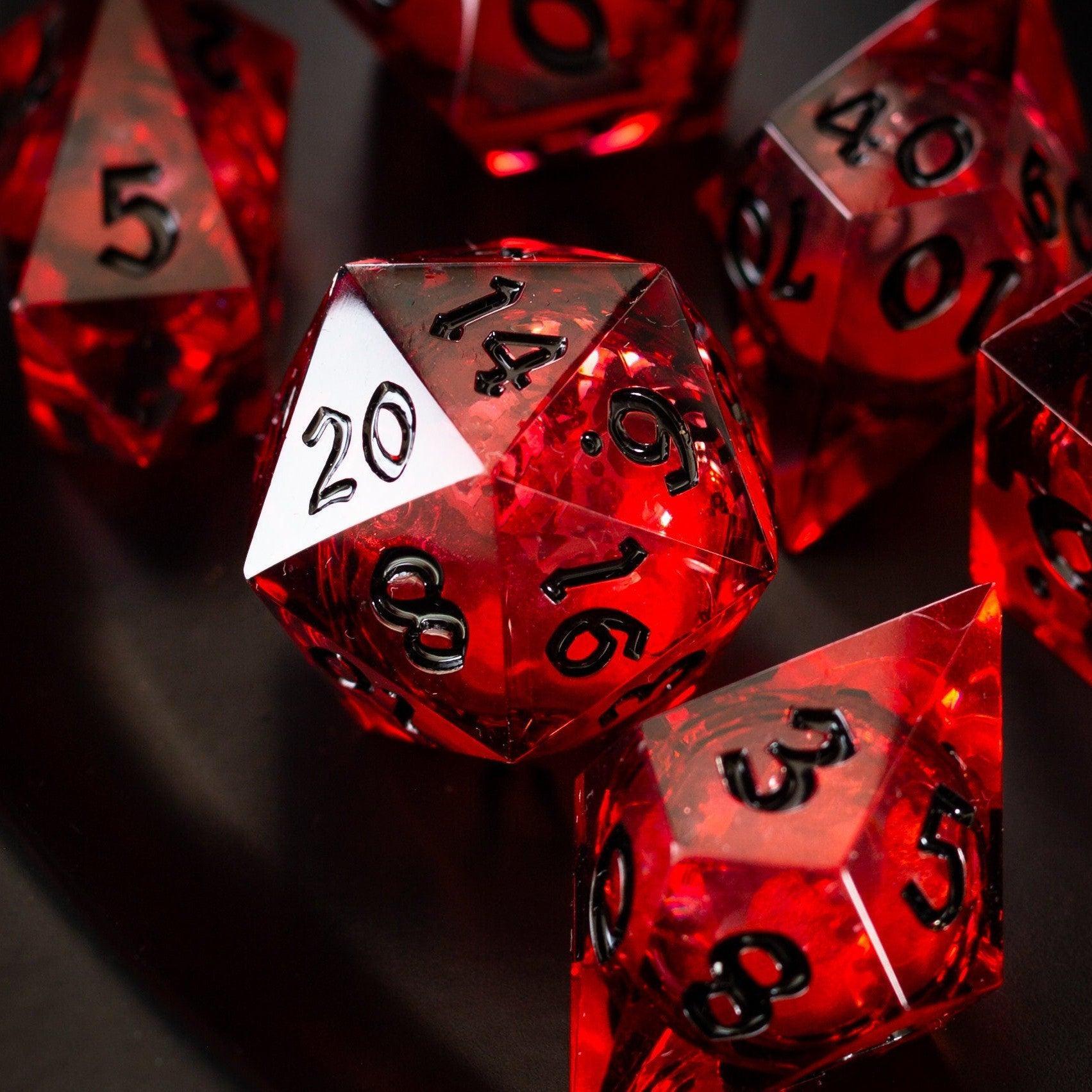
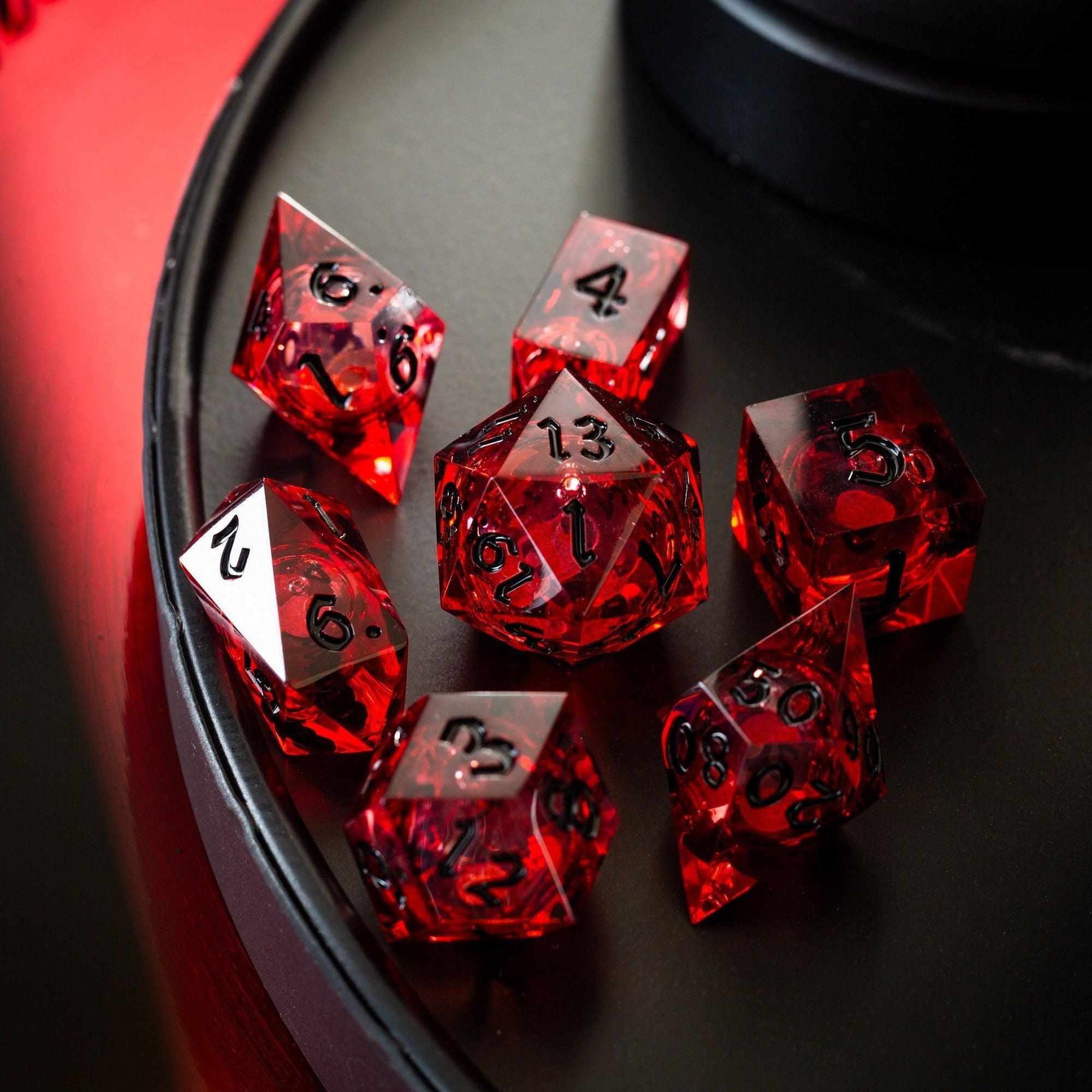
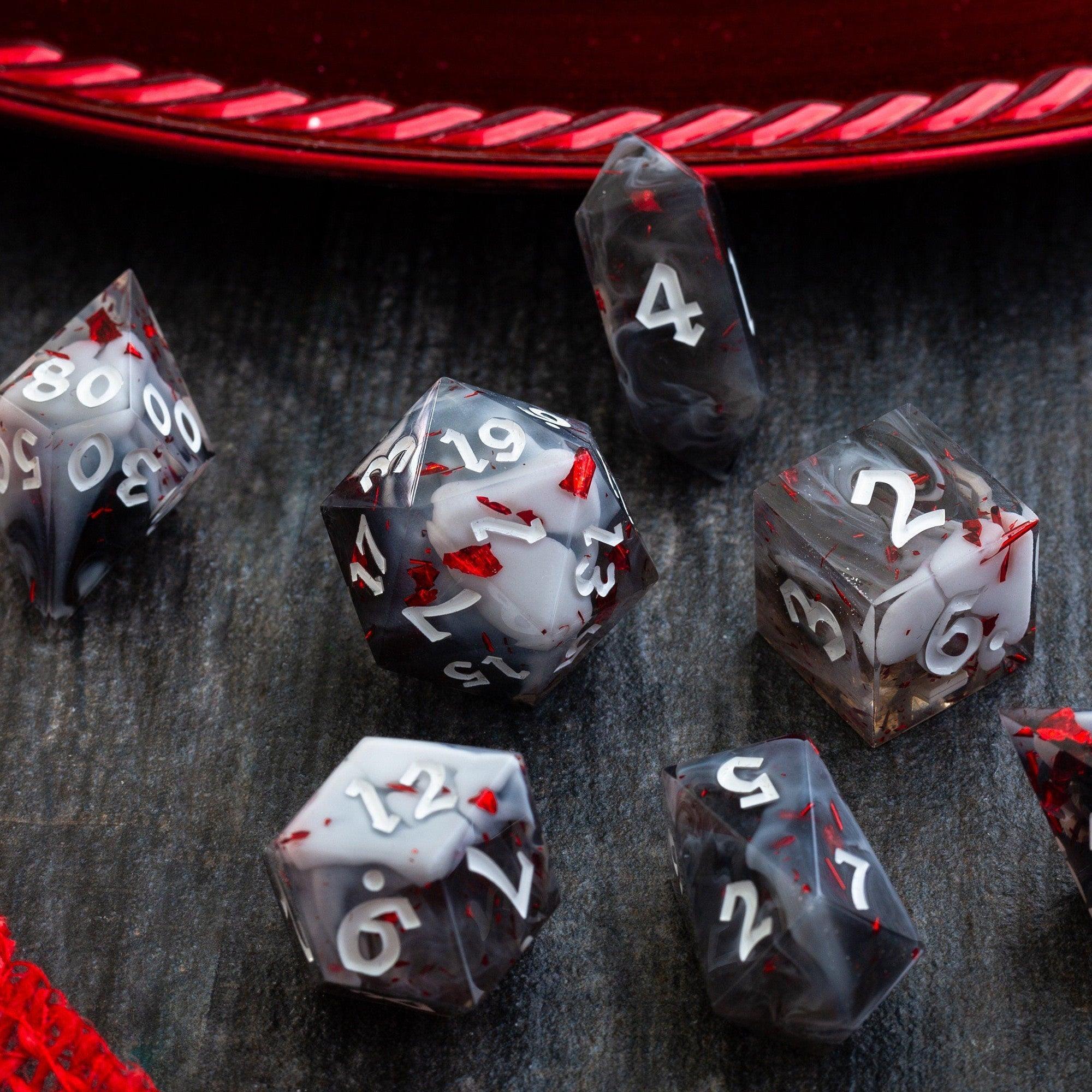
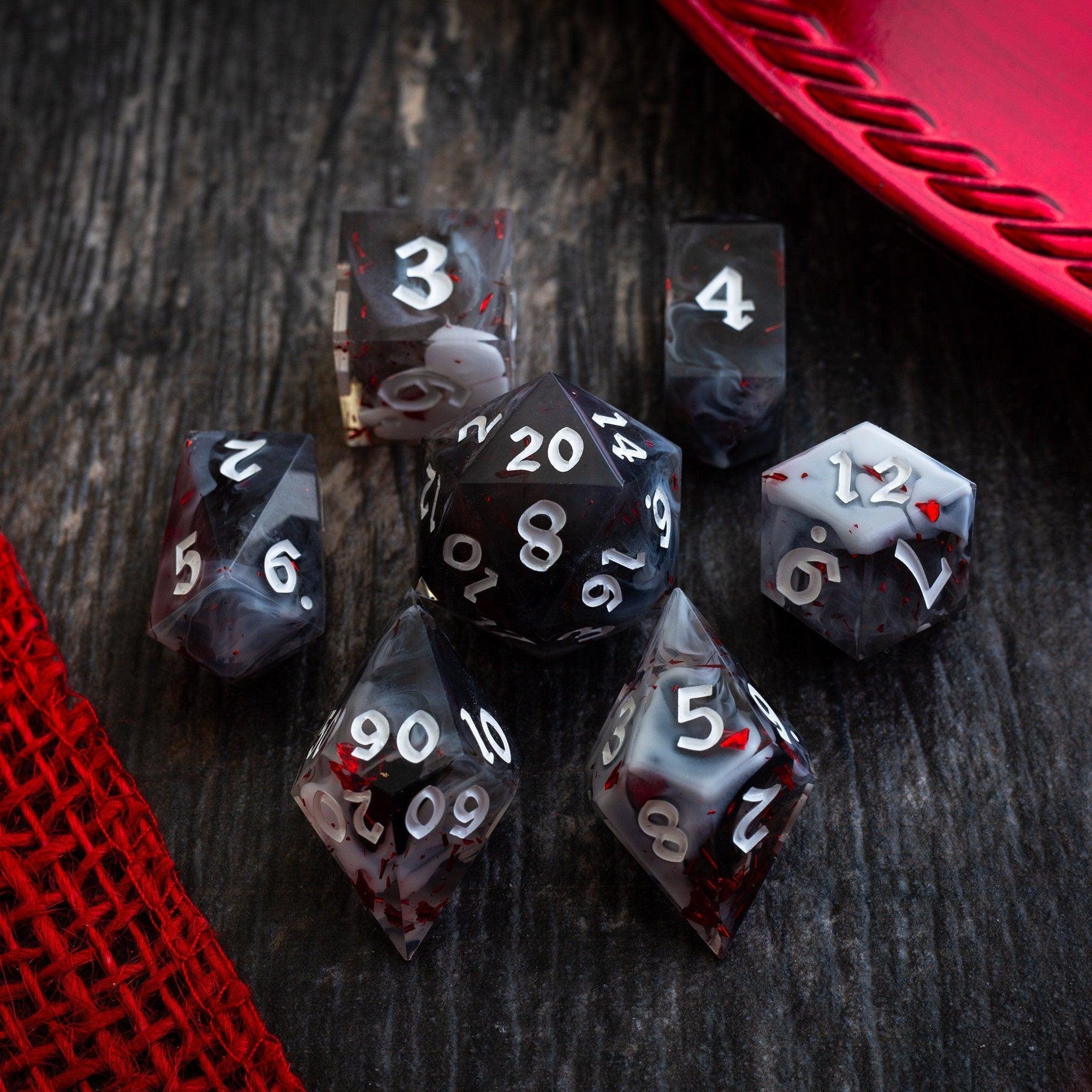
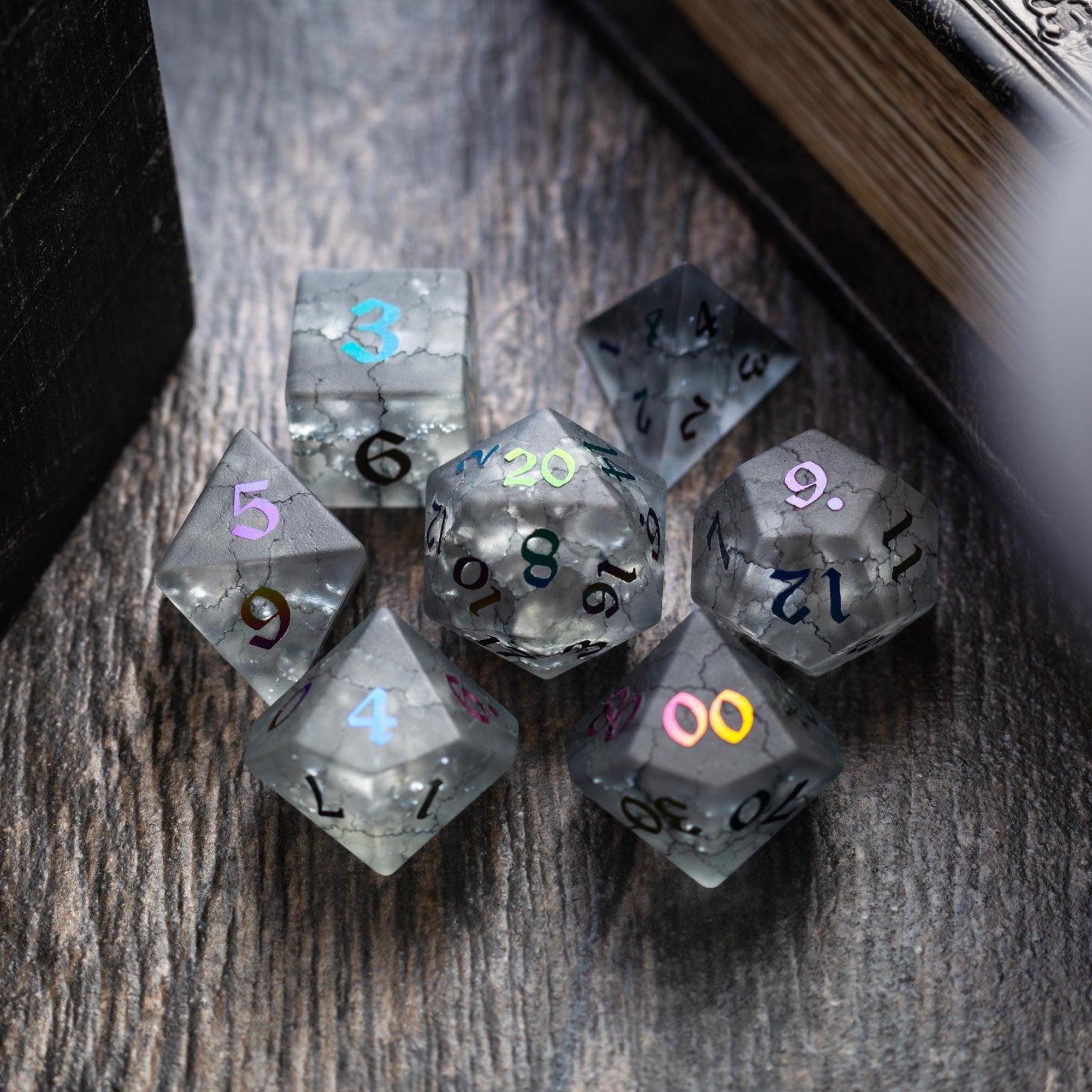
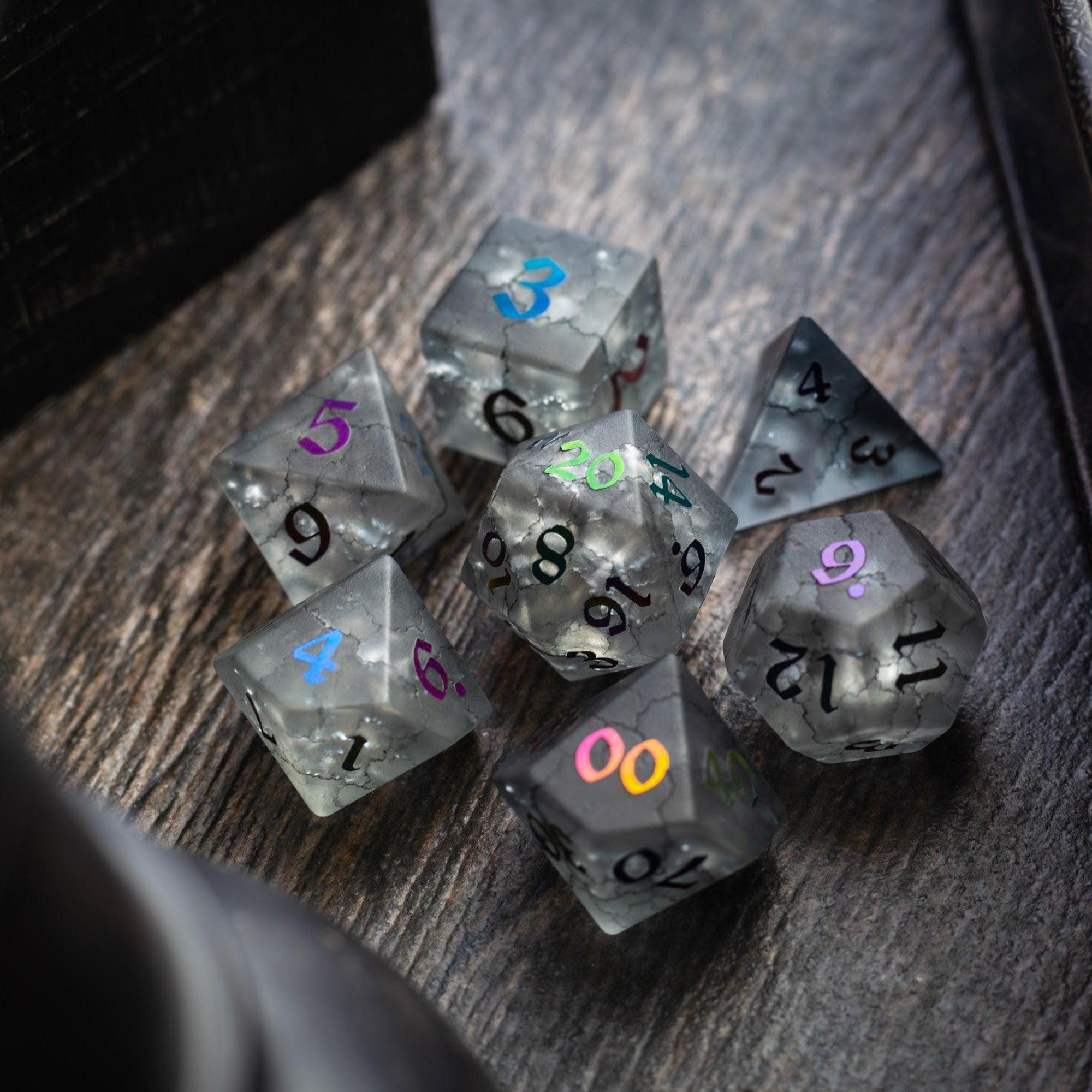
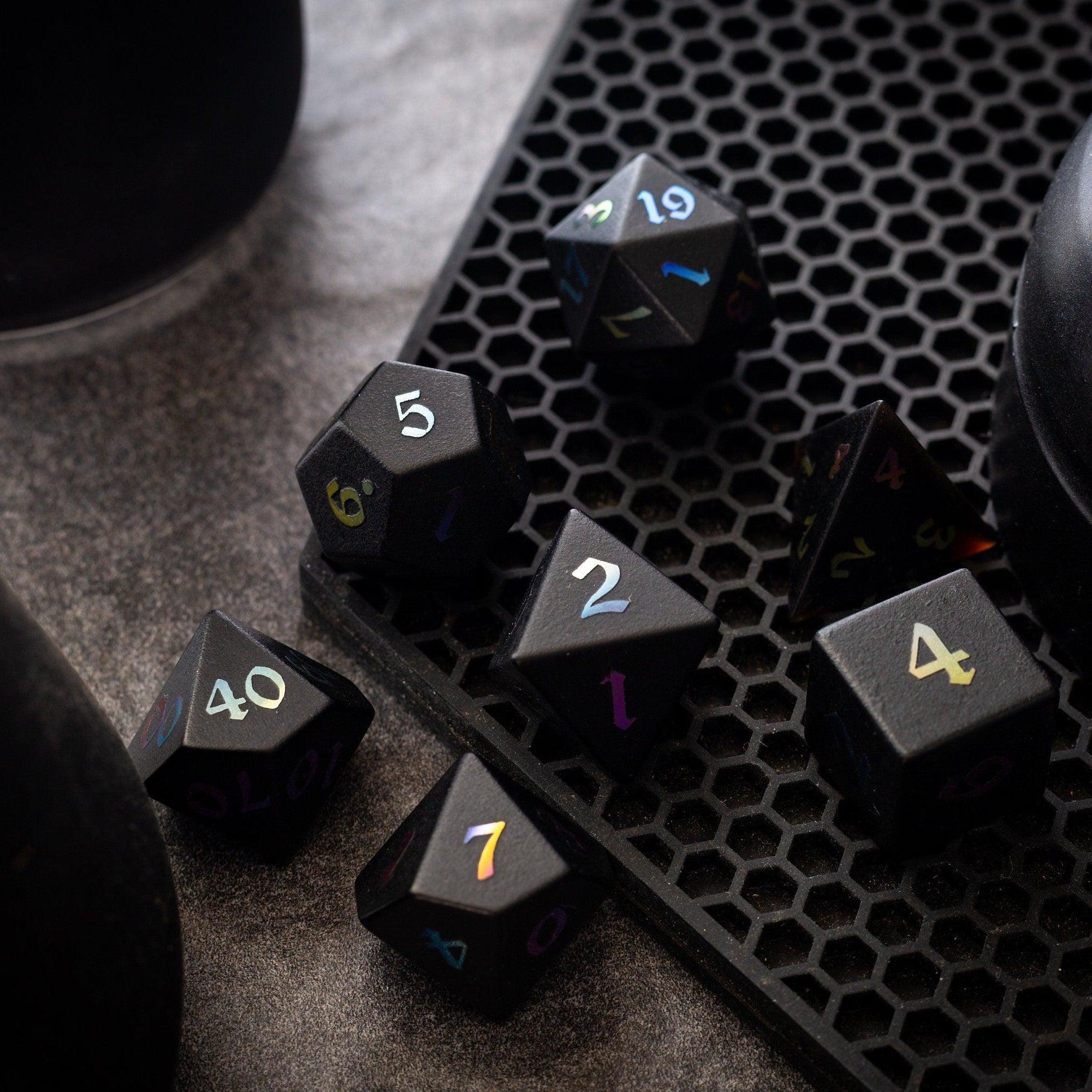
Great tabletop sessions are built on precision, personality, and presence. The right dice deliver all three. Crafted sets—whether gemstone, metal, or artisan resin—combine accurate rolling with standout design. That means your rolls feel satisfying, your character’s story pops, and your gear draws attention for all the right reasons. In this guide, you will learn how to evaluate materials, keep edges crisp, avoid micro-scratches, and choose accessories that protect your investment.
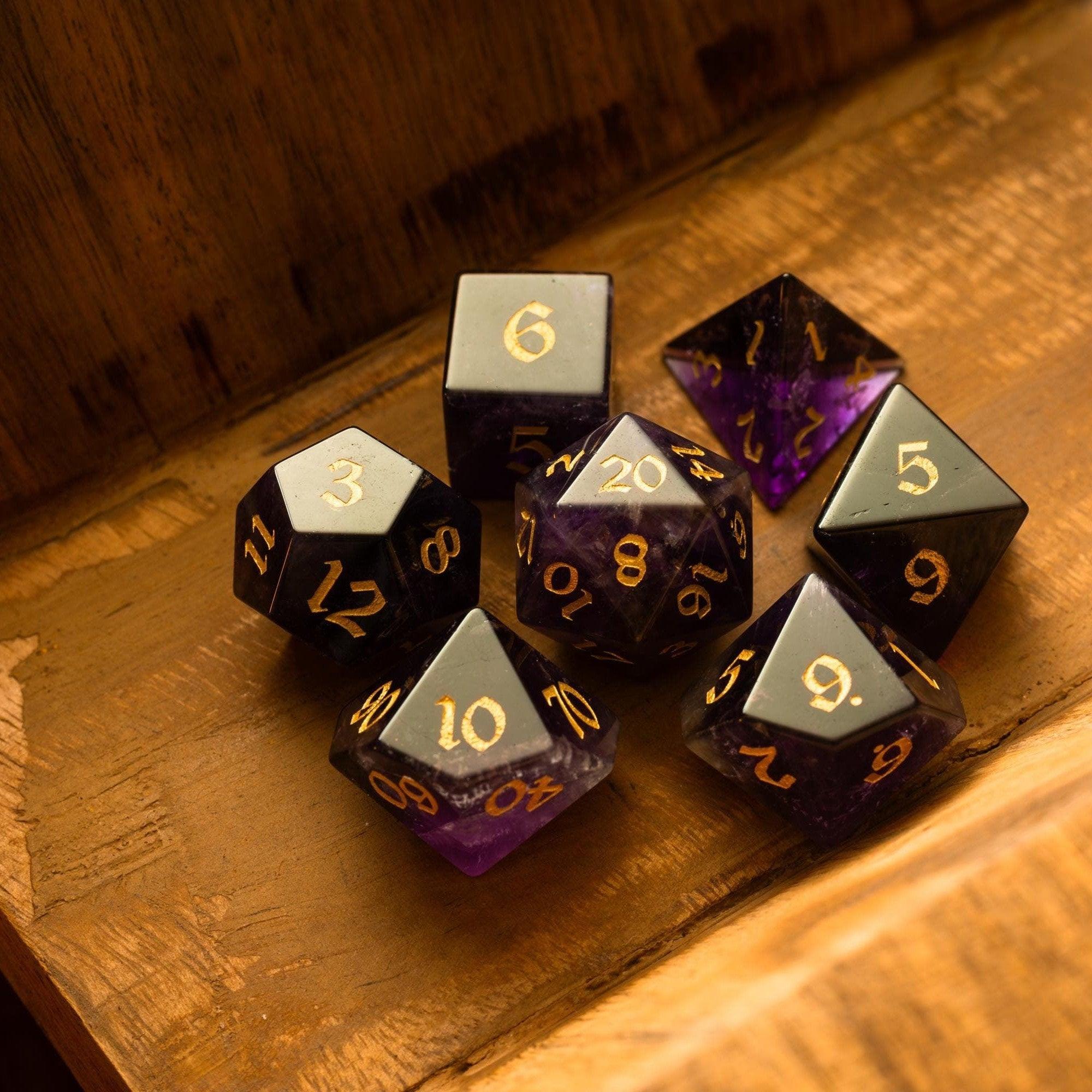
Players tell us weight, polish, and visibility matter most. Heavier dice feel impactful without being harsh on trays. Clean faces with high-contrast inking read clearly across the table. And unique materials such as quartz, obsidian, or precision-cast alloys—turn every roll into a moment. If you are starting out, gemstone sets offer a striking blend of beauty and durability. Explore crowd favorites here: Gemstone Dice.
Below you will find a step-by-step path to build, care for, and enjoy a premium collection with confidence, plus expert tips and fast answers to common questions. By the end, you will know exactly how to protect your dice and present them like a pro.
Step-by-Step Guide: Caring for collectible gaming dice
1. Define your goal.
Decide whether you want display-worthy gems, battle-ready sets for weekly games, or heirloom-quality pieces. This helps you choose between materials (gemstone, metal, resin), finishes (matte vs. high polish), and edge profiles (beveled for gentler rolls, sharp for crisp geometry).
2. Inspect on arrival.
Before your first session, examine each die under good light. Look for consistent numbering, even inking, clean points, and uniform polish. Minor stone variations are natural, but any obvious chips or misprints should be addressed immediately with the seller.
3. Choose the right rolling surface.
Use a padded tray or playmat. Soft leather or felt protects polished faces and keeps edges tight over time. Avoid glass, concrete, or bare wood. A smooth, slightly cushioned surface reduces bounce that can cause dings and quiets the table for a premium feel.
4. Store with intention.
Keep sets in individual pouches or slotted cases so pieces do not rub. Separate metals from softer materials and use microfiber-lined organizers for stone. Label each case so you can grab the right set quickly without handling every piece.
5. Clean gently by material.
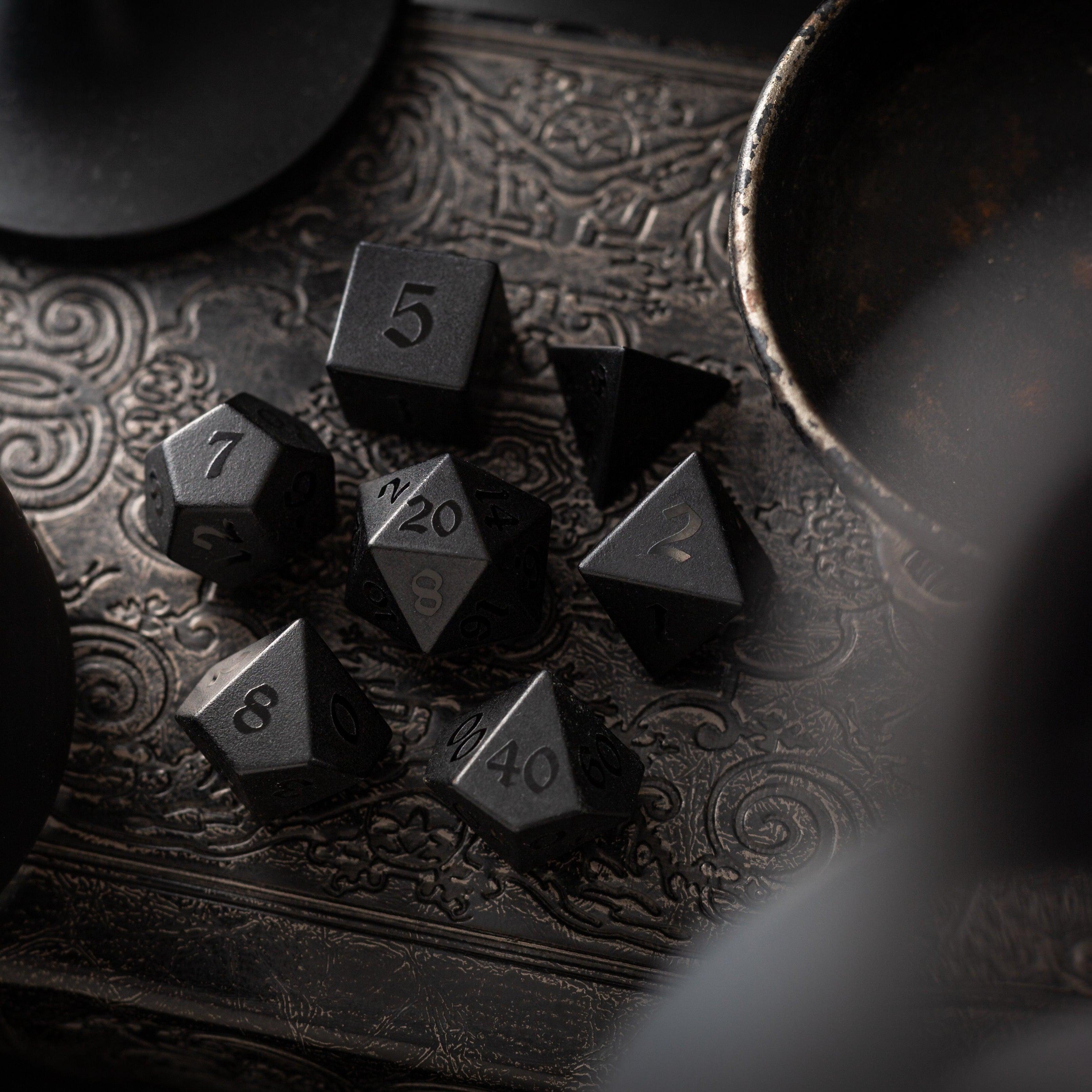
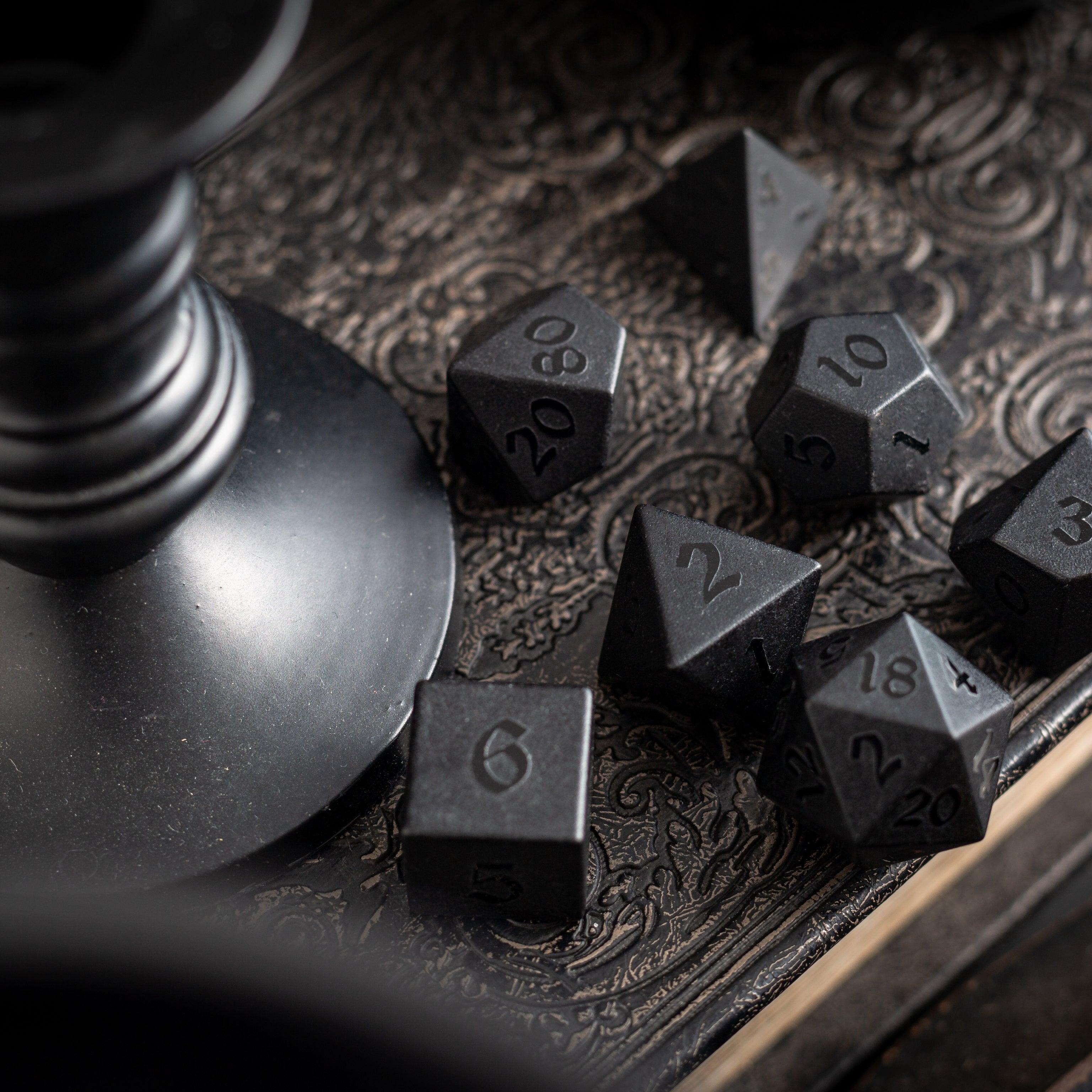
For resin, use a soft cloth slightly dampened with water. For stone, wipe with a dry microfiber and, if needed, a tiny amount of mild soap on a damp cloth—then dry immediately. For metal, use a dry cloth; if tarnish appears on certain alloys, use an appropriate gentle polish, avoiding numerals and paint fills.
6. Protect the finish.
Keep dice away from heat sources, harsh sunlight, and chemical cleaners. When travelling, pack them in foam-lined cases or a dedicated pouch. If you use dice towers, ensure the internal path is smooth and padded, especially for gemstone or sharp-edged sets.
7. Track your collection.
Maintain a simple log with material, maker, date acquired, and care notes. Add a quick photo. This helps you remember finish types, coordinate sets with characters, and document provenance if you later trade or gift a set.
8. Display thoughtfully.
Use stands or compartments with soft contact points. Rotate featured sets to reduce dust and handling. Place displays away from direct sunlight to prevent inking fade on resin and keep stone colors true.
9. Test for consistency.
Occasionally roll each die 30–50 times on a padded tray. You are not proving perfect randomness; you are checking for obvious outliers. If one die repeatedly favors a number, retire it for display and use a different set for competitive sessions.
When you are ready to upgrade, browse curated sets and compare materials side by side: Shop Runic Dice.

Tips
- Match materials to play style: gemstone for stunning table presence, resin for everyday reliability, and metal for impactful weight with a padded tray.
- Go beveled for frequent play; go sharp-edged for dramatic geometry and crisp faces, just pair with a cushioned surface.
- Choose high-contrast numbering for low-light sessions; metallic inks look elegant but prioritize readability first.
- Keep a microfiber cloth in your dice case; quick wipes after sessions prevent oil buildup and keep polish bright.
- Use individual pouches inside a larger case so sets do not scuff each other during travel.
- Photograph your collection in diffused natural light; it reveals depth in stone and reduces glare on metal.
- Gift smart: select a set that fits the recipient’s character theme, and include a tray to protect it from day one.
- Compare finish quality closely; uniform polish and consistent numbering are the best indicators of craft.
Want inspiration across materials and styles? Explore new arrivals and bestsellers in one place: All Collections.
FAQs
How do I know a premium dice set is balanced?
Look for uniform faces, clean numerals, and consistent polish. Lightly roll each die 30–50 times on a padded tray and check for obvious patterns. Perfect balance is rare across any material, but well-made sets should not show glaring bias. Avoid surfaces that can “grab” edges, and rotate between dice if you notice streaks during a session.
What is the safest way to store stone or metal dice?
Use slotted organizers or individual pouches lined with microfiber. Separate harder materials from softer ones and keep them dry. If you travel, pack them in a foam-lined case and place the case in the center of your bag for extra cushion. Store away from strong heat sources to maintain finish integrity and inking stability.
How should I clean resin, metal, and gemstone dice?
For resin, a soft, slightly damp cloth is best; dry immediately. For stone, use a dry microfiber; if needed, apply a hint of mild soap with water, then dry completely. For metal, start dry; if tarnish appears on compatible alloys, use a gentle polish sparingly and avoid numerals and paint fills. Never use abrasive pads or harsh chemicals.
What makes a set a good gift for game masters or collectors?
Choose a set that matches their table vibe: high-contrast numbering for practical sessions, gemstone for display, or metal for dramatic rolls. Include a padded tray or pouch to protect the finish. If you are unsure of materials, look at their current set—then upgrade the look, weight, or readability by one level. For store policies and general questions, visit the Store FAQ.
Common feedback from players: “The weight feels great,” “Numbers are easy to read,” and “Polish stays brilliant after months of weekly games.” If you want that experience on your table, start with a single signature set, add a tray, and protect the finish from day one. Ready to roll? Secure your first set of collectible gaming dice today.








Leave a comment
This site is protected by hCaptcha and the hCaptcha Privacy Policy and Terms of Service apply.