

The Complete Guide to D&D Dice: Types, Sets, and How to Choose the Right Ones
Whether you're a seasoned Dungeon Master or picking up your first character sheet, choosing the right dice is part of the fun of tabletop gaming. With options ranging from polyhedral dice sets to individual d20s, percentile dice, and unusual shapes such as d2 dice, it can be difficult to know what you actually need. This guide explains the standard Dungeons and Dragons dice, what each die does, when single dice are useful, and what to consider when choosing a set for your game.
What Are Polyhedral Dice?

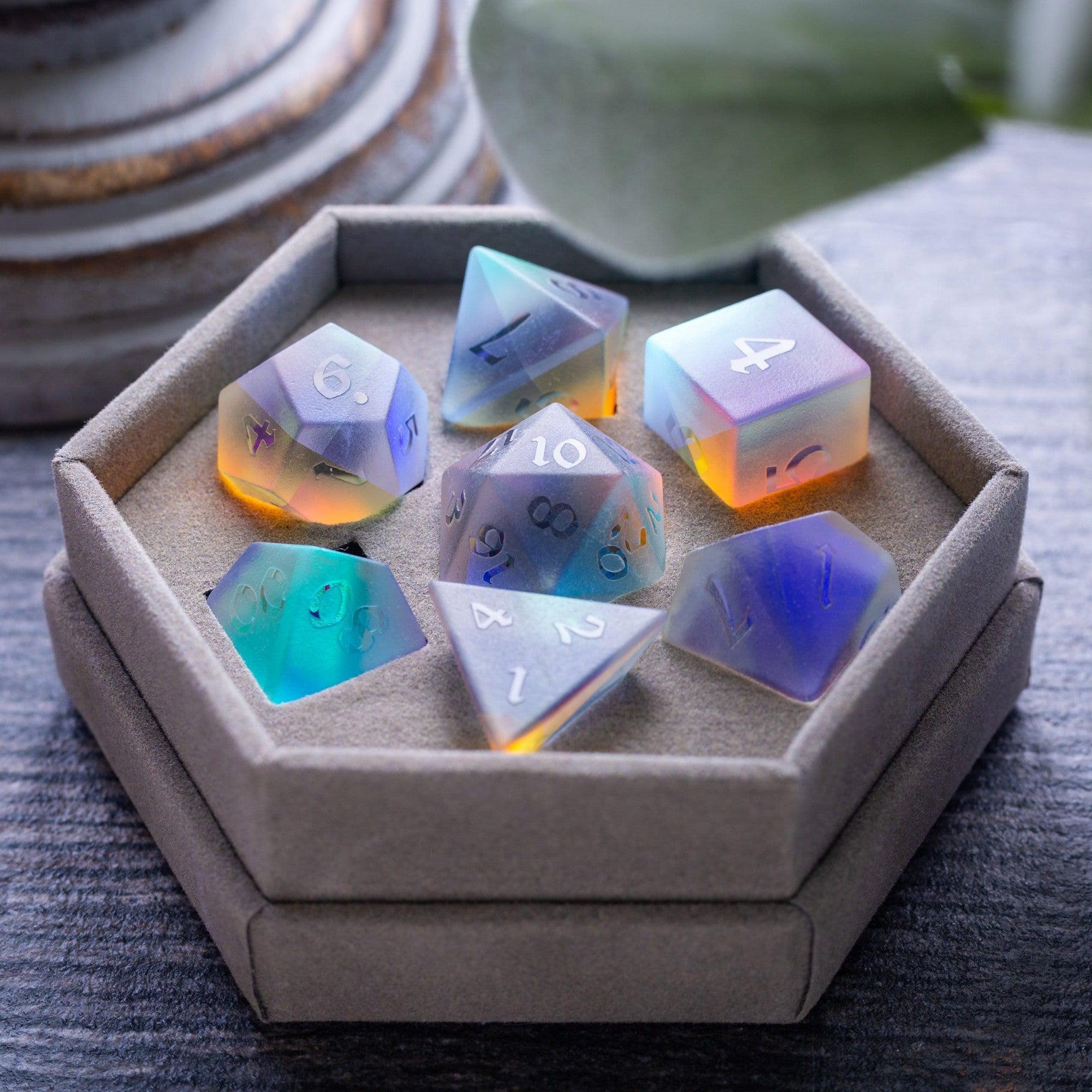
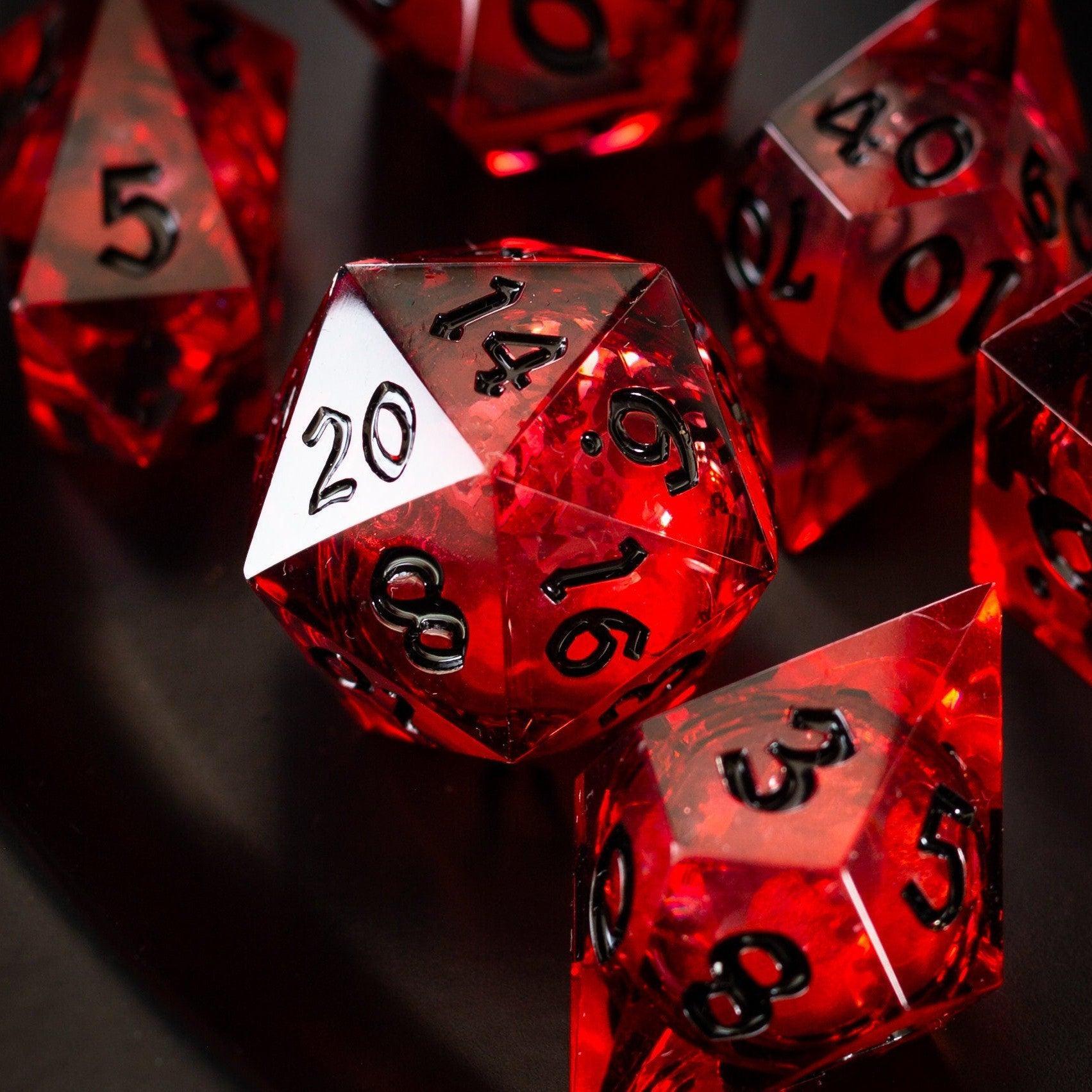
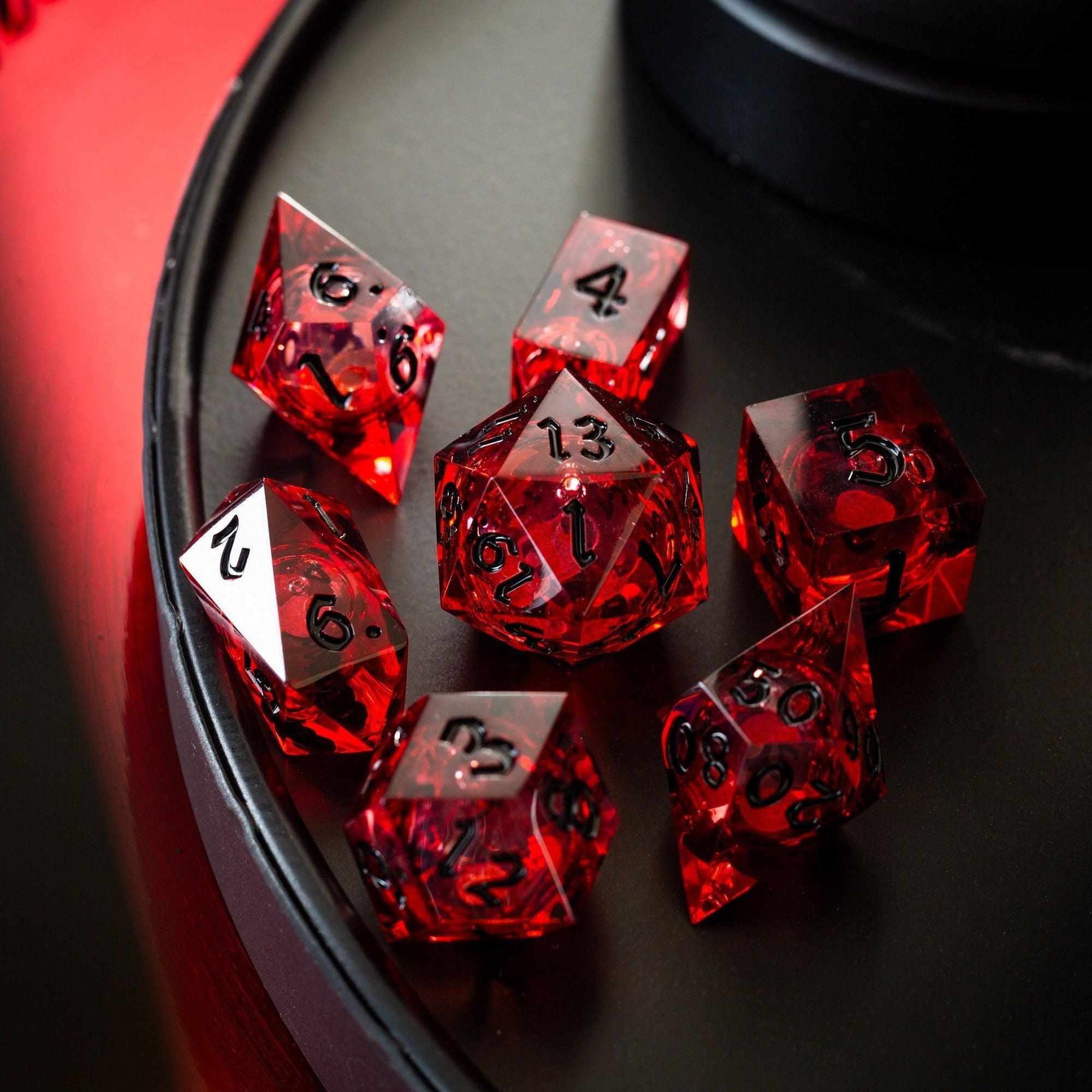
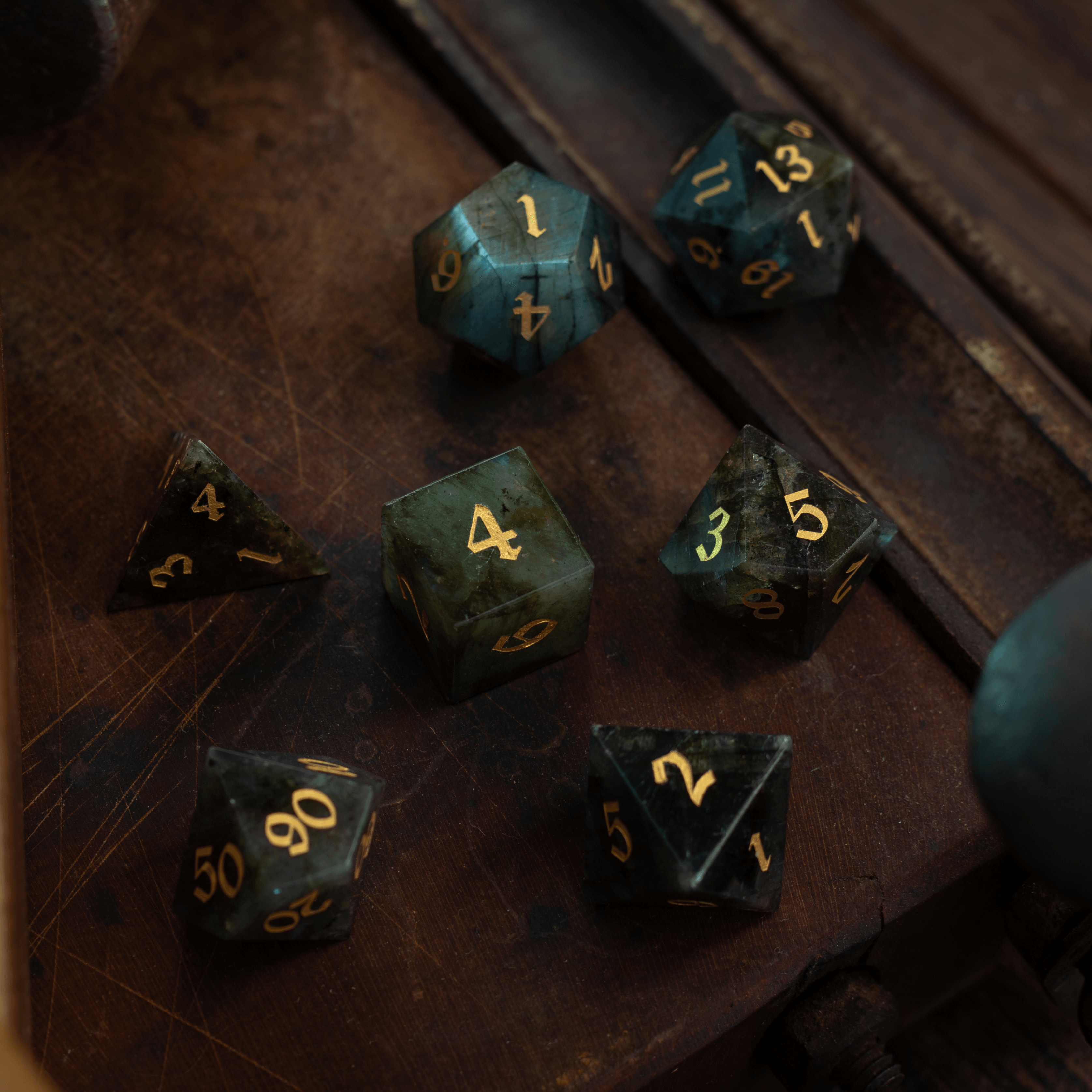
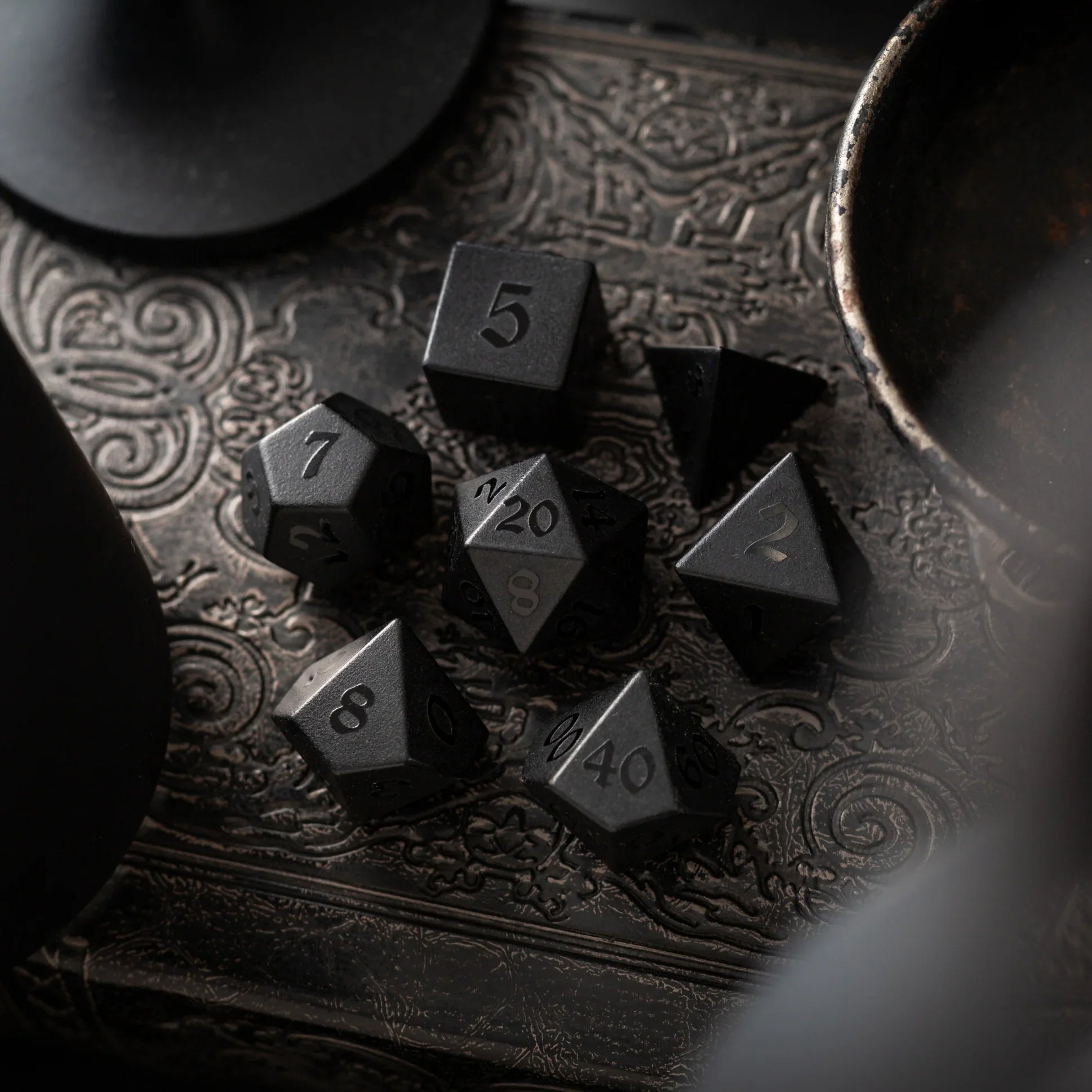
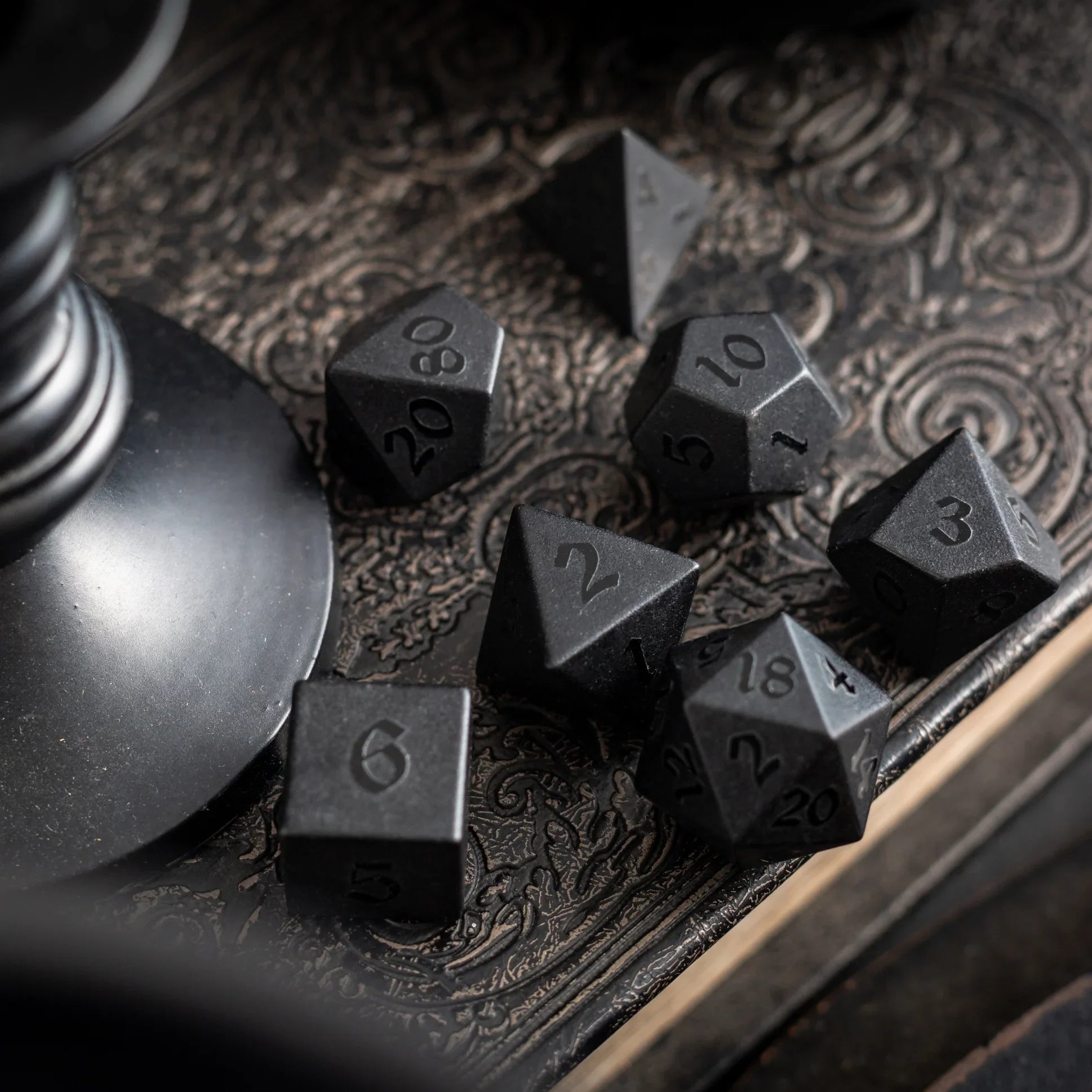
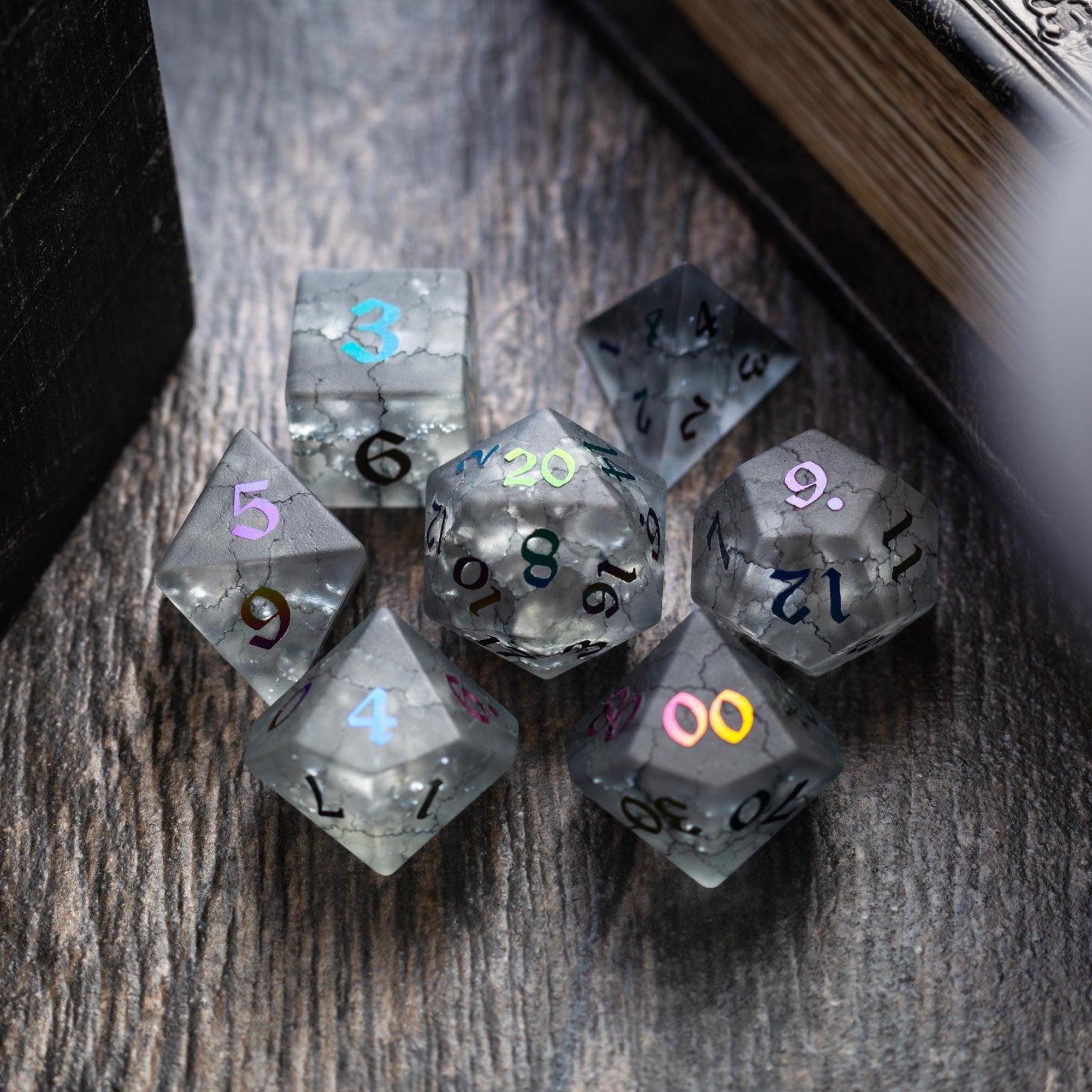
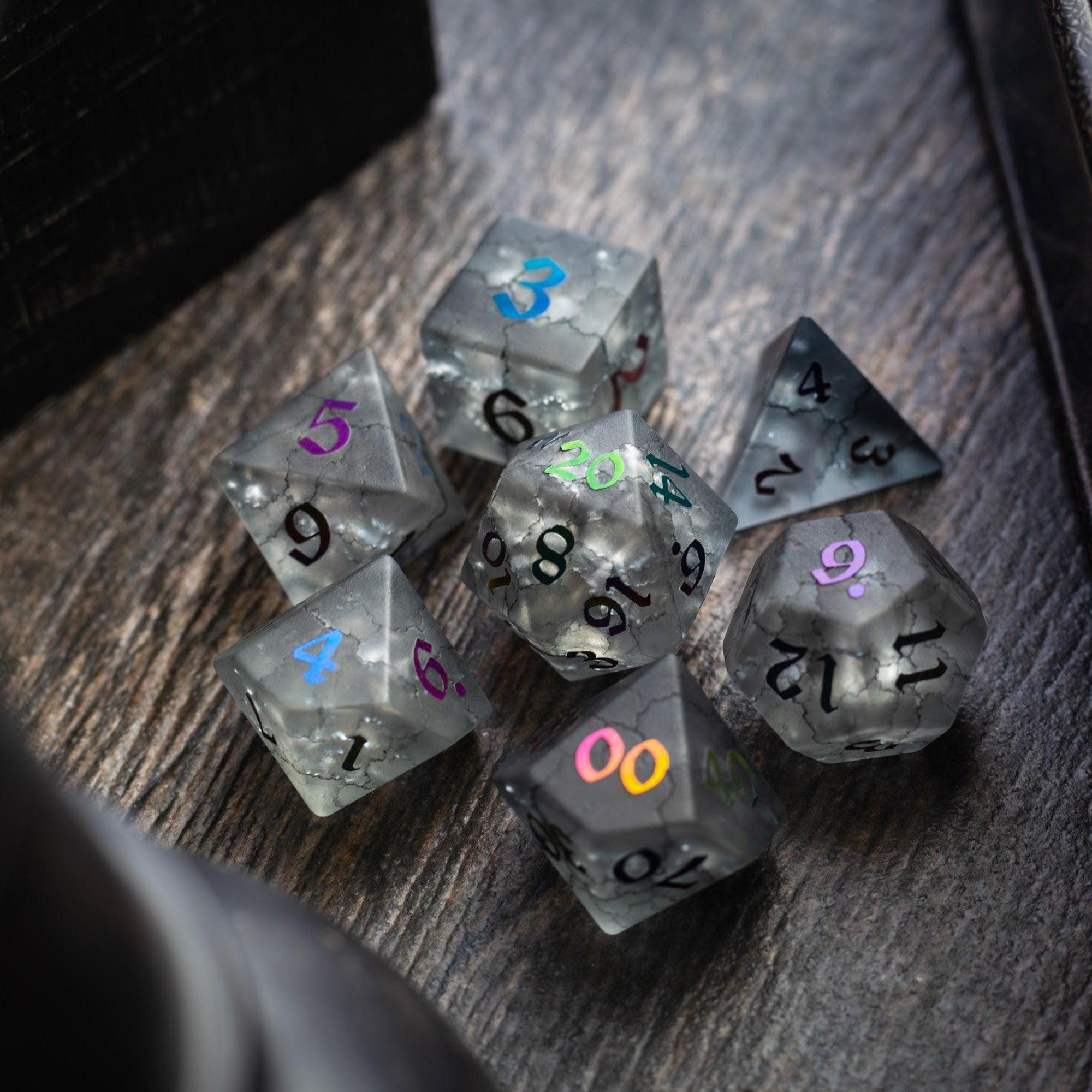
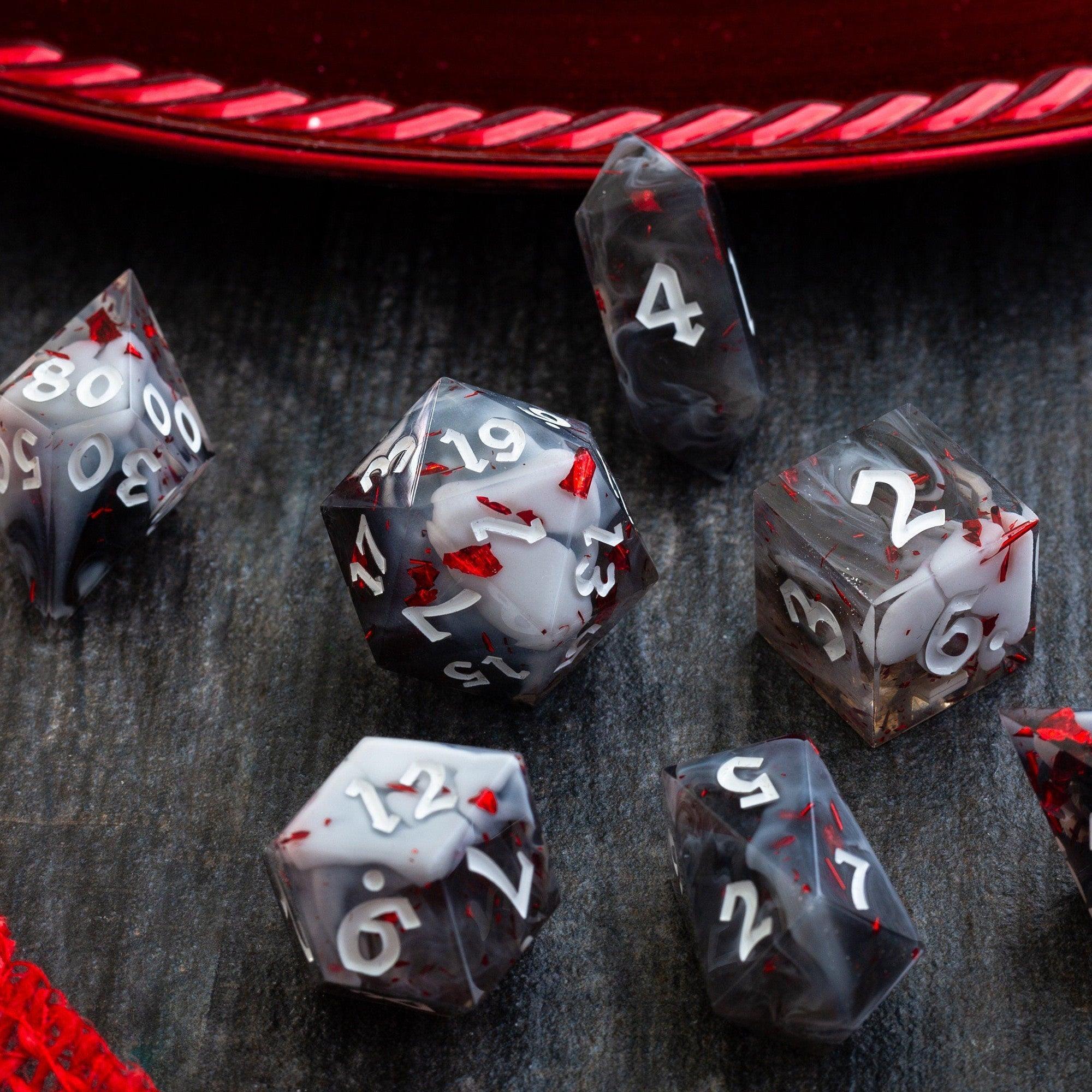
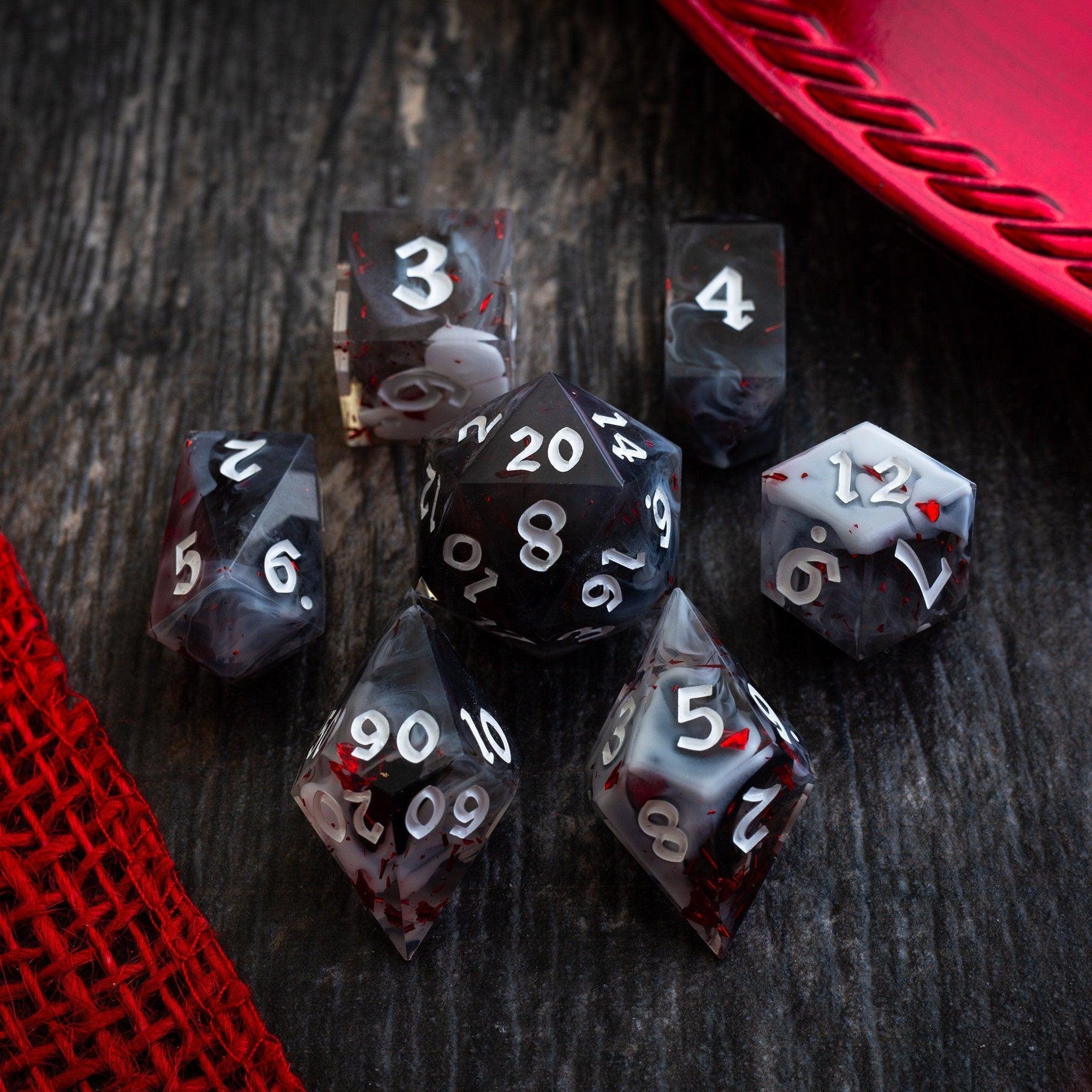
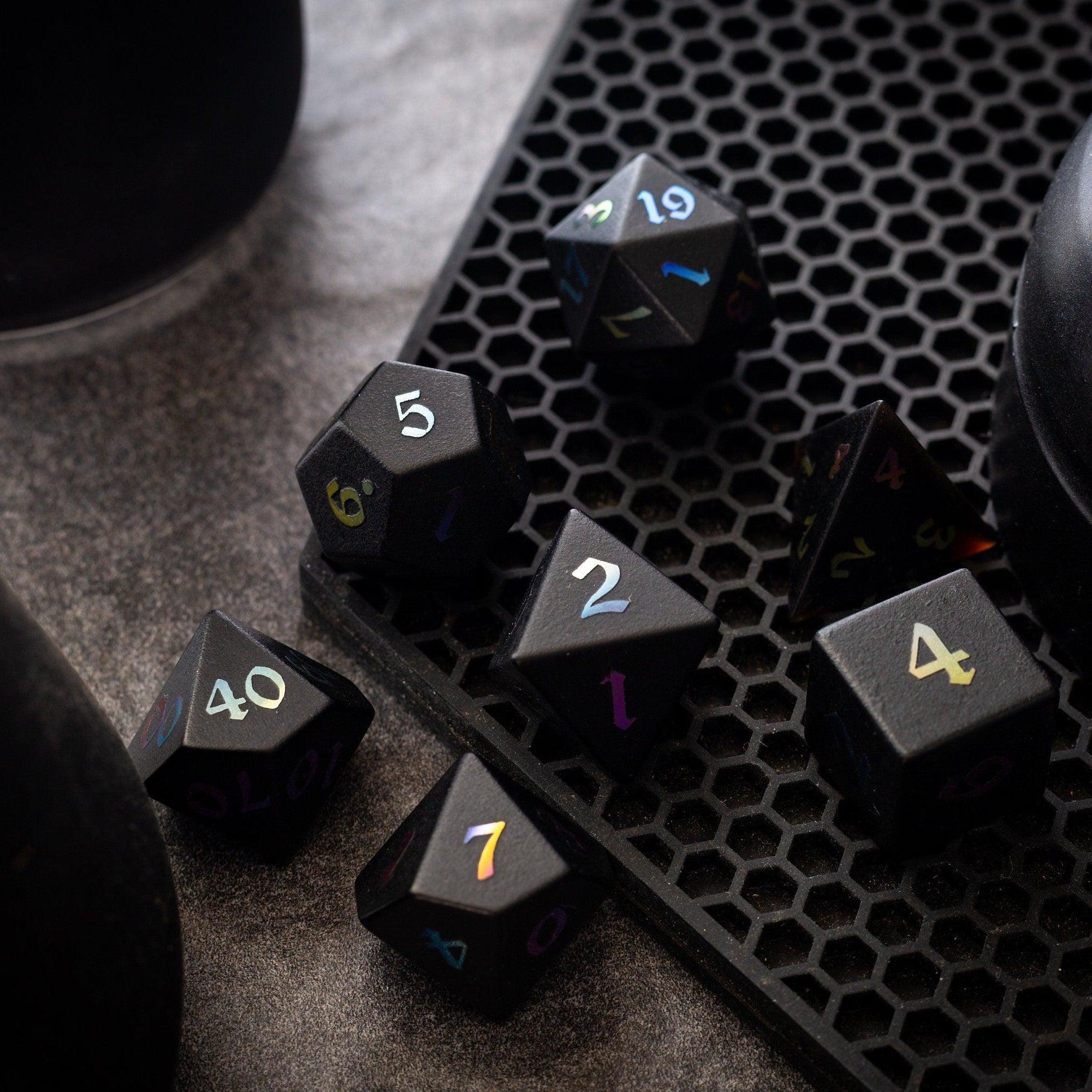
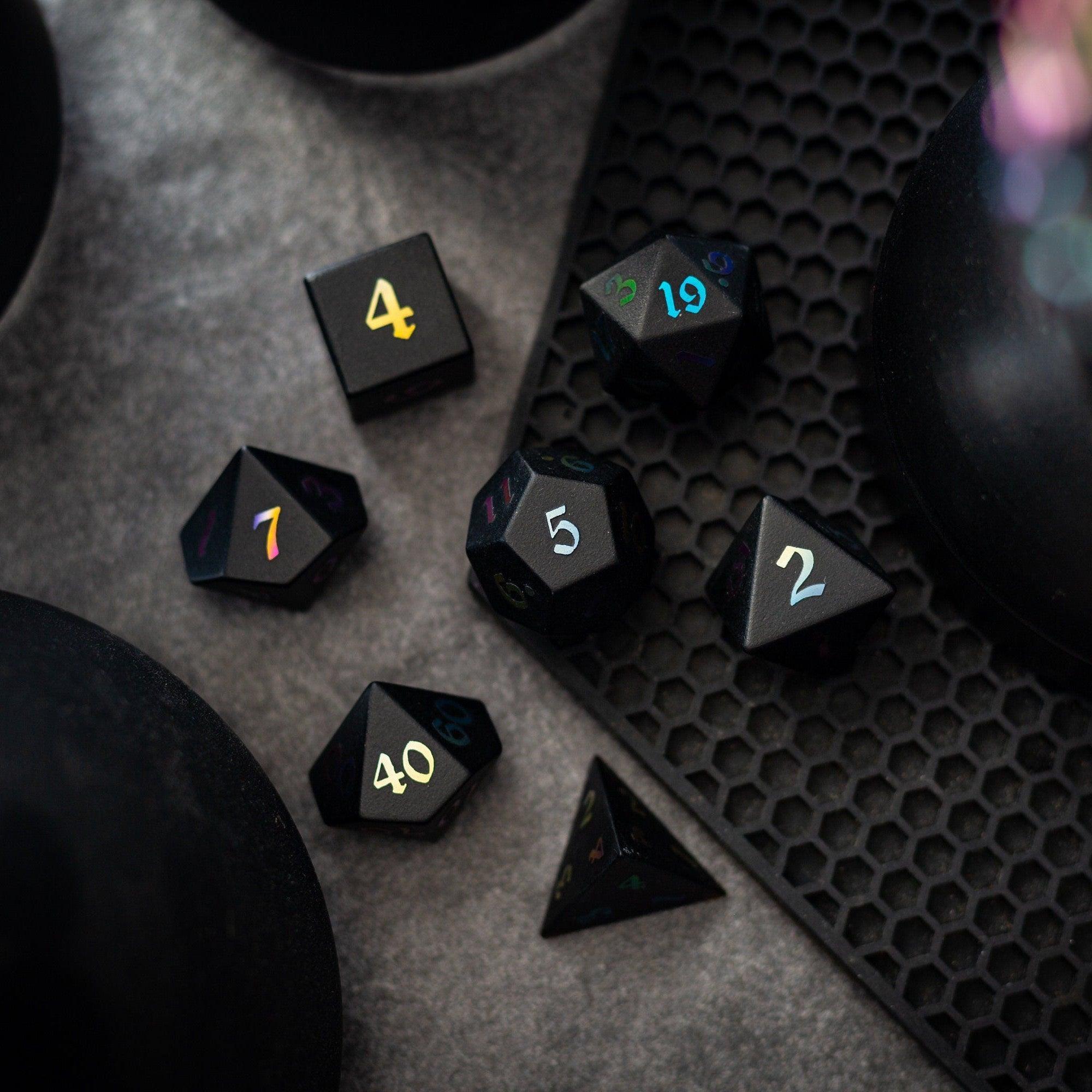
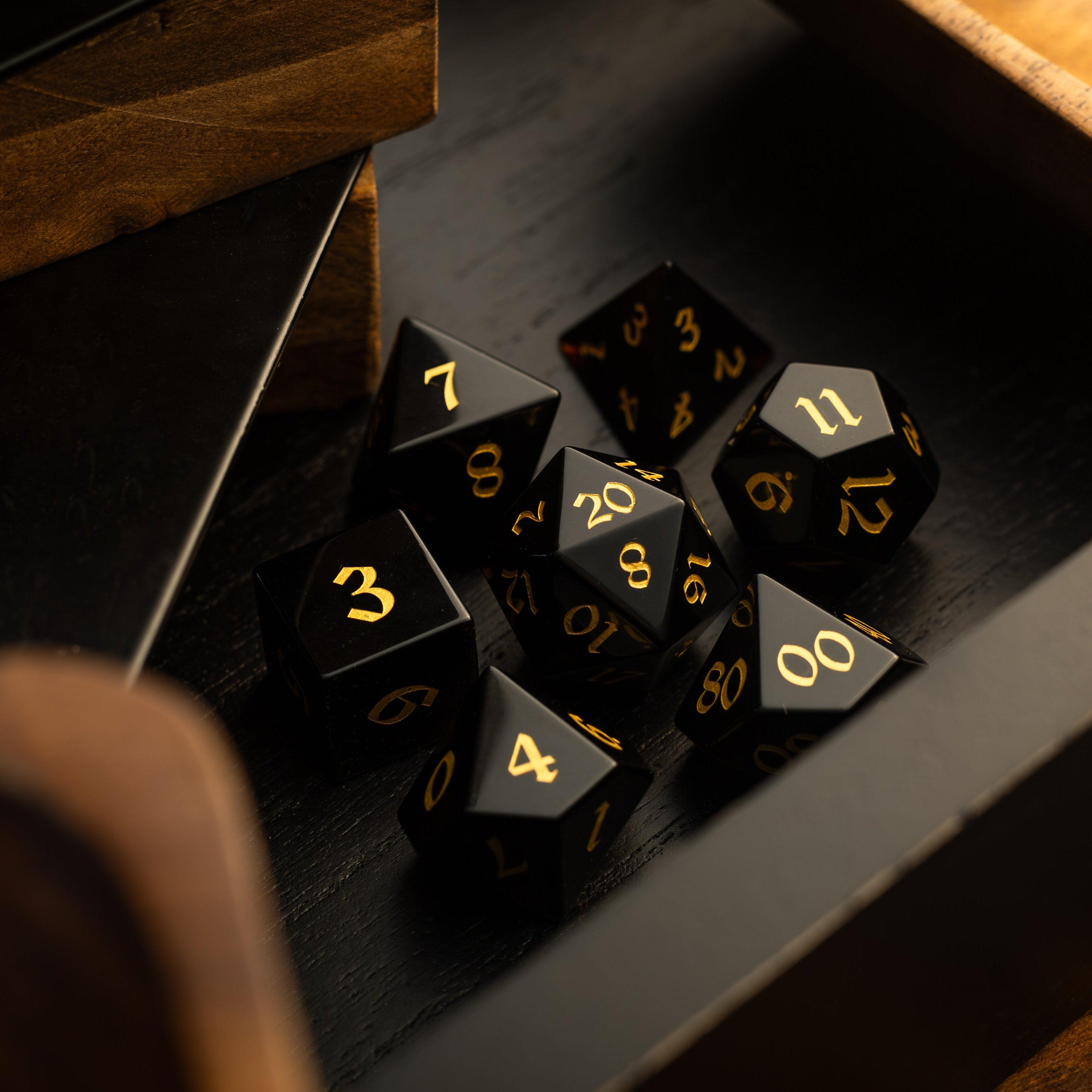
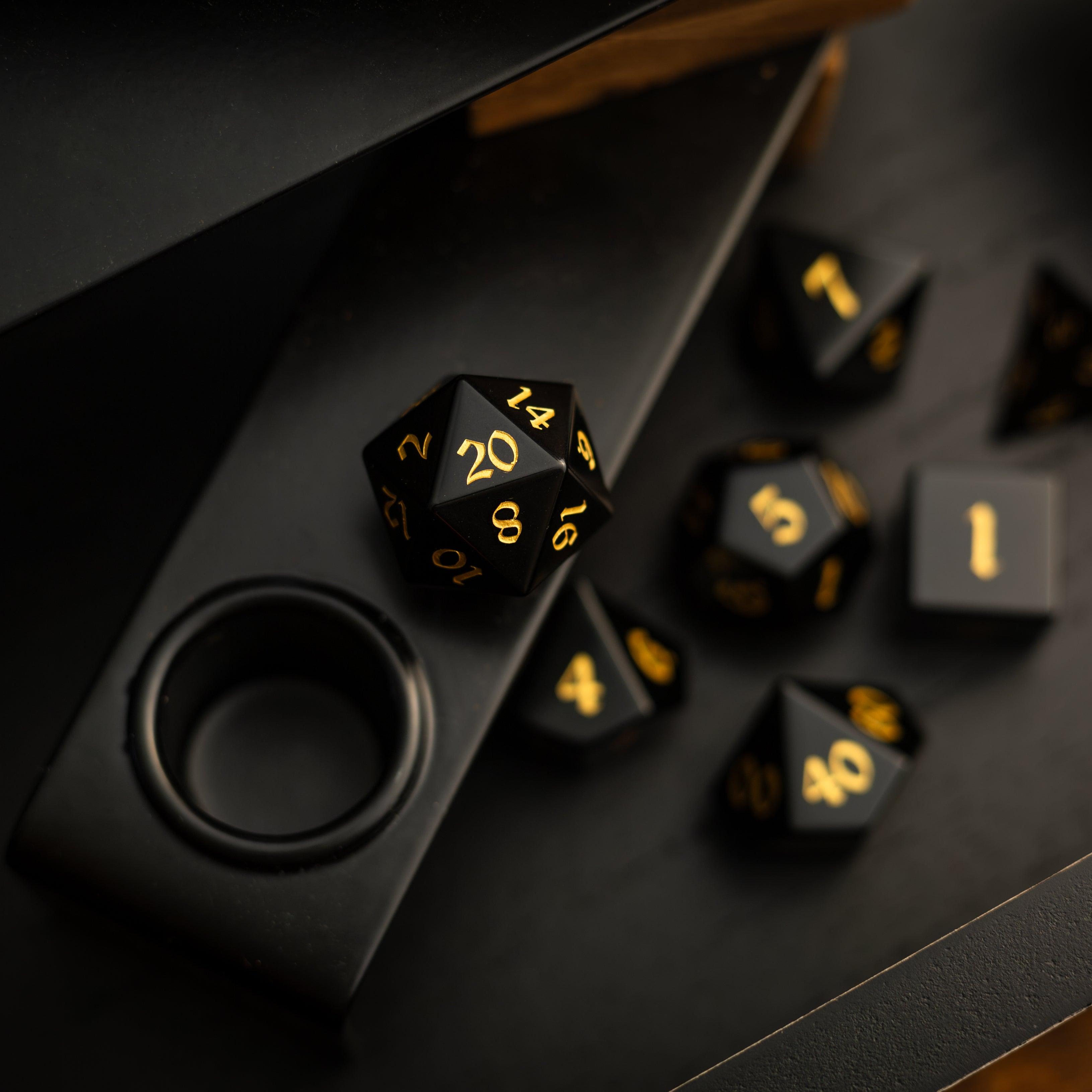
A standard polyhedral dice set for Dungeons & Dragons typically contains seven dice: a d4, d6, d8, d10, d12, d20, and a percentile die (d%). The number after the "d" tells you how many faces the die has. A d20 has 20 faces, for example, while a d6 is the familiar six-sided die.
Each die has different uses depending on your character, equipment, spells, and other game rules. Under the current D&D rules, the d20 is especially important because ability checks, saving throws, and attack rolls are all types of D20 Tests. Damage and other effects often use the smaller polyhedral dice instead.
-
d4: Commonly appears in lower-damage weapons, healing, spells, and other effects. Magic Missile, for example, uses d4s for its damage.
-
d6: Used by many weapons, spells, class features, and other damage or healing effects.
-
d8: Common for weapon damage, healing, class Hit Point Dice, and numerous spell effects.
-
d10 and d%: A d10 can appear in damage and other effects, while two ten-sided dice can work together for percentile rolls from 1 to 100.
-
d12: Often associated with powerful damage rolls and features that call for a larger damage die.
-
d20: Used for D20 Tests, including attack rolls, ability checks, and saving throws.
You may also encounter unusual dice such as d2, d24, or d30 dice. These are not part of the standard seven-piece D&D dice set and are not normally required for regular play. A d2 simply represents two possible results and can often be replaced by a coin or another method that gives equal odds. Unusual dice can still be useful in homebrew systems, random tables, or other tabletop RPGs that specifically call for them.
Dice Sets vs. Single Dice

New players usually get the most use from a complete DND dice set because it provides every standard die needed for play. One seven-piece set is enough to begin, although having extra dice can make rolls involving several of the same die faster and more convenient.
Single dice make more sense when you need to replace a missing die or regularly roll several of one type. A character who frequently rolls multiple d6s for damage, for example, may find extra d6 dice more practical than buying another complete set. Some players also collect individual d20s because the d20 appears so often during a typical D&D session.
Players can also choose different D&D dice for different characters. This does not change the rules or probabilities of the game, but it can make organizing several characters easier and add a personal touch to the table.
Where to Buy D&D Dice Online

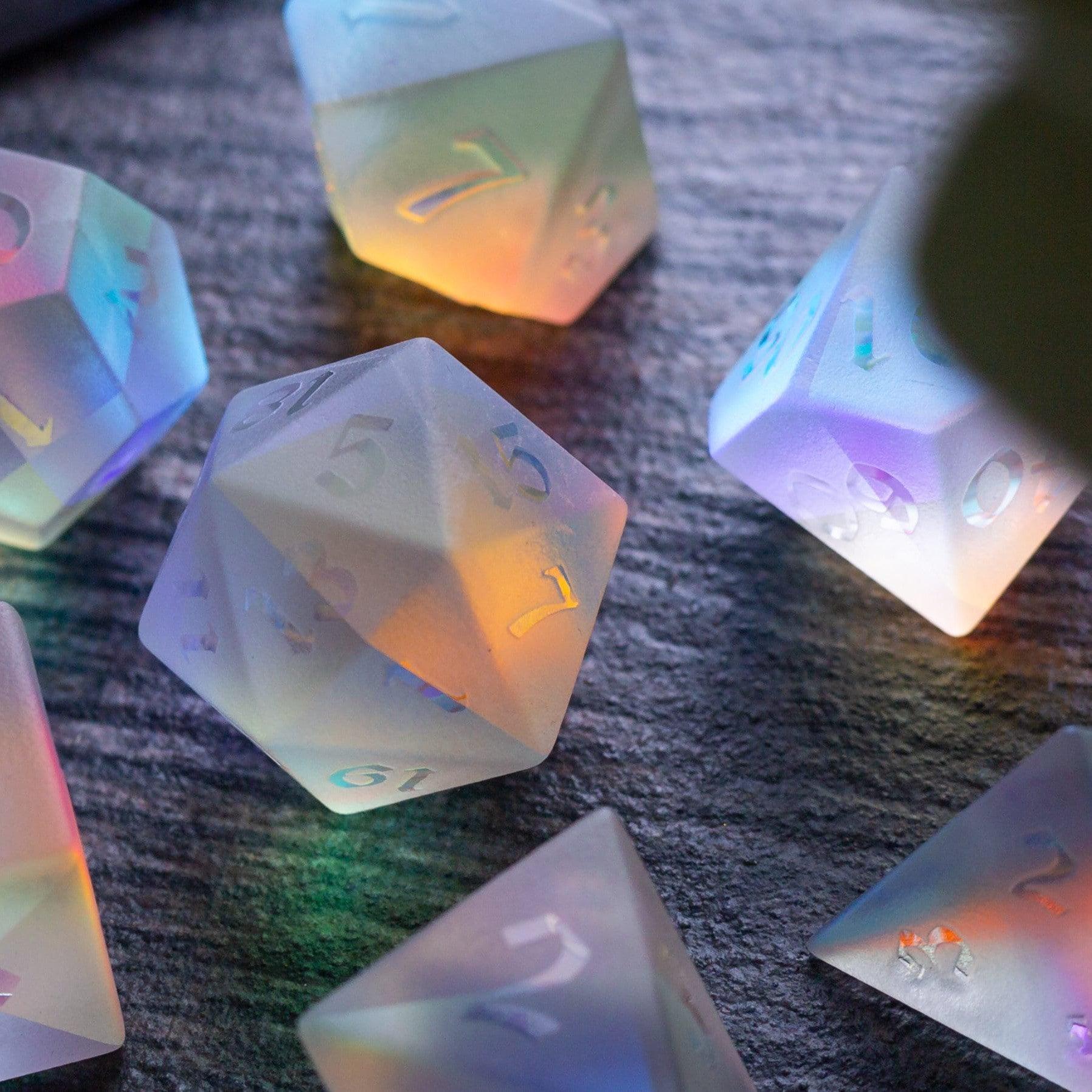
When shopping at a DND dice store or dice website, look beyond appearance. Clear numbering, suitable size, comfortable handling, material, and storage needs can matter just as much as color. Runic Dice carries Dungeons and Dragons dice in several materials and styles, giving players options based on how they prefer their dice to look and feel.
-
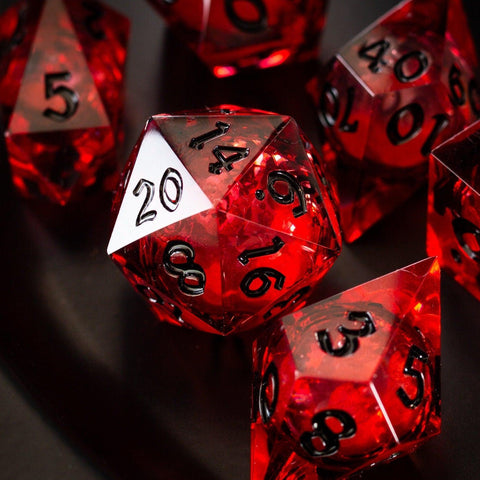
Resin dice are lightweight and can support a wide variety of colors, inclusions, patterns, and sharp-edge designs.
-
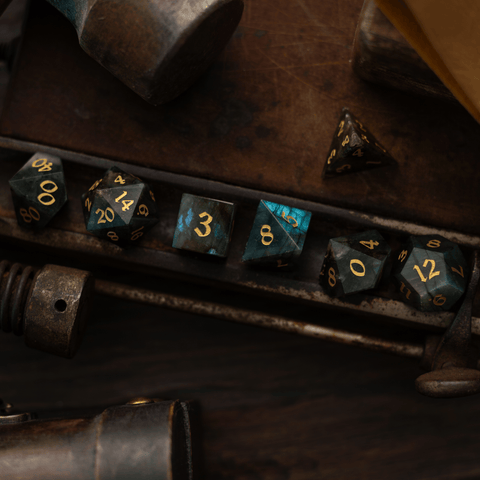
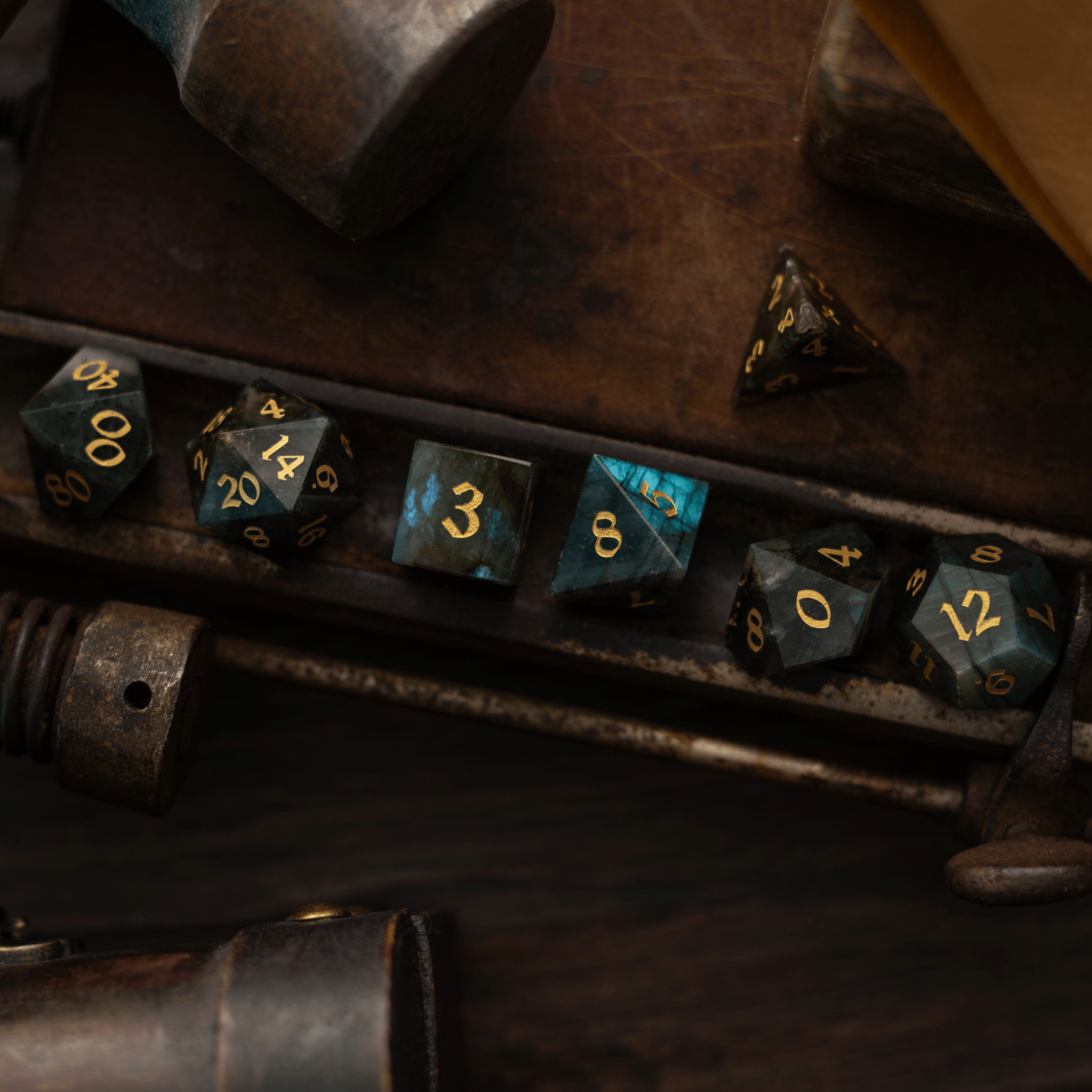
Gemstone dice use natural or stone-based materials and may have individual variations in color and pattern. They should generally be rolled and stored with more care than standard resin dice.
-
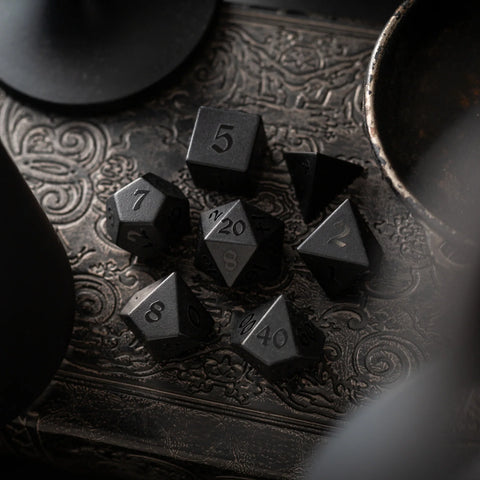
Metal dice are noticeably heavier than resin sets. A padded dice tray is useful for reducing noise and protecting both the dice and the playing surface.
-
Glass dice can provide distinctive colors and finishes but should be protected from hard impacts and stored carefully between sessions.
Whatever material you choose, readability matters. Decorative dice can look impressive in photographs but become frustrating if the numbers disappear against the background during actual play. Strong contrast between the numerals and the die makes results easier to read across the table.
The Best Dice Sets for Specific Classes
There is no mechanical requirement to use a certain dice set for a particular D&D class. Class-themed dice are mainly a matter of organization and personal style. A Wizard might use a bright glass or glittering resin set, while a Barbarian player may prefer the weight of metal dice. A Rogue could choose dark dice with highly visible numbering, while a Cleric might prefer gemstone or light-colored designs.
The more practical question is which dice your character rolls most often. Your weapons, spells, class features, and other abilities determine which dice appear repeatedly during play. Keeping extra copies of frequently used damage or healing dice can save time because you can roll several at once rather than rerolling the same die repeatedly.
For more character-based ideas, see our Best Dice Sets for Every Class Guide.
Choosing Your Perfect Dice Set

The best Dungeons and Dragons dice set is one that works comfortably at your table. Appearance matters, especially for collectors, but practical details become more noticeable after several hours of play.
-
Material: Resin is lightweight and versatile, metal is heavier, and gemstone or glass sets require more careful handling.
-
Readability: Look for numerals that contrast clearly with the background of each die.
-
Size and weight: Make sure the dice feel comfortable to pick up, roll, and read during a long session.
-
Storage and rolling surface: Dice bags, cases, vaults, and trays can help keep sets organized and protect more delicate materials.
-
Character theme: Color and design can help distinguish dice belonging to different characters or campaigns, but theme should not come at the expense of readability.
For a new D&D player, one standard seven-piece polyhedral set is the simplest place to start. As you learn your character, you may decide that extra d6s, d8s, d10s, or another d20 would make your rolls faster. Collectors may care more about materials and craftsmanship, while frequent players may put readability and durability first.
There is no single set that every player needs beyond the standard dice required by the game. Start with the basics, pay attention to which dice you use most often, and build your collection around the way you actually play. A good set of Dungeons and Dragons dice should be easy to use, easy to read, and enjoyable to bring to the table session after session.

Leave a comment
This site is protected by hCaptcha and the hCaptcha Privacy Policy and Terms of Service apply.