
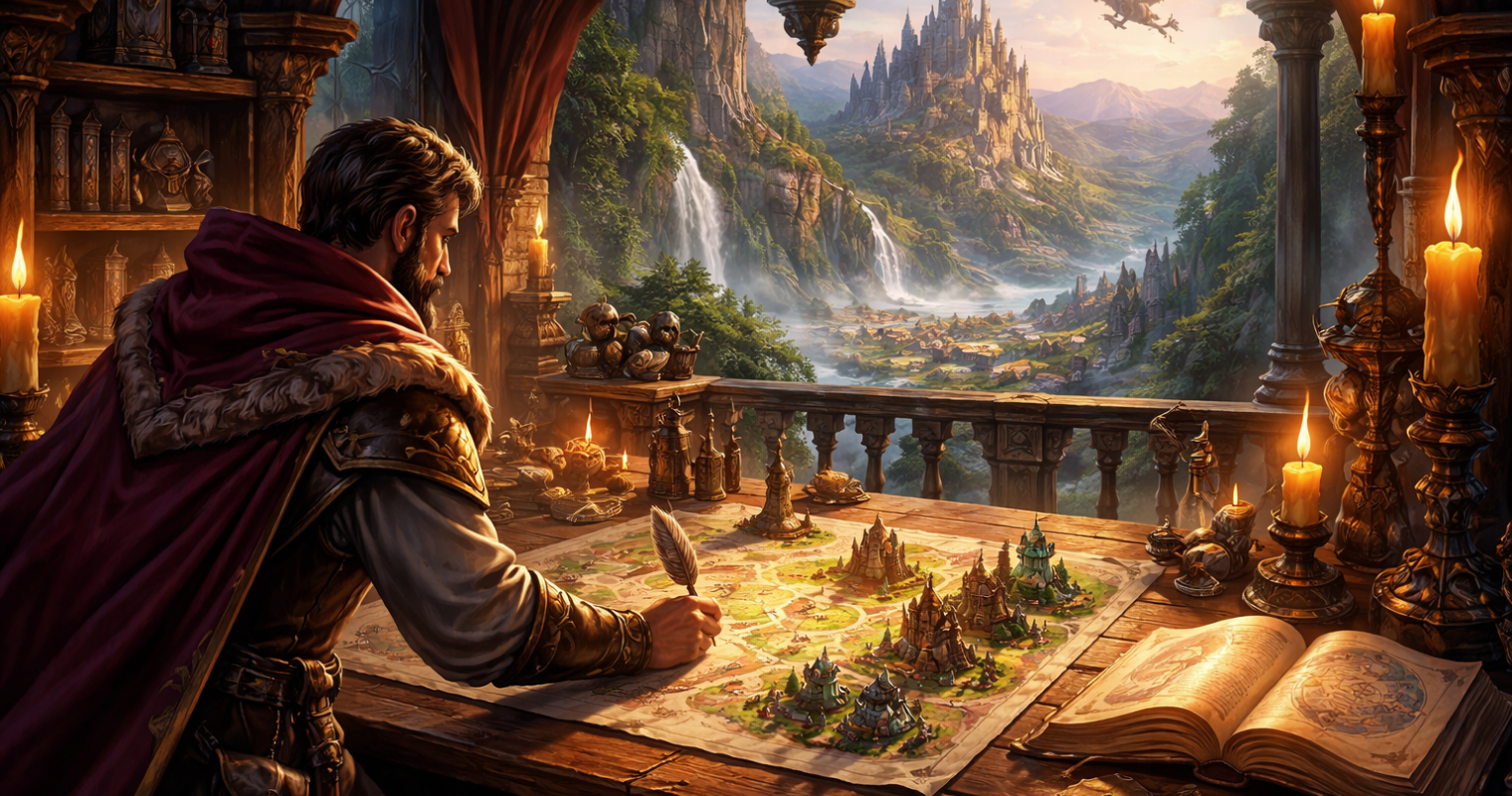
Campaign Crafting Tricks for Dungeons and Dragons Masters
Updated on: January 24, 2026
Running engaging tabletop role-playing adventures requires thoughtful preparation, creative storytelling, and the right tools to enhance your experience. This guide explores essential strategies for building memorable Dungeons and Dragons campaigns that keep players invested and excited. From character development to world-building techniques, discover practical approaches that transform your gaming sessions into unforgettable storytelling experiences. Learn how to balance challenge with enjoyment, create meaningful player choices, and maintain momentum throughout your adventure.
- Myths vs. Facts About Campaign Design
- Step-by-Step Guide to Building Your Campaign
- Frequently Asked Questions
- Summary and Key Takeaways
Myths vs. Facts About Campaign Design

Many new Dungeon Masters approach their first Dungeons and Dragons campaigns with misconceptions that can limit creativity and enjoyment. Understanding the difference between common myths and actual best practices will help you create more engaging experiences.
Myth: You Need Exhaustive Pre-Written Content
Many believe that successful campaigns require hundreds of pages of detailed notes before the first session begins. In reality, experienced Dungeon Masters often work with flexible frameworks that evolve based on player choices. While preparation matters, over-planning can actually reduce spontaneity and player agency. A solid outline with key plot points, interesting non-player characters, and a few detailed locations provides enough structure without becoming overwhelming.
Myth: Players Must Follow Your Planned Story
Some Dungeon Masters struggle when players diverge from prepared narratives. The truth is that the best tabletop adventures embrace player agency. Your role involves creating a world that responds to player decisions, not forcing them down a predetermined path. This flexibility actually makes your job easier—players solve problems you hadn't anticipated, creating genuine surprises for everyone at the table.
Myth: Combat Should Take Up Most Session Time
While exciting battles are important, the most memorable campaign moments often involve dialogue, exploration, and consequences. Balanced sessions include combat, role-playing, problem-solving, and narrative progression. Many experienced groups find that 30-40% combat and 60-70% exploration and character interaction creates the most engaging experiences.
Myth: You Must Be an Expert Storyteller
Excellent Dungeon Masters aren't necessarily Hollywood screenwriters. What matters most is genuine enthusiasm for your world and respect for your players' characters. Clear communication, active listening, and willingness to learn from each session matter far more than dramatic flair. Your players came to share an adventure, not watch a performance.
Step-by-Step Guide to Building Your Campaign
Step 1: Establish Your Campaign's Core Concept
Begin by defining what makes your campaign unique. Consider the genre and tone—are you running a heroic adventure, a gritty survival story, a comedic romp, or something else entirely? Determine the central conflict or mystery that will drive the narrative forward. This core concept becomes your north star, helping you make consistent decisions throughout the campaign. For example, you might decide your campaign focuses on stopping a rising evil cult, protecting a struggling kingdom, or uncovering an ancient conspiracy.
Step 2: Build Your World Foundation
Create a setting that feels lived-in and detailed without requiring exhaustive research. Sketch out three to five major locations relevant to your early sessions. Describe each area's geography, notable factions, and key personalities. Research the culture, economy, and history enough to answer player questions, but don't spend months on details players may never encounter. Your world should expand naturally as players explore and ask questions about their surroundings.
Step 3: Develop Compelling Non-Player Characters
Create memorable characters that players will remember long after campaign sessions end. Focus on five to ten central non-player characters with clear motivations, distinctive speech patterns, and interesting relationships to each other and to the player characters. Rather than writing extensive backstories, know each character's goals, secrets, and what they want from the player characters. This approach allows you to respond naturally during gameplay rather than reading prepared descriptions.
Step 4: Design Meaningful Encounters and Challenges
Encounters extend beyond combat. Create social challenges, environmental hazards, moral dilemmas, and puzzles that engage players in different ways. Consider how obstacles advance your story while creating opportunities for player creativity. A well-designed encounter presents a problem and multiple possible solutions rather than forcing a specific approach. When designing encounters for your Dungeons and Dragons campaigns, remember that player ingenuity often surpasses your expectations—leave room for surprising solutions.
Step 5: Create Adventure Hooks and Plot Threads
Plant multiple story threads that players can pursue, giving them meaningful choices about their adventure's direction. Each hook should connect to your campaign's central concept while leaving room for player agency. Some threads might be obvious, while others remain subtle until players discover them. This approach keeps players engaged because they feel like their choices matter and they're driving the narrative forward.

Step 6: Establish Consequences and Reward Meaningful Choices
Every player decision should matter. When characters take action, the world responds authentically. Reward clever thinking, honor character motivations, and let poor decisions create genuine complications. Your players will feel more invested when they see their choices shaped the campaign's direction. This doesn't mean punishing mistakes harshly—it means showing that actions have weight and significance in your world.
Step 7: Prepare Session by Session
Rather than preparing entire campaigns in advance, prepare thoroughly for your next session. Review what happened previously, understand your non-player characters' current circumstances, and outline likely encounter locations. Prepare stat blocks for probable enemies, but remain flexible. Having good notes for the upcoming session while keeping future plans flexible prevents over-preparation while ensuring smooth gameplay.
Frequently Asked Questions
How Often Should We Play Sessions for Optimal Campaign Experience?
Campaign pacing depends on your group's preferences and availability. Weekly sessions maintain momentum and character investment, while bi-weekly gatherings allow more time for world events to develop between meetings. Monthly sessions work if players recap previous events. What matters most is consistency—regular scheduling helps players stay engaged and allows you to plan confidently. Some of the most successful groups meet every two weeks, balancing frequency with real-life schedules.
What Should I Do If My Dungeons and Dragons Campaigns Feel Stuck or Stalled?
Stalled campaigns usually result from unclear objectives, player confusion, or lost momentum. Discuss directly with your players about what excites them and adjust accordingly. Introduce new non-player characters or factions to shake things up, or escalate existing conflicts to raise stakes. Sometimes the best solution is advancing your timeline—show how the world changes if players don't act. Remember that your role includes keeping the game fun and engaging for everyone at the table.
How Can I Balance Difficult Encounters Without Frustrating Players?
Challenging combat creates tension and memorable victories, but frustration kills enjoyment. Design encounters with multiple difficulty levels depending on how combat unfolds. Provide escape routes so fights don't feel unwinnable, and scale monster abilities based on player success. Consider using fewer stronger enemies rather than overwhelming numbers. Pay attention to player morale—if an encounter isn't fun, don't hesitate to adjust. Your role includes ensuring challenge without crushing player agency or hope.
What Essential Tools Help Run Better Sessions?
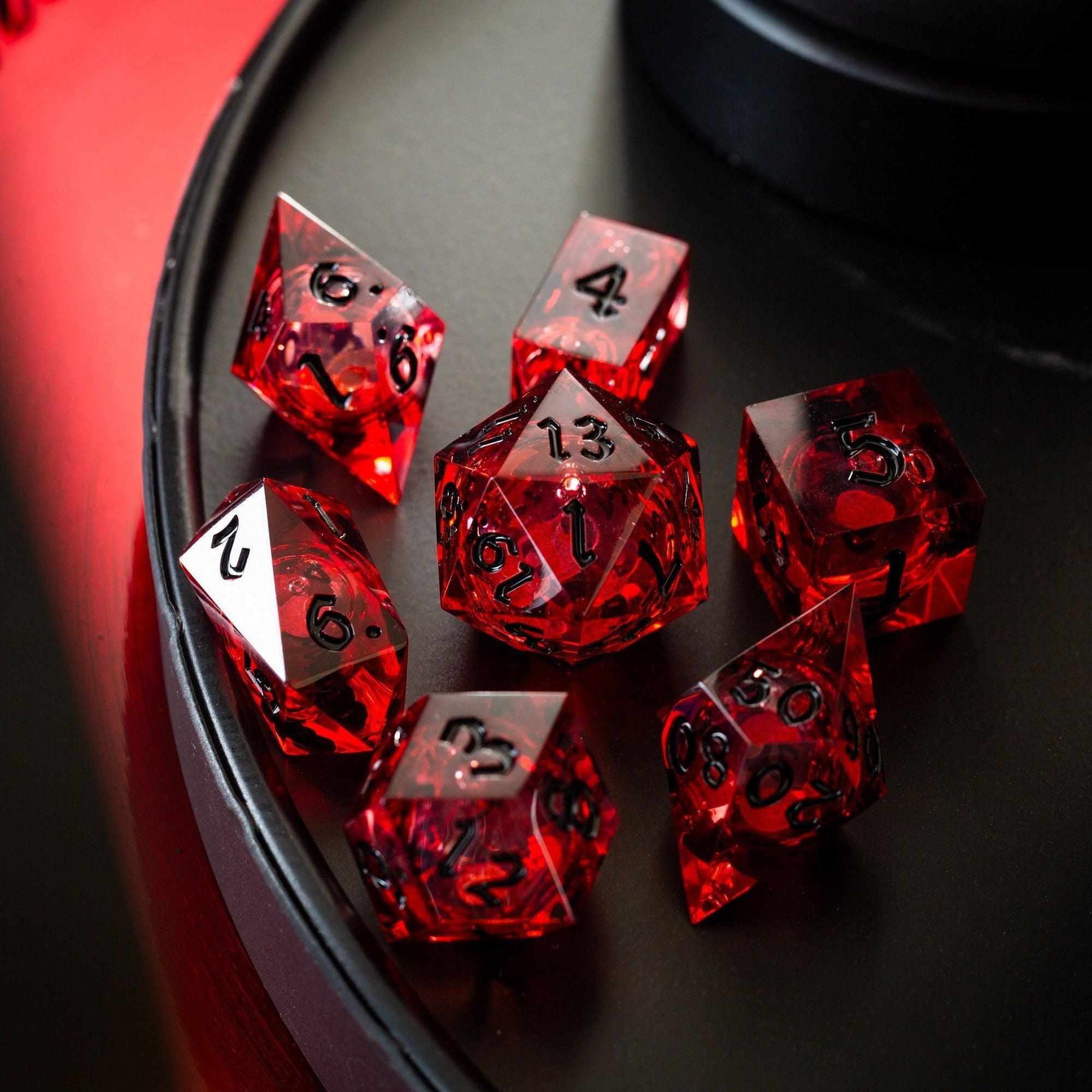
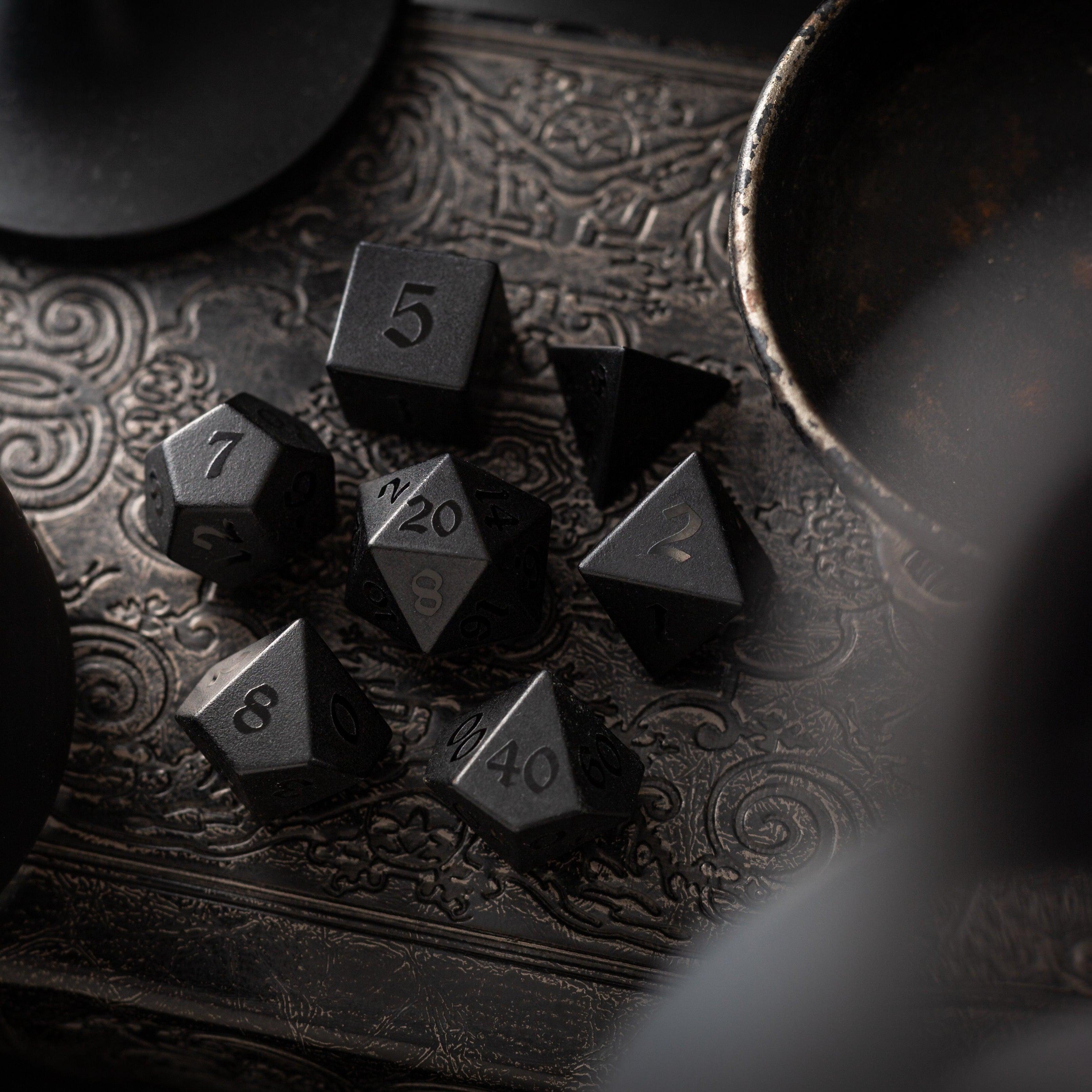
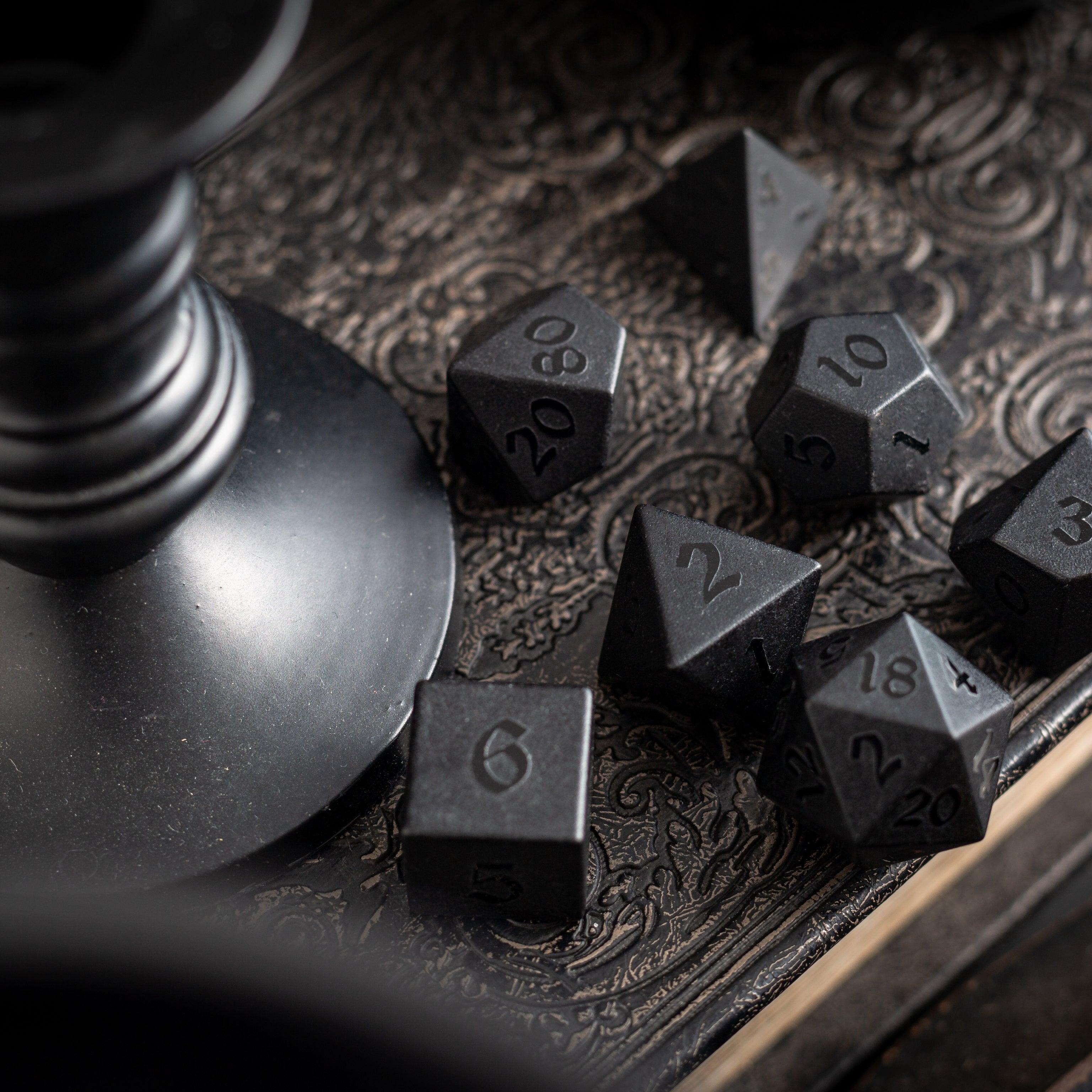
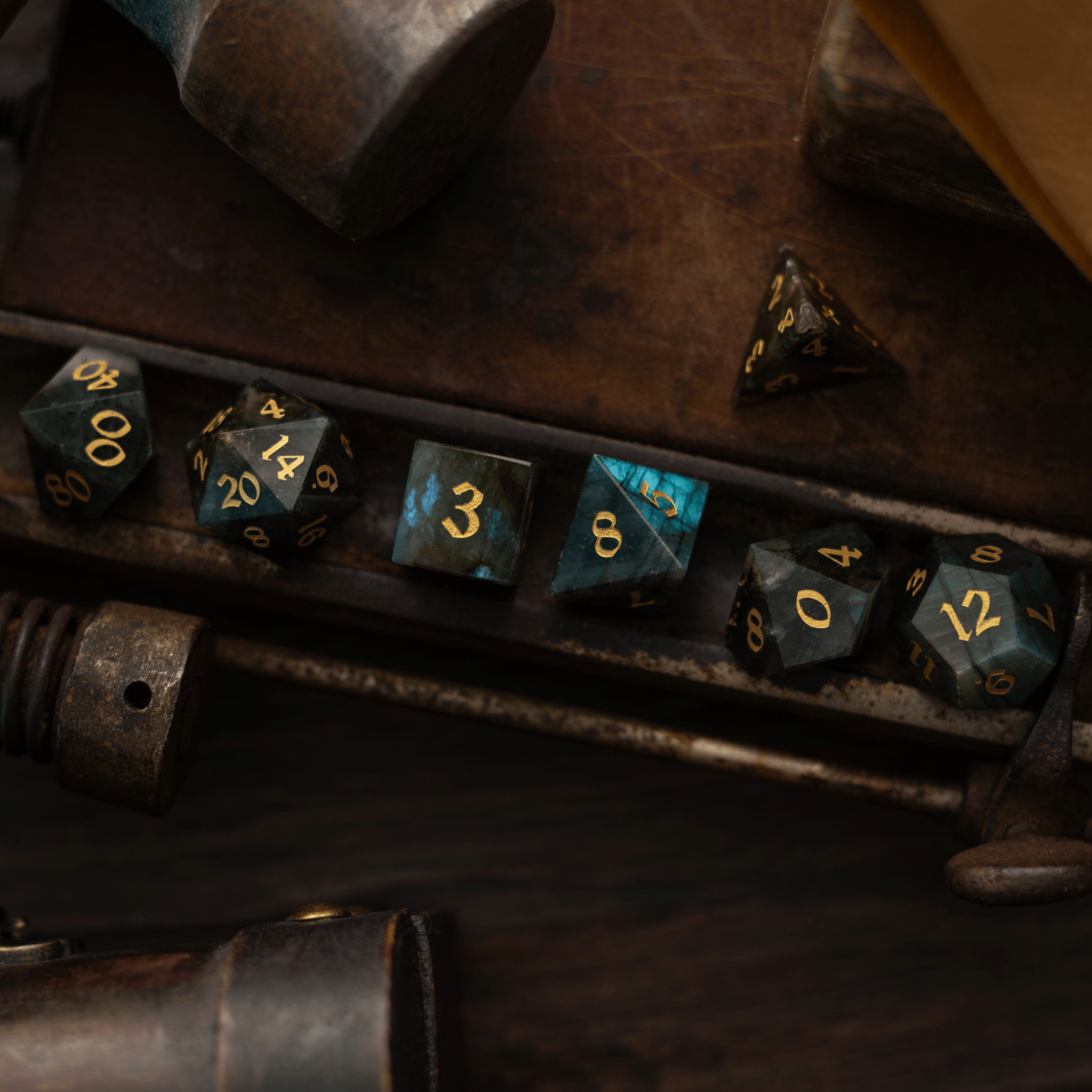
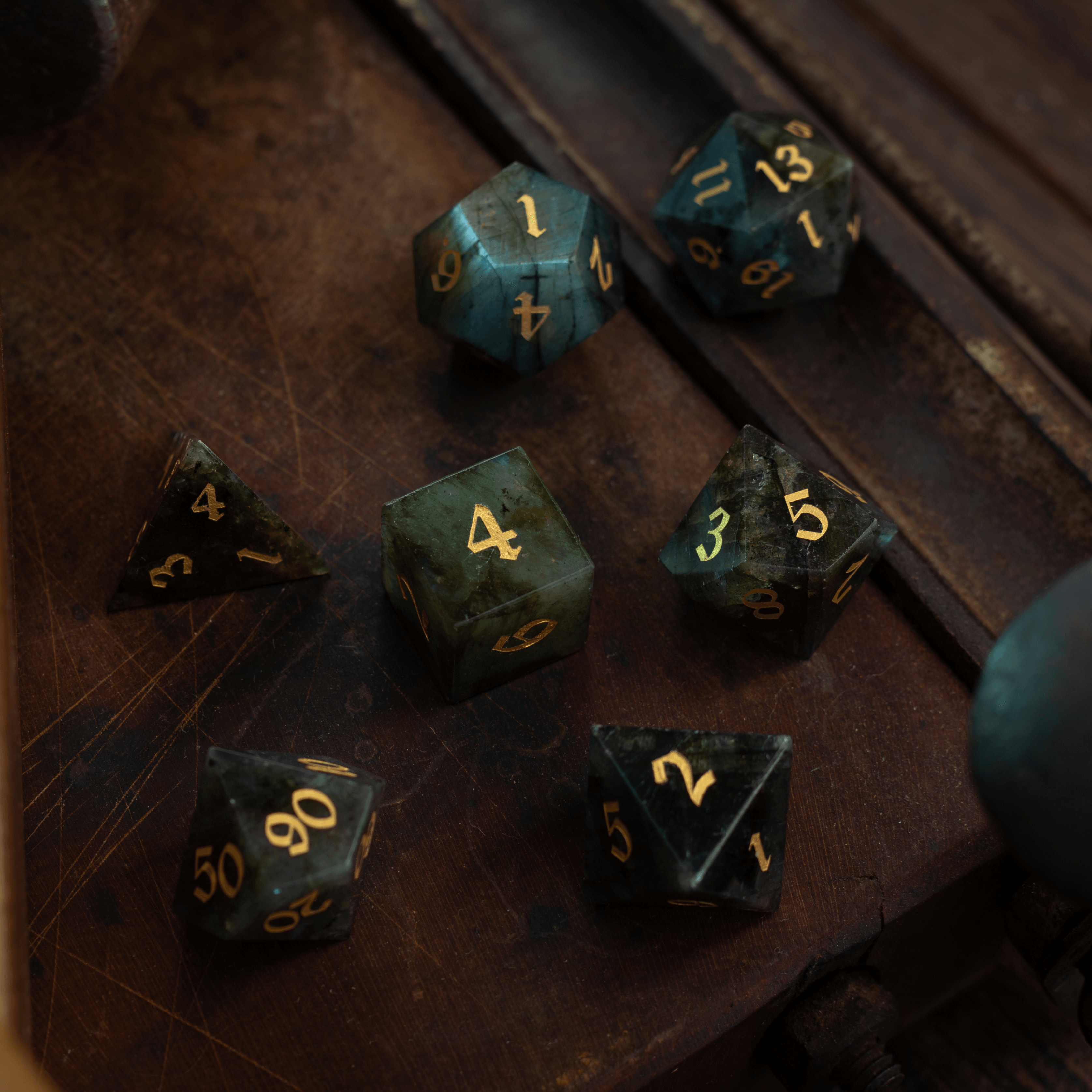
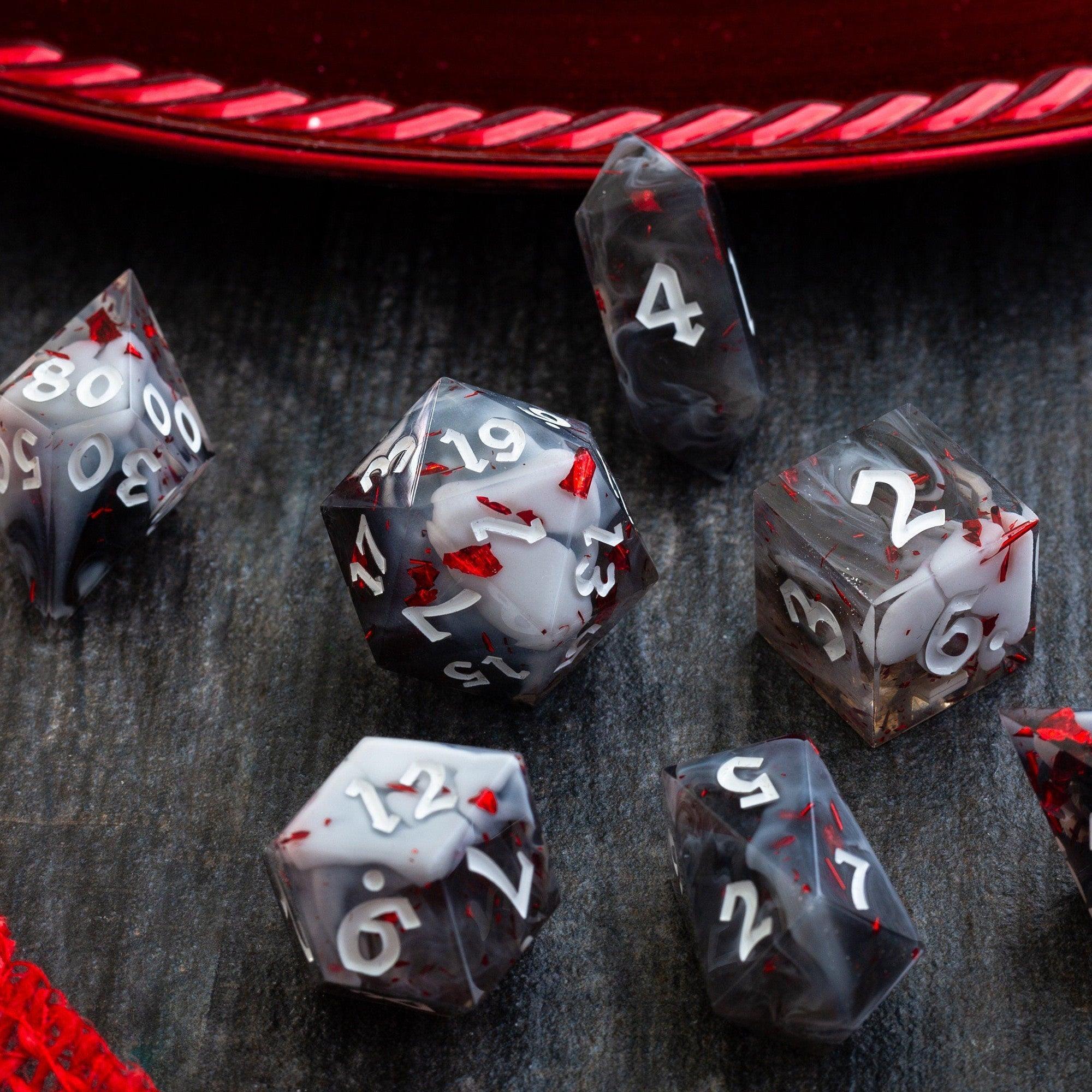
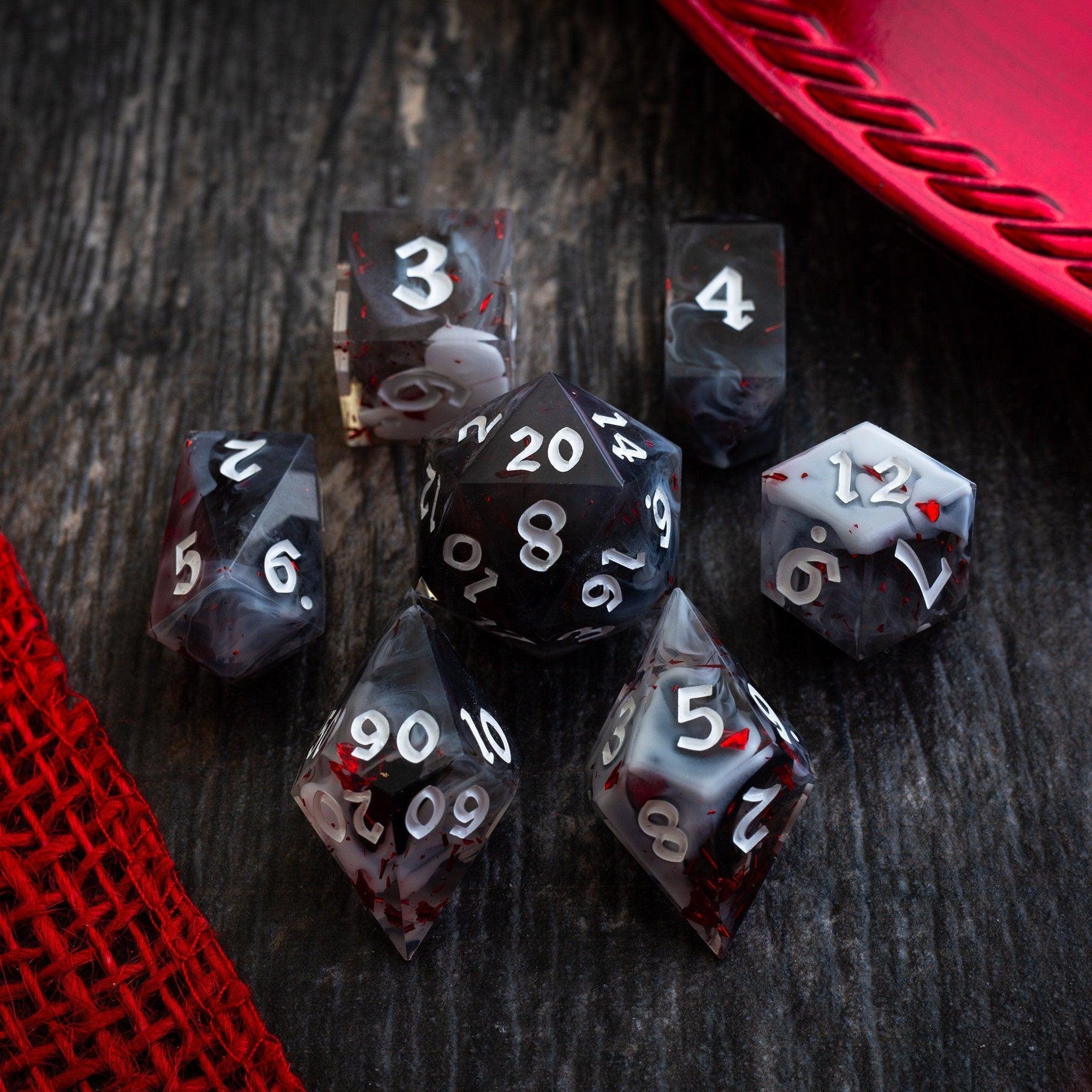
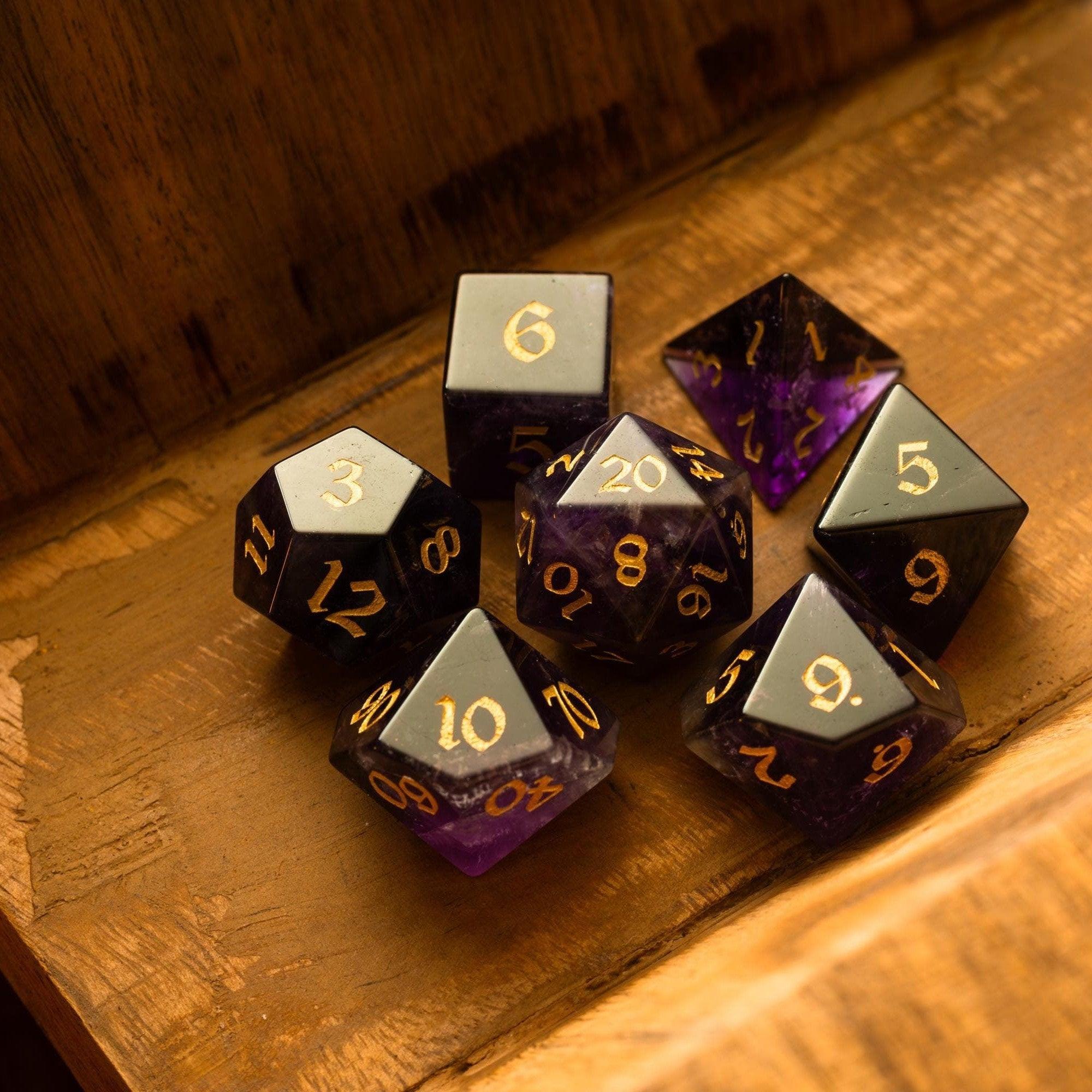
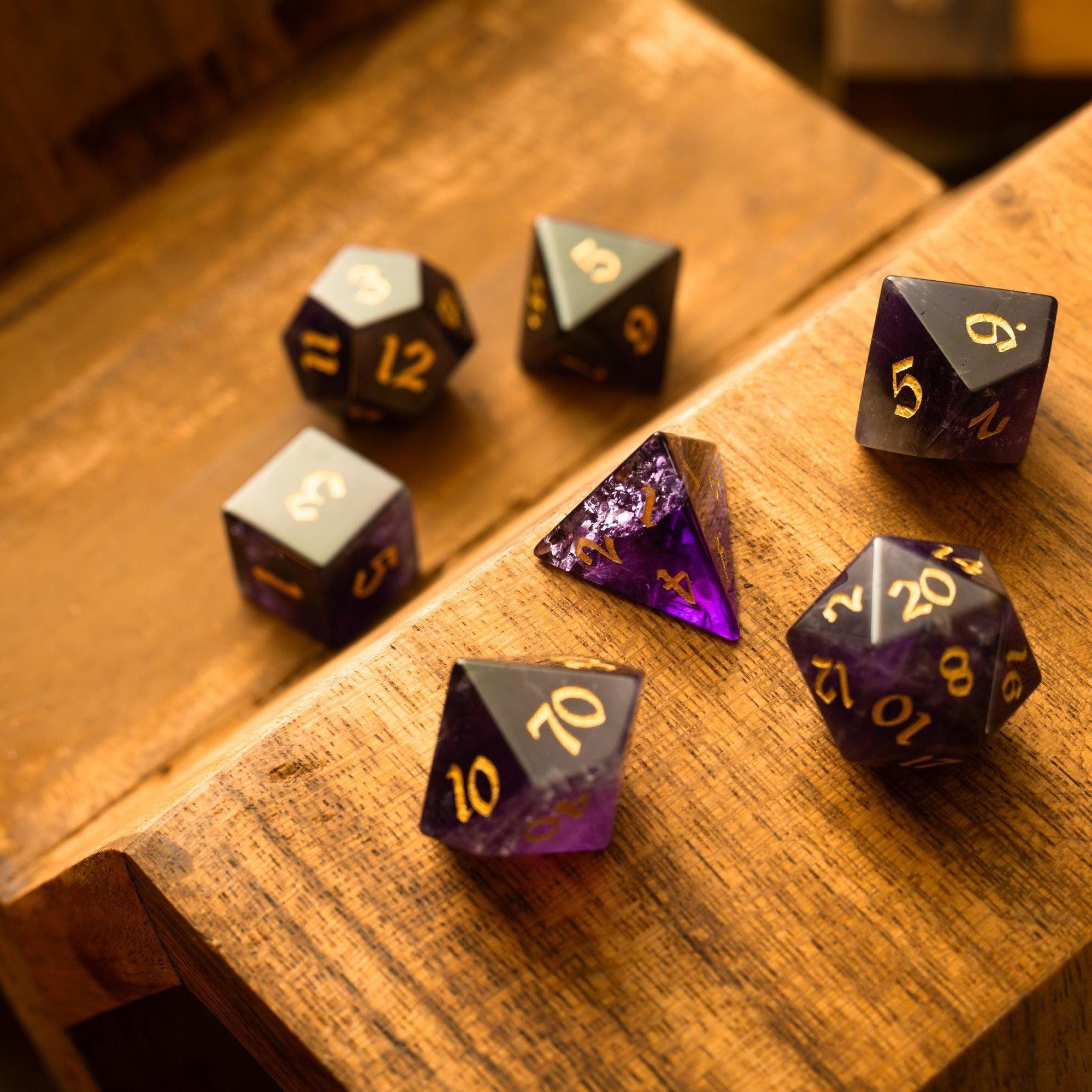
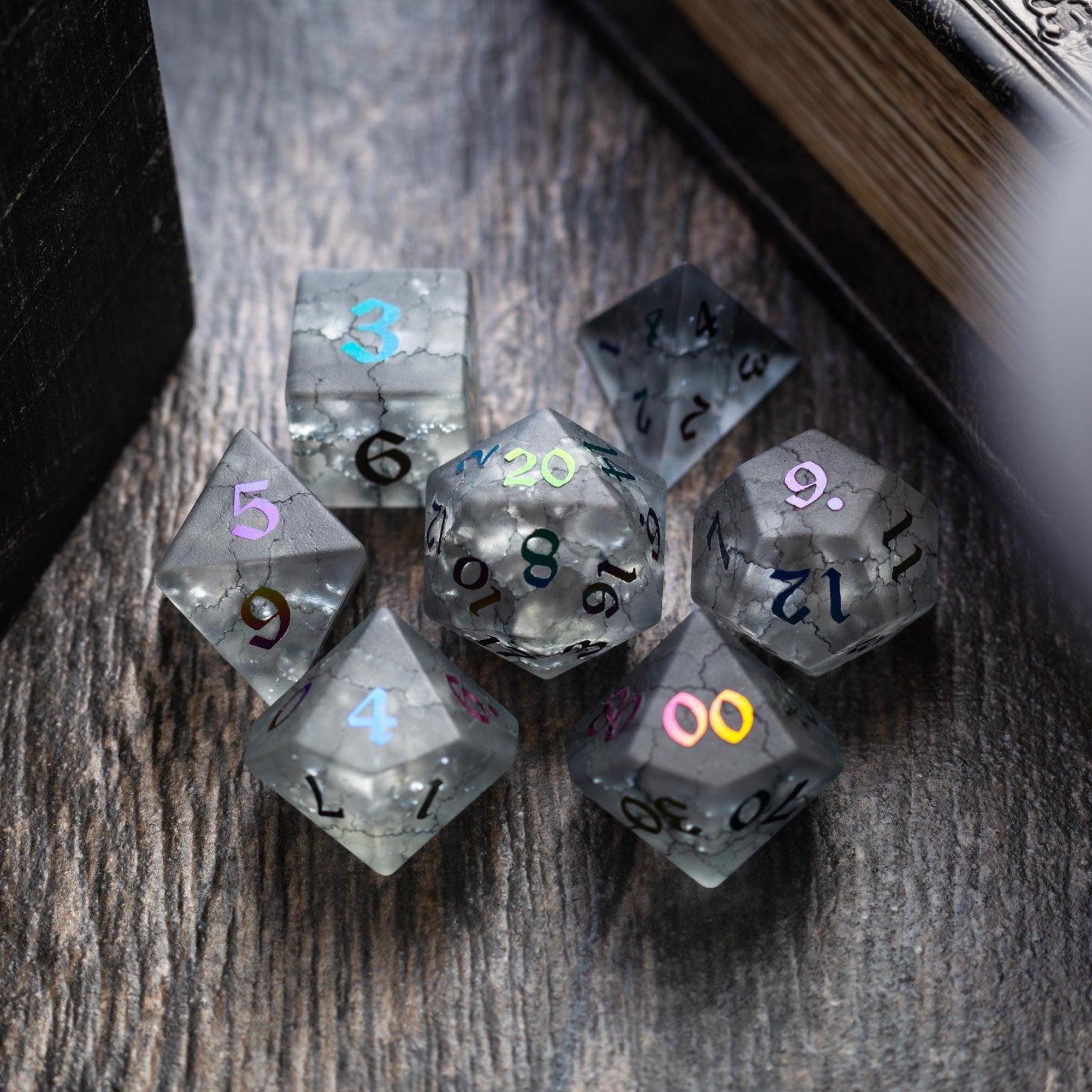
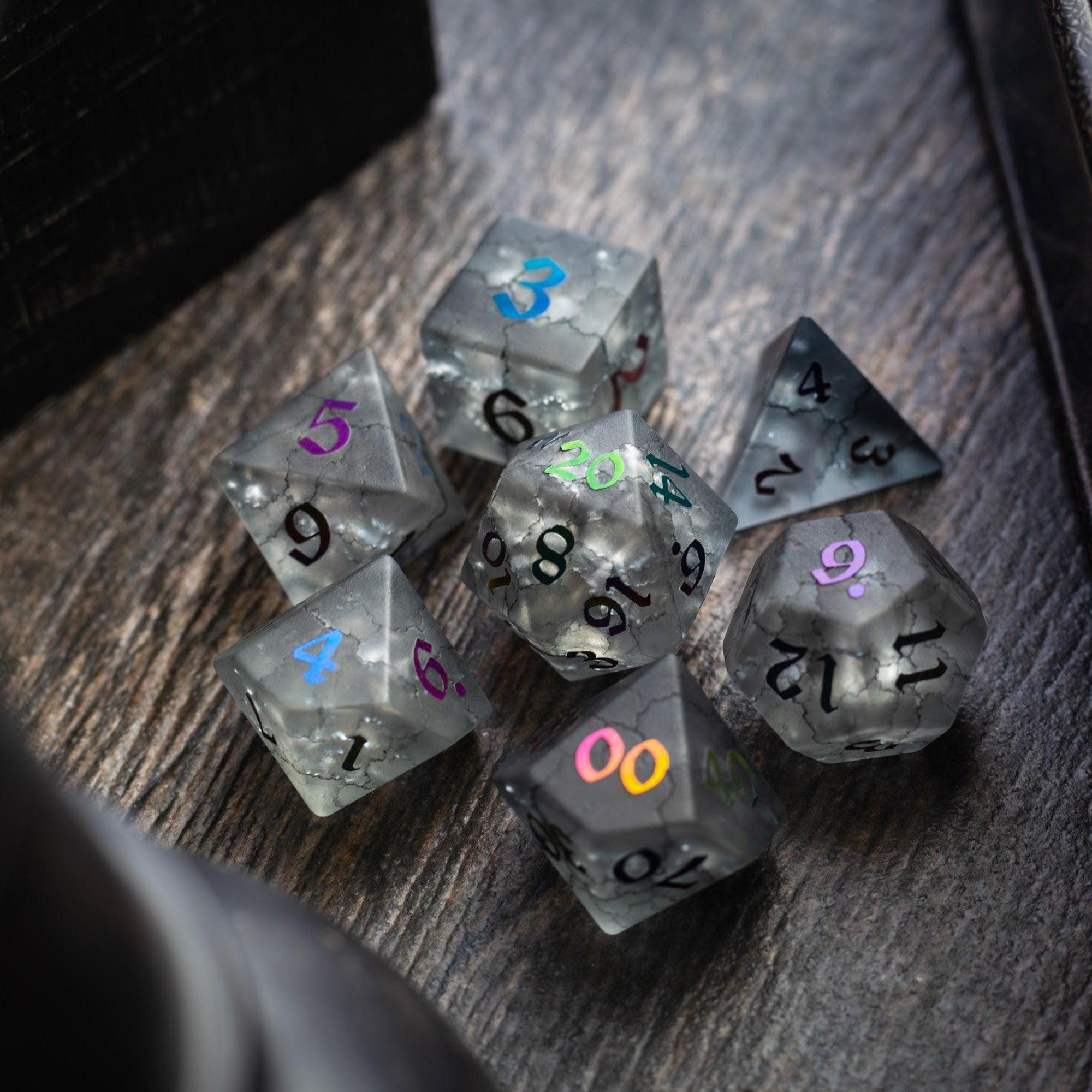
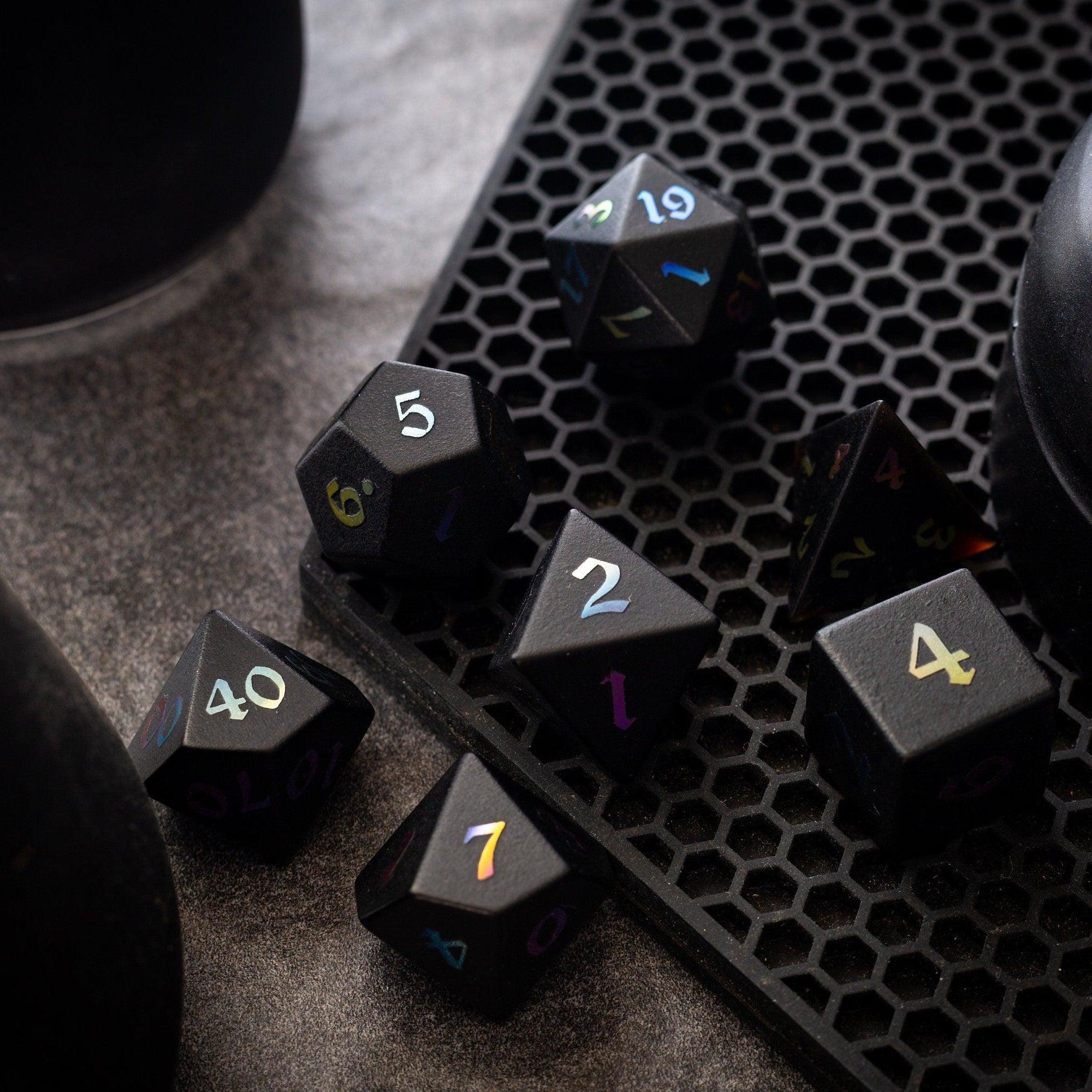
Quality dice enhance immersion and add excitement to crucial moments. Consider investing in gemstone dice sets that reflect your campaign's aesthetic and feel satisfying to roll. Beautifully crafted dice can become cherished campaign artifacts. Beyond dice, helpful tools include character sheets, battle maps, music playlists, and reference materials. However, the most important tools are genuine enthusiasm and respect for your players' time.
Summary and Key Takeaways
Running successful Dungeons and Dragons campaigns requires balancing preparation with flexibility, structure with player agency, and challenge with enjoyment. The most memorable campaigns emerge from thoughtful planning combined with authentic improvisation and genuine respect for player characters and choices.
Remember these essential points as you build your adventures: establish a clear core concept that guides your decisions, create detailed enough preparation without over-planning every detail, develop non-player characters with clear motivations rather than extensive backstories, design encounters that present problems rather than forcing solutions, plant multiple story threads allowing meaningful player choice, honor consequences of player decisions, and maintain consistent session scheduling. Your most important responsibility involves creating an environment where players feel their choices matter and their characters' stories deserve respect.
The journey of running campaigns offers incredible rewards. You'll witness creative solutions you never anticipated, forge stronger friendships through shared storytelling, and create stories that players remember for years. Focus on what excites you and your group, remain flexible when plans change, and remember that perfect preparation matters less than genuine enthusiasm. Each session provides opportunity to improve, adapt, and deepen the experience for everyone at your table.
Whether you're running your first session or your hundredth, the fundamentals remain consistent: respect player agency, create engaging non-player characters, design meaningful challenges, and maintain enthusiasm for your world. With these principles guiding your preparation, you'll build campaigns that keep players excited to gather for the next adventure.
Enhance your gaming experience with quality components that make every roll meaningful. Explore our complete collection to find dice that match your campaign's tone. From handcrafted resin sets to stunning gemstone collections, discover tools that transform your table into an immersive storytelling space.






Leave a comment
This site is protected by hCaptcha and the hCaptcha Privacy Policy and Terms of Service apply.