

Building a Better DnD Campaign: Practical GM Tips for Success
Updated on: January 23, 2026
Running a Dungeons & Dragons campaign is one of the most rewarding creative experiences you can have. Whether you're a seasoned Dungeon Master or just starting out, crafting an engaging adventure requires thoughtful planning, flexibility, and genuine care for your players' experiences. In this guide, we'll explore practical strategies for building a better D&D campaign that keeps everyone invested, entertained, and eager for the next session.
- Myths vs. Facts About Campaign Building
- Creating a Solid Campaign Structure
- Developing Memorable NPCs and Villains
- Final Thoughts & Takeaways
- Frequently Asked Questions
Myths vs. Facts About Campaign Building

Let's clear up some misconceptions about what it takes to create an engaging D&D experience. Many new Dungeon Masters feel overwhelmed by unrealistic expectations, so here's what actually matters:
-
Myth: You need to plan every detail before session one.
Fact: Your best moments often come from improvisation. A solid framework with flexible details works far better than rigid planning. -
Myth: Your world must be completely original.
Fact: Borrowing from published settings, books, movies, and games is perfectly fine. The magic comes from how you adapt and personalize those ideas. -
Myth: Combat encounters should always be challenging fights.
Fact: The most memorable moments often involve roleplaying, exploration, and meaningful consequences—not just combat difficulty. -
Myth: You must control every outcome.
Fact: Letting players surprise you and influence the story creates investment and genuine excitement that scripted narratives can't match. -
Myth: Building a better D&D campaign requires expensive resources or software.
Fact: Pen, paper, imagination, and good communication with your players are your most valuable tools.
Creating a Solid Campaign Structure

A well-structured campaign gives you and your players a sense of direction without feeling restrictive. Think of your framework like a map with multiple routes—your party chooses their path, but you've prepared the landscape.
Start With Your Core Concept
Every engaging D&D adventure begins with a clear central idea. Ask yourself: What's the main threat or mystery? Is it a tyrannical lord, a spreading plague, a lost artifact, or something else entirely? Your core concept becomes the gravitational center around which everything else orbits.
Don't overthink this step. Your premise doesn't need to be groundbreaking. "A cult is summoning something dangerous" or "The noble family is hiding a dark secret" are perfectly solid starting points. The depth comes from execution, not originality.
Establish Multiple Plot Hooks
Give your players several reasons to care about your adventure. Maybe a party member has a personal connection to the conflict, a local merchant offers a lucrative contract, and rumors in town hint at something sinister. Multiple entry points mean that even if one hook doesn't resonate, others will catch their interest.
When you're building a better D&D campaign, remember that player agency matters tremendously. Let them choose which threads to follow rather than forcing them down a predetermined path.
Plan Consequences, Not Outcomes
Here's the secret that changes everything: plan the consequences of player actions, not the specific actions themselves. If they burn down a warehouse, that warehouse is gone—what problems does that create? If they bribe a guard, that guard owes them a favor later. This approach makes your world feel real and responsive while maintaining narrative momentum.
Developing Memorable NPCs and Villains

Characters bring your world to life. Your players will remember the grizzled tavern keeper who gave them cryptic warnings far longer than they'll remember most plot points.
Give Every NPC a Reason to Exist
Whether it's a guard, a shopkeeper, or a major villain, every character should want something and believe something. They're not there to serve your story—they have their own agenda. A bartender isn't just a quest-giver; they're running a business, maybe supporting a family, possibly harboring secrets.
This doesn't mean elaborate backstories for everyone. Even a minor character becomes memorable with one distinctive trait: an unusual accent, a specific mannerism, a particular value they hold dear.
Create Villains With Depth
Your antagonist shouldn't be evil just for evil's sake. They need to believe they're justified, or at least see themselves as the hero of their own story. A tyrant genuinely believes they're maintaining order. A crime lord thinks they're providing for their community. This complexity makes confrontations meaningful instead of generic.
The best villains present philosophical opposition to what your party values, not just mechanical opposition. This creates genuine dramatic tension.
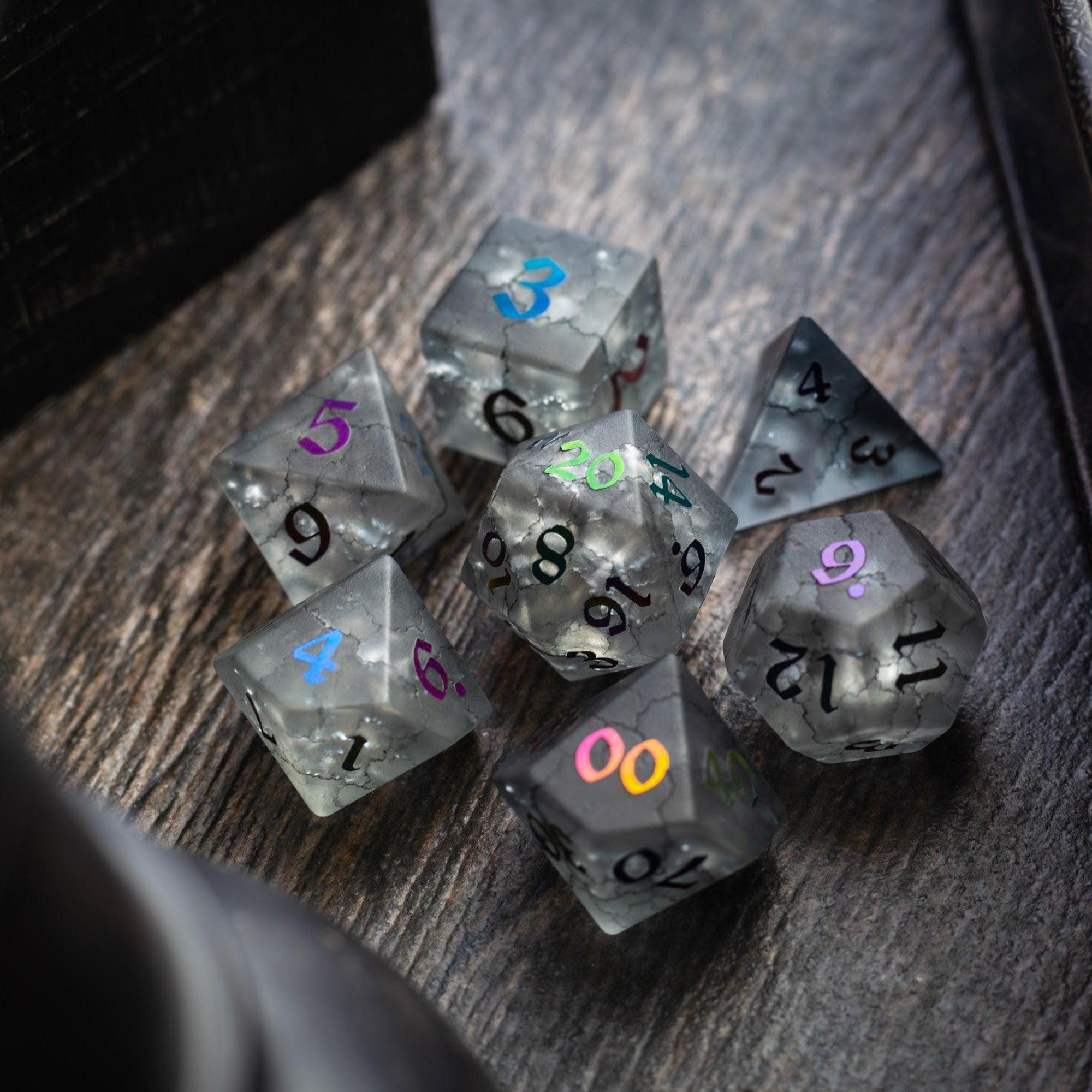
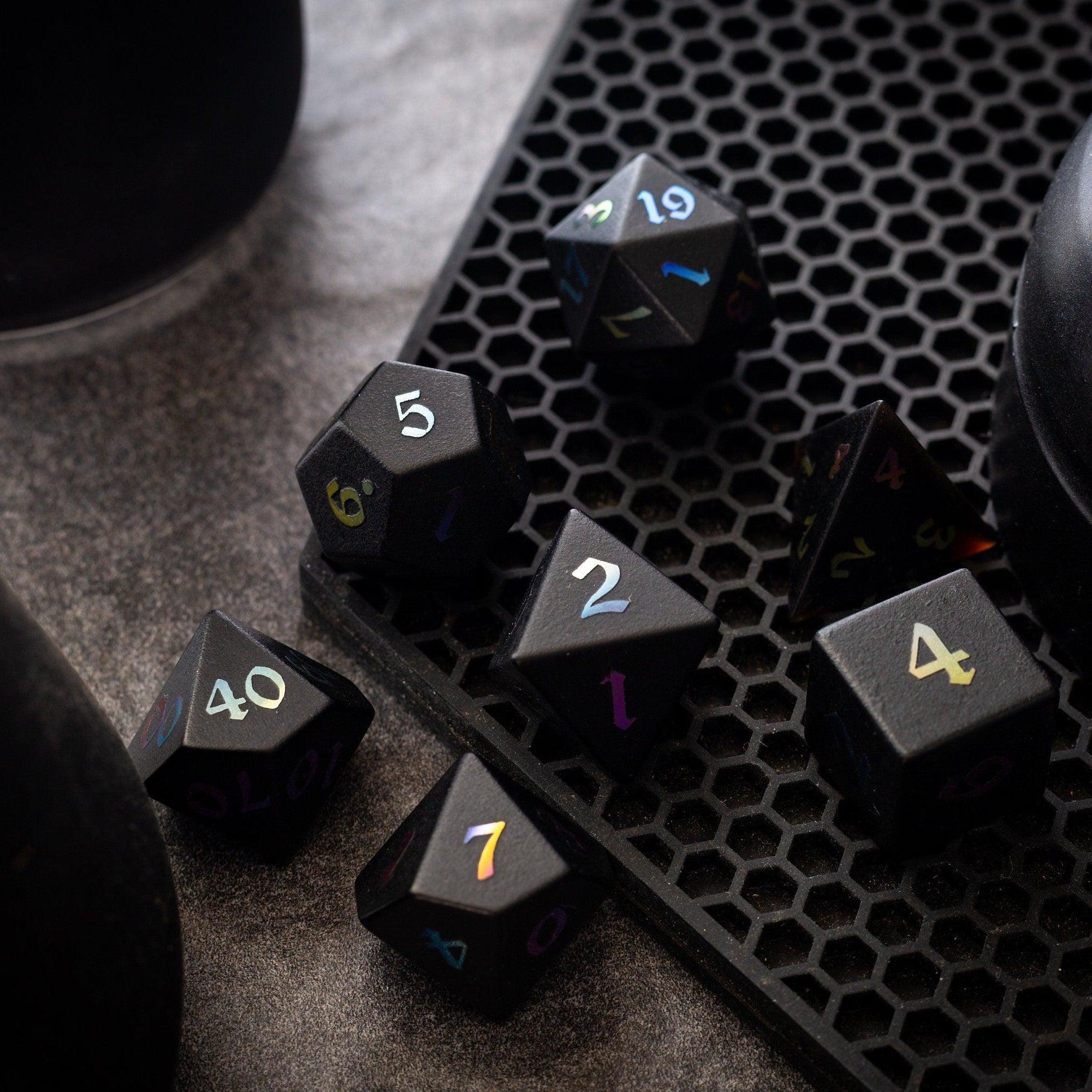
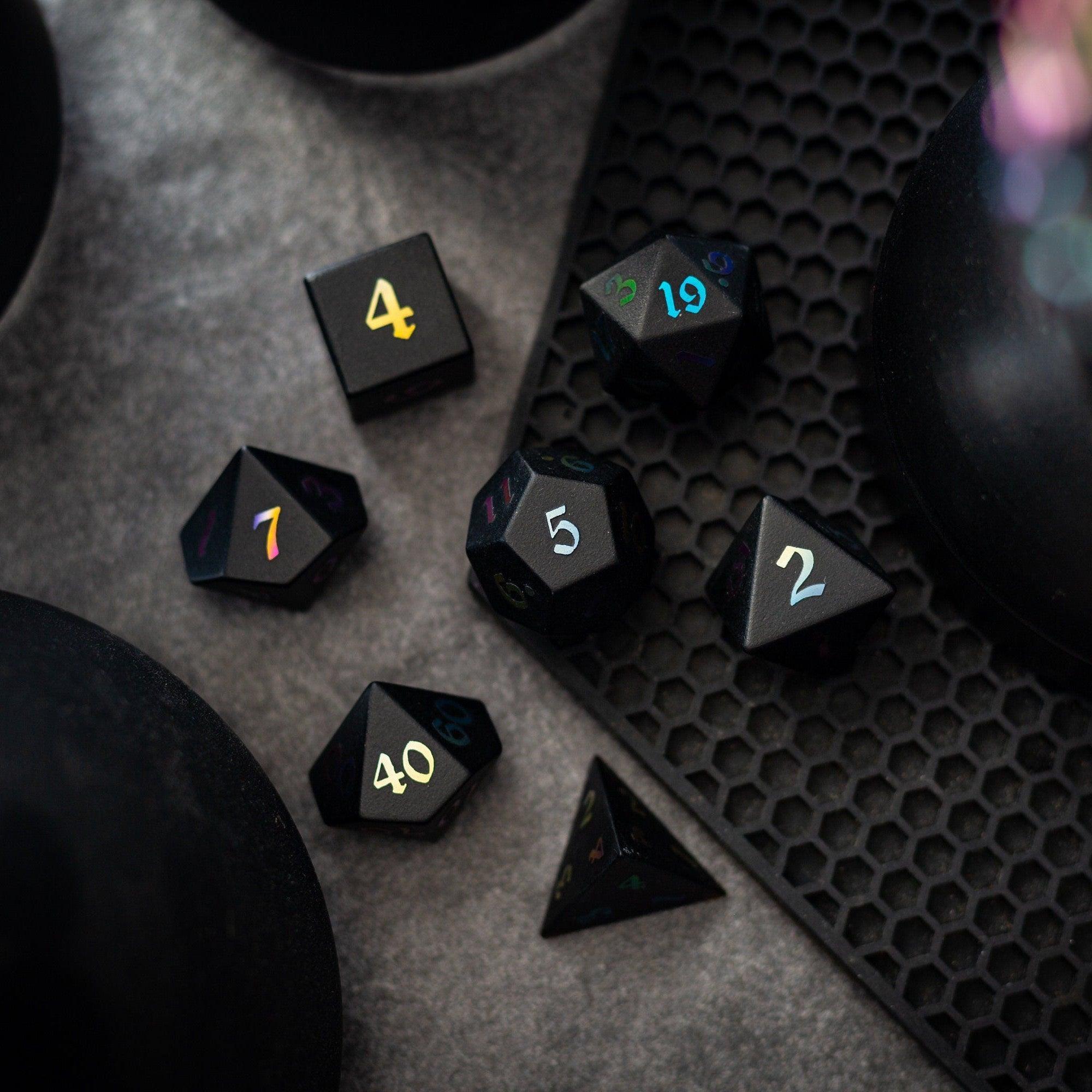
Use quality dice sets to make NPC introductions special

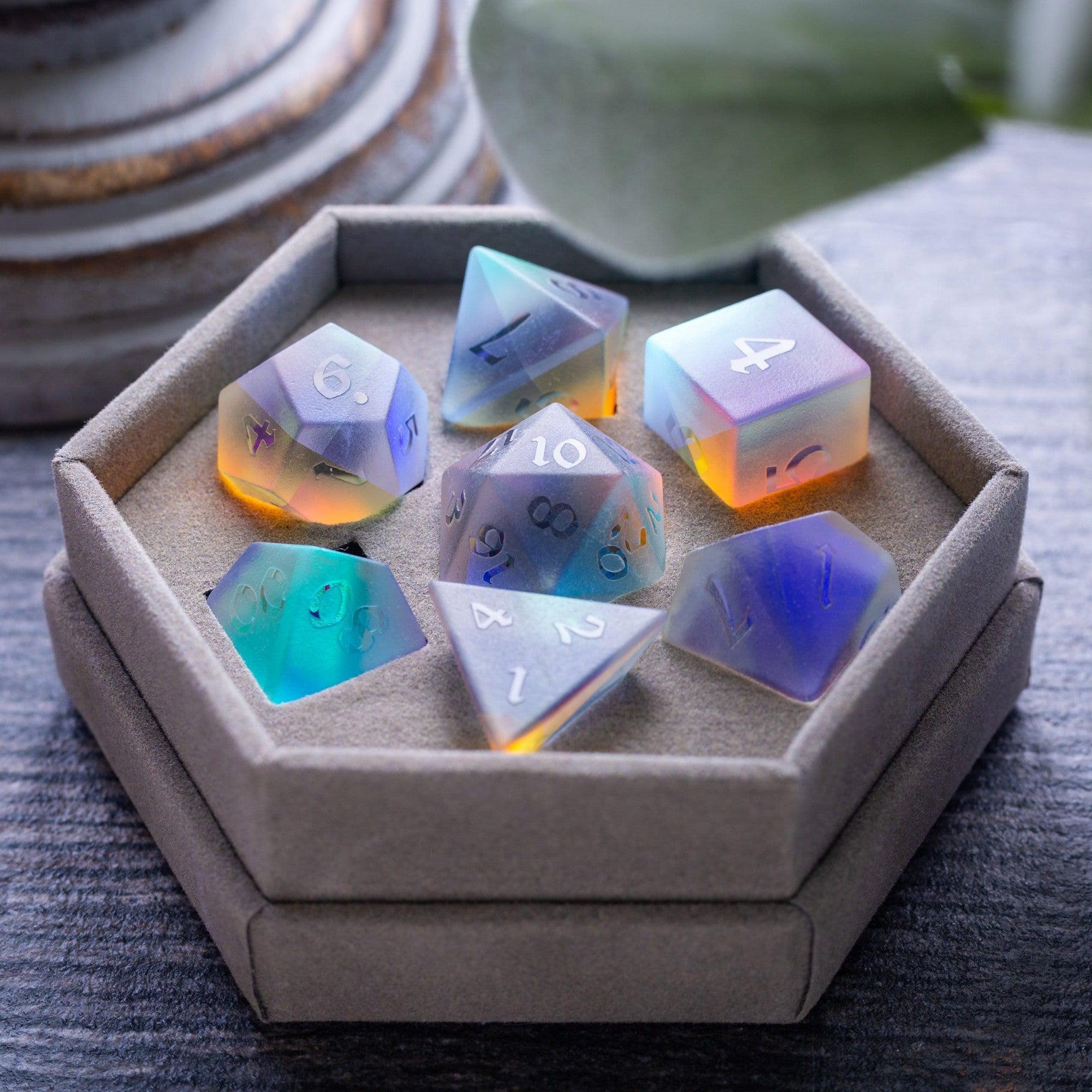
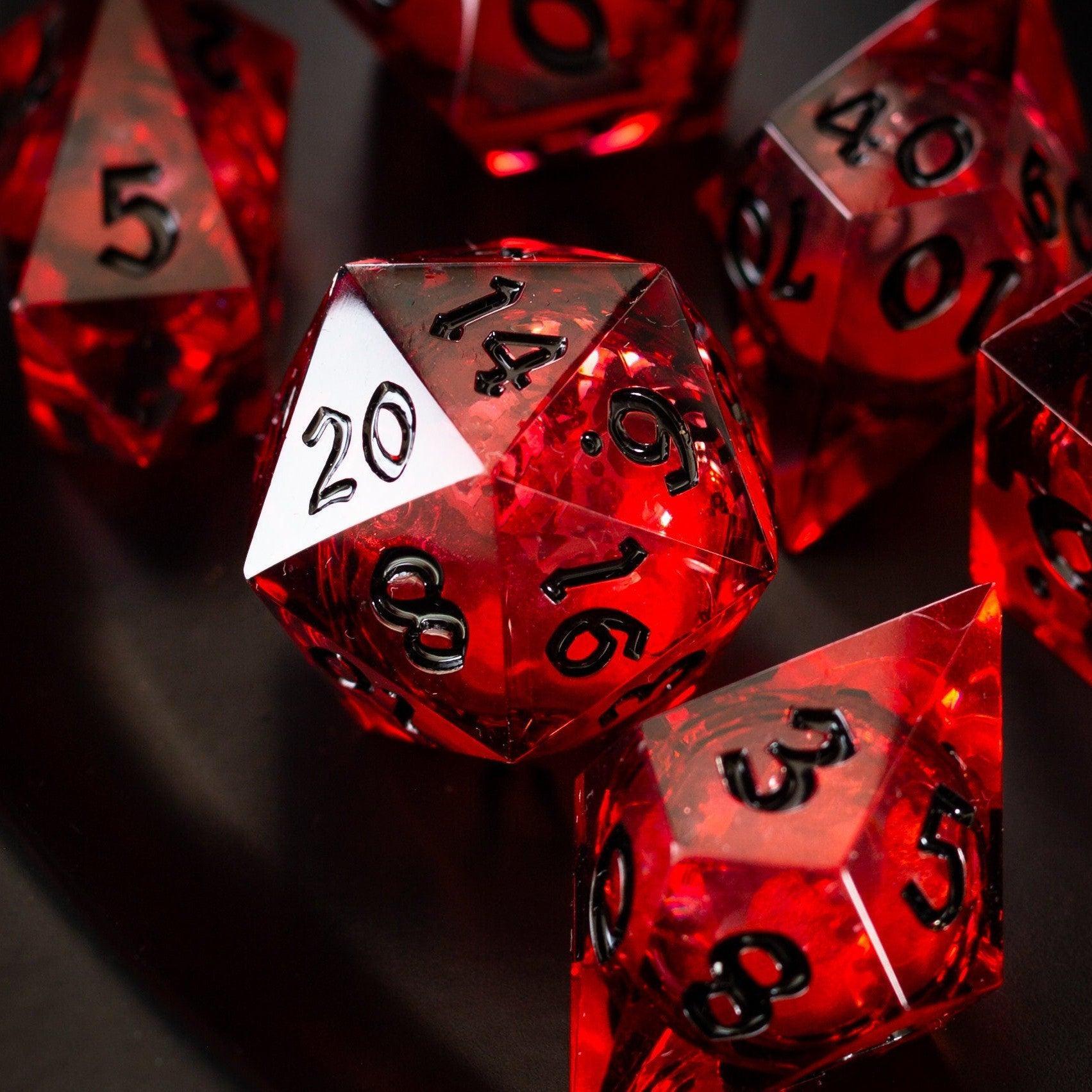
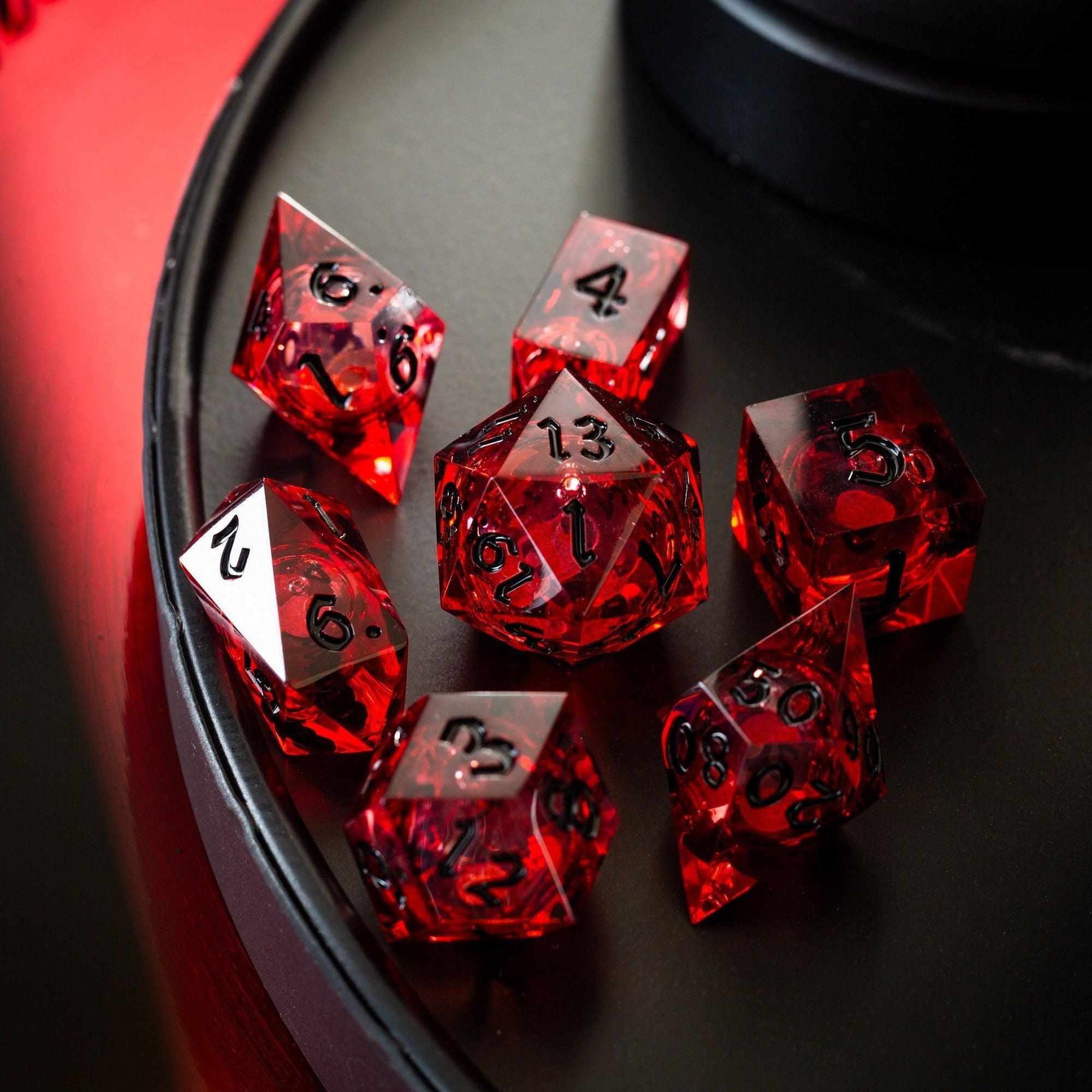
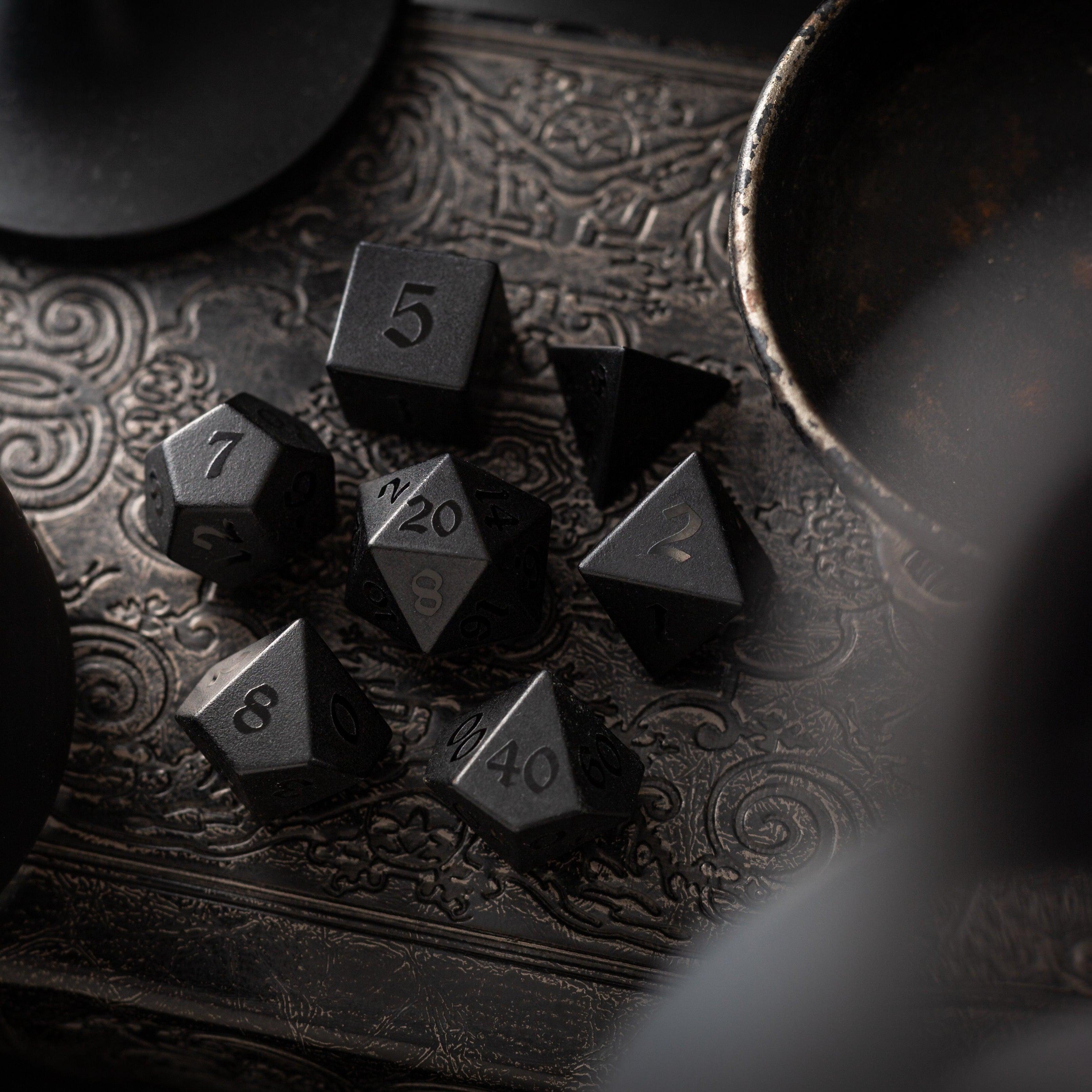
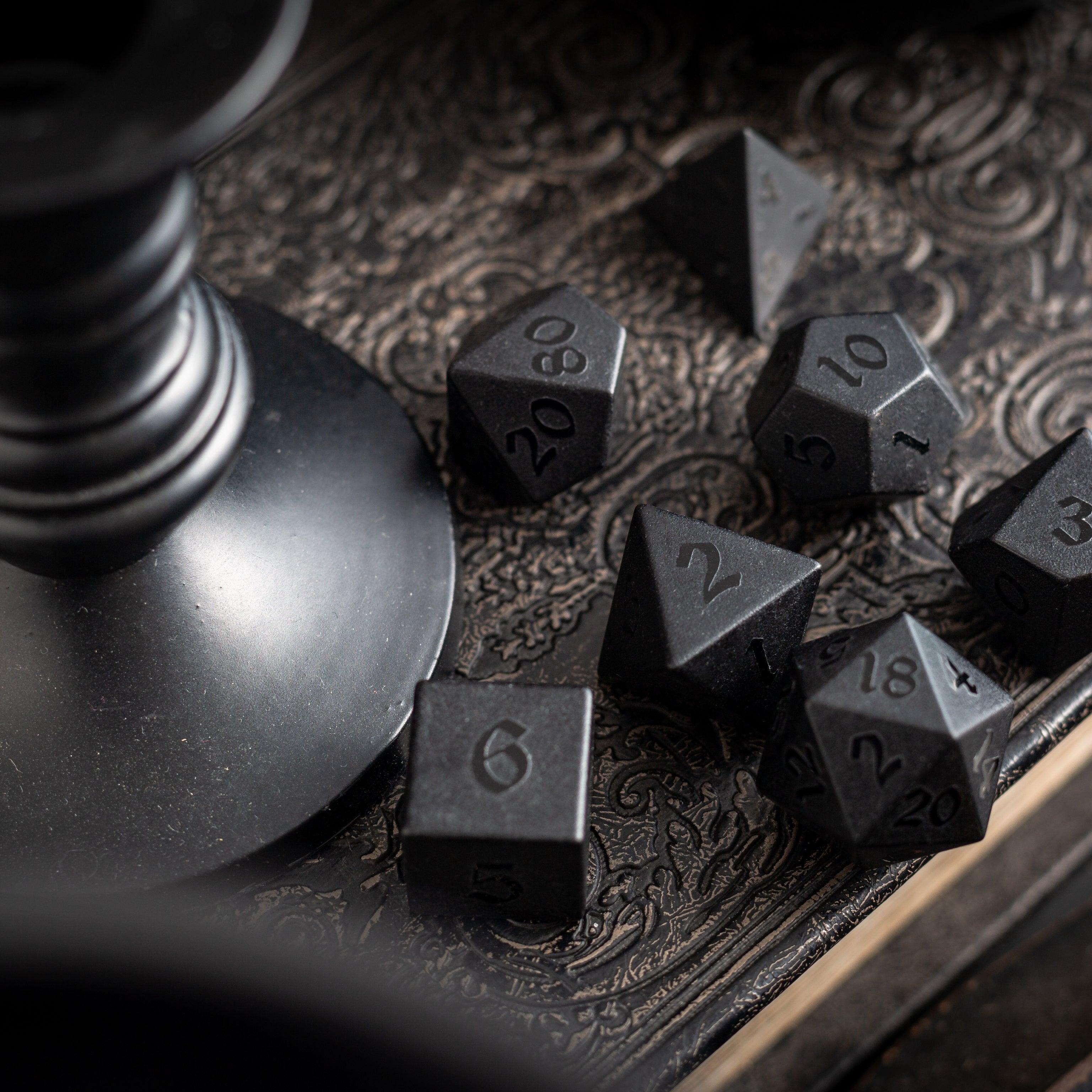
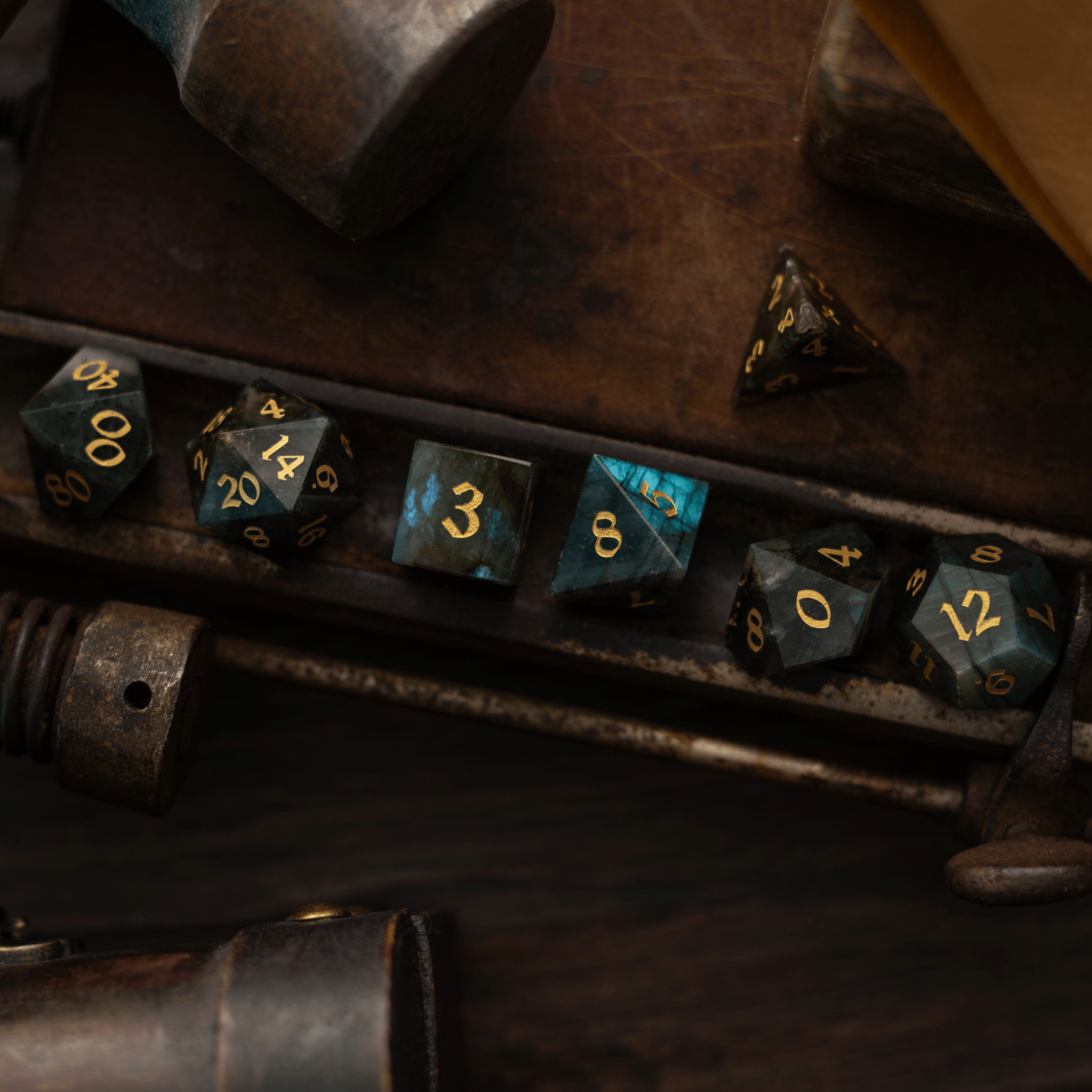
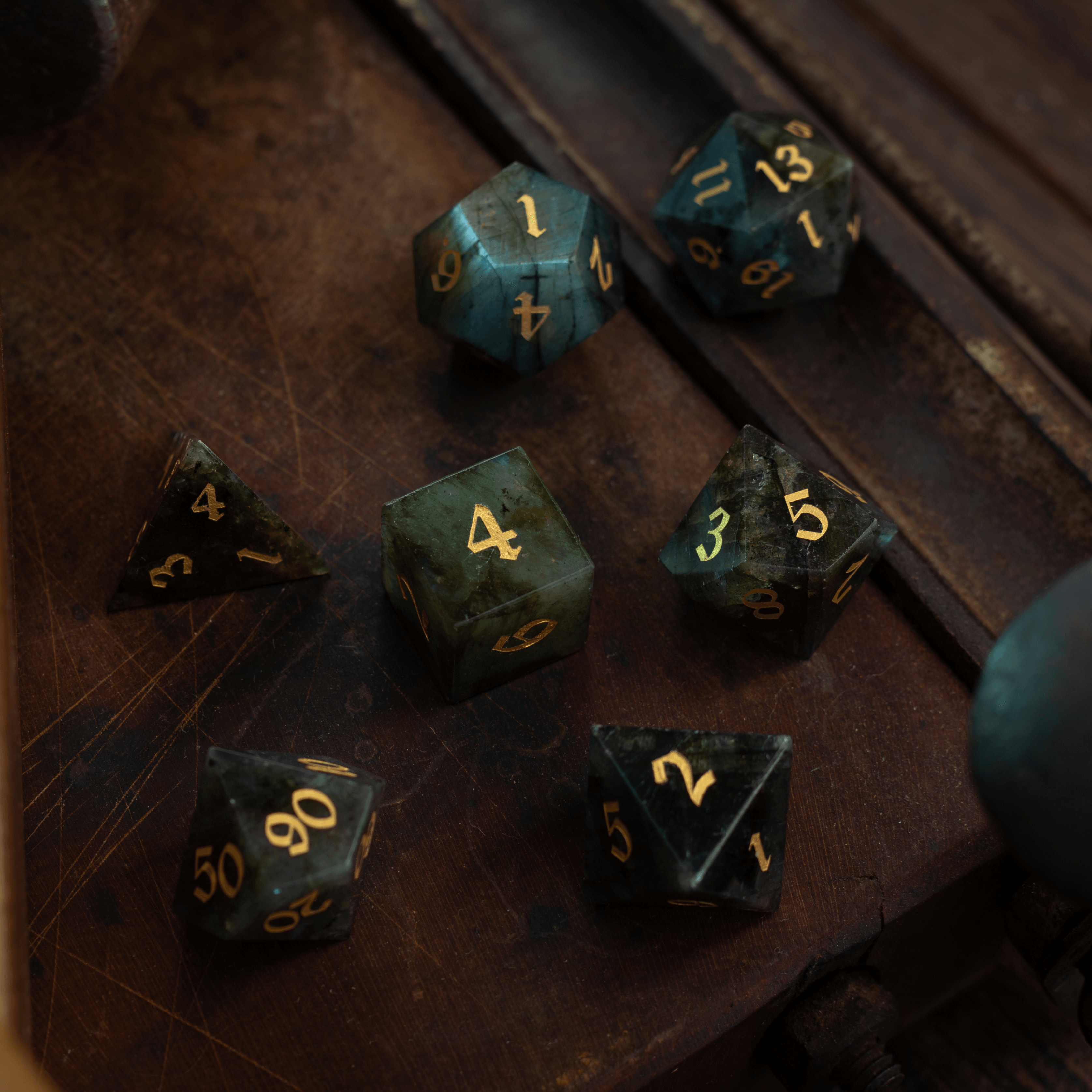
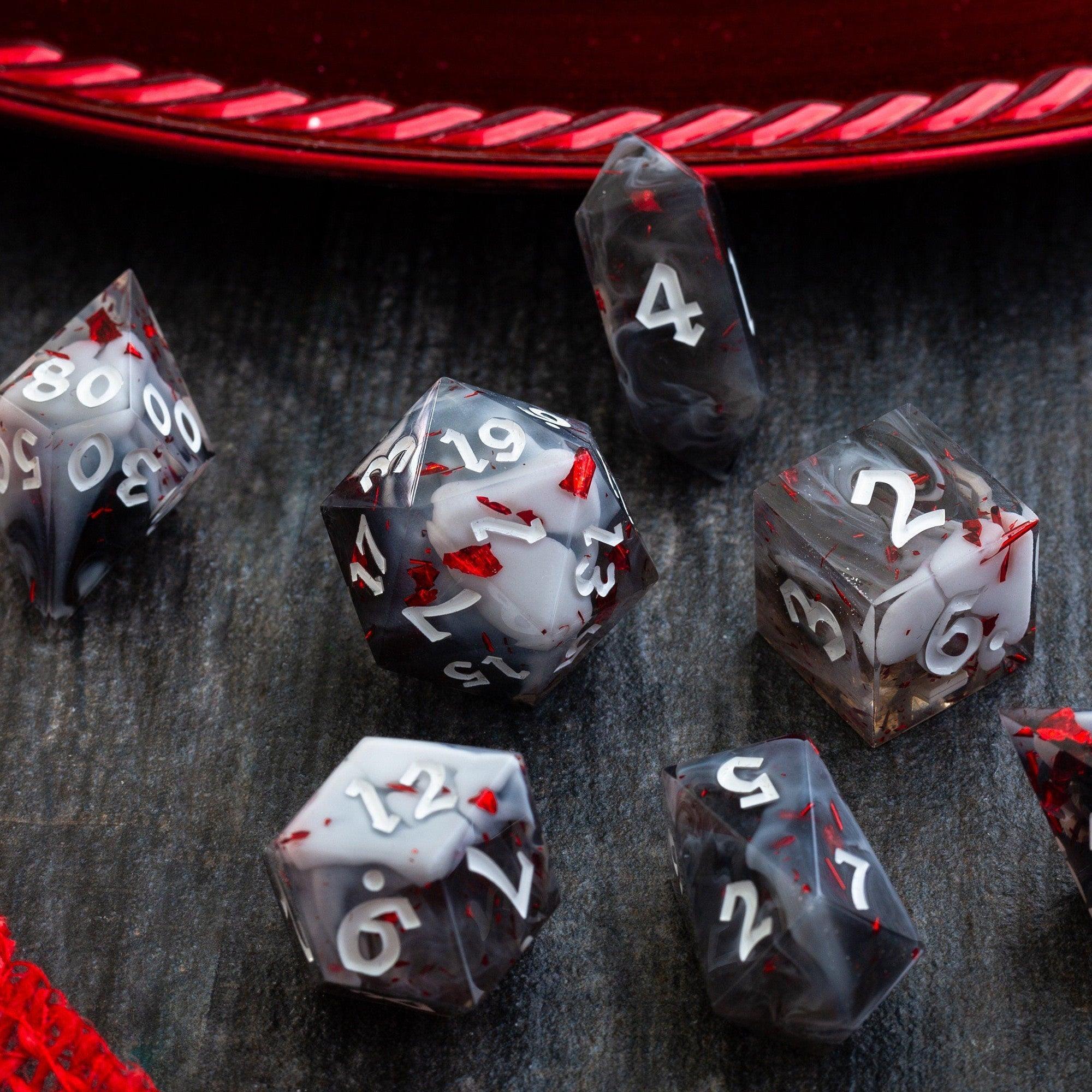
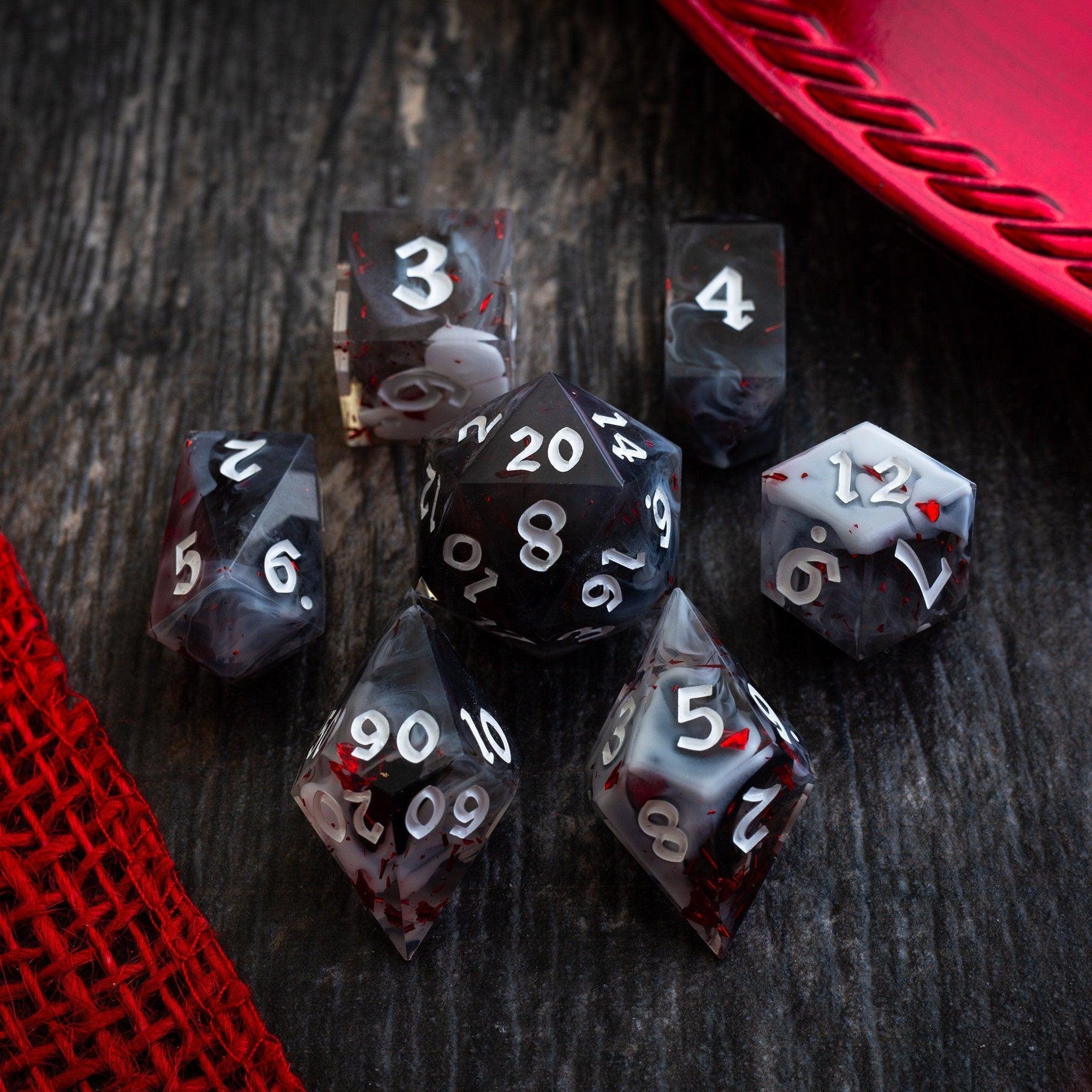
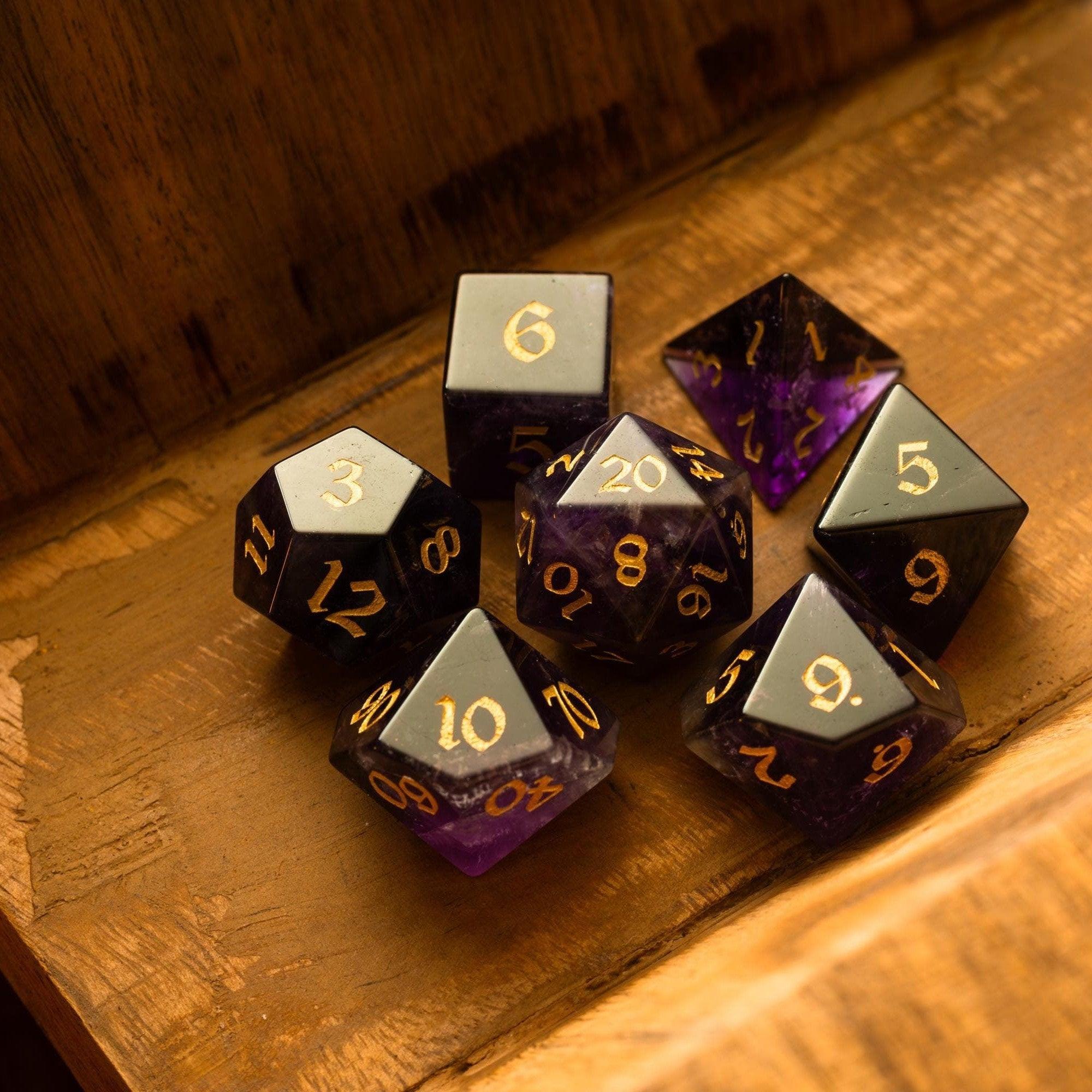
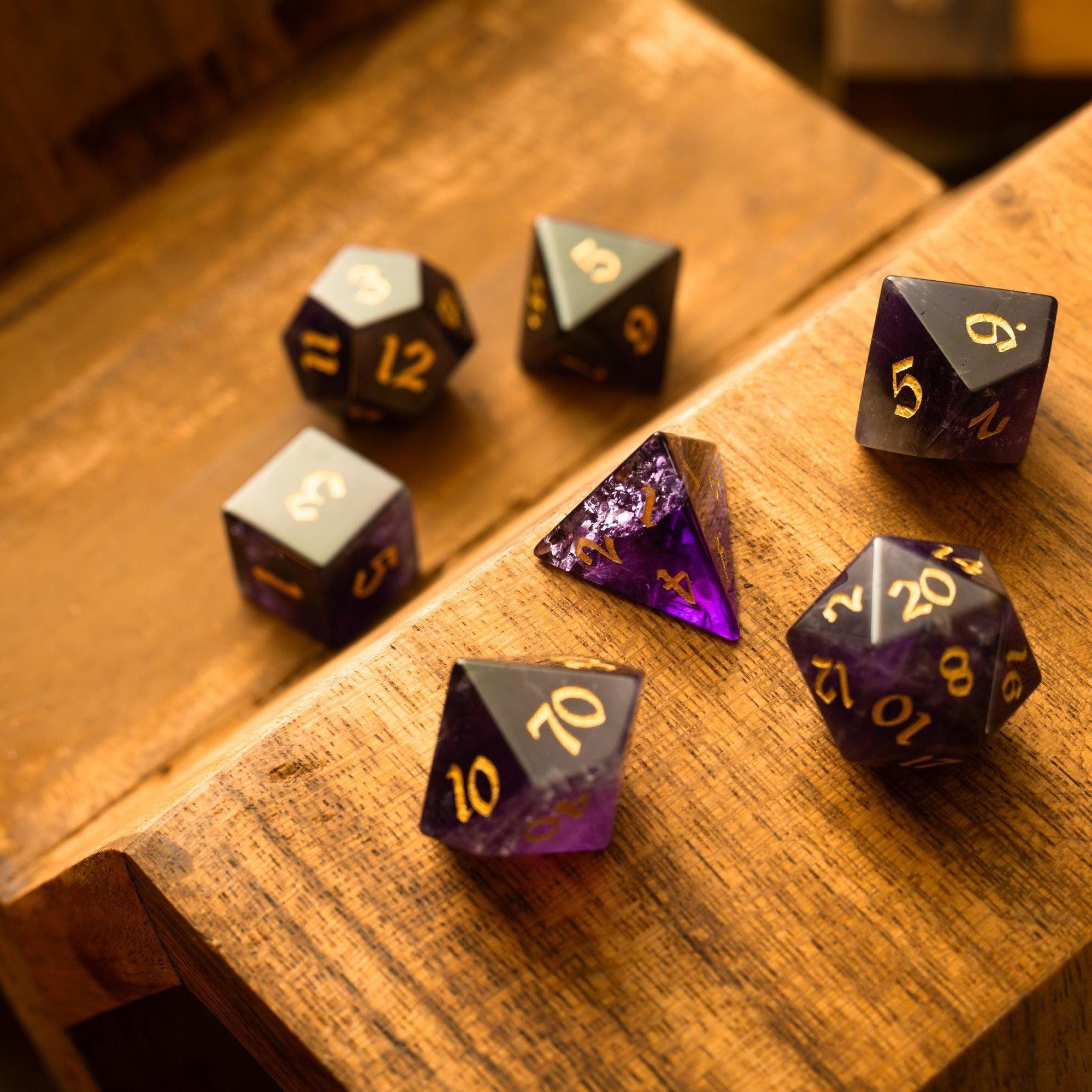
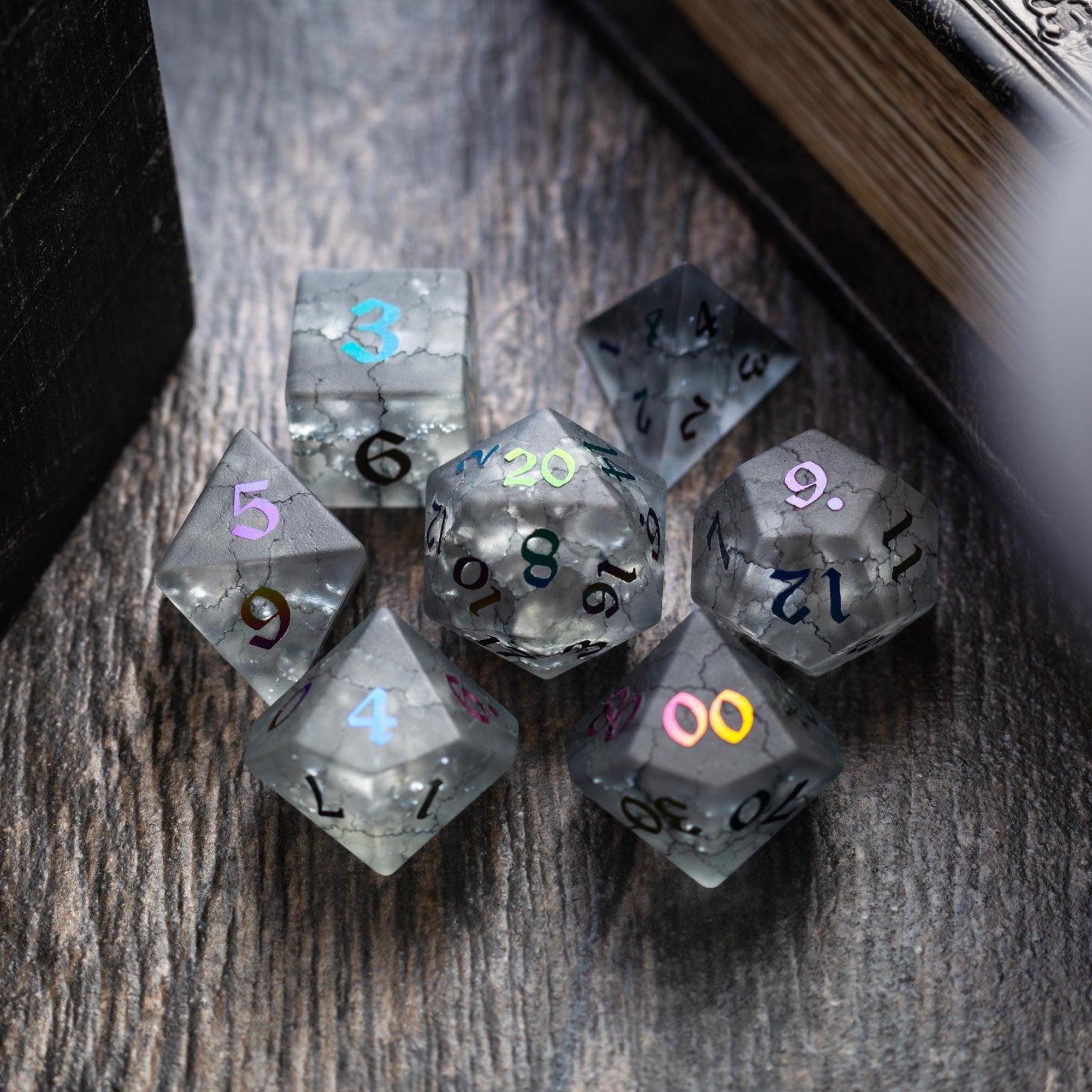
Here's a fun tip: when you're introducing a major NPC or villain, sometimes rolling with a special dice set (maybe gemstone dice) adds a sense of occasion. It's a small detail, but your players notice these touches and remember them.
Final Thoughts & Takeaways
Building a better D&D campaign comes down to a few fundamental principles:
- Prepare situations, not scripts. Know the environment and what NPCs want, but let players surprise you.
- Prioritize player investment. A campaign where everyone cares is better than one with the most elaborate setting.
- Stay flexible. Your best ideas will come from reacting to what your players do.
- Make your world responsive. Let actions have visible consequences, even minor ones.
- Develop characters with depth. Even minor NPCs become memorable with personality and motivation.
- Communicate with your players. Talk about what kind of game you want to run together.
The most successful D&D campaigns aren't the ones with the most detailed maps or the most elaborate magic systems. They're the ones where everyone's having fun, feeling heard, and genuinely invested in what happens next. When you focus on those elements, you're well on your way to crafting something special.
Remember, you don't need perfect preparation or elaborate resources. Your imagination, your players' creativity, and your genuine enthusiasm for the adventure are your most powerful tools. Add some excellent gemstone dice to your table, gather your friends, and start building something memorable together.
Frequently Asked Questions
How long should I spend preparing for each session?
Most experienced Dungeon Masters spend one to three hours preparing for a three to four-hour session. This includes reviewing notes, preparing key NPC interactions, sketching out possible encounters, and thinking through how player choices might ripple forward. Quality preparation matters more than quantity—focused preparation beats endless planning every time.
What should I do if my players go completely off the rails?
First, remember that "off the rails" often means they're engaged enough to make bold choices, which is fantastic. Embrace it. Let their actions matter. If they ignore a planned quest, that's fine—create new consequences from their actual decisions. Some of your best campaign moments will come from players taking unexpected paths.
How do I balance challenge with fun for my players?
Talk with your group about what difficulty level everyone enjoys. Some tables want deadly encounters; others prefer roleplay-heavy sessions with minimal combat. There's no universal answer. Pay attention to what creates genuine tension versus what feels frustrating. A fight that's challenging because everyone's on the edge of their seat is different from one that feels unfair. Adjust encounters based on how your party is doing—victory and failure are both more satisfying when the outcome felt genuinely uncertain.
Should I use published campaign modules or create my own world?
Either approach works perfectly. Published modules provide structure and save preparation time, which is great for newer Dungeon Masters. Homebrew campaigns let you create a more personalized experience. Many DMs do a hybrid approach: start with a published module and customize it heavily, or use published settings as frameworks for original stories. Choose based on your comfort level and available time.
How can I keep players engaged between sessions?
Send occasional messages referencing recent events, ask what they're planning to do next, create side quests that tie to character backstories, or share world-building details that excite them about upcoming sessions. You don't need to do much—even a quick text about something cool happening in their hometown keeps people thinking about the game.
What's the best way to handle character death?
This depends on your table's preferences, which you should discuss during session zero. Some groups want high-lethality campaigns; others prefer narrative-driven games where death is rare. Neither is wrong. The key is everyone understanding expectations. When death does occur, make it meaningful—not random or cheap. Give the player a chance to go out in a blaze of glory or create an emotionally resonant final moment.



Leave a comment
This site is protected by hCaptcha and the hCaptcha Privacy Policy and Terms of Service apply.