
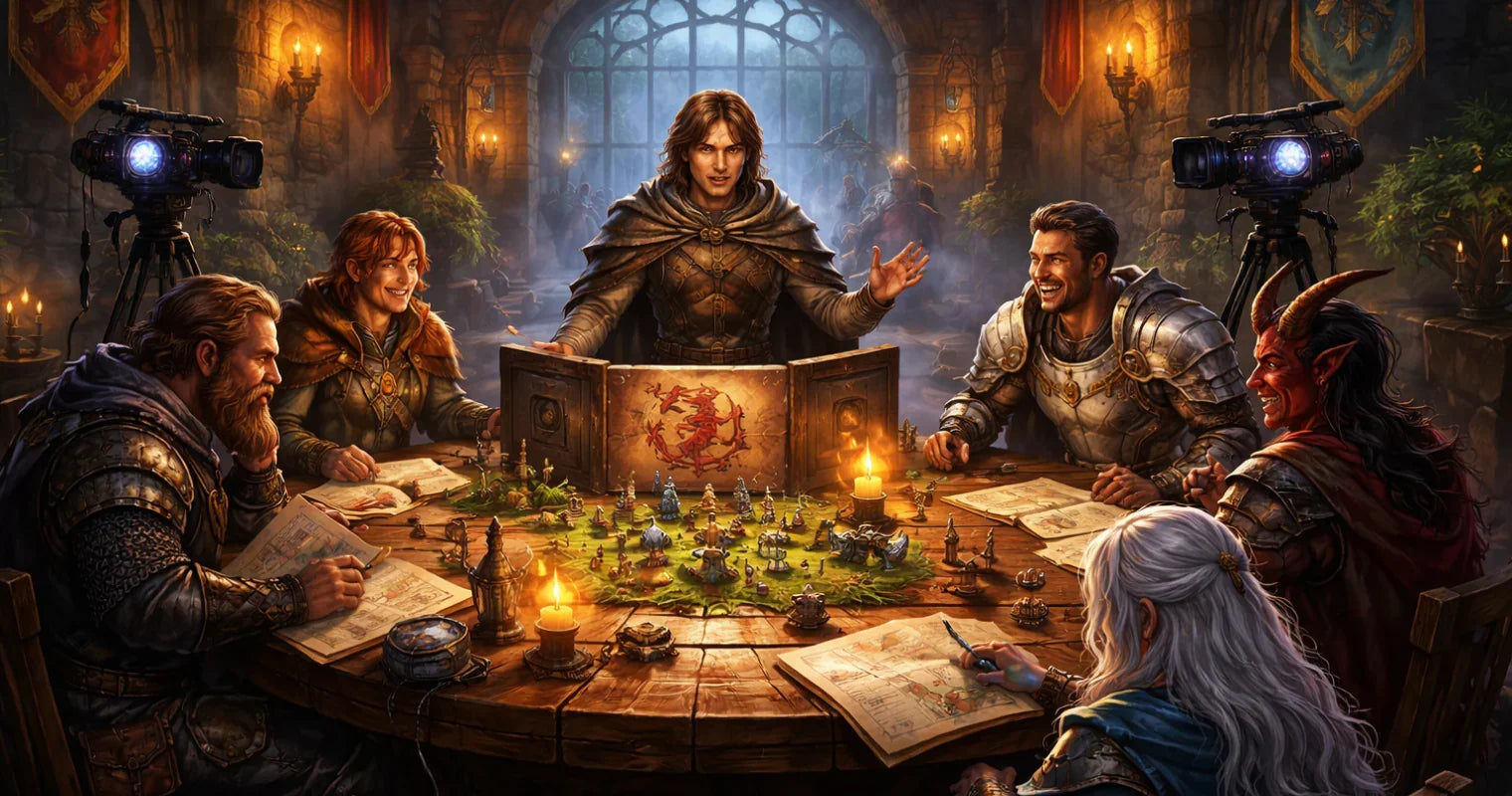
Actual Play DnD Series: How to Start and Grow a Loyal Channel
Starting an actual play DnD series is an exciting way to share your adventures with other tabletop RPG fans. Whether you want to stream live, publish edited videos, or launch an actual play podcast, creating content allows your group's stories to reach people far beyond the gaming table.
Many new creators believe they need expensive cameras, professional studios, or years of broadcasting experience before recording their first session. In reality, audiences usually stay because they enjoy the story, the personalities around the table, and the consistency of the series. Clear audio, engaging roleplaying, and reliable scheduling often matter far more than expensive equipment.
If you are interested in becoming a D&D content creator, this guide will walk through campaign planning, recording basics, production tips, and audience engagement to help you build a tabletop RPG channel that grows naturally over time.
What Makes an Engaging Actual Play Campaign?
Not every home campaign translates well into a recorded series. Players already know the story around the table, but viewers need enough context to stay invested.
An entertaining D&D actual play campaign usually includes:
-
Clear goals for the party
-
Memorable player characters
-
Strong character interactions
-
Interesting villains and NPCs
-
Meaningful player choices
-
Steady pacing between roleplaying and combat
Instead of trying to create the largest fantasy world imaginable, focus on a setting that players can easily explore while viewers can quickly understand.
Campaigns become more enjoyable to watch when every player has opportunities to contribute. Some episodes may focus on exploration, while others emphasize mystery, diplomacy, or tactical combat. Variety helps keep both players and audiences engaged.
A Game Master should also be comfortable adapting when players surprise them. Some of the most memorable moments in D&D actual play series come from unexpected decisions rather than carefully scripted events.
Plan Episodes for Both Players and Viewers
Running a campaign and producing entertainment are similar but not identical goals.
Players enjoy spending thirty minutes debating a plan. Viewers may appreciate a shorter version that keeps the story moving.
Before each recording, think about the overall flow of the episode.
Ask yourself:
-
What story goal should this session accomplish?
-
Which character deserves the spotlight?
-
Is there an exciting encounter planned?
-
Where is a natural stopping point?
-
Will viewers understand what is happening?
Many creators prepare a brief recap before each episode. This helps returning viewers remember previous events while giving newcomers a simple introduction.
When recording, avoid interrupting the game too frequently. Natural conversations often become the most memorable scenes.
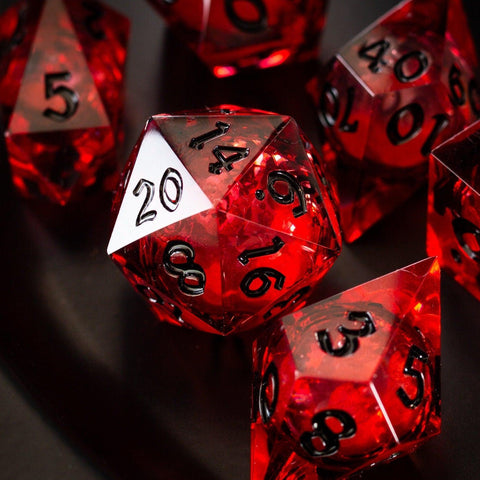
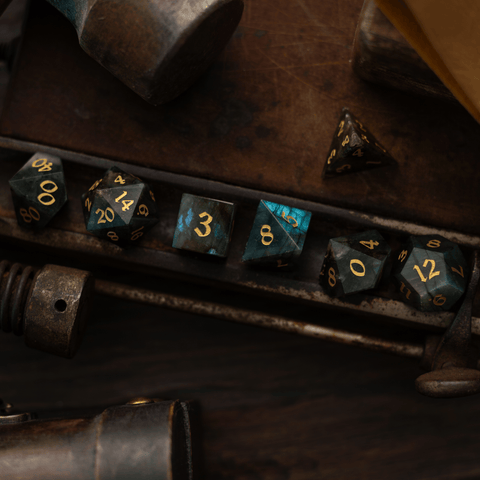
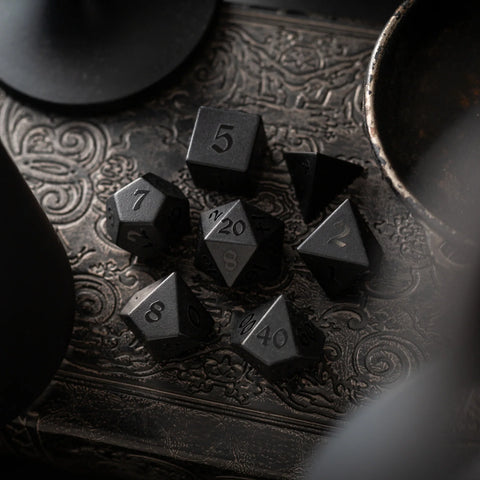
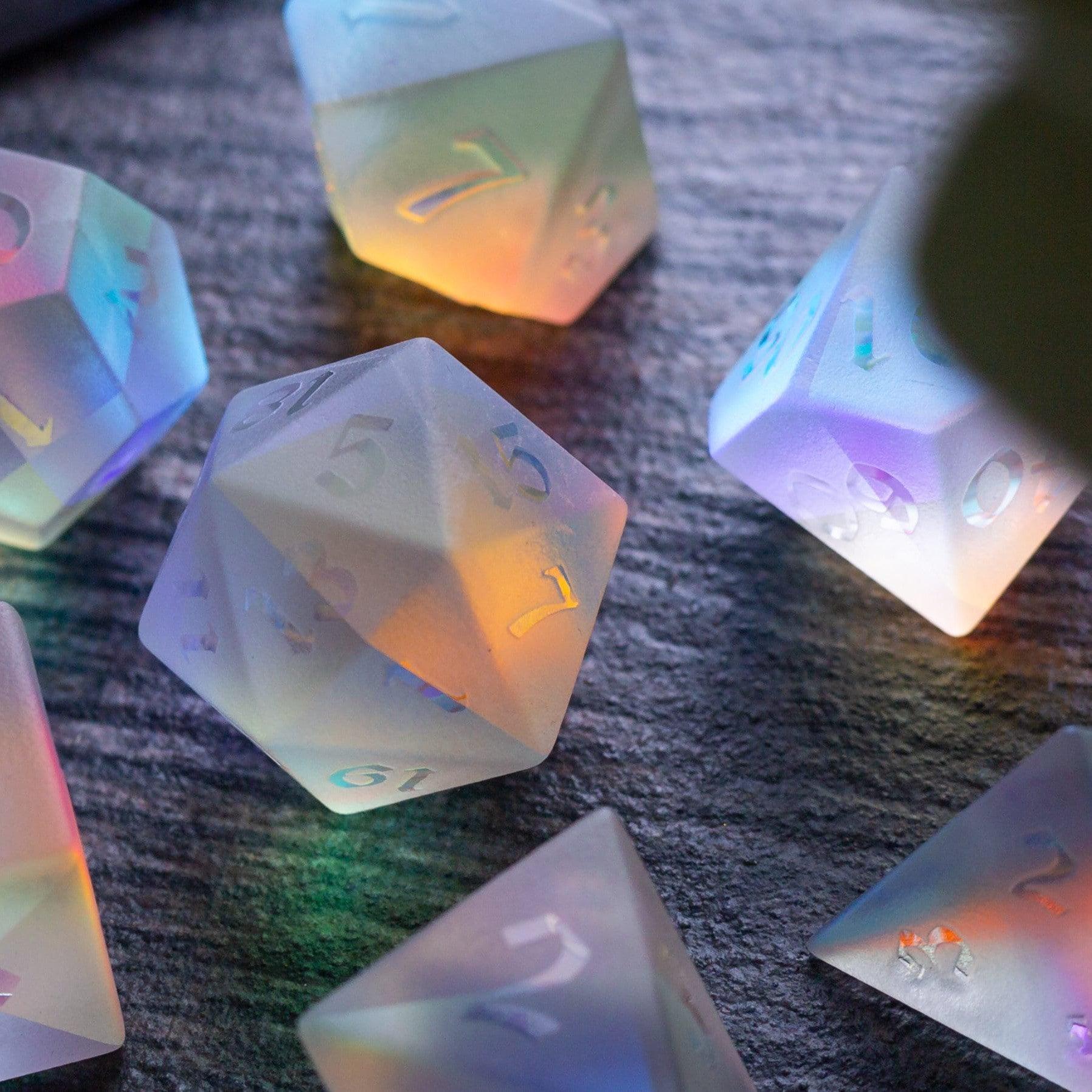
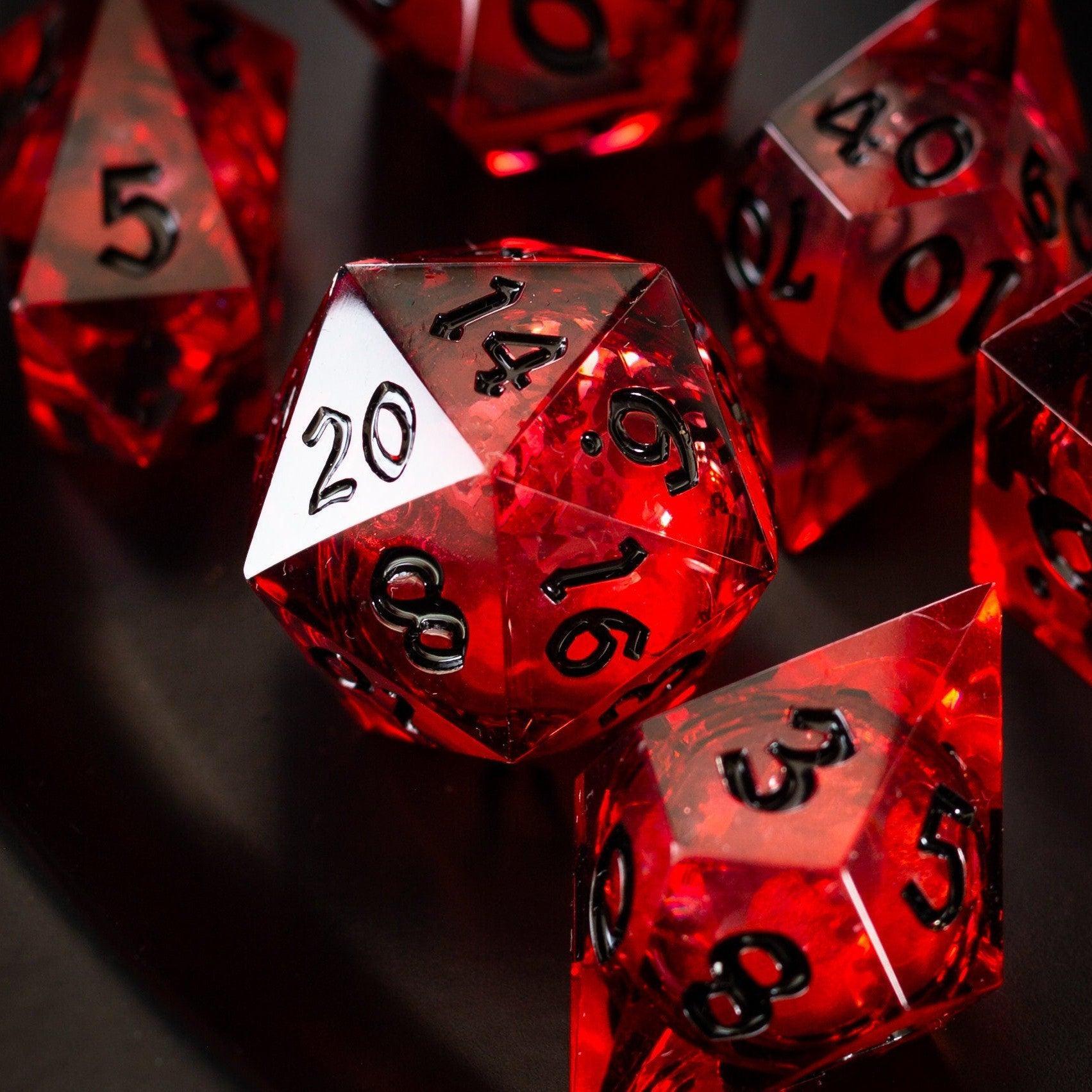
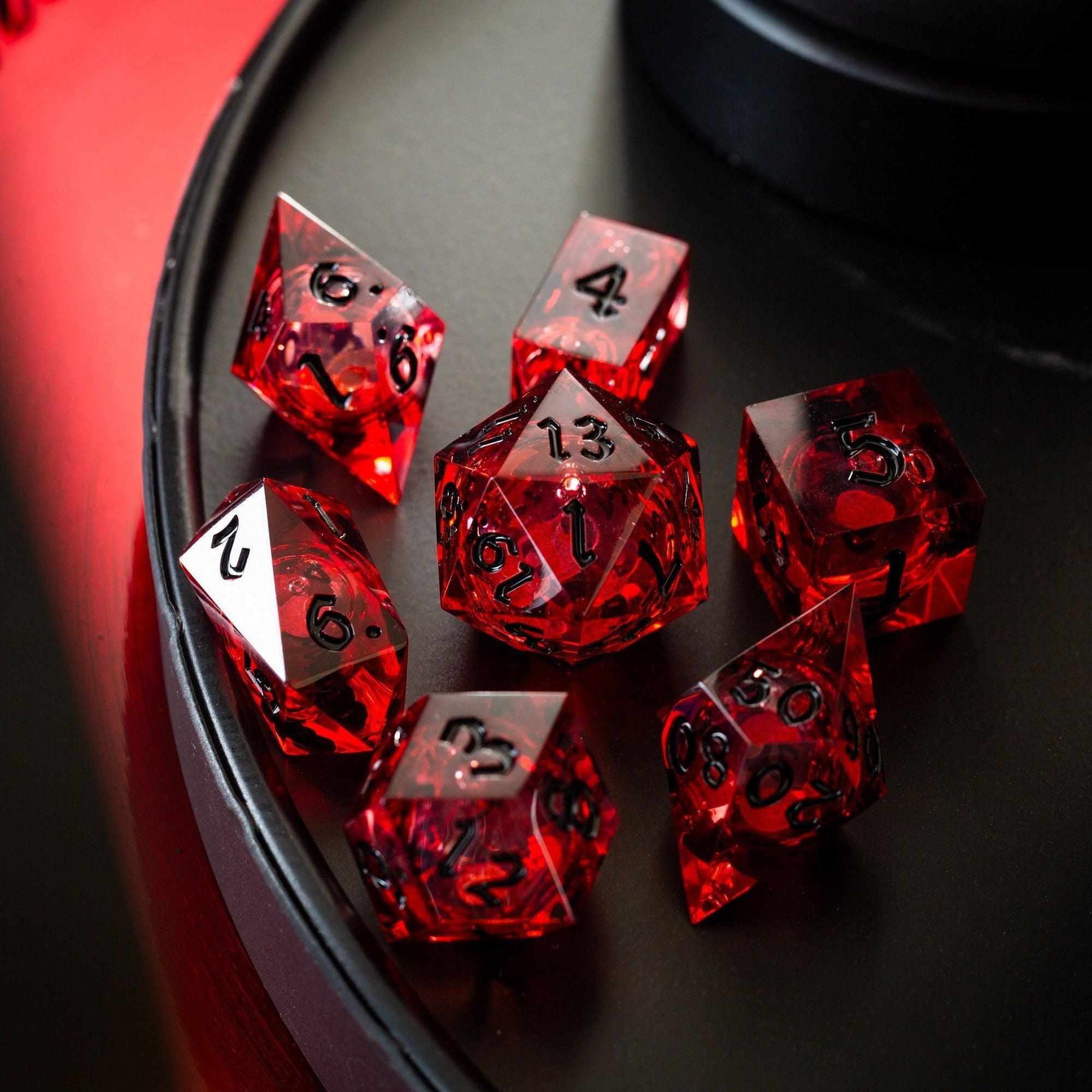
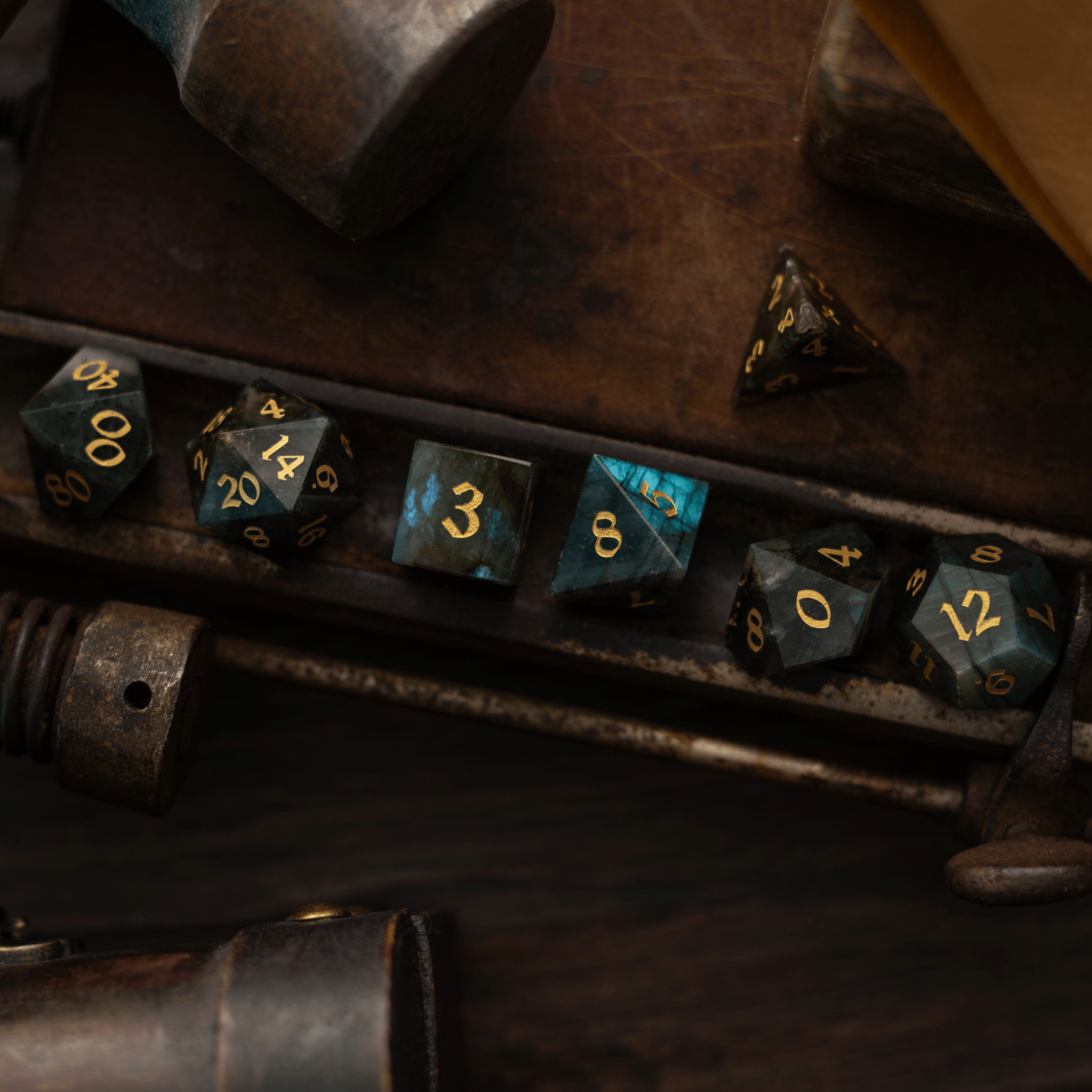
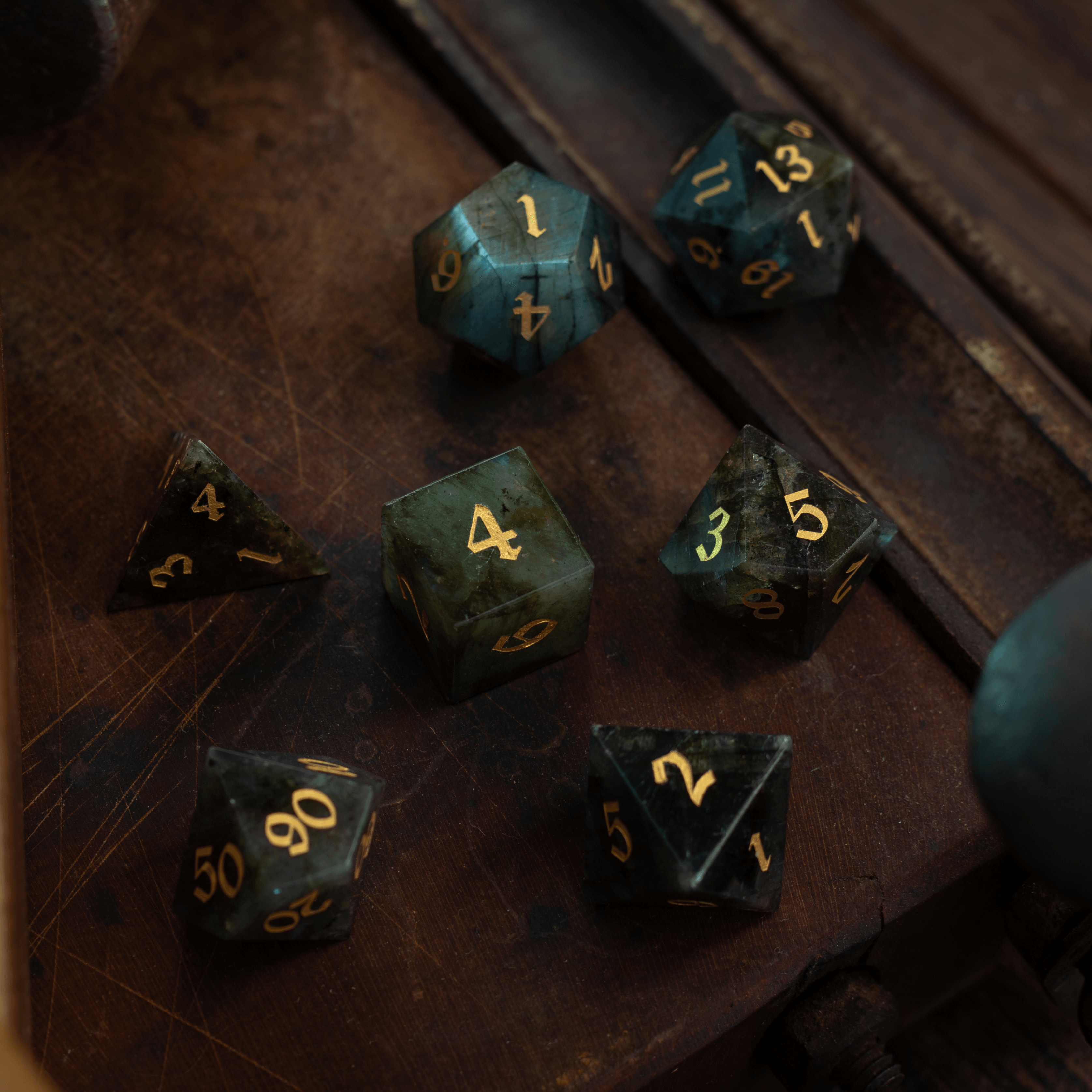
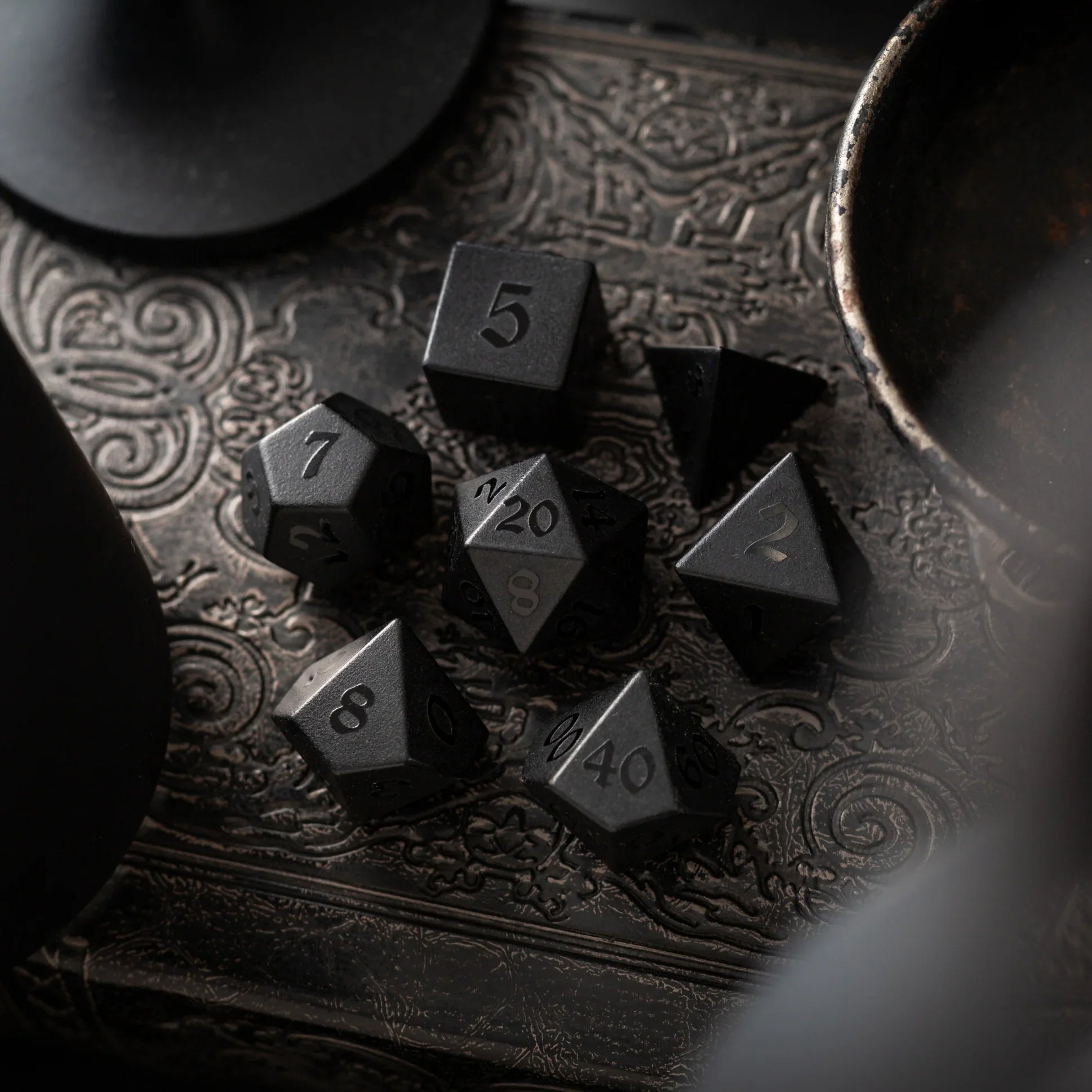
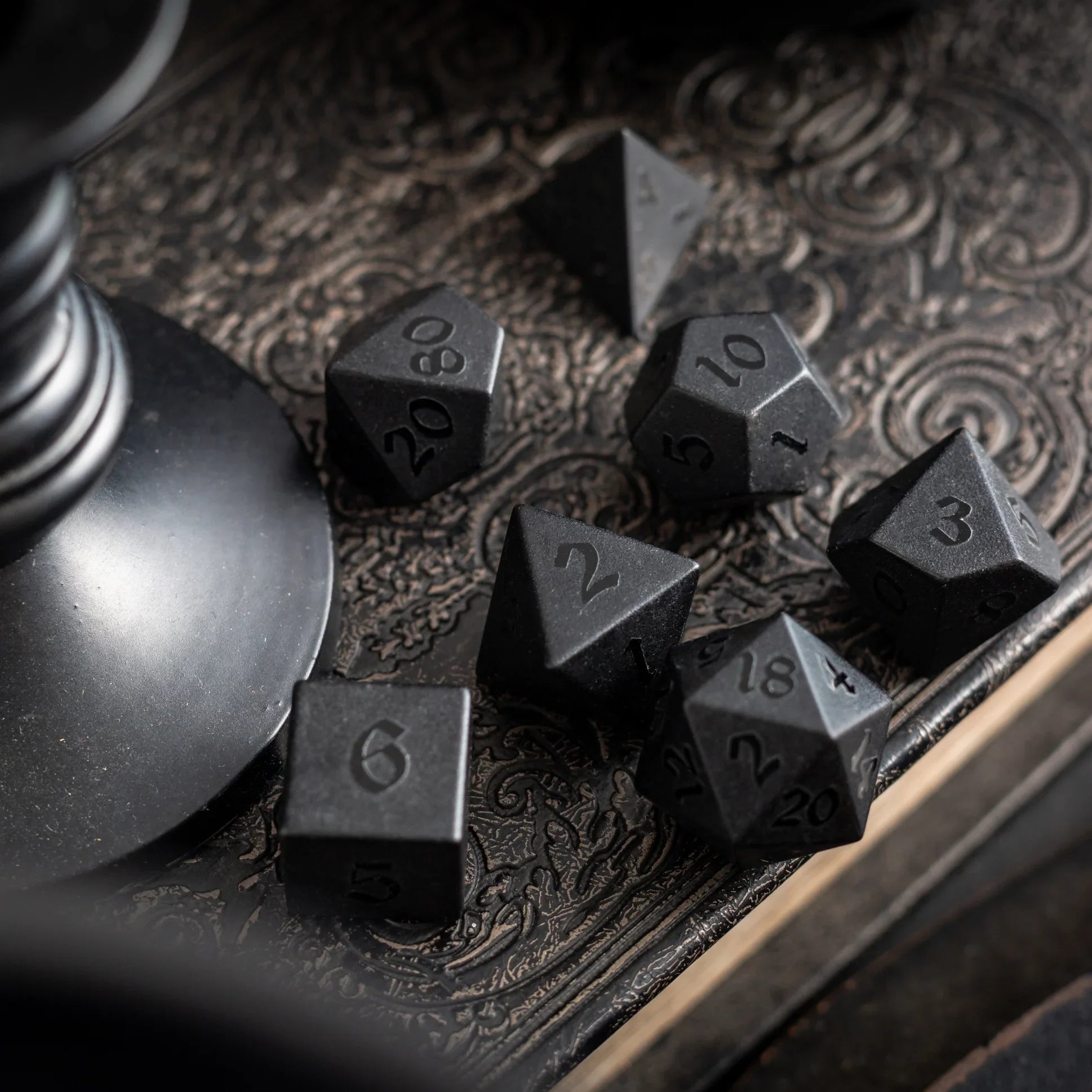
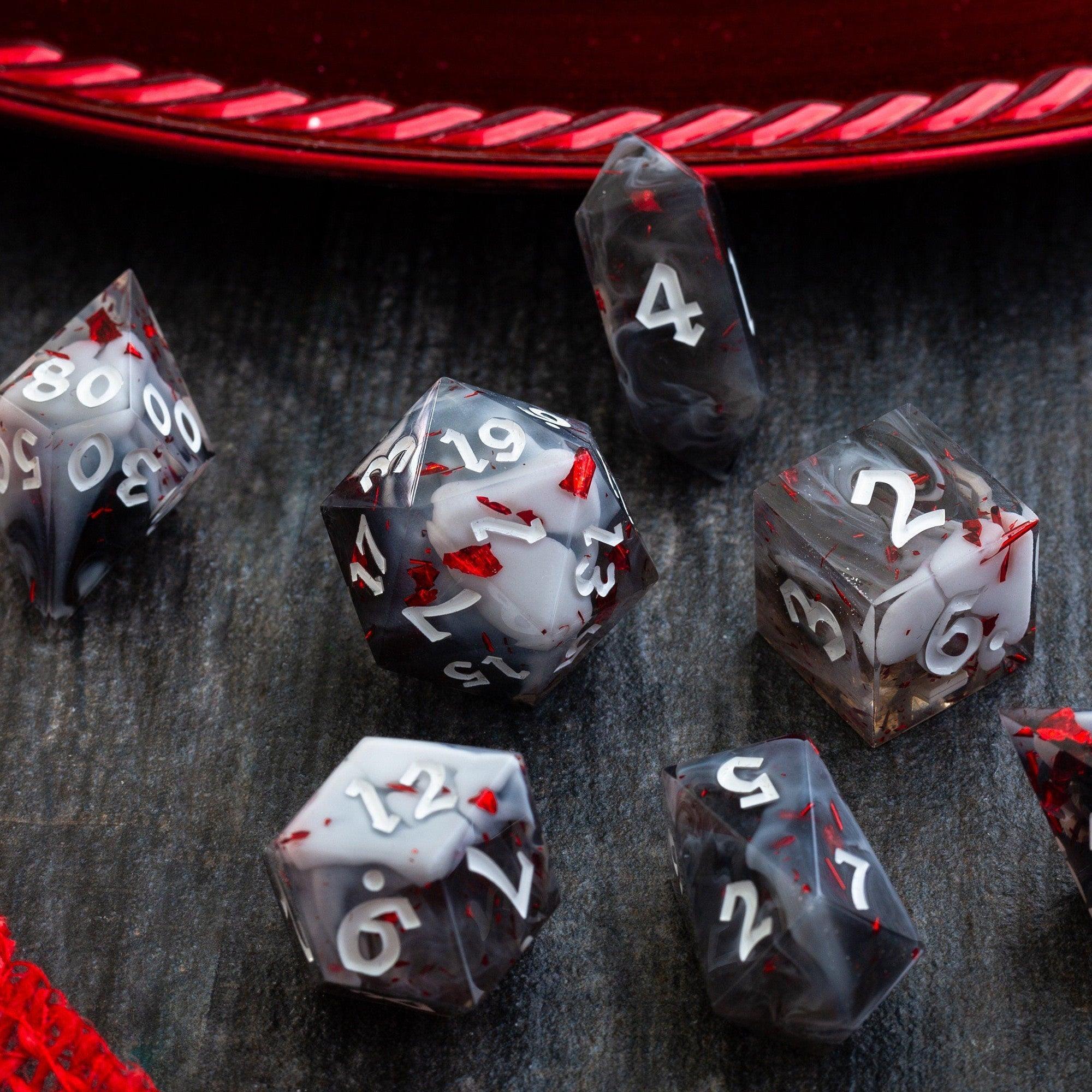
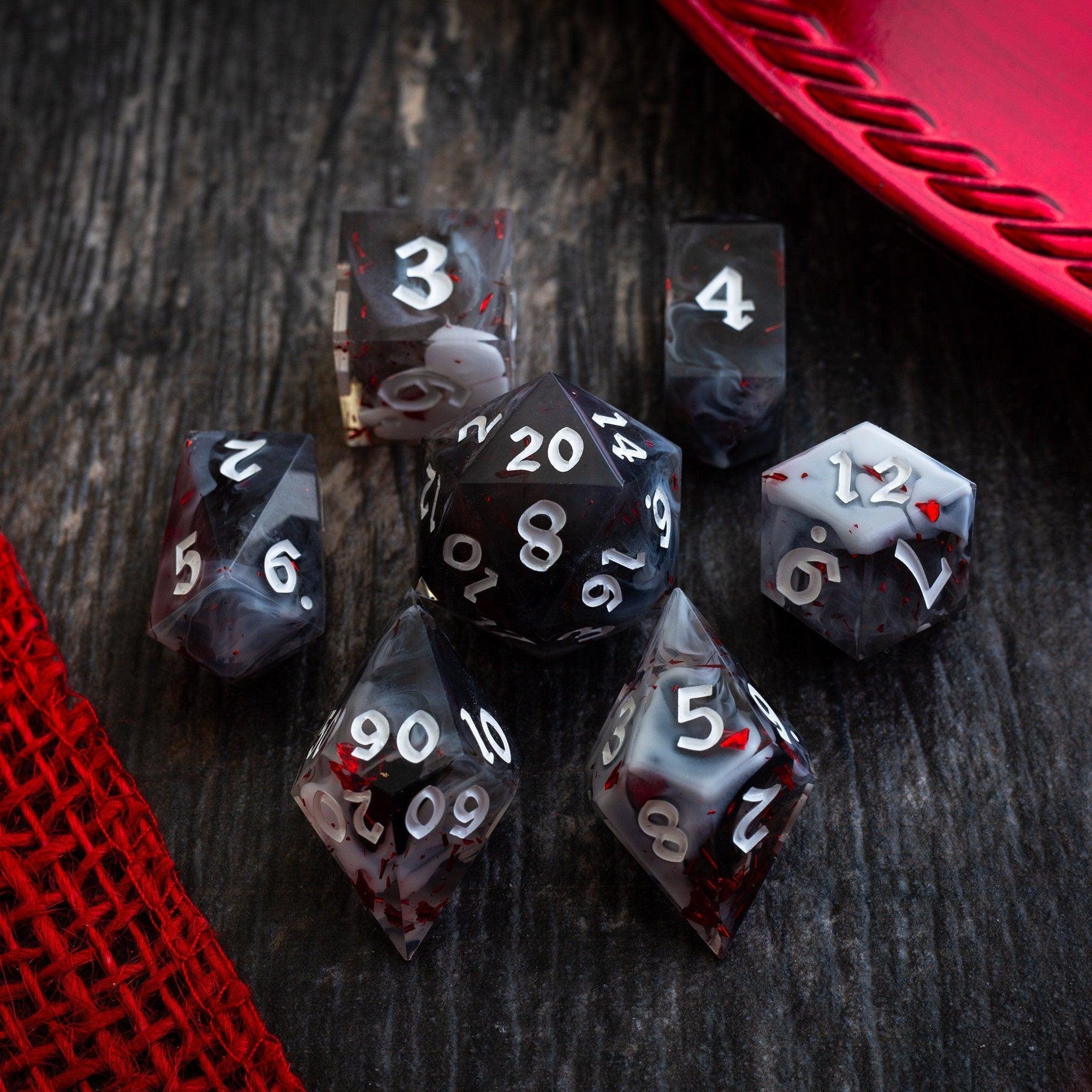
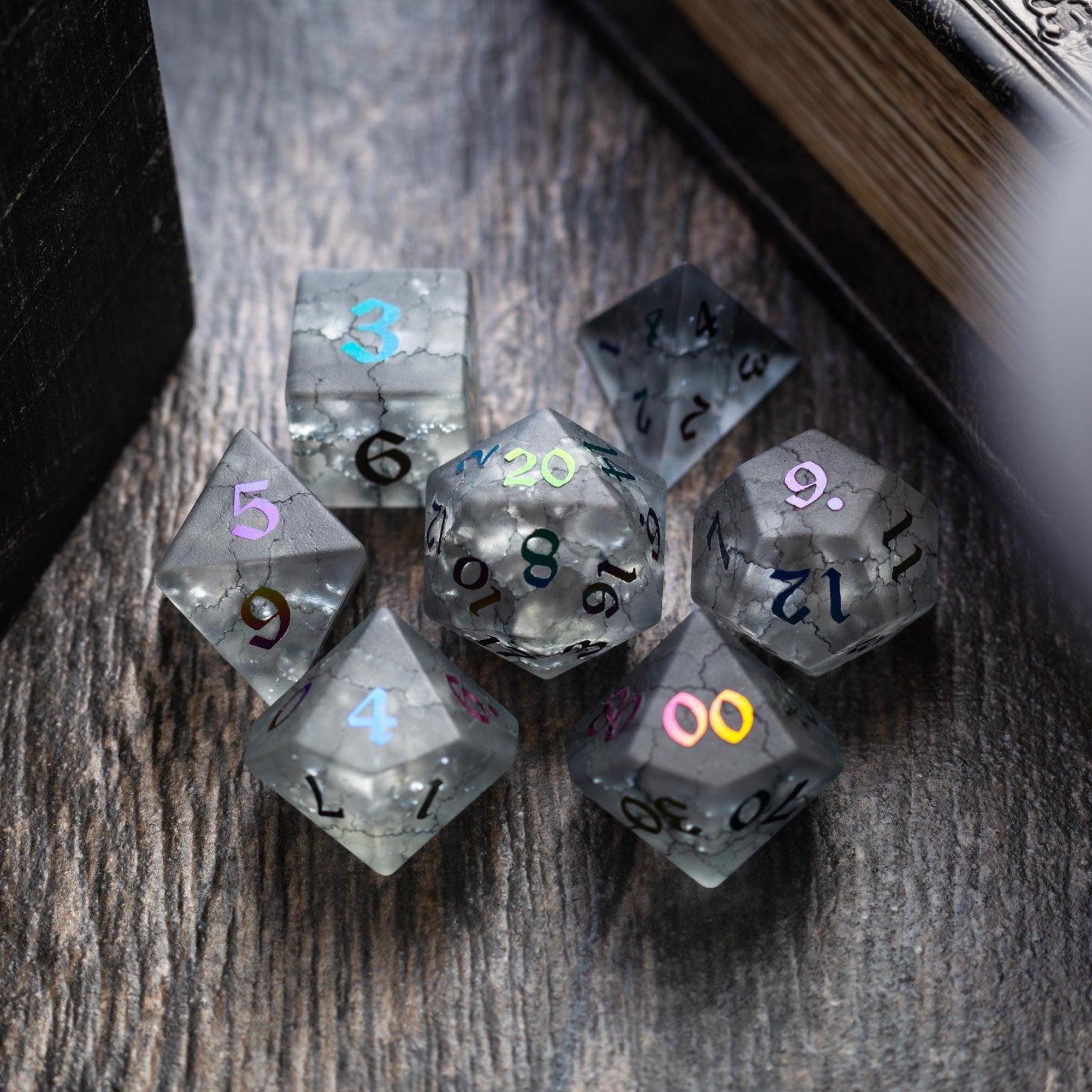
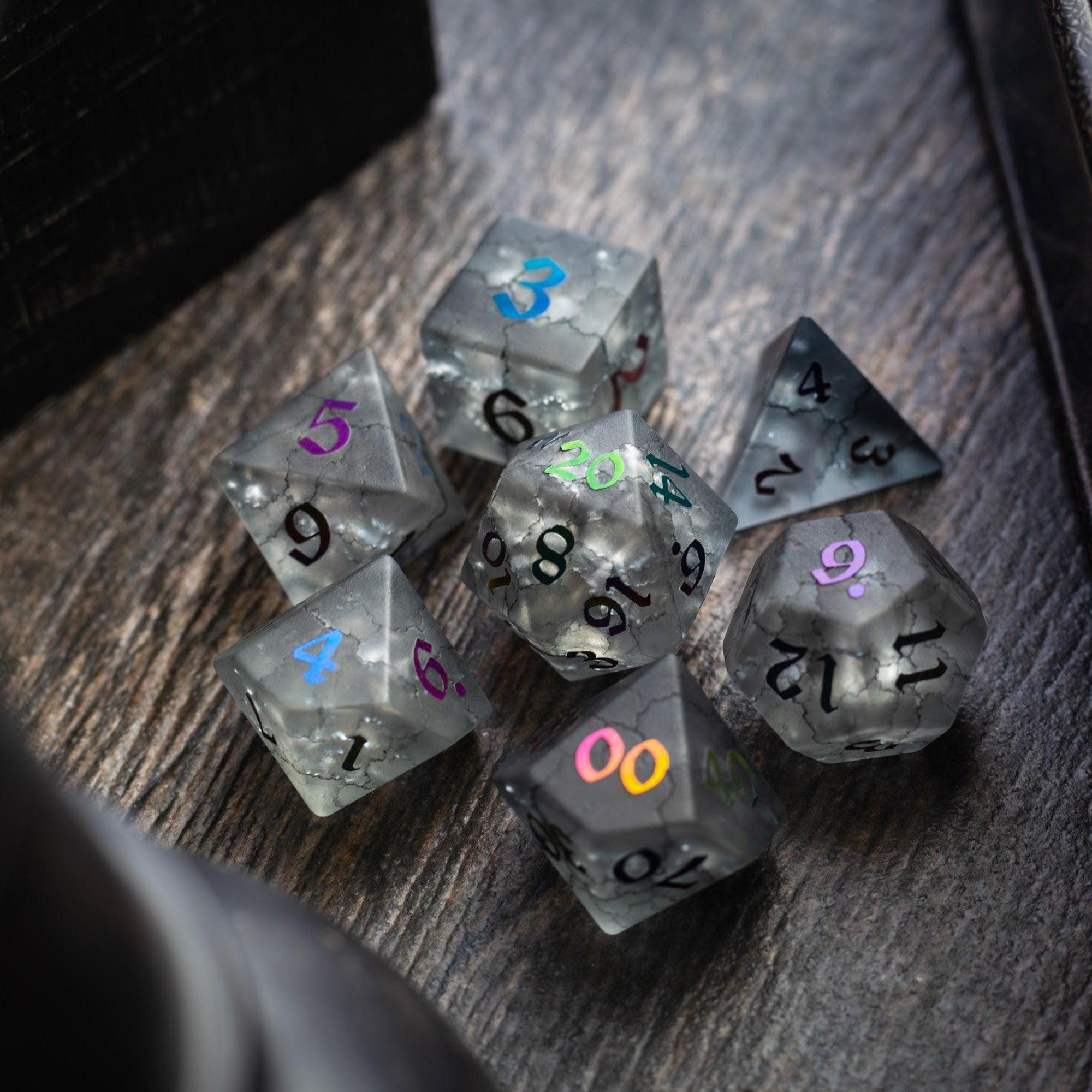
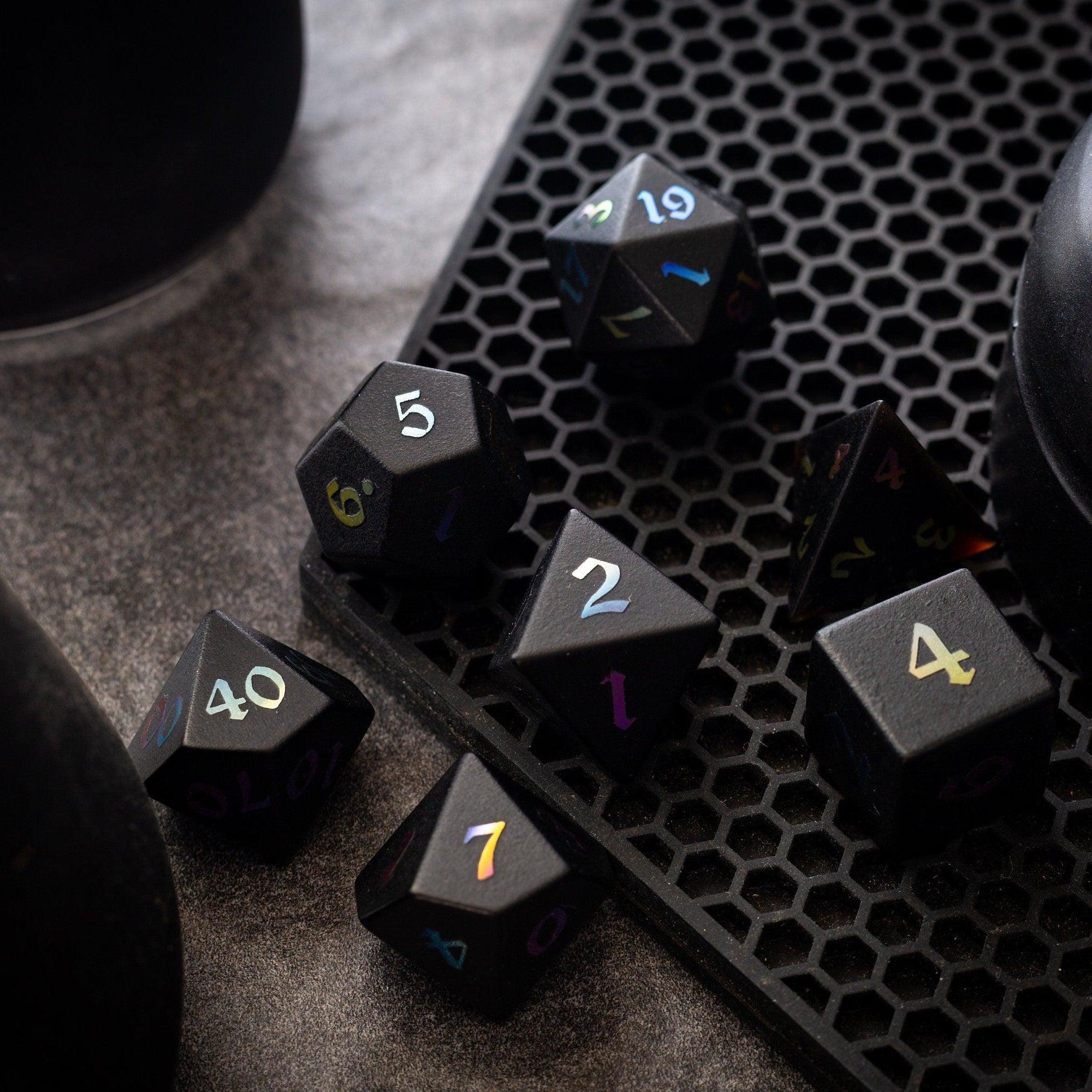
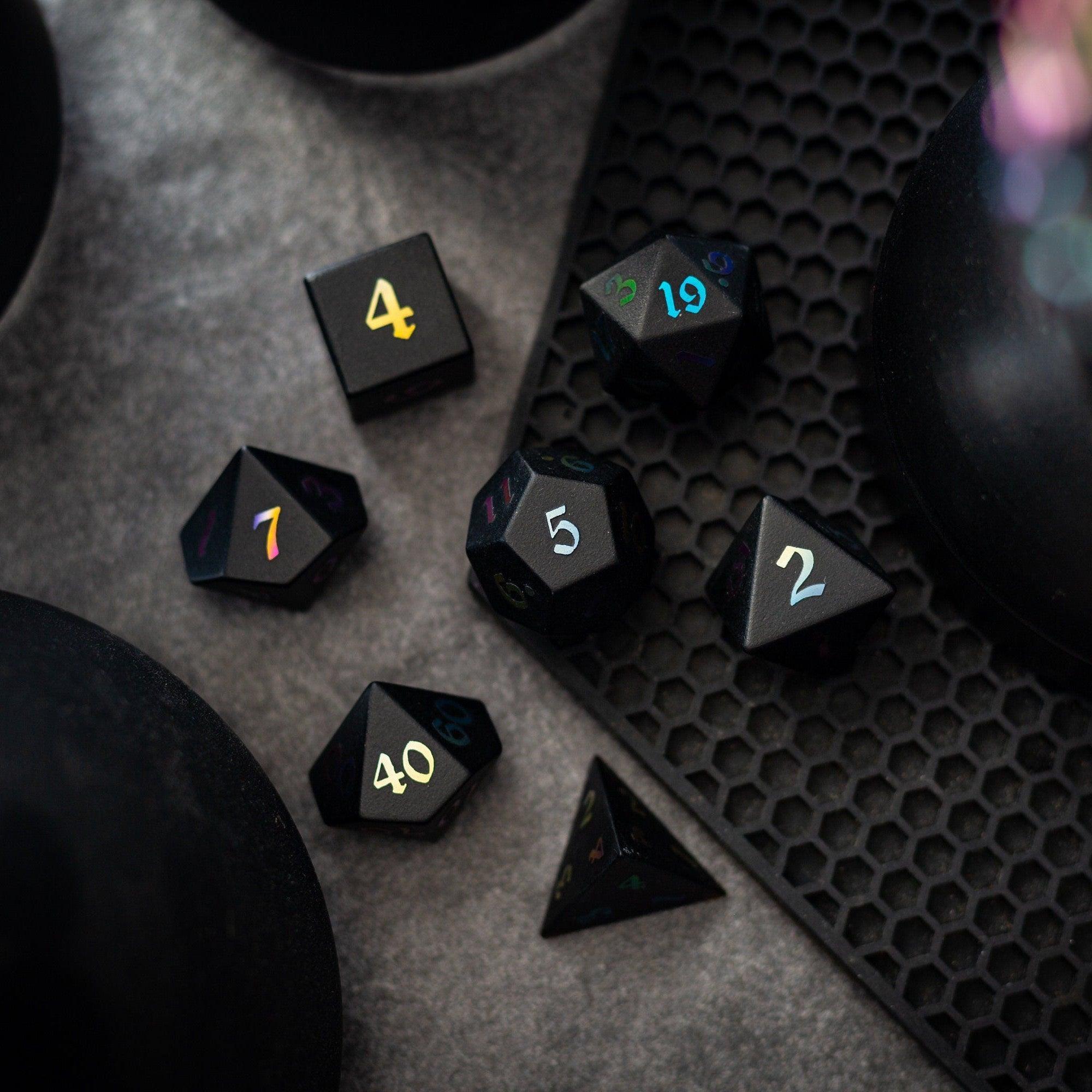
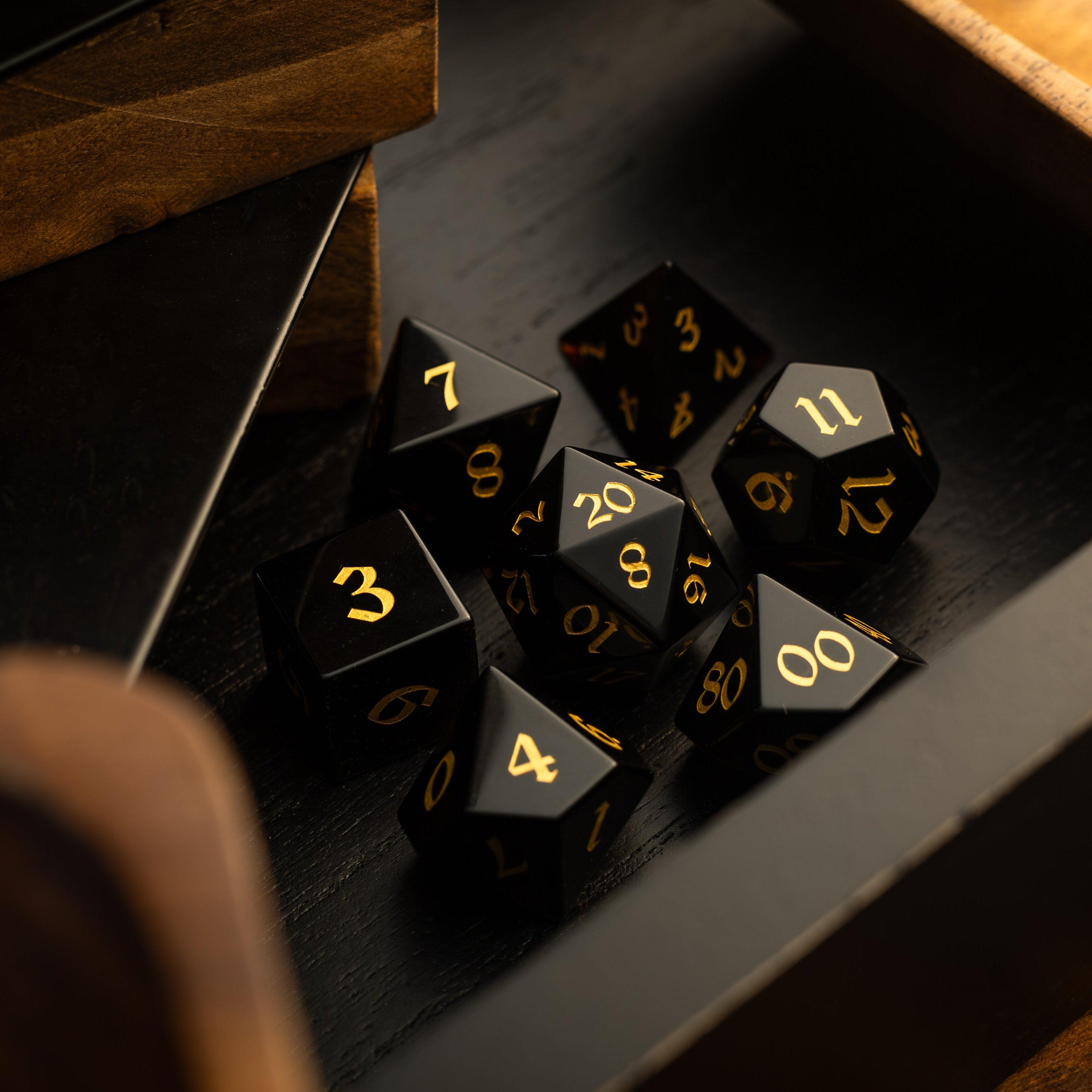
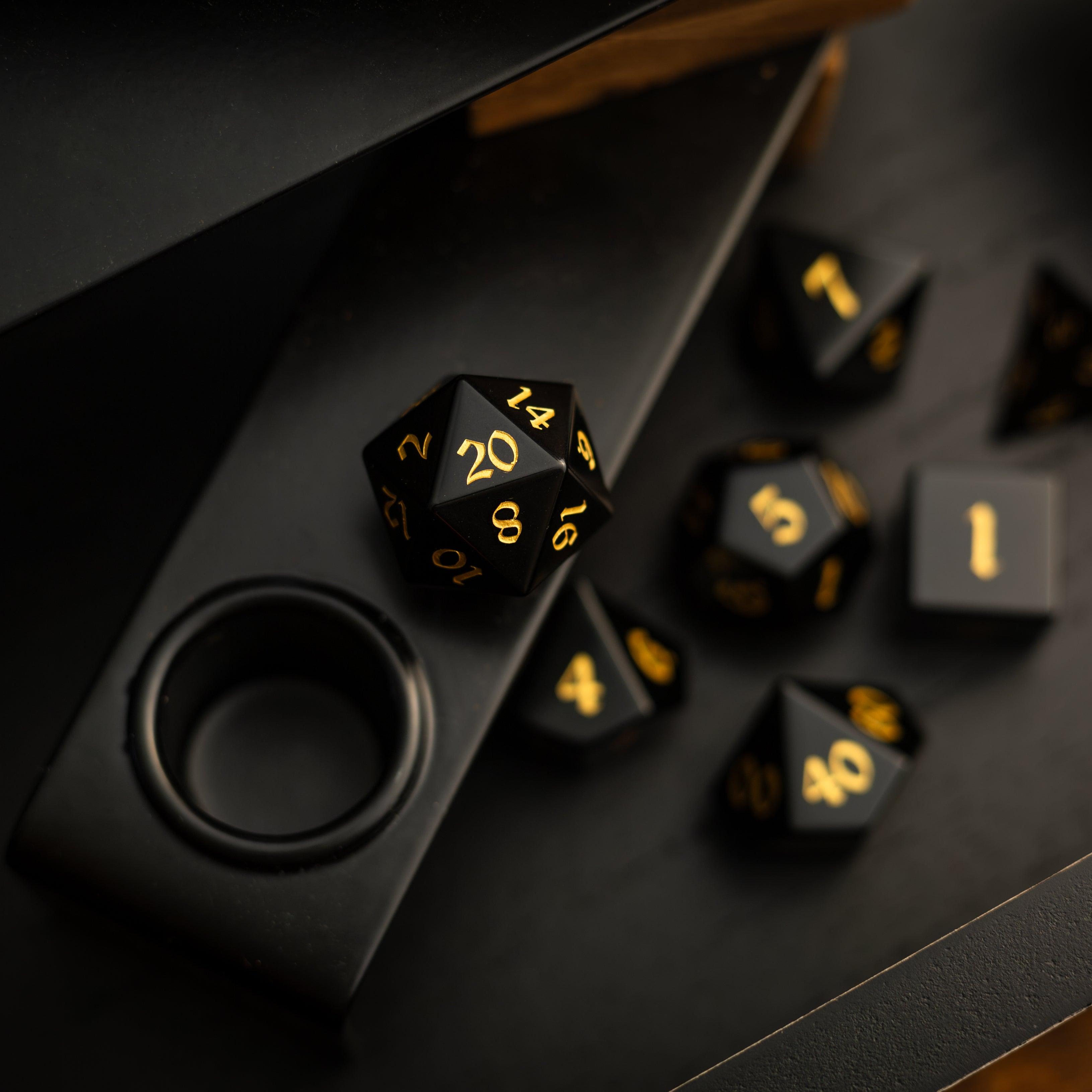
If your table enjoys using premium resin, gemstone, or metal dice during play, those distinctive designs can also make close-up shots more visually interesting without distracting from the story.
Recording Equipment and Production Basics
One of the biggest misconceptions about tabletop RPG streaming is that expensive equipment automatically creates better content.
Good production starts with clear communication.
Prioritize these areas first:
Audio Quality
Poor audio is one of the fastest ways to lose viewers.
Consider:
-
Individual microphones when possible
-
Quiet recording spaces
-
Soft furnishings to reduce echo
-
Recording separate audio tracks if available
-
Monitoring sound levels before every session
Even a simple microphone setup can produce excellent results when the room is quiet.
Camera Placement
If using video:
-
Keep every player visible
-
Avoid harsh lighting
-
Maintain consistent framing
-
Keep the table uncluttered
-
Test camera angles before recording
Good lighting often improves image quality more than upgrading the camera itself.
Table Presentation
A clean gaming table creates a more enjoyable viewing experience.
Helpful accessories include:
-
Dice trays to reduce loud rolling sounds and keep dice organized
-
Dice towers for consistent, easy-to-follow on-camera rolls
-
Dice bags for transporting character supplies between recording sessions
Small improvements like these help the game look polished without changing how the group naturally plays.
Content Planning Table
Planning each episode ahead of time makes production smoother and reduces stress on recording day.
| Episode Element | Preparation Tasks | Audience Value | Production Tips |
|---|---|---|---|
| Campaign recap | Review previous notes | Helps viewers catch up | Keep under a few minutes |
| Character spotlight | Prepare personal story moments | Builds emotional investment | Rotate focus between players |
| Combat encounter | Organize monster stat blocks | Adds excitement | Keep turns moving efficiently |
| NPC interaction | Outline personalities and goals | Creates memorable roleplay | Allow player improvisation |
| Exploration | Prepare maps and descriptions | Encourages curiosity | Avoid lengthy pauses |
| Episode ending | Identify natural stopping point | Encourages viewers to return | End after a satisfying moment |
Build a Consistent Release Schedule
Consistency helps audiences develop viewing habits.
There is no universally correct publishing schedule.
Some groups release:
-
Weekly episodes
-
Every other week
-
Monthly sessions
-
Seasonal campaigns
Choose a schedule your group can realistically maintain.
Missing occasional uploads is normal, but regularly disappearing for months can make it difficult for viewers to stay connected to an ongoing story.
Batch recording multiple sessions can provide flexibility when real-life schedules become busy.
Encourage Community Interaction
Successful RPG content creation is not only about recording games.
It is also about building relationships with viewers.
Encourage discussion by asking questions like:
-
Which NPC became your favorite?
-
What would your character have done?
-
Which mystery should the party investigate next?
-
What theory do you have about the villain?
Remember that audience suggestions should inspire future ideas rather than control the campaign.
Maintaining the group's creative vision keeps the story authentic while still making viewers feel involved.
Community engagement can also include:
-
Episode discussion posts
-
Character artwork
-
Campaign maps
-
Behind-the-scenes preparation
-
Rules discussions
-
Live question-and-answer sessions
These additions help strengthen your tabletop RPG channel between episodes without replacing the campaign itself.
Keep Improving Your Storytelling
Every recording teaches something.
After each session, spend a few minutes reviewing:
-
Audio quality
-
Camera placement
-
Combat pacing
-
Player participation
-
Episode length
-
Viewer questions
-
Editing improvements
Growth usually happens through many small adjustments rather than dramatic changes.
A Game Master who listens to feedback while staying true to the group's style often develops stronger storytelling over time.
Likewise, players become more comfortable speaking clearly, sharing the spotlight, and embracing memorable character moments as the campaign continues.
Common Mistakes New Actual Play Creators Should Avoid
Many challenges are easy to prevent with thoughtful preparation.
Avoid these common mistakes:
Prioritizing Equipment Over Story
A compelling campaign with clear audio often outperforms expensive production with weak storytelling.
Ignoring Audio
Viewers are generally more forgiving of average video than poor sound.
Overediting
Removing every pause can make conversations feel unnatural.
Inconsistent Scheduling
Publishing when possible is fine, but communicating schedule changes helps maintain audience trust.
Forgetting New Viewers
Brief recaps make it easier for people to join the series without watching dozens of previous episodes.
Trying to Copy Other Shows
Every gaming group has its own chemistry.
Audiences usually appreciate genuine personalities more than imitation.
Rushing Audience Growth
Building a loyal audience takes time. Many respected D&D livestream creators spent months or years consistently producing quality content before developing large communities.
Quick Actual Play Production Checklist
Before every recording session, review this checklist:
-
Campaign notes prepared
-
Character sheets updated
-
Maps and encounter materials ready
-
Audio equipment tested
-
Cameras charged and positioned
-
Lighting checked
-
Microphones monitored
-
Background noise minimized
-
Dice trays placed to reduce table noise
-
Dice towers tested if using on-camera rolling
-
Premium dice organized for easy visibility
-
Recording software confirmed
-
Water and snacks available
-
Episode recap prepared
-
Ending point identified
Following a simple routine helps reduce stress while allowing everyone to focus on enjoying the adventure.
Keep the Adventure Worth Following
Every memorable D&D campaign recording begins with a group of friends excited to tell a story together. While polished production certainly enhances the experience, lasting audience loyalty usually comes from authentic roleplaying, dependable scheduling, and campaigns that continue to surprise both players and viewers.
As your skills grow, you will naturally refine your recording process, improve pacing, and become more comfortable presenting your adventures. Along the way, thoughtful tabletop organization can make each session smoother. A well arranged table with quality resin, gemstone, or metal dice, quiet dice trays, reliable dice towers, and sturdy dice bags helps create a clean and organized recording environment without drawing attention away from the story itself.
Whether your project becomes a weekly actual play podcast, a casual D&D livestream, or an evolving tabletop RPG streaming series, remember that meaningful growth rarely happens overnight. Focus on telling adventures your group genuinely enjoys, welcome your audience into the journey, and continue learning with every session. Over time, those shared stories become the reason viewers return for the next chapter.


Leave a comment
This site is protected by hCaptcha and the hCaptcha Privacy Policy and Terms of Service apply.