Pathfinder 2e Character Creation Guide: Build Your First Hero Step by Step

Pathfinder 2e has one of the most customizable character creation systems in tabletop RPGs. That can sound intimidating at first, especially if you are coming from D&D or building your very first RPG character. The good news is that Pathfinder 2e character creation becomes much easier when you take it one step at a time.
This Pathfinder 2e character guide will walk you through the basics: concept, ancestry, background, class, ability boosts, skills, feats, and gear. By the end, you should feel ready to build a hero who is fun to play, useful at the table, and exciting to roleplay.
Step 1: Start With a Character Concept
Before you open a Pathfinder 2e character builder or start choosing numbers, think about the kind of hero you want to play.
Ask yourself:
-
What fantasy sounds fun?
-
Is my character brave, sneaky, wise, strange, or charming?
-
What role do I want in the party?
-
What kind of story do I want this character to have?
Maybe you want to play a shield-bearing warrior who protects their friends. Maybe you want a clever goblin thief with a heart of gold. Maybe you want an elf wizard who studies ancient magic.
Starting with a concept helps every later choice feel easier. Pathfinder character creation is not just about making strong numbers. It is about building someone you actually want to bring to the table every week.
Step 2: Choose an Ancestry
Your ancestry is your character’s people or heritage. In other fantasy games, this might be called race or species. In Pathfinder 2e, ancestry affects your character’s flavor, starting traits, abilities, and sometimes ability boosts.
Common beginner-friendly Pathfinder 2e ancestries include:
-
Human: Flexible, adaptable, and great for almost any class.
-
Elf: Quick, graceful, and excellent for magical or Dexterity-based characters.
-
Dwarf: Tough, sturdy, and great for defensive or wisdom-based heroes.
-
Goblin: Chaotic, energetic, and fun for sneaky or unpredictable characters.
-
Halfling: Lucky, brave, and great for clever adventurers.
Ancestry is both mechanical and story-based. A dwarf cleric may feel grounded and resilient, while a goblin rogue might feel wild, quick, and mischievous. Choose something that fits the character you are excited to play.
Step 3: Select a Background
Your background explains what your character did before becoming an adventurer. Were they a scholar, guard, merchant, farmhand, criminal, entertainer, or apprentice?
Backgrounds usually give you:
-
A small ability boost
-
Training in a skill
-
A Lore skill
-
A skill feat
-
A story hook
For example, a guard background might fit a fighter who once protected a city gate. A scholar background might work perfectly for a wizard. A street urchin background could explain why your rogue knows how to move quietly and read people.
Backgrounds are useful because they connect your mechanics to your story. They give your Game Master something to work with and make your character feel like they existed before the campaign began.
Step 4: Pick a Class
Your class is your main adventuring role. It determines how your character fights, casts spells, supports allies, solves problems, and grows over time.
Here are a few Pathfinder 2e classes that are good for beginners:
-
Fighter: Accurate, tough, and straightforward in combat.
-
Ranger: Great at tracking, exploring, and fighting with weapons.
-
Rogue: Skilled, sneaky, and strong when using clever positioning.
-
Cleric: Supportive, durable, and excellent at healing.
-
Wizard: Flexible spellcaster with many magical options.
If you are new, Fighter is one of the easiest starting points because it teaches the core combat system clearly. Cleric and Ranger are also friendly choices. Wizard is very rewarding, but it asks you to learn more spells and planning.
Ancestry and Class Comparison Table
| Option | Beginner Friendly | Typical Role |
|---|---|---|
| Human Fighter | Very High | Frontline Combat |
| Elf Wizard | High | Spellcasting |
| Dwarf Cleric | High | Support and Healing |
| Goblin Rogue | Medium | Skills and Stealth |
| Halfling Ranger | High | Exploration and Combat |
This table is not a rule. It is just a helpful starting point. Pathfinder 2e builds are flexible, and you can create unusual combinations if they sound fun.
Step 5: Apply Ability Boosts
Ability boosts are one of the most important parts of Pathfinder 2e character creation. Your main abilities are:
-
Strength: Physical power, melee attacks, heavy gear
-
Dexterity: Agility, ranged attacks, stealth, Reflex saves
-
Constitution: Health and toughness
-
Intelligence: Knowledge, crafting, extra skills
-
Wisdom: Perception, awareness, divine magic, nature skills
-
Charisma: Persuasion, performance, intimidation, social magic
Most characters should focus on the ability score their class uses most. A Fighter often wants Strength or Dexterity. A Wizard wants Intelligence. A Cleric usually wants Wisdom. A Rogue often wants Dexterity.
A common beginner mistake is spreading boosts too evenly. It is fine to be balanced, but your main class ability should usually be your strongest score. That helps your character succeed at the thing they are meant to do.
Step 6: Choose Skills and Feats
Skills show what your character is trained to do outside of basic attacks and spells. These might include Athletics, Stealth, Medicine, Arcana, Diplomacy, Survival, Thievery, and more.
Feats are special abilities that customize your character. Pathfinder 2e uses feats often, so do not panic if the list looks large. At level 1, focus on choices that match your concept.
Good beginner advice:
-
Pick skills your character would naturally use.
-
Choose feats you understand.
-
Avoid picking something only because it sounds powerful.
-
Ask your GM for help if two options seem similar.
For example, a ranger might choose Survival and Nature. A rogue might choose Stealth and Thievery. A cleric might choose Medicine and Religion.
Common Beginner Character Creation Mistakes
Pathfinder 2e is friendly once you understand the structure, but new players often run into a few common mistakes.
Ignoring Your Primary Ability
Your class usually has one ability that matters most. Do not forget to support it with your boosts.
Choosing Feats Without Reading Them
Some feats are simple. Others work only in specific situations. Pick options you can imagine using often.
Building Without a Party Role
You do not need to optimize heavily, but it helps to know your job. Are you protecting allies, dealing damage, healing, scouting, or solving problems?
Focusing Only on Combat
A great character should be fun in conversations, exploration, and story scenes too. Choose at least one or two skills that help outside of battle.
Making the Character Too Complicated
Your first Pathfinder 2e build does not need to be perfect. Start simple. You can learn more advanced options later.
Building a Character You’ll Enjoy Long-Term
The best Pathfinder 2e builds are not always the strongest on paper. They are the characters you enjoy playing session after session.
Think about:
-
What does your character want?
-
Who do they trust?
-
What scares them?
-
Why did they become an adventurer?
-
How do they fit with the party?
A character with a clear goal is easier to roleplay. Maybe your dwarf cleric wants to restore a ruined temple. Maybe your goblin rogue wants to prove they can be a hero. Maybe your elf wizard is searching for a lost magical text.
These details make the character feel alive.
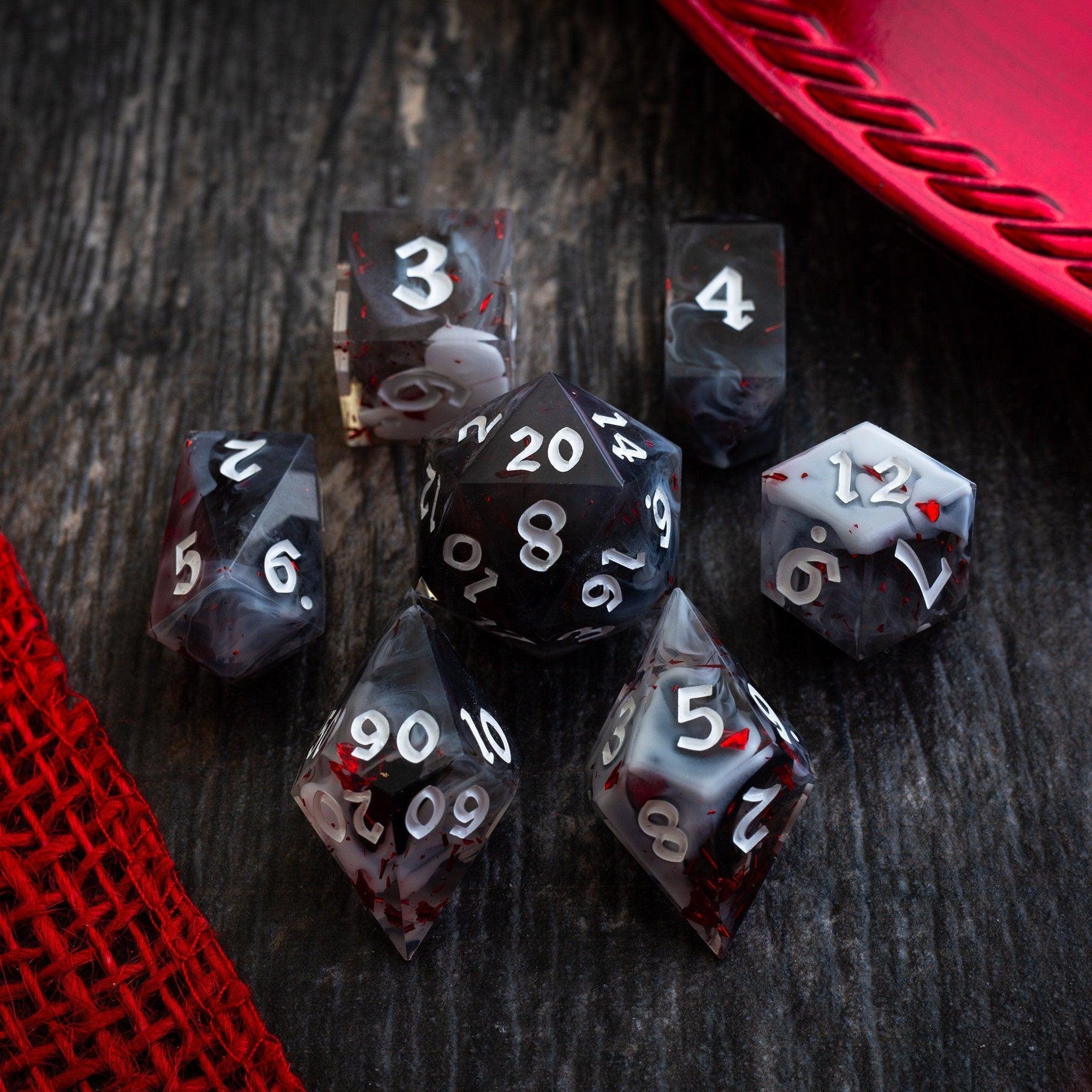
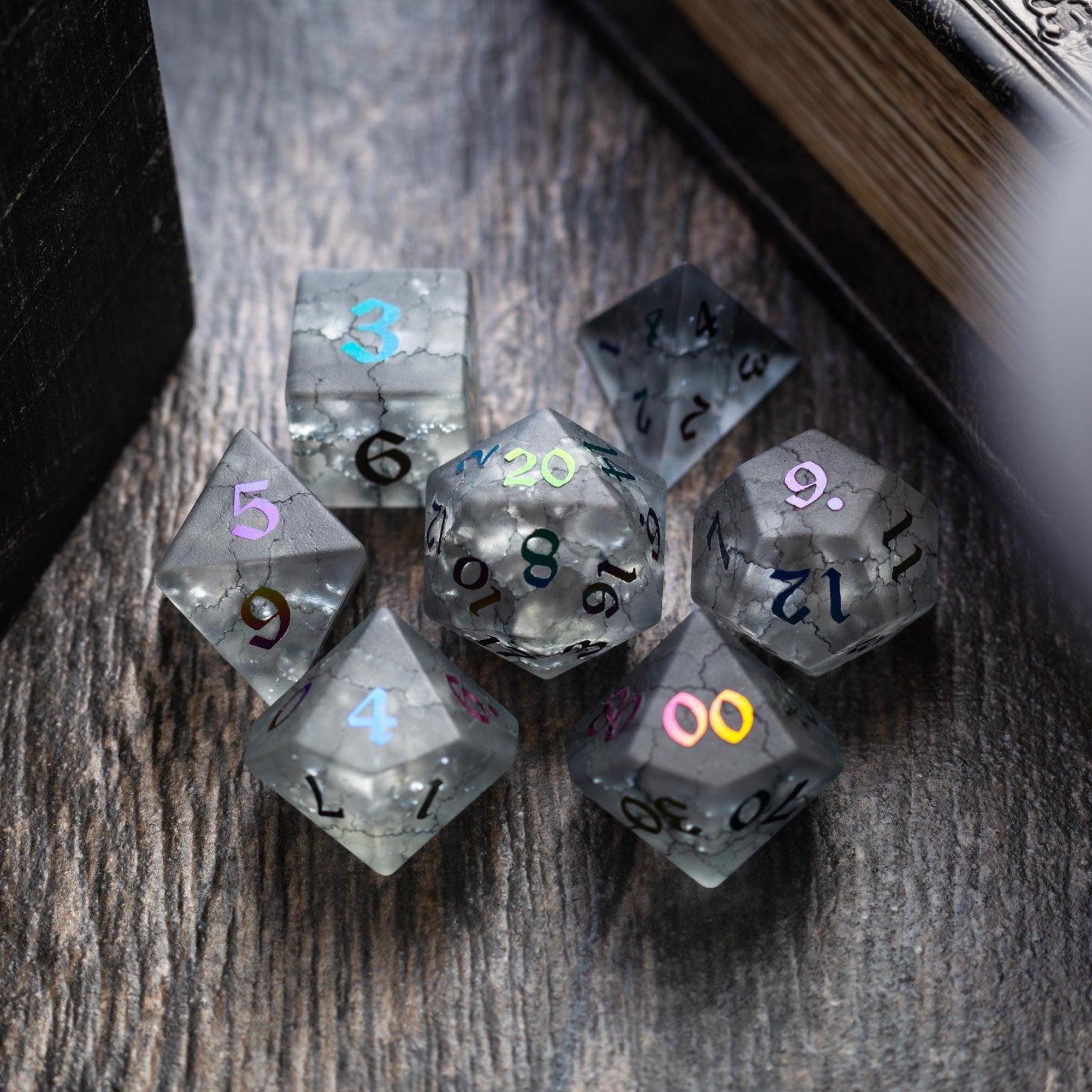
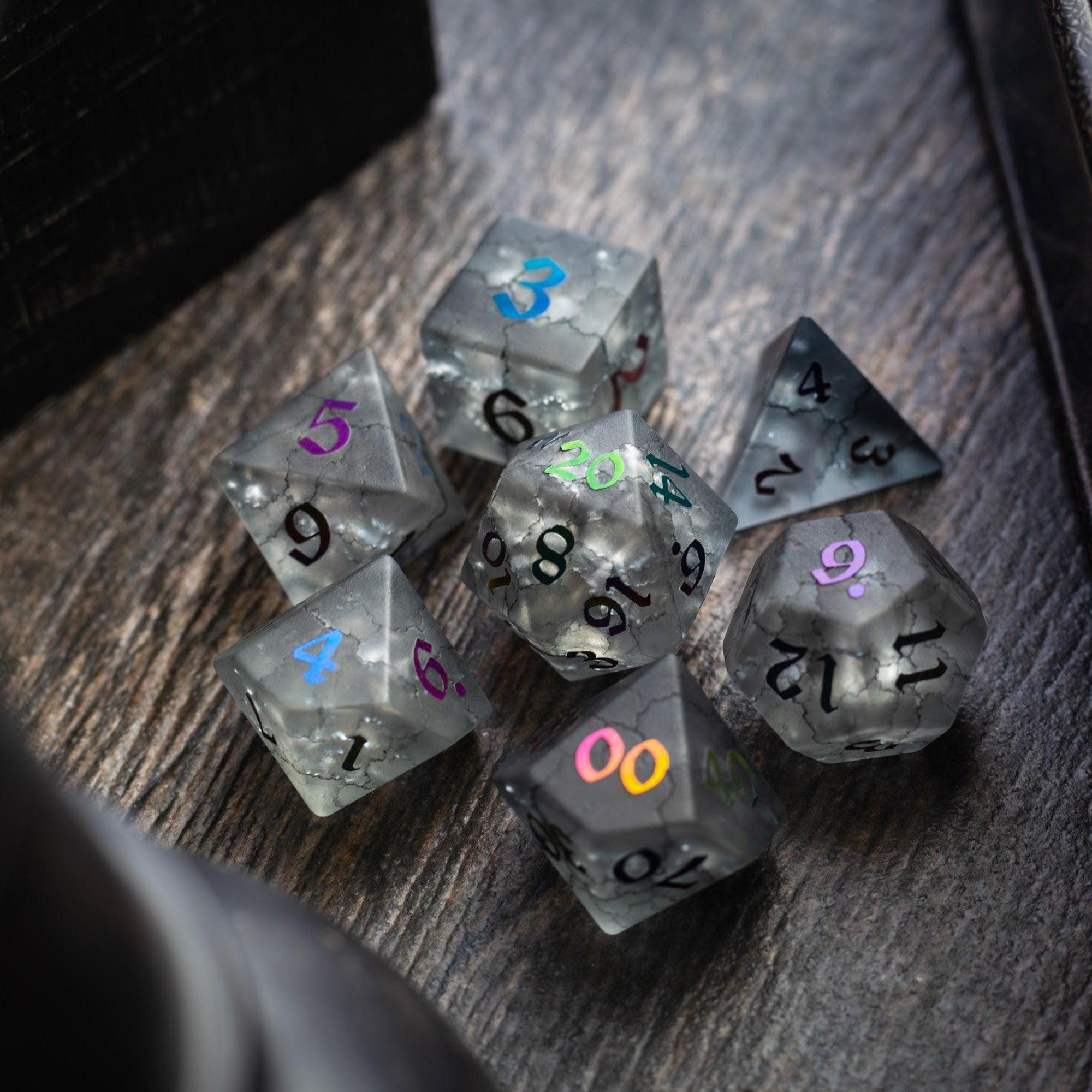
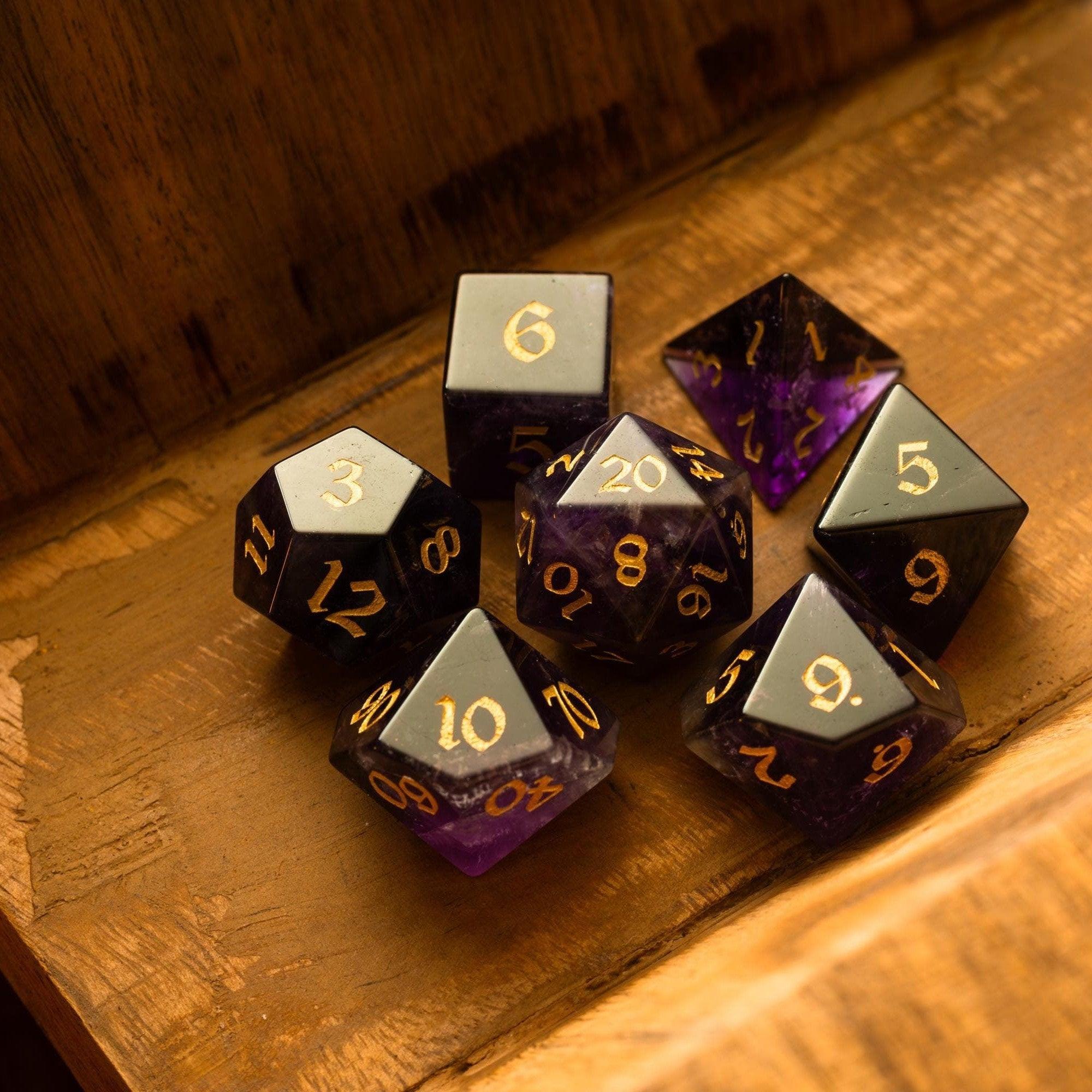
Essential Dice for Pathfinder 2e
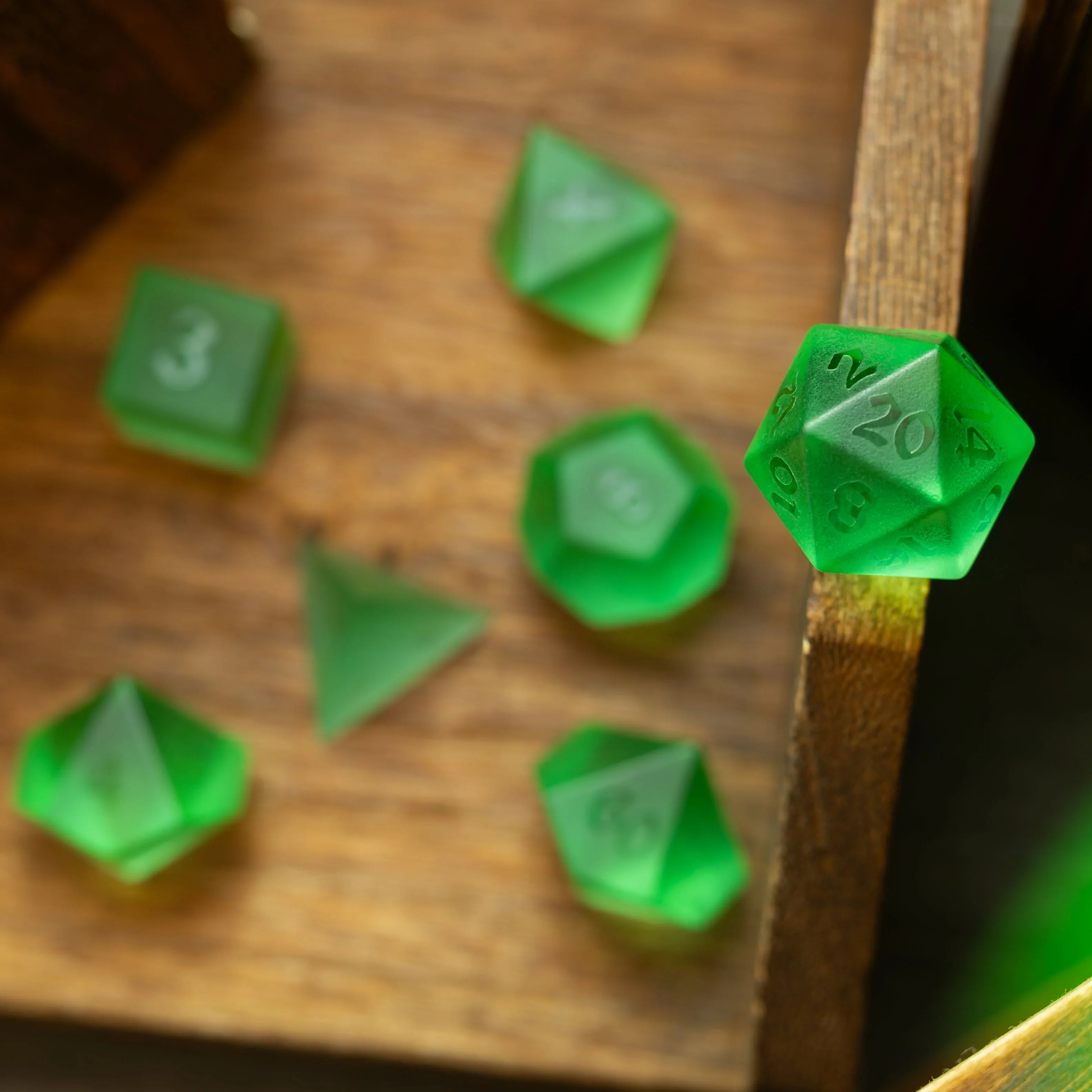
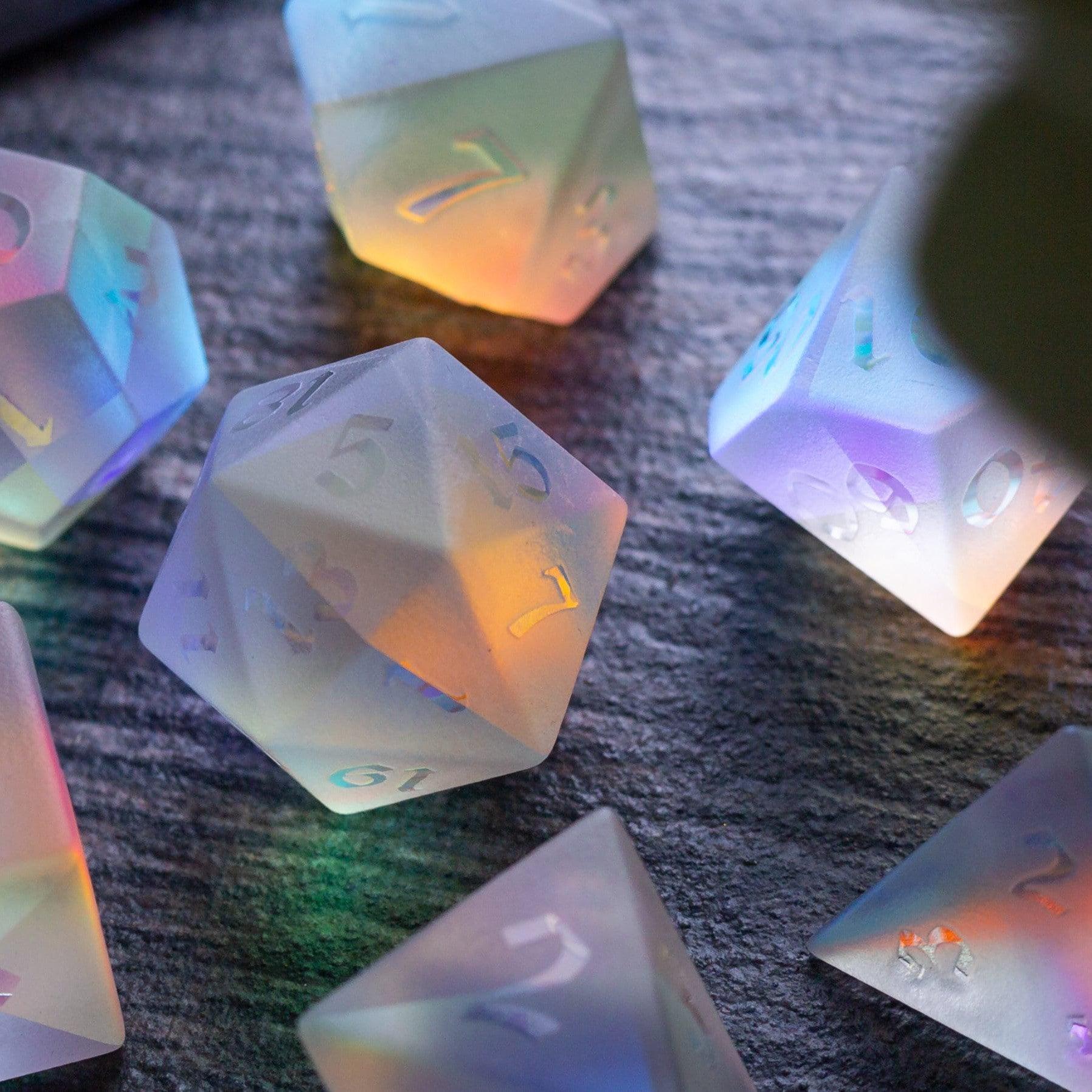
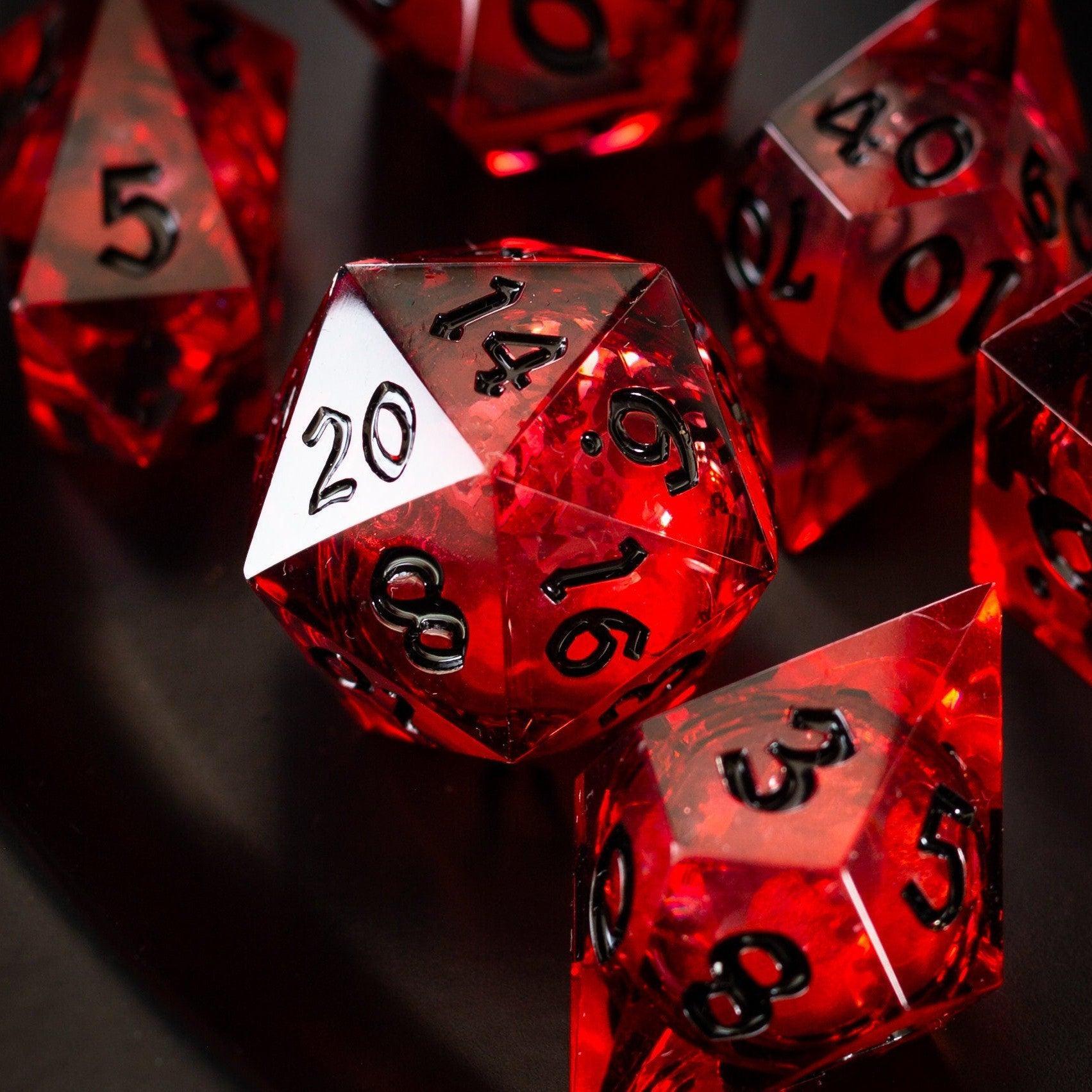
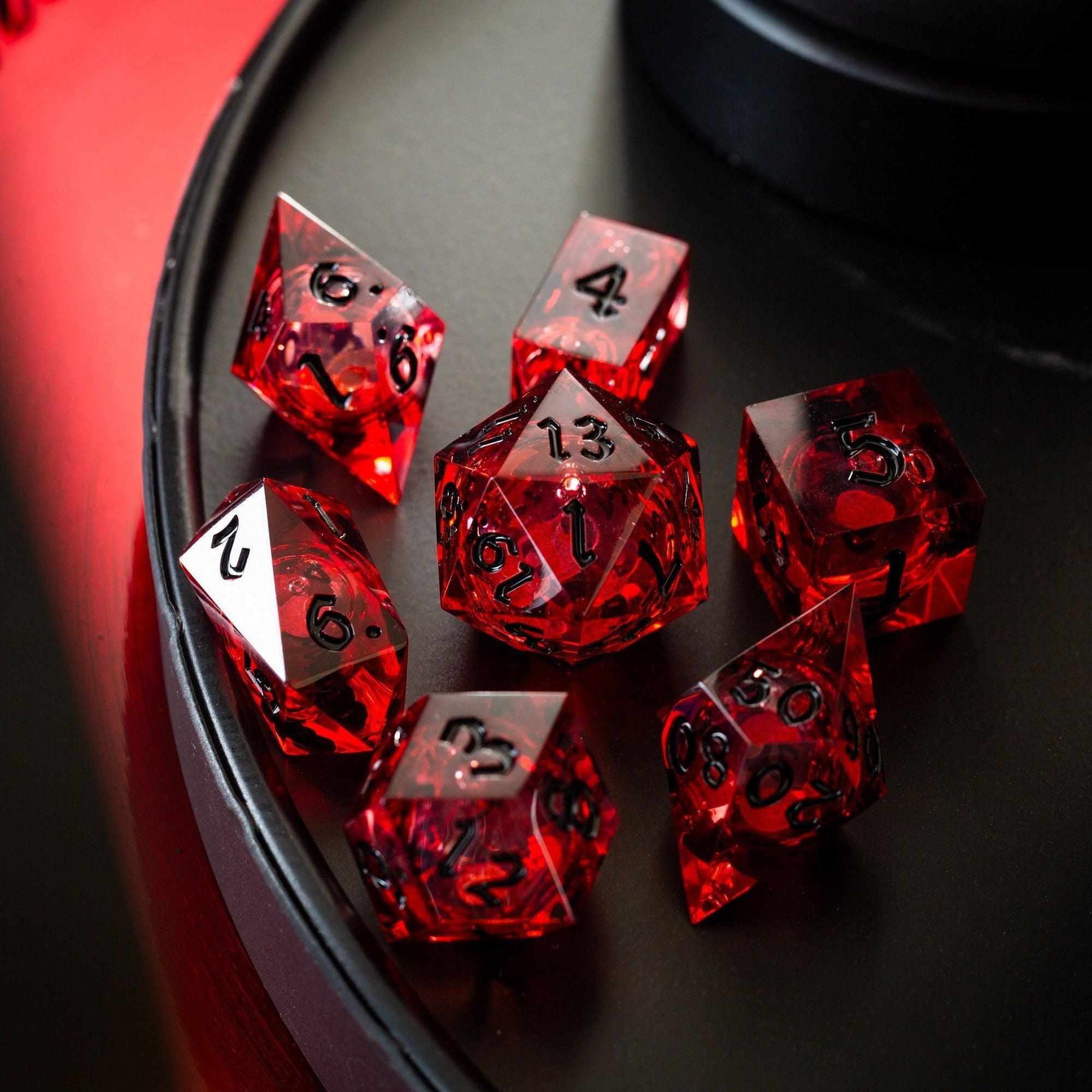
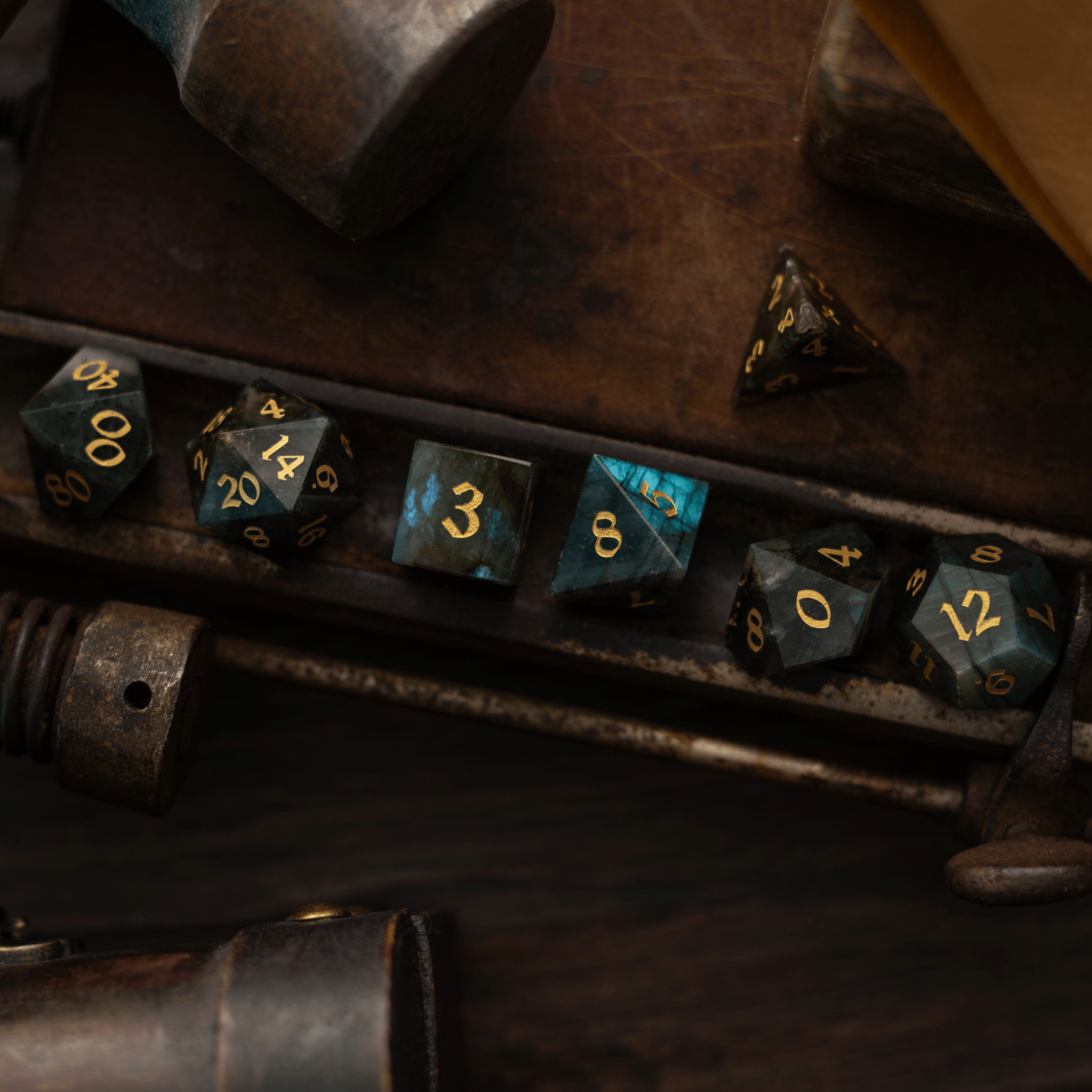
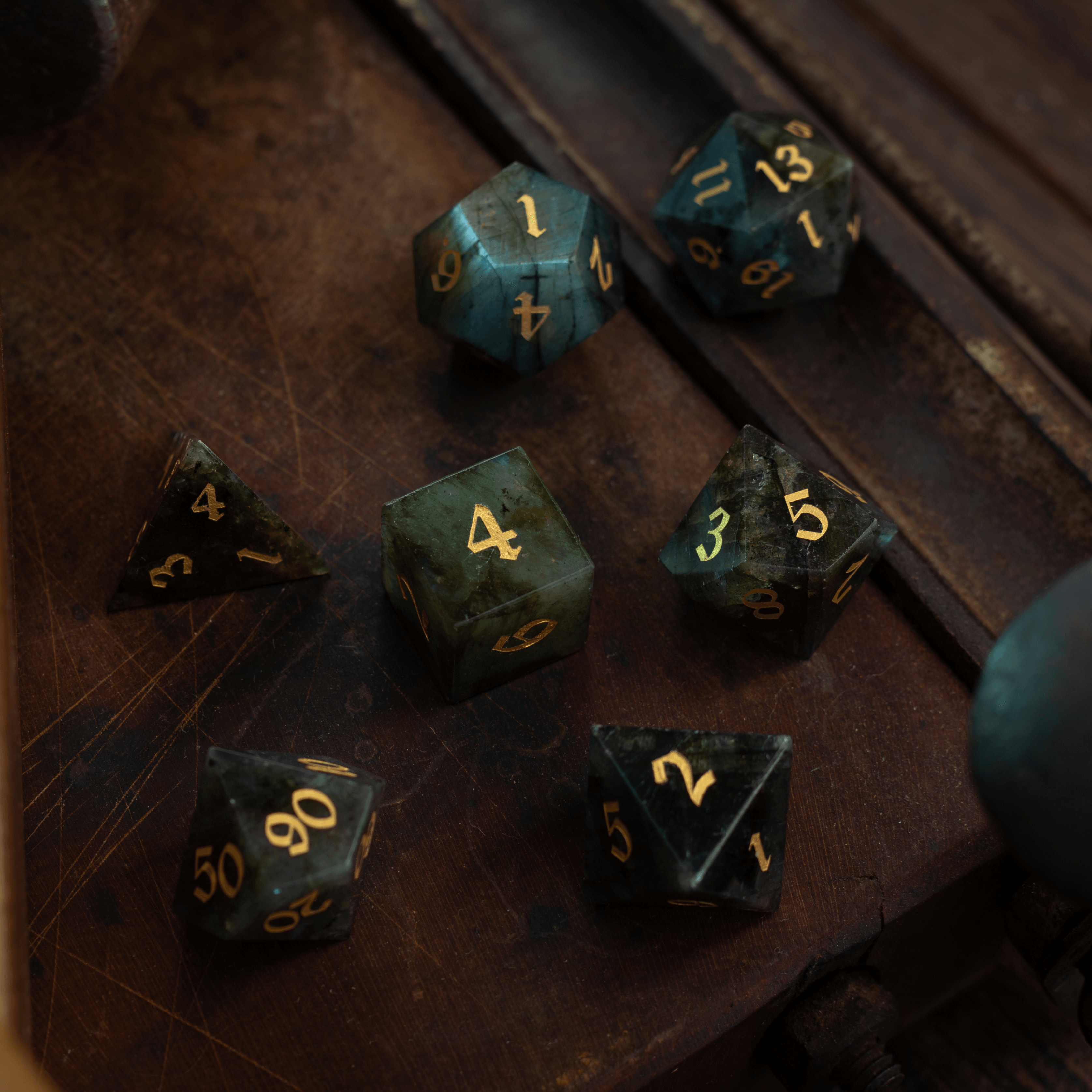
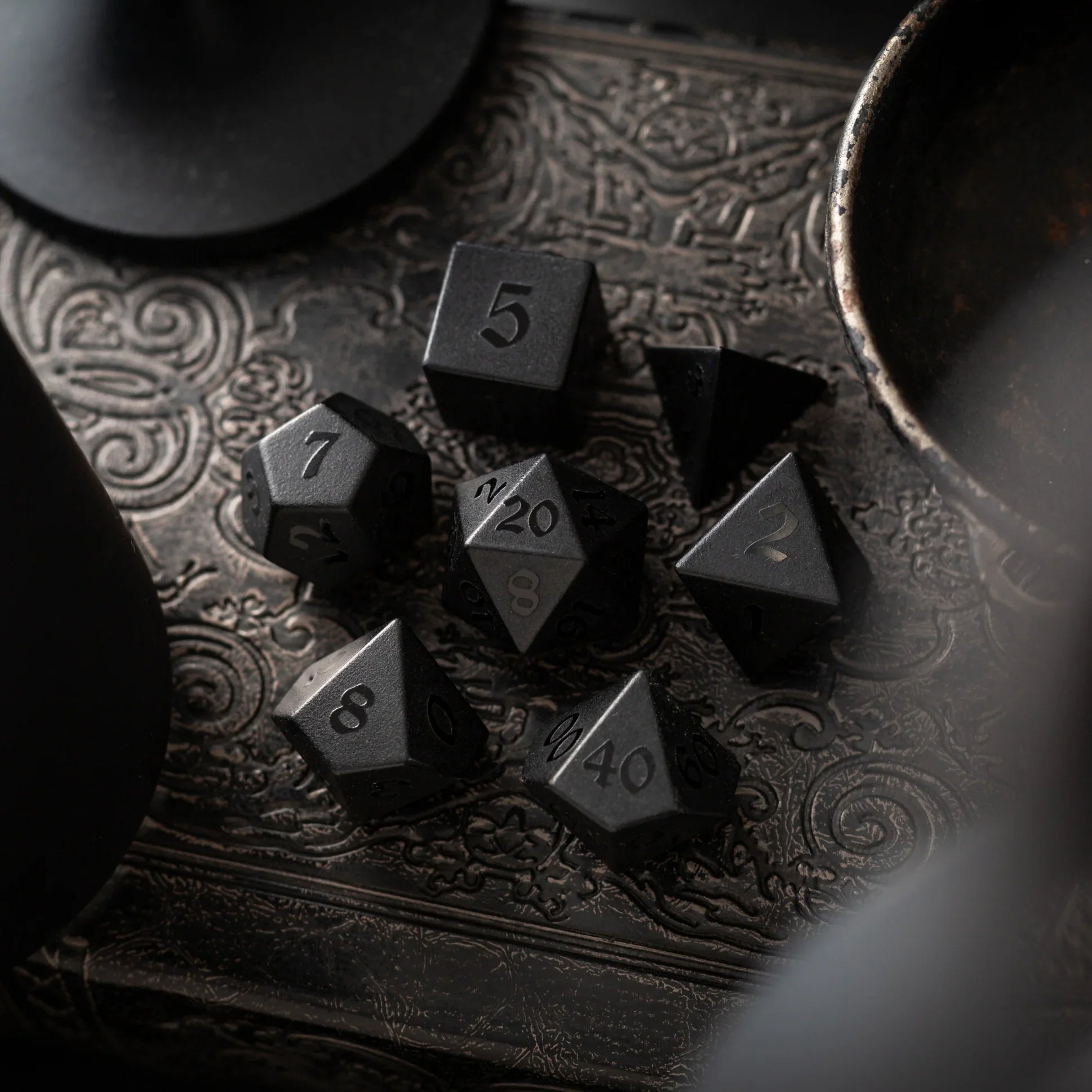
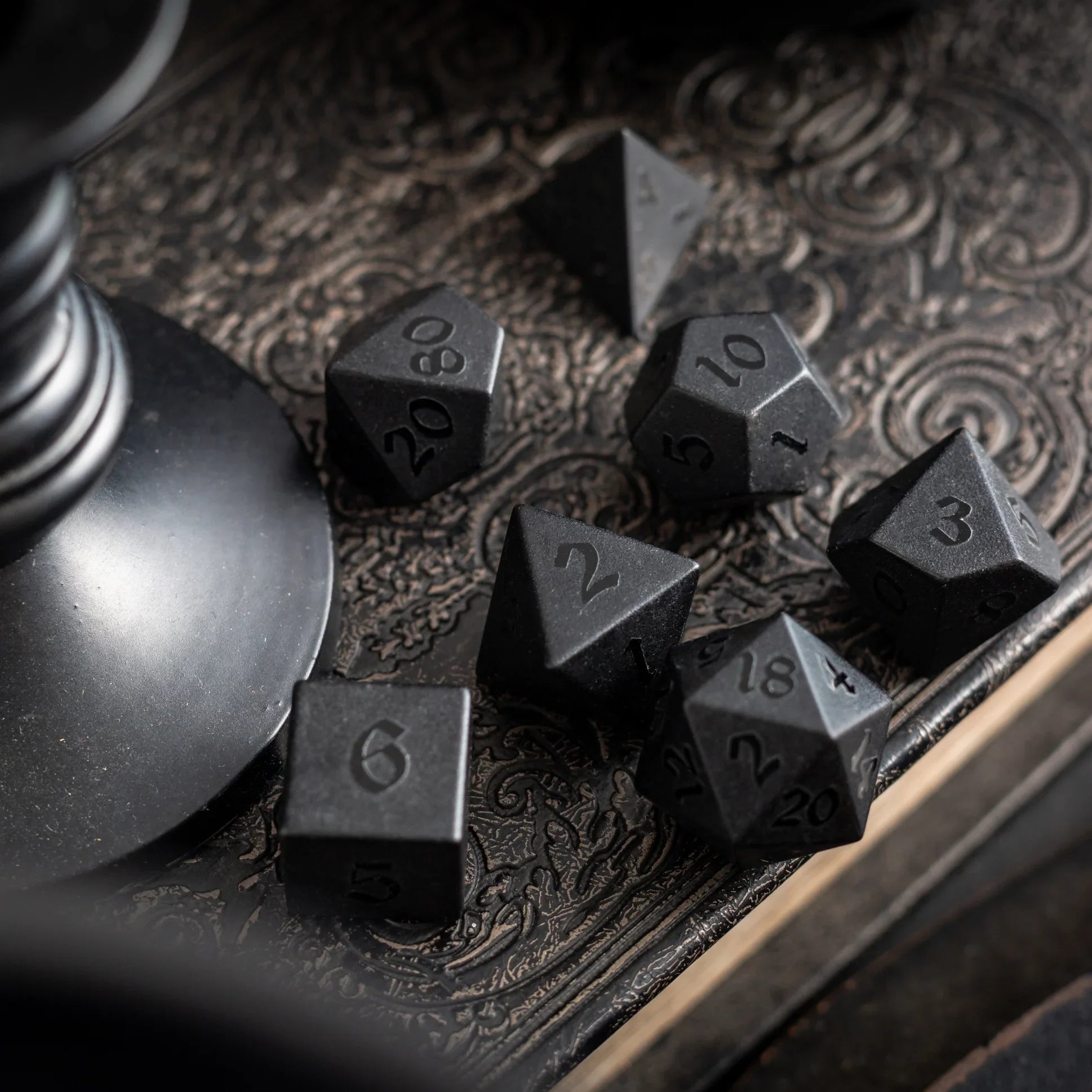
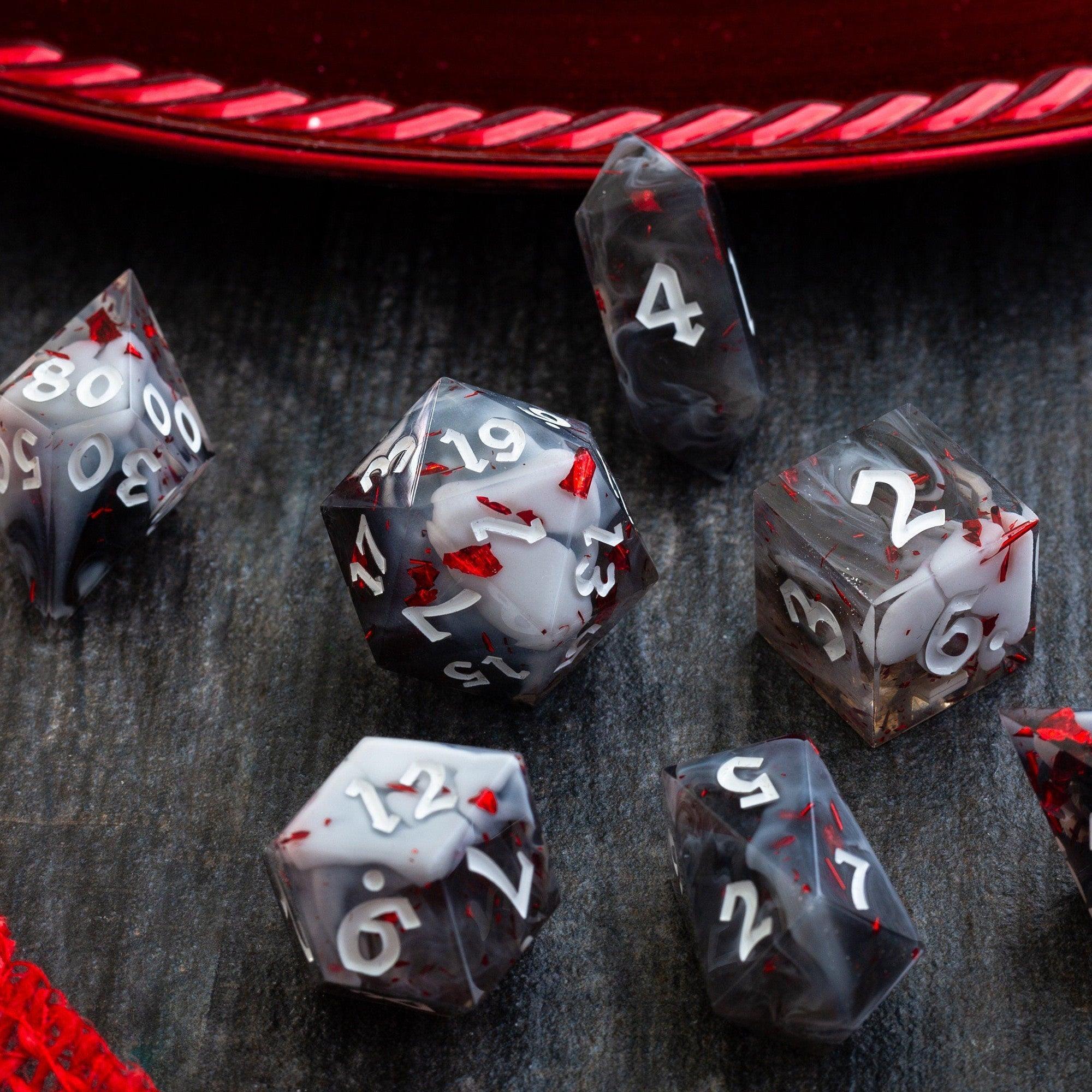
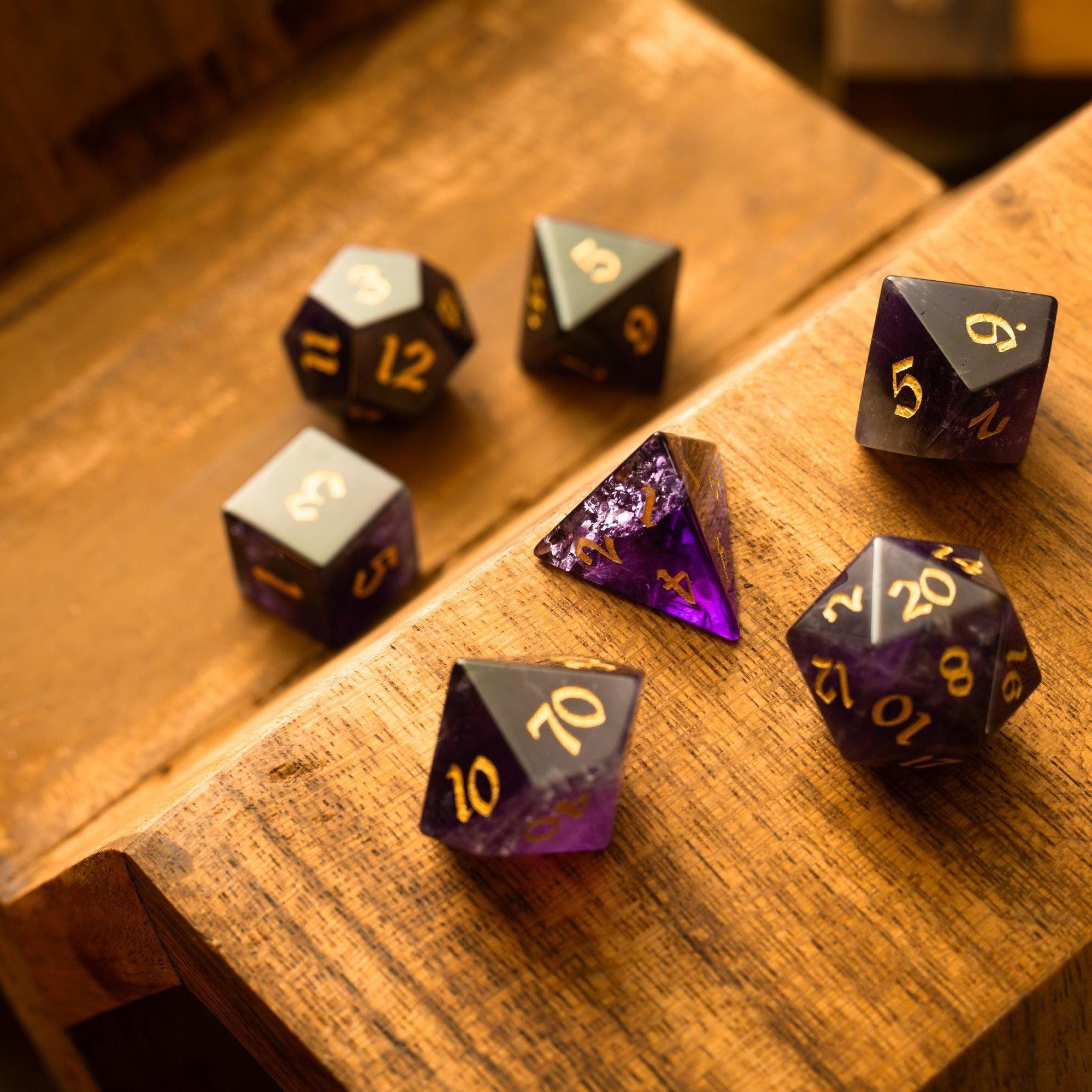
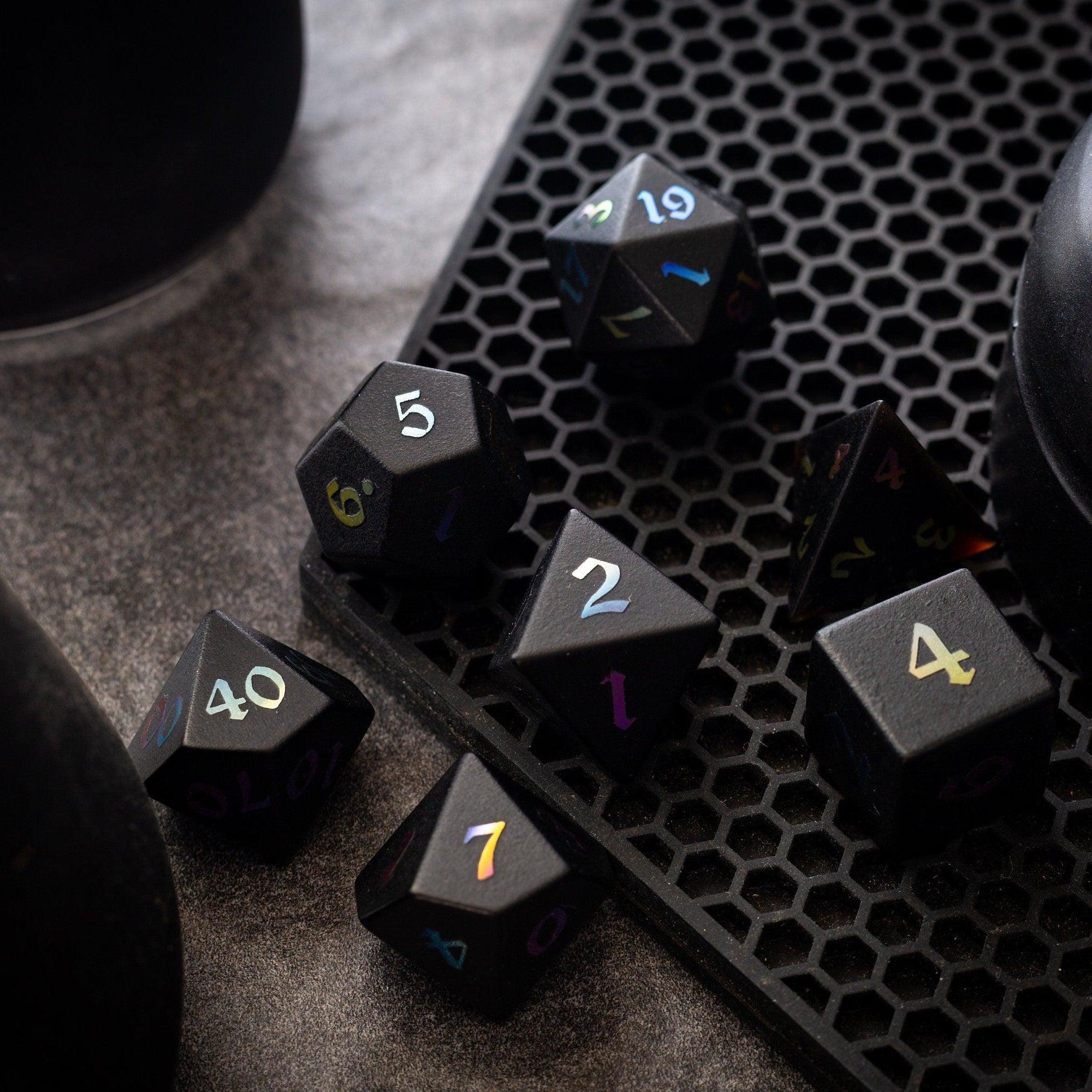
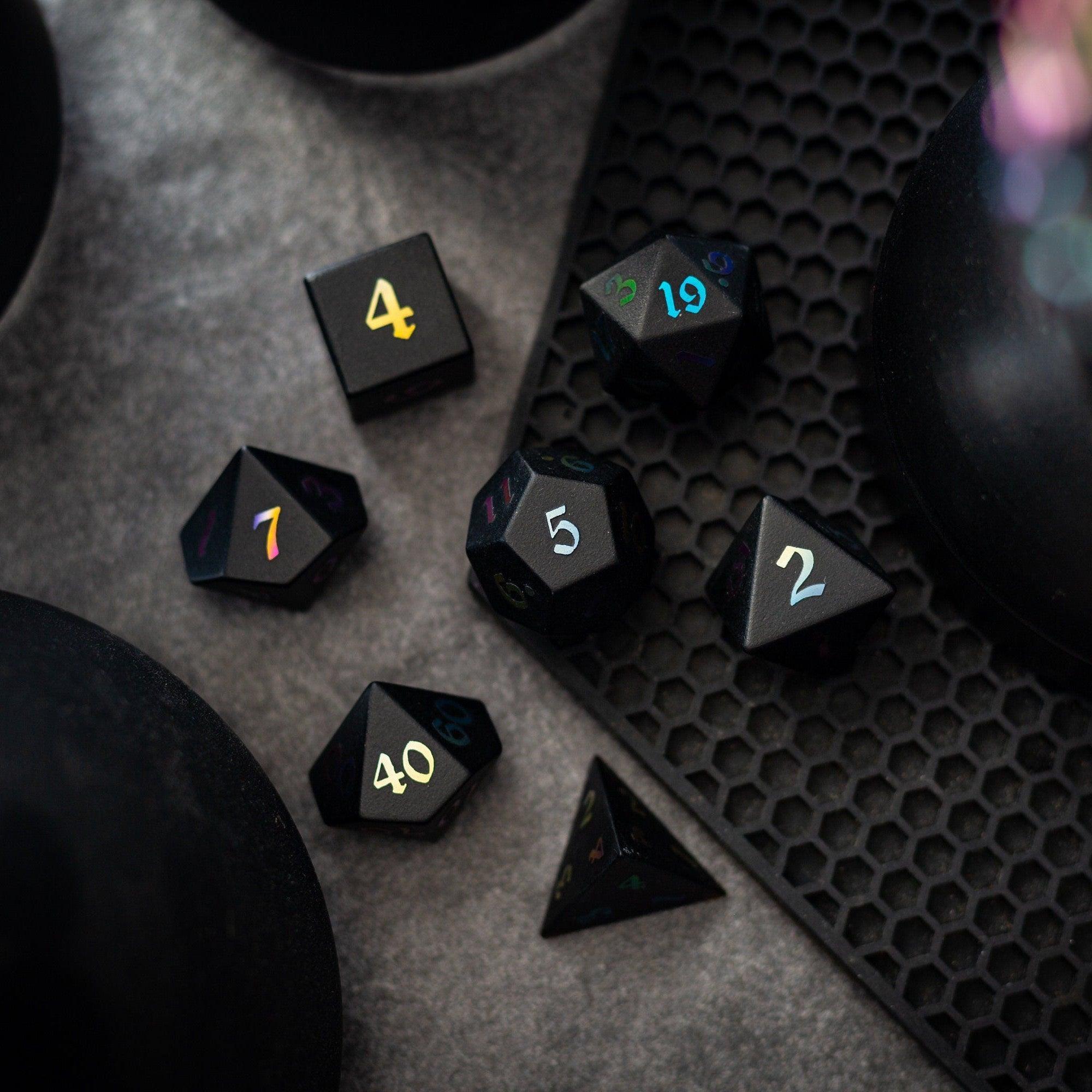
Like many tabletop RPGs, Pathfinder 2e uses polyhedral dice. The most important die is the d20, which you roll for attacks, skill checks, saving throws, and many key moments.
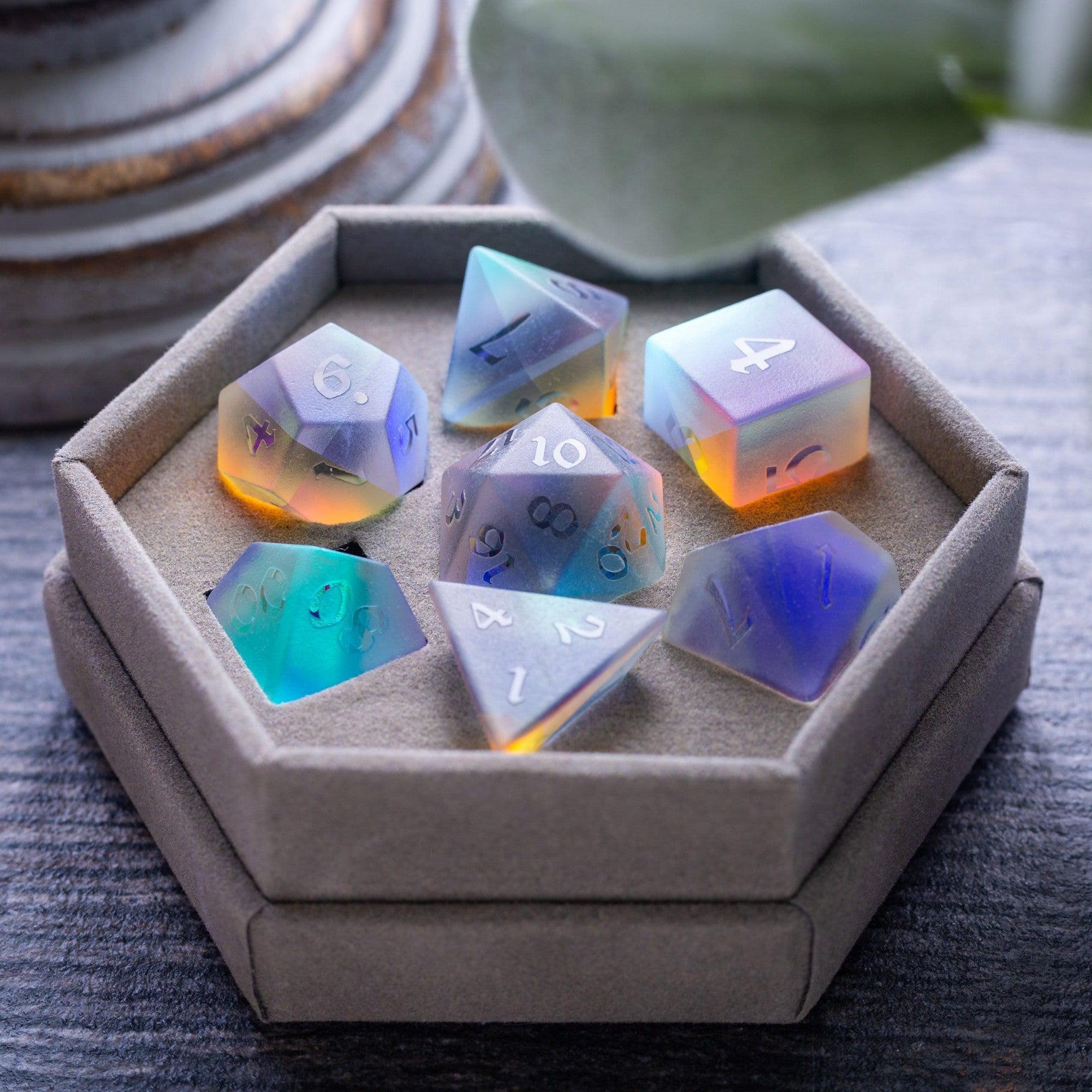
You will also use other dice for weapon damage, spells, healing, and special abilities. A complete RPG dice set usually includes:
-
d20
-
d12
-
d10
-
d8
-
d6
-
d4
-
percentile die
Having a full set keeps gameplay smooth. You will not need to borrow dice every time your weapon, spell, or healing effect uses a different die. Dice trays, extra RPG dice sets, and other tabletop gaming accessories can also help keep the table organized, especially during longer sessions.
Final Thoughts
Pathfinder 2e character creation may look big at first, but it becomes much easier when you follow the steps in order. Start with a concept, choose an ancestry, pick a background, select a class, apply ability boosts, then choose skills and feats that match your hero.
Your first character does not need to be perfect. Pathfinder 2e rewards creativity, teamwork, and learning as you play. Build someone you are excited to roleplay, bring a full polyhedral dice set, and enjoy discovering what your new hero can do.

Leave a comment
This site is protected by hCaptcha and the hCaptcha Privacy Policy and Terms of Service apply.