
Fifth Edition Character Builds: Smart Combos for Every Class
If you’re exploring fifth edition character builds, the most exciting part is finding a character concept that feels fun in both story and combat. A great build is not just about dealing the most damage or stacking every possible bonus. It is about creating a hero whose class, subclass, feats, spells, and personality all work together.
The best D&D 5e character builds feel clear at the table. You know what your character is good at, what kind of scenes they shine in, and how they help the rest of the party. A clever Fighter controls the battlefield. A Light Cleric brings radiant pressure and support. A Ranger slips through the dark before enemies even know the fight has started.
This guide breaks down smart D&D builds for martial characters, spellcasters, hybrid heroes, and roleplay-first adventurers. It also covers common mistakes, beginner-friendly planning tips, and how to choose a build that matches the kind of player you are.
What Makes a Strong Character Build?
A strong character build balances usefulness with personality. The goal is not perfection. The goal is synergy.
Class Synergy
Your class, subclass, feats, and spells should support the same general plan. For example:
-
A Battle Master Fighter benefits from maneuvers that control enemy movement and improve accuracy.
-
A Divination Wizard becomes more satisfying when their spells reward planning and timing.
-
A Lore Bard shines when their skills, support spells, and Cutting Words all reinforce their role as a clever problem solver.
This is the foundation of strong D&D character builds. Your choices should feel like parts of one character, not a pile of unrelated features.
Roleplay Identity
Mechanics become more memorable when they express personality. A paladin’s protective fighting style might come from a sacred oath. A warlock’s blade magic might represent a pact they regret. A rogue’s mobility may reflect years spent surviving on the streets.
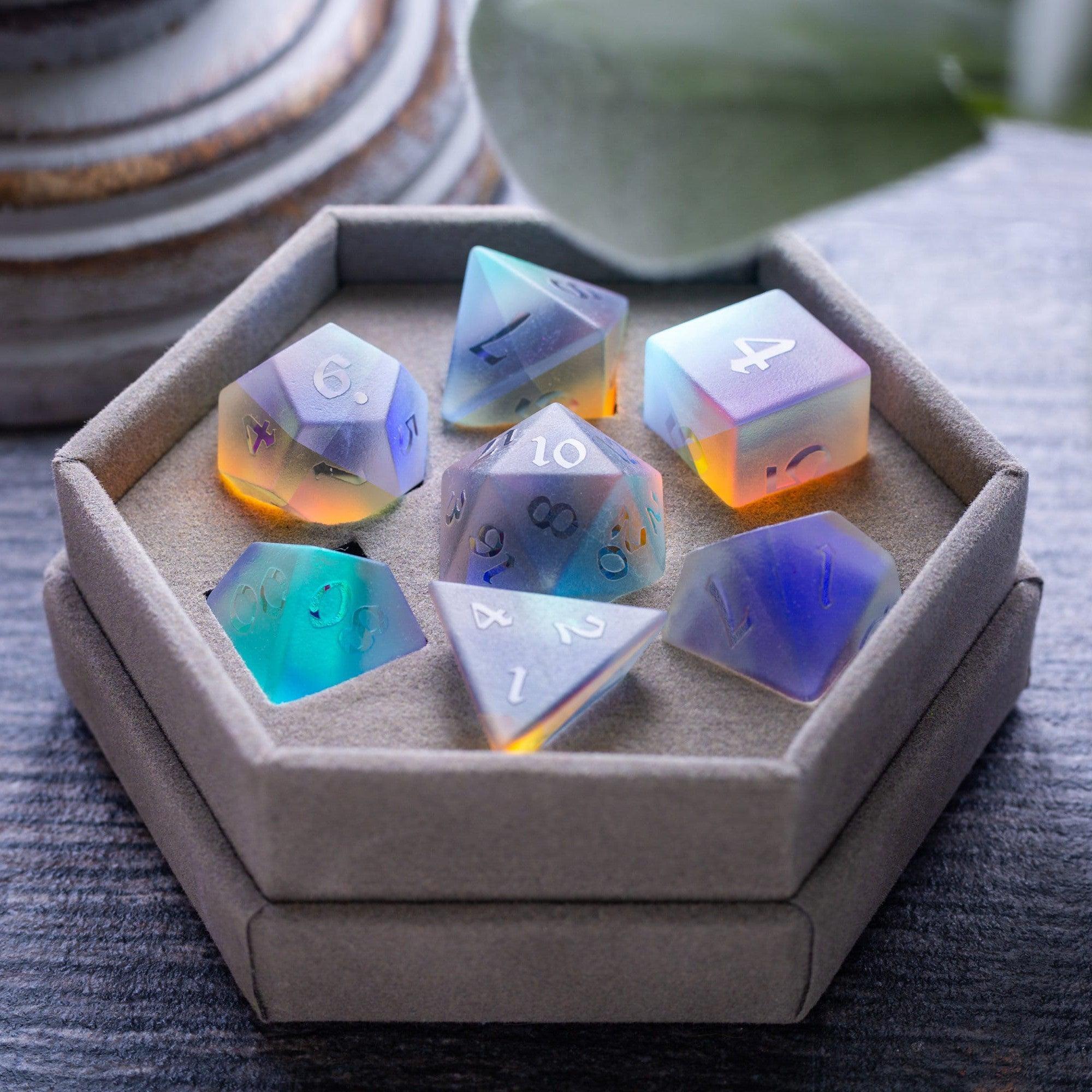
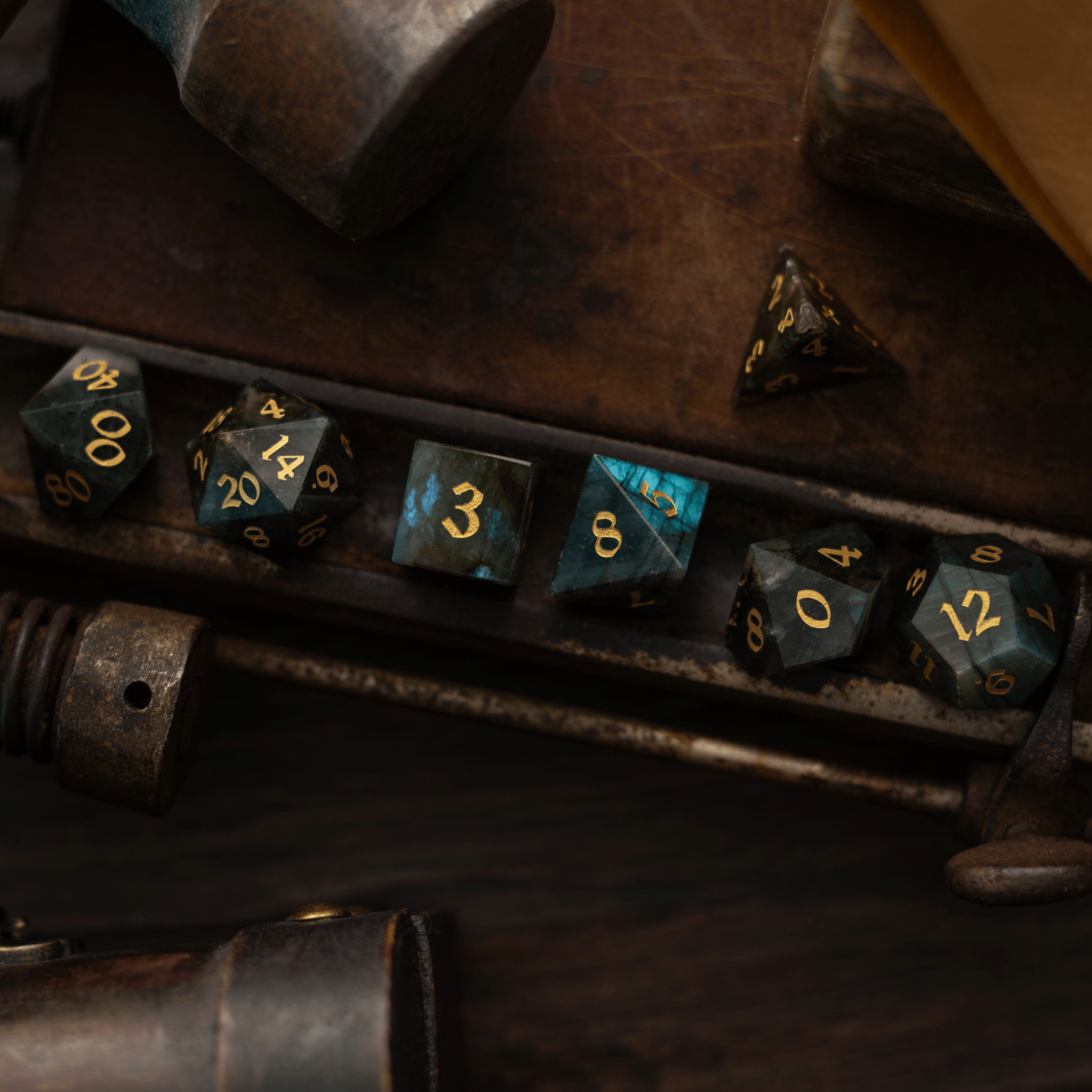
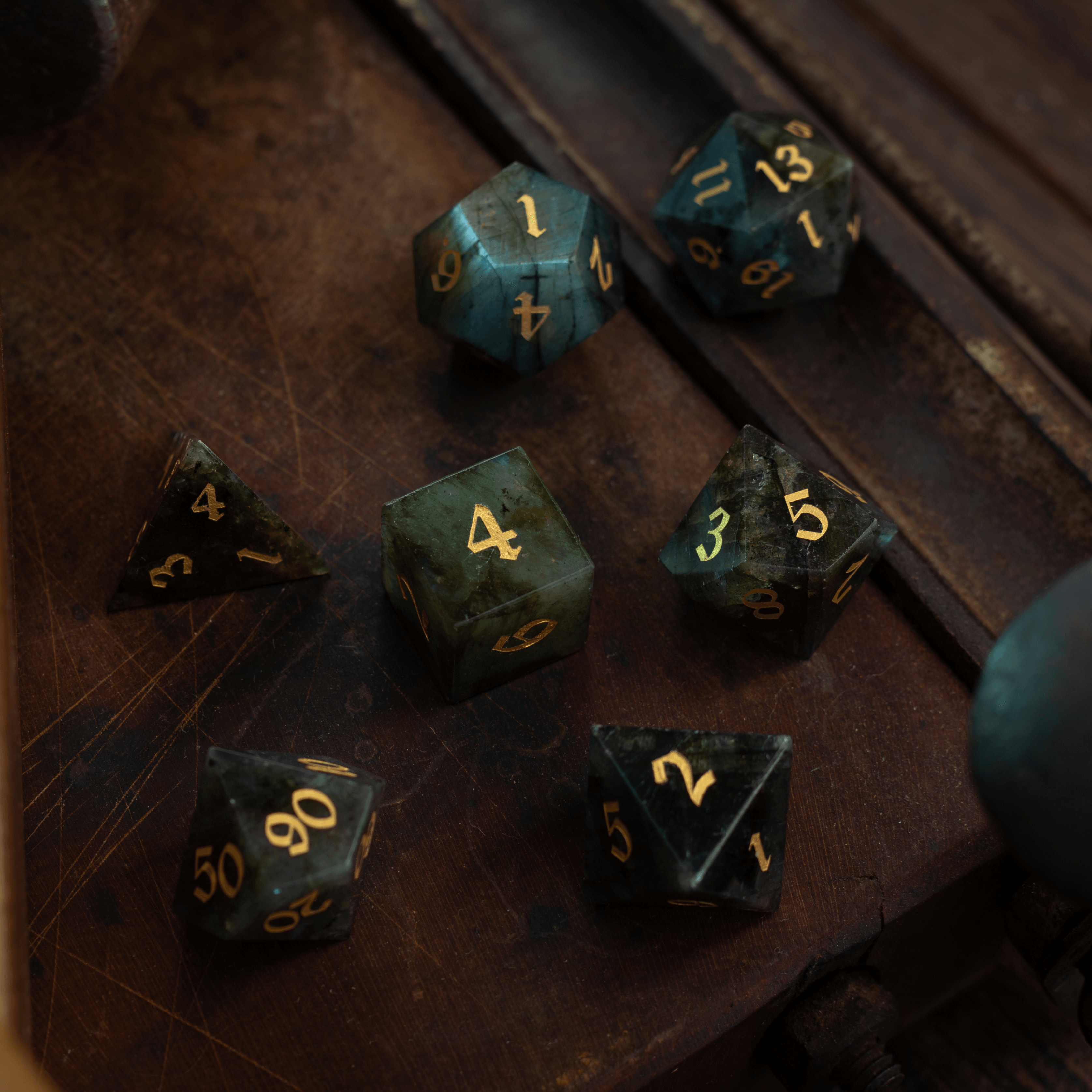
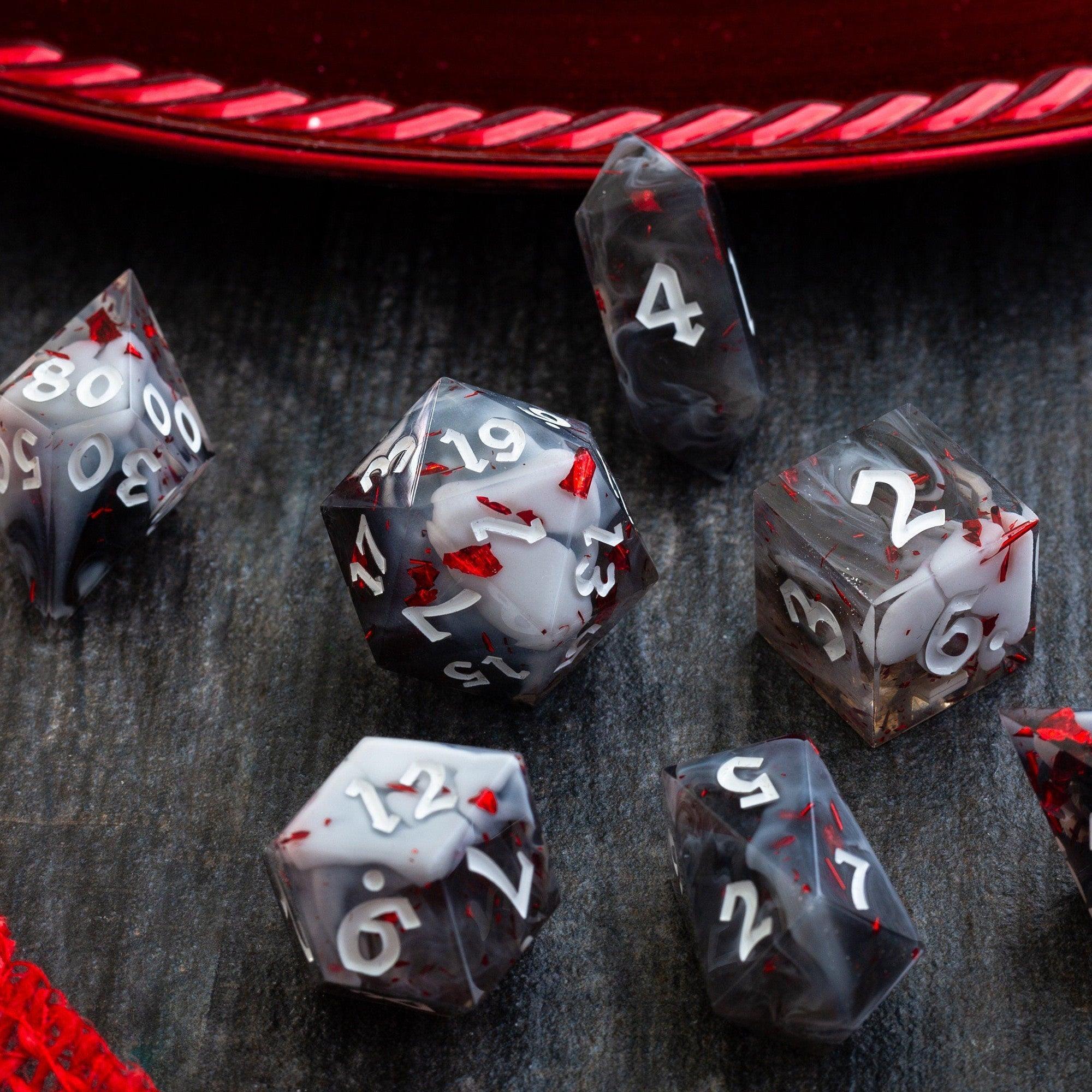
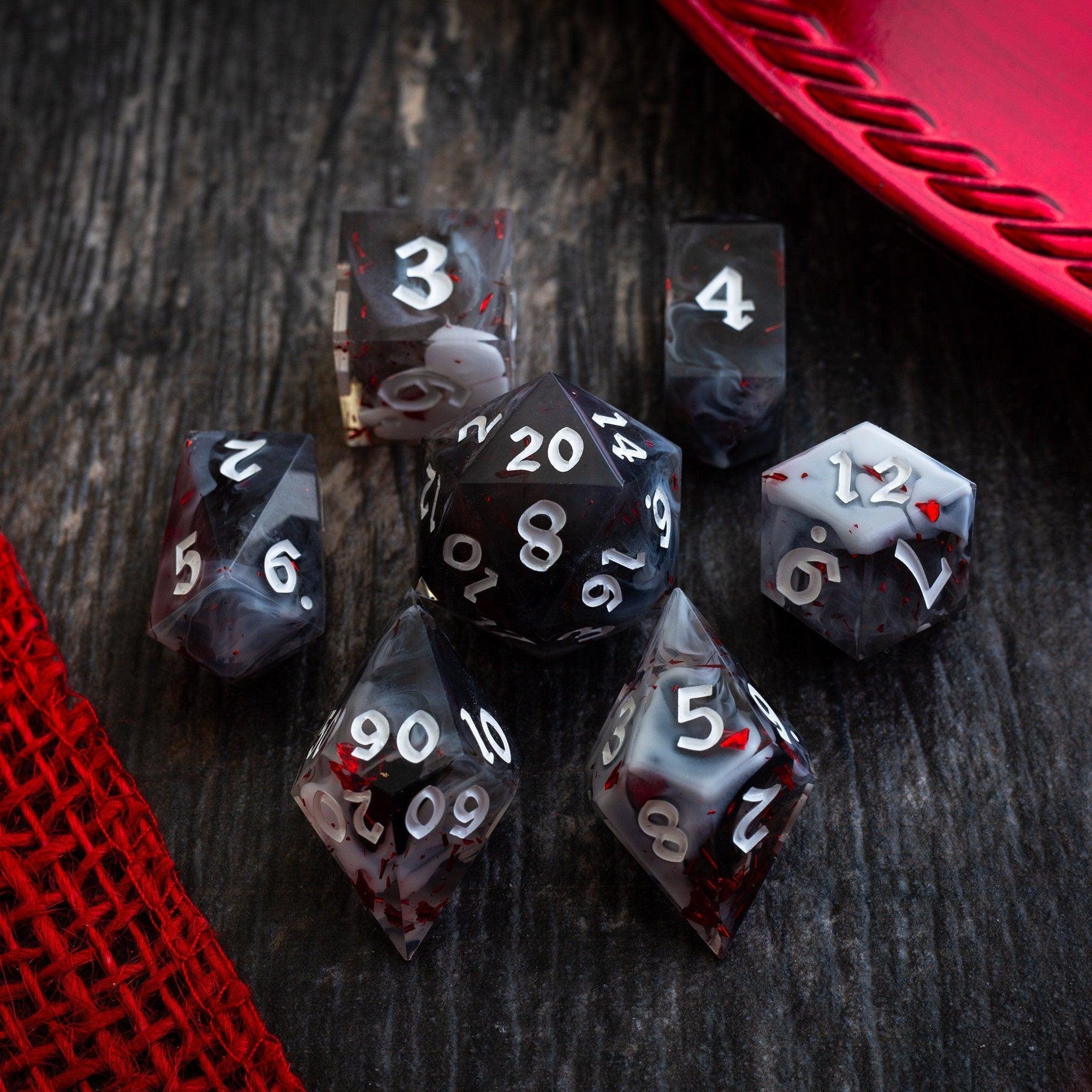
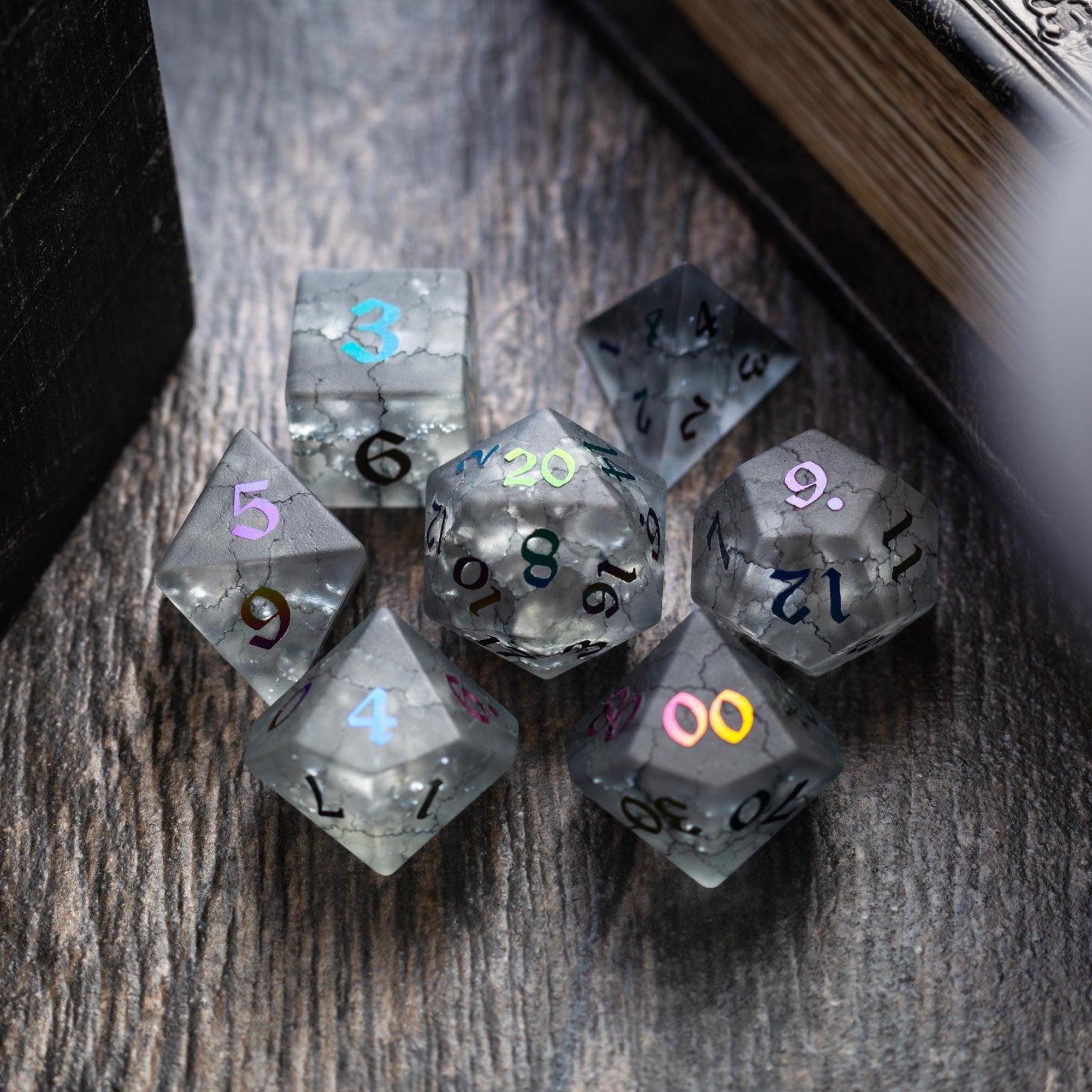
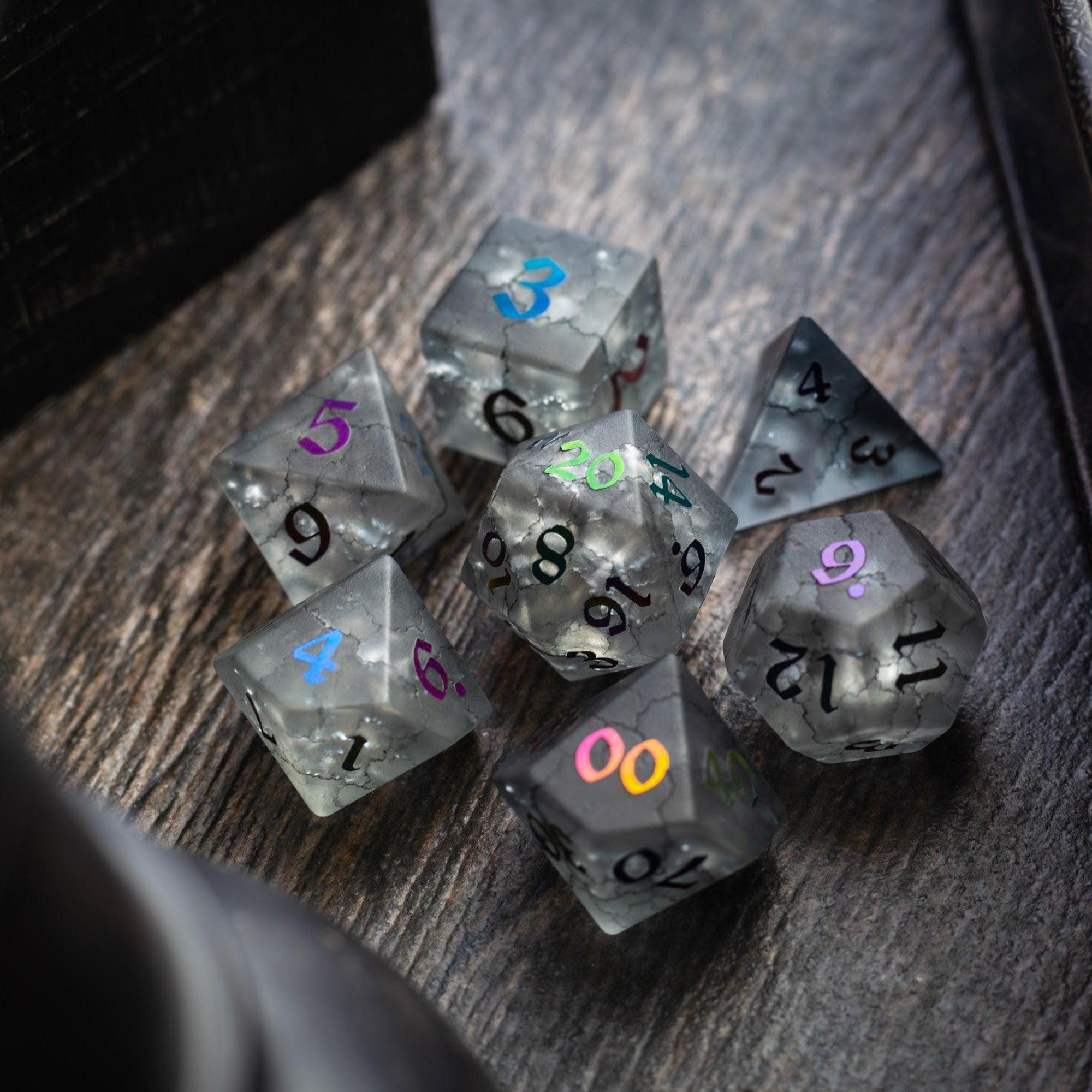
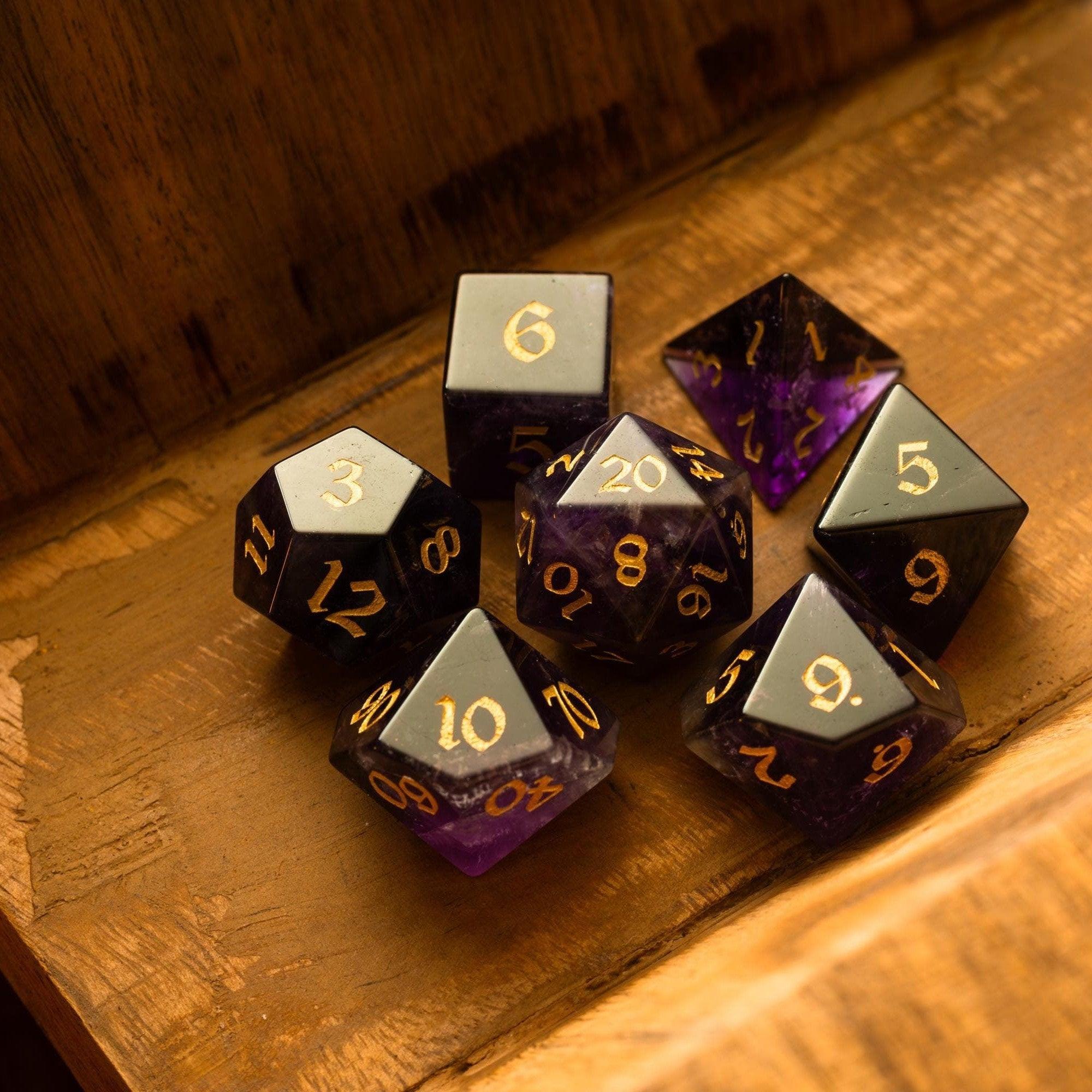
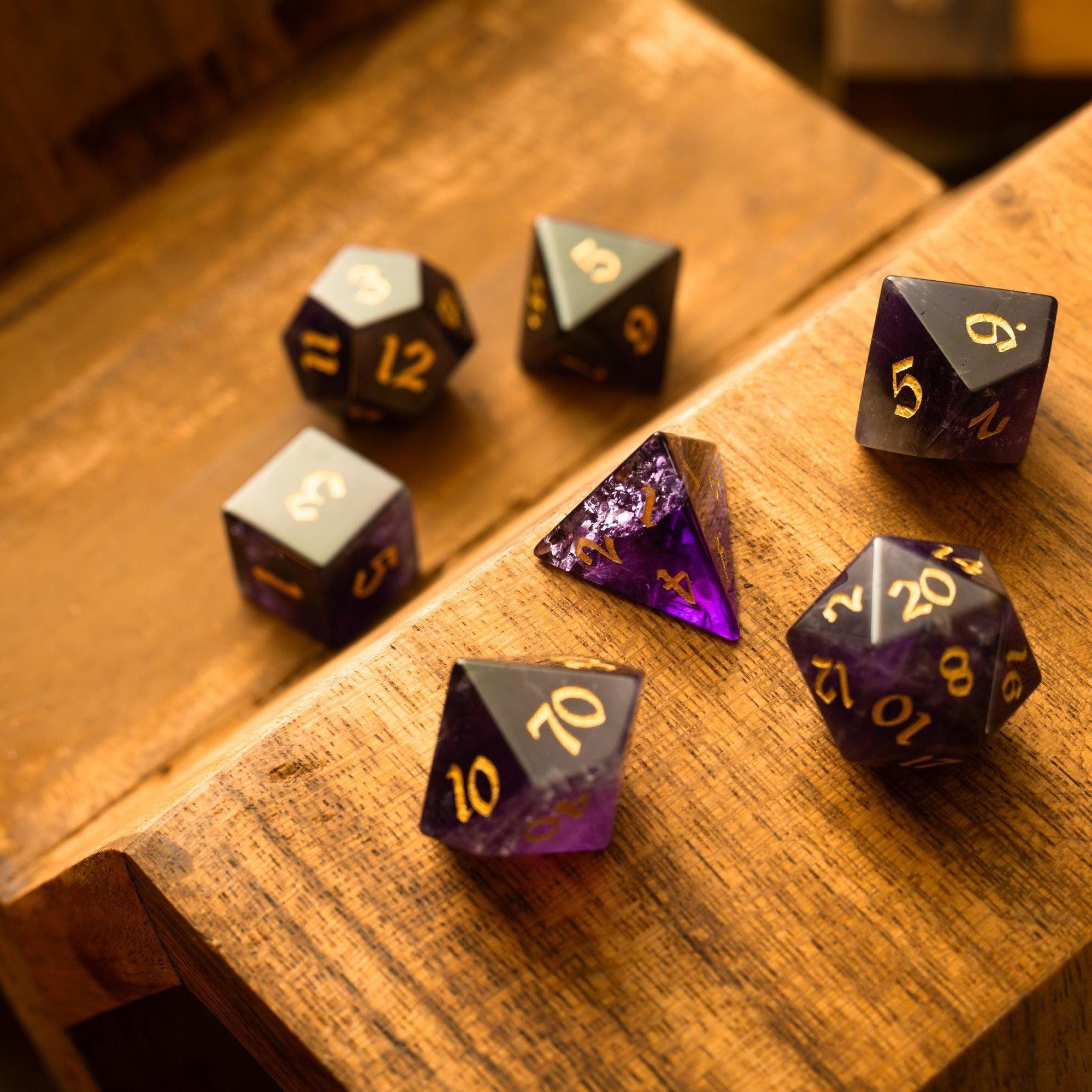
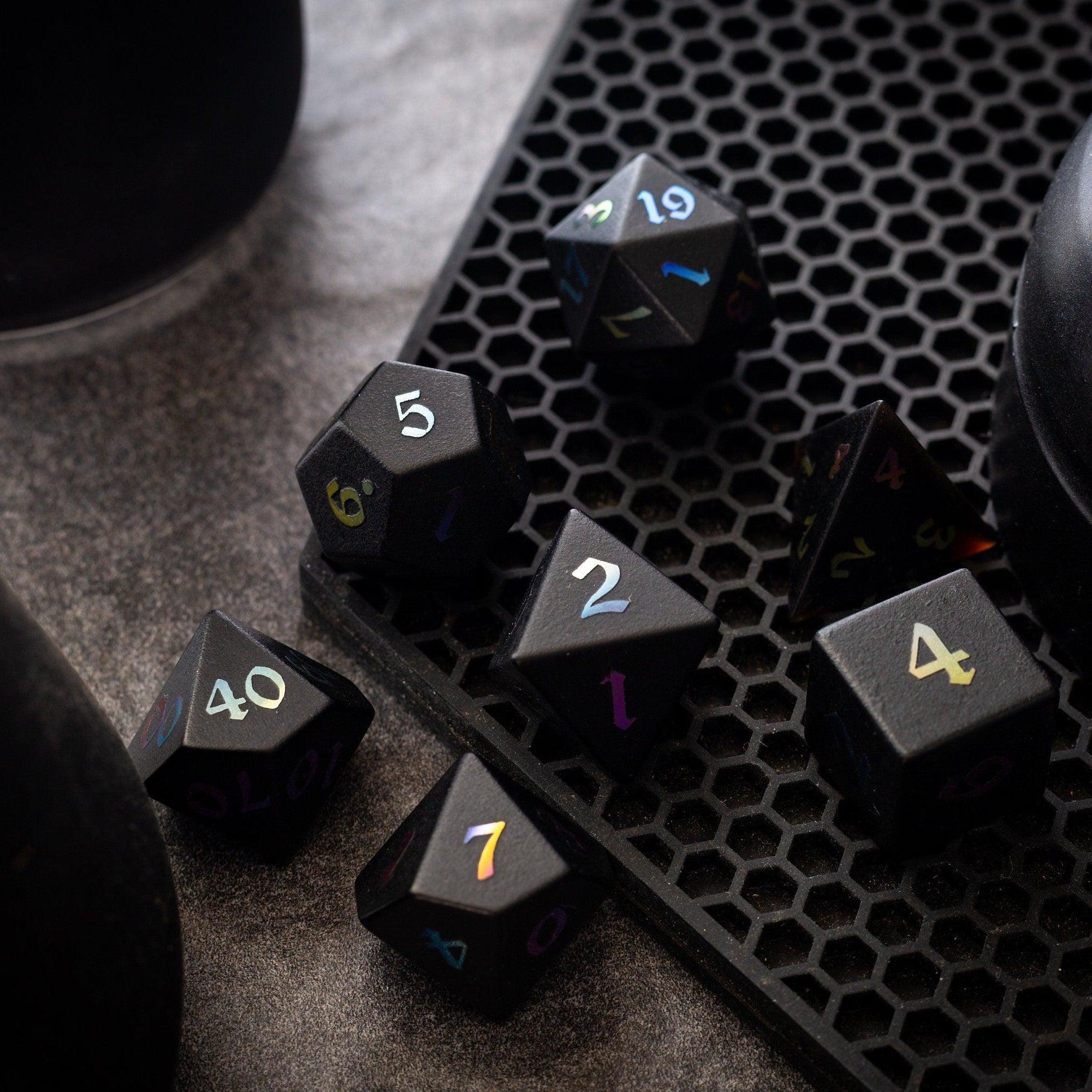
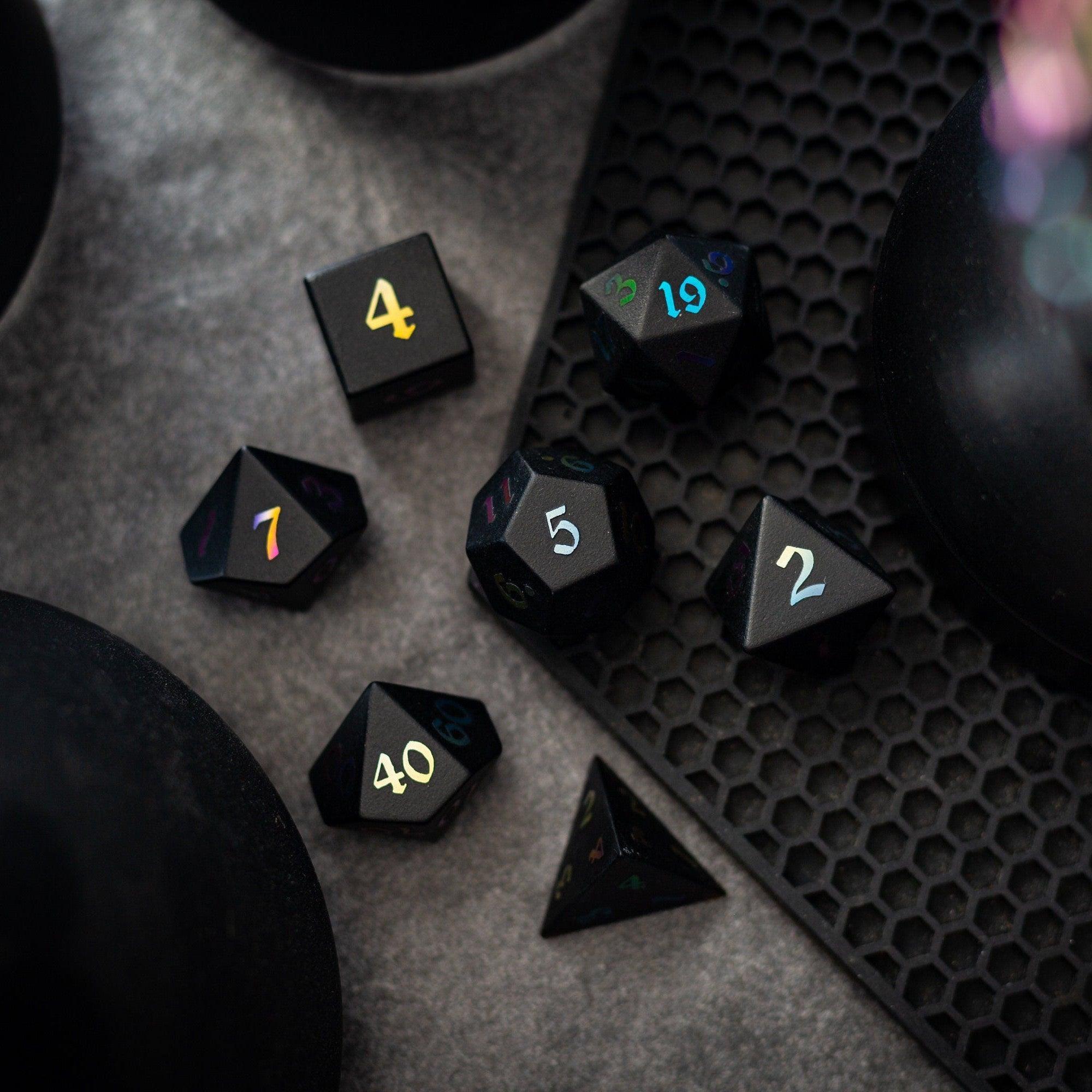
Even table accessories can support that identity. Gemstone dice can match a noble paladin, ancient druid, or wise cleric. Resin dice with vivid swirls suit colorful bards, elemental casters, and daring rogues. These little touches make your character feel more present every time initiative is rolled.
Combat Usefulness
A smart build has a clear contribution during danger. That might mean:
-
Taking hits for the group
-
Dealing focused damage
-
Healing or protecting allies
-
Controlling enemy movement
-
Solving problems before combat starts
The best 5e character builds are often the ones that stay useful across many kinds of encounters, not only in one ideal situation.
Party Balance and Teamwork
Before finalizing your build, think about what the party already has. A group of fragile spellcasters may appreciate a sturdy frontline hero. A party full of melee fighters may benefit from someone with ranged options, healing, or battlefield control.
A great build helps the whole table have more fun.
Smart Martial Builds
Martial characters are easy to enjoy because their strengths show up clearly in play. They strike, defend, chase, interrupt, and hold the line. These builds are effective without becoming too technical.
Battle Master Fighter: The Tactical Weapon Expert
The Battle Master is one of the strongest examples of a smart martial build. Instead of simply attacking every round, you use maneuvers to shape the fight.
Great beginner-friendly choices include:
-
Precision Attack to turn near misses into hits
-
Trip Attack to knock enemies prone
-
Menacing Attack to add fear and pressure
-
Riposte to punish enemies that miss you
This build rewards players who enjoy thinking one move ahead. A Battle Master could be a disciplined knight, an arena champion, or a retired soldier who wins through experience rather than brute force.
For dramatic weapon-focused characters, resin chonk dice can add a satisfying sense of weight to attack rolls and critical hits. They feel especially fitting for fighters whose turns often hinge on one bold strike.
Totem Barbarian: The Unbreakable Frontliner
The Totem Barbarian is a classic pick for players who want strength, resilience, and uncomplicated turns. It remains one of the best fifth edition character builds for beginners because its core plan is easy to understand:
-
Rage
-
Move toward danger
-
Hit hard
-
Stay standing
A Bear Totem-style Barbarian is especially famous for durability, but the larger appeal is the fantasy. This is a warrior connected to primal spirits, ancestral power, or a wild force that surges through them in battle.
Resin chonk dice also fit Barbarians beautifully. When a massive weapon attack lands, the physical drama of the roll supports the mood of the build.
Gloom Stalker Ranger: The Shadowed Hunter
The Gloom Stalker Ranger is an excellent choice for players who like ambushes, exploration, and entering combat with momentum. This subclass feels fast, alert, and dangerous when the party enters caves, ruins, or night-shrouded territory.
It works well because it combines:
-
Strong opening-round presence
-
Exploration flavor
-
Stealth-friendly play
-
A clear fantasy of hunting threats from the dark
A Gloom Stalker might be a monster tracker, a deep-cavern scout, or a wandering protector who never lets the party walk blindly into danger.
Resin dice in smoky, forested, or shadow-toned palettes can match this kind of stealthy, atmospheric build without overwhelming the character concept.
Smart Spellcaster Builds
Spellcasters reward imagination. They do not simply deal damage. They change the pace of a scene, protect allies, reveal secrets, and create moments no sword can replace.
Divination Wizard: The Planner Who Bends Fate
The Divination Wizard is one of the smartest DND 5e builds for players who enjoy strategy. Their Portent feature creates moments that feel uncannily precise, turning key rolls into success or failure at exactly the right time.
This build is great for players who like:
-
Planning ahead
-
Helping allies succeed
-
Interrupting enemy momentum
-
Feeling like a careful arcane mastermind
Spells that provide control, defense, and problem-solving make this subclass especially rewarding.
Liquid core dice are a fitting match for flashy spellcasters like Divination Wizards. The swirling center can make spell rolls and pivotal saving throws feel theatrical, almost like the future is shifting in your hand.
Light Cleric: Radiance, Healing, and Pressure
The Light Cleric is a strong choice for players who want both support magic and moments of bold battlefield impact. They can heal, protect, and still produce intense magical pressure.
A Light Cleric works well because they offer:
-
Support for allies
-
Clear combat identity
-
Bright, cinematic spell flavor
-
A hopeful roleplay tone
This character might be a temple guardian, a wandering healer, or a survivor who carries sacred fire into places where hope has faded.
Gemstone dice can deepen that sense of ritual and reverence. They pair naturally with clerics whose magic feels ancient, sacred, or tied to a higher calling.
Hexblade-Style Warlock Concepts: The Pact-Bound Duelist
Warlock builds built around enchanted weapons remain popular because they combine danger, mystery, and strong roleplay hooks. The appeal is immediate: you are a blade-wielding adventurer whose power comes from something strange and not entirely understood.
This kind of character works for players who enjoy:
-
A dramatic personal backstory
-
Close-range combat with magical flair
-
Short-rest spellcasting
-
A clear identity from level one
A weapon-bound warlock might be loyal to their patron, trapped by a bargain, or slowly discovering what their power truly costs.
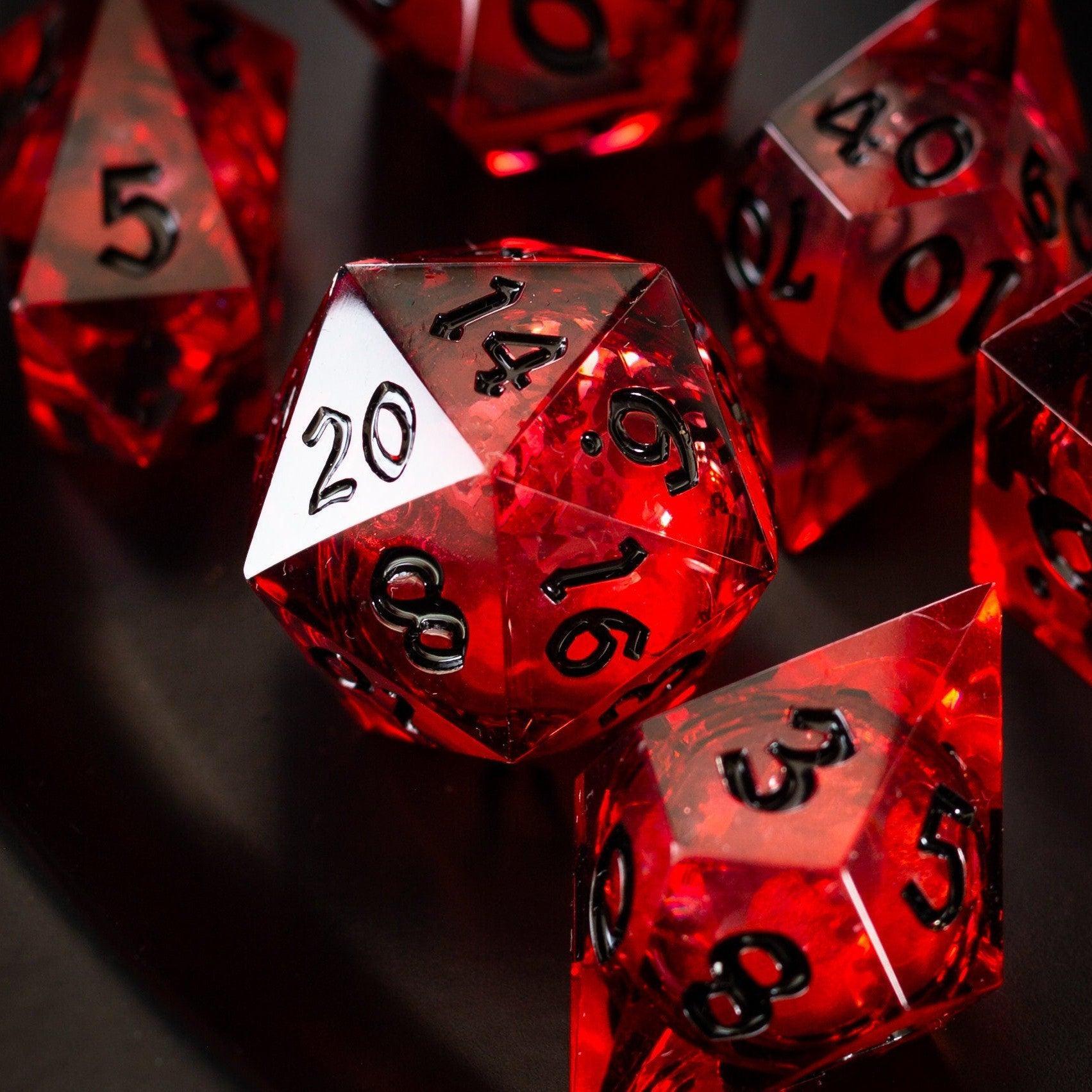
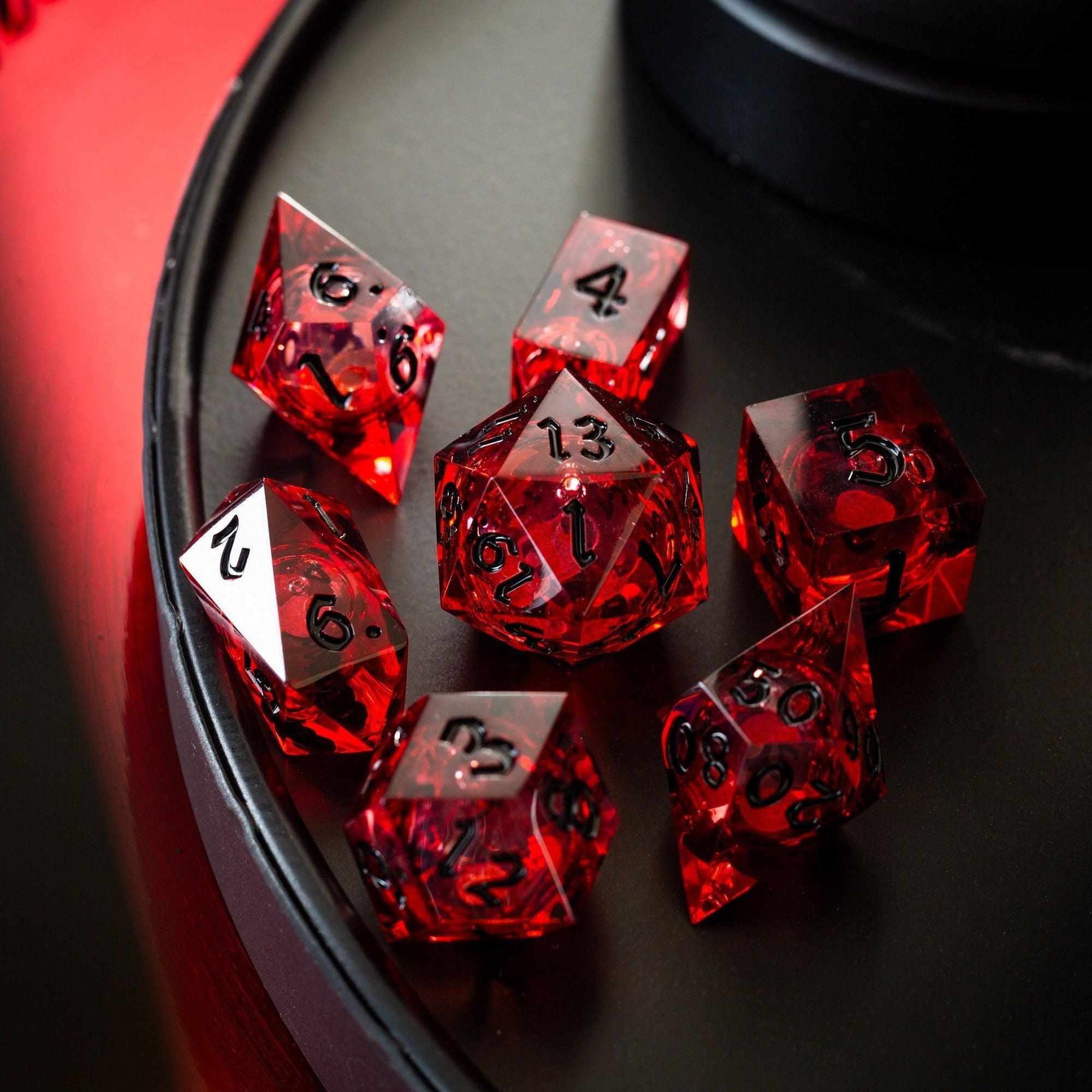
Dark-toned liquid core dice or striking resin dice can make warlock moments feel especially moody during curse effects, eldritch blasts, or tense attack rolls.
Lore Bard: The Hero Who Always Has an Answer
The Lore Bard is one of the most flexible and creative choices in any D&D subclass guide. They can support allies, solve social challenges, learn widely, and still influence combat with clever timing.
Lore Bards are satisfying because they bring:
-
Broad skill coverage
-
Excellent support potential
-
Strong roleplay presence
-
Flexible magic
A Lore Bard might be a wandering historian, a sharp-tongued entertainer, or a magical storyteller collecting legends from every corner of the world.
Colorful resin dice suit bard characters beautifully. They reflect the build’s expressive, personality-driven style without feeling overly precious.
Character Build Comparison Table
|
Build |
Best Strength |
Playstyle Feel |
Roleplay Theme |
|
Battle Master Fighter |
Tactical combat control |
Precise, disciplined, reactive |
Veteran soldier, duelist, commander |
|
Totem Barbarian |
Durability and frontline pressure |
Bold, direct, fearless |
Spirit-guided warrior, wild guardian |
|
Gloom Stalker Ranger |
Ambushes and exploration |
Quiet, watchful, mobile |
Shadow hunter, cave scout, monster tracker |
|
Divination Wizard |
Planning and dice manipulation |
Careful, clever, predictive |
Fate-reader, scholar, omen seeker |
|
Light Cleric |
Healing with radiant offense |
Protective, inspiring, forceful |
Beacon of hope, sacred flame-bearer |
|
Blade-focused Warlock |
Magical melee identity |
Dramatic, stylish, mysterious |
Pact duelist, cursed champion |
|
Lore Bard |
Versatility and team support |
Social, inventive, adaptable |
Storyteller, diplomat, lorekeeper |
Hybrid and Creative Builds
Some of the most memorable smart D&D builds blend two playstyles together. These characters are not always the simplest, but they can be incredibly fun once you understand the basics.
Martial and Spellcaster Combinations
Hybrid characters often shine when their combat and magic support one fantasy. Examples include:
-
A paladin who protects allies with both armor and divine magic
-
A ranger who mixes archery with battlefield utility
-
A warlock who fights in melee while wielding pact-fueled magic
-
A bard who shifts between support spells and agile skirmishing
These characters are ideal for players who enjoy having more than one option each turn.
Support-Focused Characters
Not every powerful build is centered on damage. Support characters often decide the outcome of a fight by making allies better.
Strong support builds may focus on:
-
Healing and recovery
-
Buff spells
-
Enemy debuffs
-
Battlefield repositioning
-
Skill utility outside combat
Clerics, Bards, Druids, and certain Wizards all perform well here. Their turns may feel less flashy at first, but the party quickly notices how often success comes from their choices.
Stealth and Mobility Builds
Rogues, Rangers, Monks, and certain Bards can make movement itself part of the fantasy. These builds are exciting when the campaign includes dungeons, infiltration, scouting, or fast-moving encounters.
A good stealth or mobility build often wants:
-
Reliable Dexterity-based tools
-
A clear role in exploration
-
A way to contribute during combat without standing still
-
A personality that suits caution, curiosity, or daring
For nimble, stylish characters, resin dice can feel especially expressive. Their color variety fits heroes built around agility, disguise, performance, or flair.
How to Build a Fifth Edition Character With Confidence
A clear process helps you avoid messy choices later.
Step 1: Choose Your Main Role
Pick one primary job:
-
Frontline defense
-
Damage
-
Control
-
Support
-
Utility
Then choose one secondary focus.
Step 2: Pick a Class and Subclass That Match It
Avoid forcing a class into a role it does not naturally serve unless the unusual concept is the whole point. A clear foundation usually creates a smoother experience.
Step 3: Watch Your Action Economy
One of the most important tips for how to optimize a character in D&D 5e is understanding your action, bonus action, reaction, and movement. If every feature wants your bonus action, your build may feel clunky in practice.
Step 4: Protect Your Defenses
Do not ignore Constitution. More hit points and better concentration saves matter greatly. Wisdom is also often worth respecting because many dangerous effects target it.
Step 5: Choose Feats That Support Your Plan
A feat is strongest when it sharpens your identity. Pick options that improve your role instead of grabbing something just because it looks flashy.
Step 6: Know Your Round-One Plan
Before a session starts, ask:
-
What do I usually do when combat begins?
-
What spell or attack matters most early?
-
How do I help the party immediately?
That simple planning habit makes many builds feel much smoother.
Choosing a Build That Fits Your Personality
A build becomes more enjoyable when it matches how you naturally like to play.
Choose Aggressive Builds If You Like:
-
Charging toward danger
-
Big attack rolls
-
Simple, decisive turns
-
Protecting allies through presence
Great matches include Barbarian, Fighter, Paladin, and certain Warlocks.
Choose Tactical Builds If You Like:
-
Planning turn order
-
Controlling enemies
-
Using features at the right moment
-
Setting up teammates
Battle Master Fighters, Wizards, Rangers, and Bards are excellent choices.
Choose Roleplay-Heavy Builds If You Like:
-
Strong internal conflict
-
Social scenes
-
Personal story arcs
-
A character whose powers shape their identity
Warlocks, Clerics, Bards, Druids, and Paladins all excel here.
Choose Simpler Classes If You Want:
-
Faster turns
-
Fewer spell choices
-
A smoother first campaign
-
Clear combat plans
Fighters, Barbarians, and certain Rangers are strong starting points.
Roleplay Tips for Character Builds
A good build becomes a great character when the mechanics feel tied to the person.
Try giving your build:
-
A reason they chose this path
-
A fear or flaw linked to their abilities
-
A habit that appears during battle
-
A recurring visual motif
For example:
-
A Divination Wizard records every omen they notice, even silly ones.
-
A Battle Master Fighter quietly studies footwork before a duel.
-
A Light Cleric whispers a short blessing before unleashing radiant magic.
-
A Ranger keeps trophies from every creature they have sworn to track.
When combat choices reflect personality, your character feels cinematic rather than mechanical.
Common Beginner Build Mistakes
Even strong builds can feel awkward when a few basics are overlooked.
Trying to Optimize Everything
A character does not need to be excellent in every category. Clear strengths create more satisfying gameplay than scattered half-strength ideas.
Multiclassing Too Early
Multiclassing can be fun, but it is not required for the best 5e character builds. Early multiclassing may delay Extra Attack, subclass upgrades, or stronger spell levels. For beginners, single-class characters are often easier and stronger.
Ignoring Party Balance
A build that looks impressive alone may struggle inside a team if no one can heal, scout, or take pressure up front. Talk with your group when possible.
Choosing Too Much Complexity Too Soon
A spell-heavy build can be amazing, but it may feel tiring if you are still learning basic combat flow. Start with what sounds fun and manageable.
Forgetting Roleplay Opportunities
Do not let your build stop at mechanics. Your subclass, spells, and preferred tactics are all clues about who your character is.
Tips for Dungeon Masters
Dungeon Masters can make different builds feel valuable without reshaping the whole game around them.
Helpful habits include:
-
Offering encounters with multiple solutions
-
Giving stealth characters places to scout
-
Giving support characters moments where protection matters
-
Letting durable characters hold dangerous lines
-
Encouraging players to describe their abilities with flair
A party becomes more memorable when every build gets a scene where it matters.
Why Build Variety Makes D&D Better
Build variety is one of the reasons campaigns stay fresh. A group with a stoic cleric, a tactical fighter, a cryptic warlock, and an energetic bard will approach the same problem four different ways.
That leads to:
-
Better party chemistry
-
More surprising scenes
-
Stronger replay value
-
More memorable combats
-
Richer stories
The best fifth edition character builds do not all look alike. They create contrast, tension, and teamwork.
FAQ on Fifth Edition Character Builds
What are the best fifth edition character builds for new players?
The best beginner-friendly builds are clear, resilient, and rewarding without too many moving parts. Battle Master or Champion Fighters, Totem Barbarians, Light Clerics, Lore Bards, and Rangers with a straightforward combat plan are excellent places to start.
How do you optimize a character in D&D 5e?
Start by choosing a role, then select a class and subclass that naturally support it. Watch your action economy, protect important defenses like Constitution, and choose feats or spells that strengthen your main plan. Good optimization improves consistency without draining the fun from the character.
Is multiclassing required for the best 5e character builds?
No. Many of the strongest and most satisfying D&D 5e character builds stay single class because they unlock important features on time. Multiclassing is best when it supports a clear fantasy or mechanical goal, not simply because it sounds advanced.
Conclusion
The heart of fifth edition character builds is not chasing perfection. It is creating a hero whose mechanics, story, and table presence all point in the same direction.
Build the warrior you want to charge into danger with. Build the spellcaster whose magic feels like a signature. Build the scout, the storyteller, the sacred guardian, or the pact-bound duelist who makes you excited for the next session.
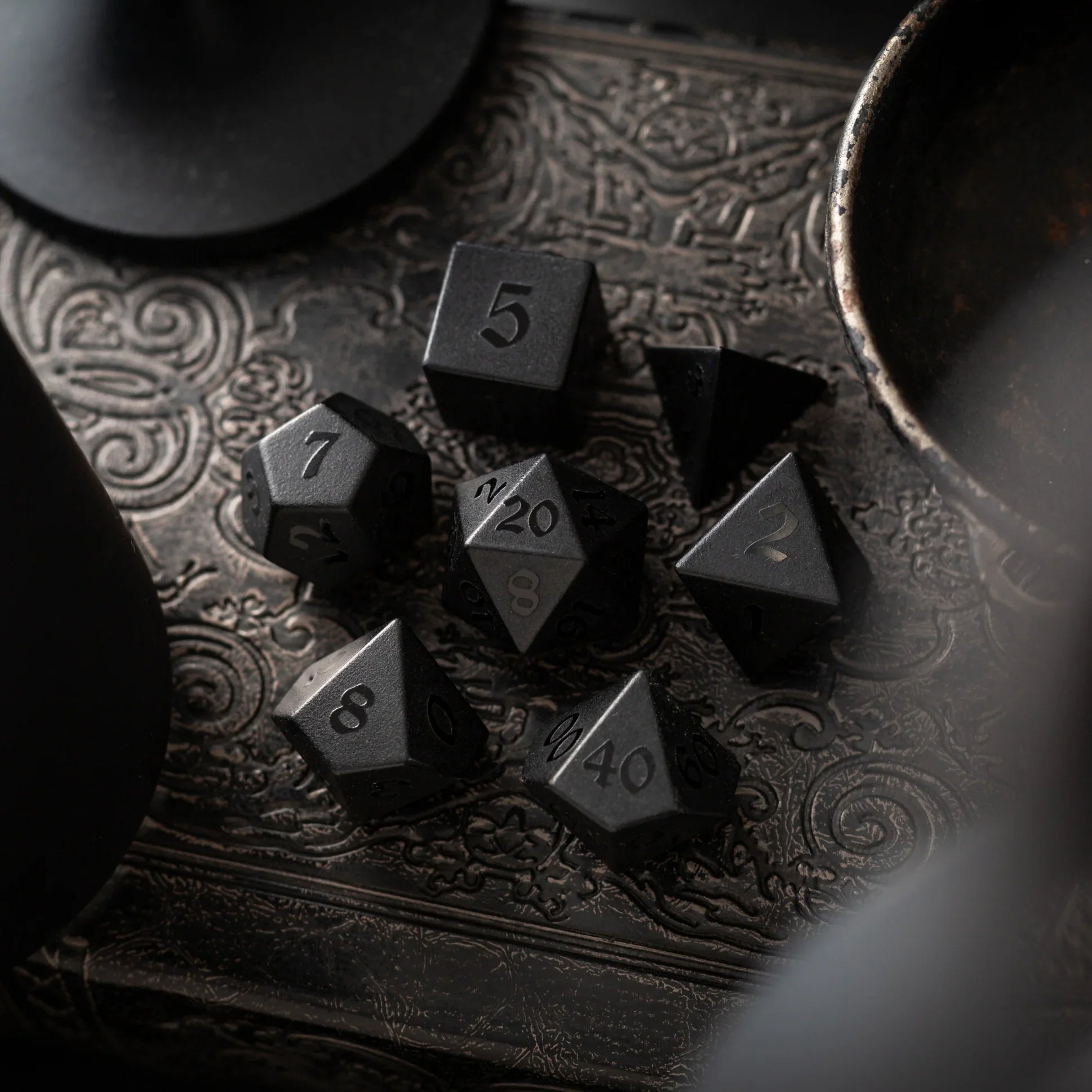
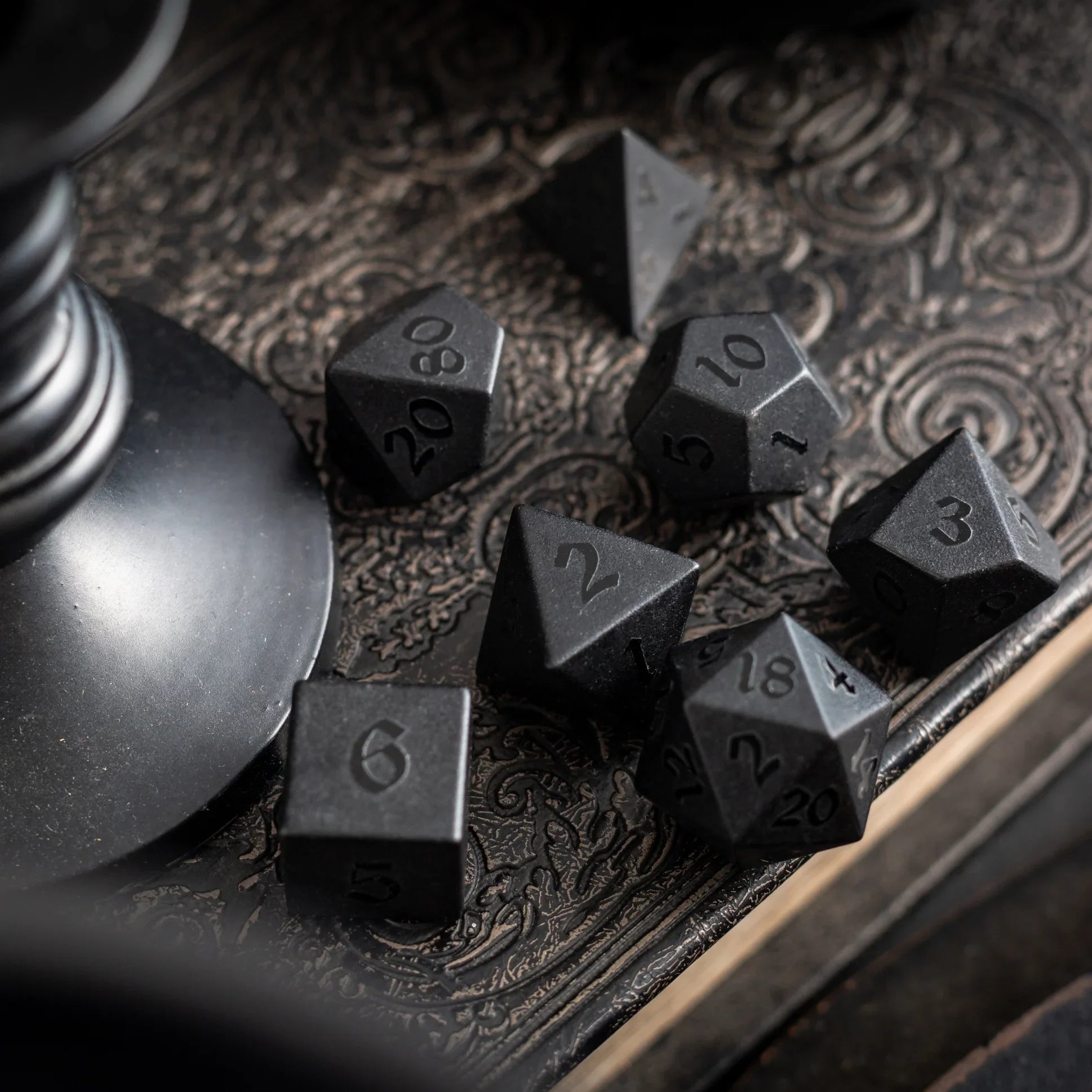
Whether you prefer gemstone dice for a noble champion, liquid core dice for a brilliant arcane prodigy, resin dice for a colorful trickster, or resin chonk dice for a bruising frontline legend, your choices around the table can reinforce the fantasy you are already creating.
The most memorable build is not the one that wins every comparison chart. It is the one that gives you stories worth retelling after the adventure ends.


Leave a comment
This site is protected by hCaptcha and the hCaptcha Privacy Policy and Terms of Service apply.